



The disruption extends beyond lost export volume. It is also increasing verification, segregation, documentation, and logistics costs throughout the pork supply chain.
 13 Jul 2026
A partial restriction on U.S. pork offal is continuing to weigh on trade with Mexico, where limited supply is increasing costs and complicating export logistics.
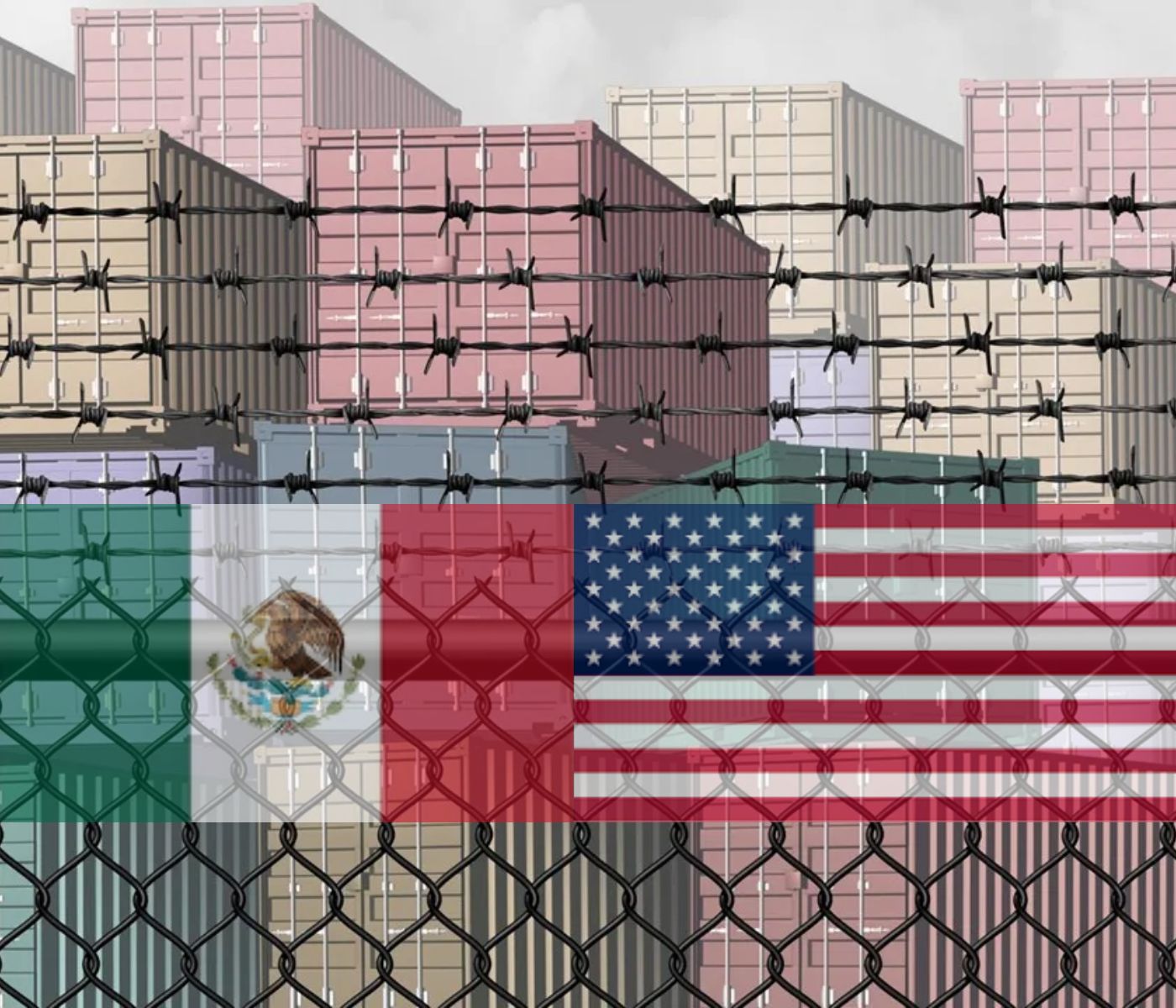
Mexico’s restrictions on U.S. pork offal are continuing to disrupt one of the most valuable variety-meat trade channels in North America. While muscle cuts remain unaffected, the limits on offal and other pork variety meats are reducing export momentum and creating higher costs for processors, distributors, exporters, and Mexican buyers.
The disruption extends beyond lost export volume. It is also increasing verification, segregation, documentation, and logistics costs throughout the pork supply chain.
The trade disruption began after the U.S. Department of Agriculture and its Animal and Plant Health Inspection Service confirmed pseudorabies virus in a small commercial swine facility in Iowa, with the event traced to boars originating from Texas.

Mexico responded by restricting imports of porcine viscera, offal, material considered unsuitable for human or animal consumption, and raw materials intended for pet food from Iowa and Texas. Shipments originating in other states were also subjected to stricter sourcing and certification controls.
Those requirements continue to complicate market access for U.S. exporters, even where product is sourced outside the affected states.
Regional animal-health restrictions can affect trade well beyond the location of an outbreak when importers require detailed proof of origin throughout the supply chain.

According to the U.S. Meat Export Federation, the offal closure cost the U.S. pork industry approximately $6 million to $7 million per week at the peak of the disruption.
Although some shipments have resumed, state-specific limitations and source-verification requirements continue to prevent a complete recovery. The commercial impact therefore includes both lost sales and additional compliance costs.
Exporters may need to demonstrate that animals, products, processing inputs, and associated raw materials did not originate in restricted locations. This can require additional segregation, traceability documentation, plant procedures, and coordination with suppliers.
Partial market reopening does not necessarily restore normal trade when source verification remains costly, complex, or operationally difficult.
Mexico is particularly important because it provides strong demand for pork variety meats that may have limited commercial value in the United States. These products are widely used across Mexican retail, traditional food markets, foodservice, and regional cuisine.
For U.S. processors, exporting these items improves the total value obtained from each carcass. Products that might otherwise be discounted, rendered, stored, or redirected into lower-value channels can achieve substantially greater returns in export markets.
Variety-meat exports are not a secondary part of pork trade. They are an important contributor to whole-carcass value and processor profitability.
The effect in Mexico has been immediate. Many of the affected products are in strong demand, while domestic availability is insufficient to fully replace normal import volumes.
The resulting supply squeeze has pushed prices sharply higher. The U.S. Meat Export Federation has indicated that the price of some items, including pork uterus, has approximately doubled because of restricted supply.
This creates pressure throughout the Mexican market:
When a specialized export channel closes, both sides lose: U.S. processors lose value, while Mexican buyers face tighter supply and higher prices.
The situation illustrates how quickly animal health findings can influence international trade, even in the absence of a direct food safety concern.
APHIS has emphasized that the pseudorabies findings do not compromise the safety of the commercial pork supply. However, importing countries establish their own sanitary requirements and may apply regional restrictions to reduce perceived animal-health risks.
In practice, this means that disease surveillance, containment, biosecurity, animal identification, and traceability are essential not only for herd health but also for preserving export access.
Export eligibility increasingly depends on the industry’s ability to document where animals and products originated, even when the final product remains safe for consumers.
Variety-meat exports contribute to the economic value of every pig processed. Items such as organs, viscera, feet, heads, stomachs, and other products may be worth substantially more in destination markets than in domestic channels.
When access to a major market is restricted, the consequences can spread across the supply chain:
Maintaining access for offal and variety meats helps maximize carcass utilization, reduce waste, and improve economic returns throughout the pork sector.
The current restrictions also reinforce the commercial importance of robust traceability systems. Exporters must be able to verify the origin of animals and products across multiple stages of production and processing.
Effective traceability may involve:
Although these systems create costs, they can also reduce the extent of future trade disruptions by allowing restrictions to remain targeted rather than applying broadly to an entire country.
If remaining quarantine testing is completed successfully and Mexico relaxes its restrictions further, trade could normalize relatively quickly because established demand and commercial relationships remain in place.
However, until sourcing limitations and verification requirements are fully removed, the market is likely to remain uneven. Exporters will continue to face higher compliance costs, while Mexican buyers may encounter elevated prices and inconsistent availability.
Restoring full access to Mexico’s offal market is essential for protecting carcass value, reducing supply-chain costs, and supporting efficient trade throughout the North American pork industry.

Subscribe now to the technical magazine of animal nutrition
AUTHORS
Consistency in Soybean Meal Drives Performance and Sustainability
Anna Cotcho
Kolin Plus FC: greener choline nutrition for poultry
Middle East conflicts disrupt global feed markets
Edgar Oviedo
Optimizing nutrition for dairy goat and sheep productivity in Cyprus
Carolina Kyriacou
pHix-up improves rumen stability in dairy cows
Subacute ruminal acidosis
Net energy and growth: keys to better prediction in swine production
Gabriela Martínez
How starch structure & protein reduction shape gut health in weaned pigs
Diana Luise
Astaxanthin supplementation in aquaculture
Babatunde Saliu
What is intestinal health?
Marcos Rostagno
Calcium, phosphorus, and phytase optimization in broiler diets
Anna Cotcho