 03 Aug 2022
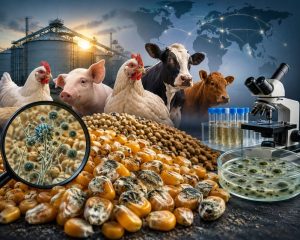
Mycotoxin contamination in meat, and meat derived products represents a significant threat to food security and is a pressing matter that requires solutions.
There are several microbial groups capable of developing in meat and meat products, due to their ubiquity and tolerance to various environmental conditions.
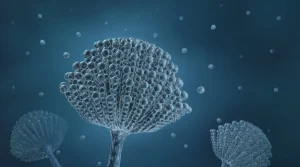
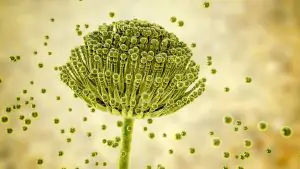
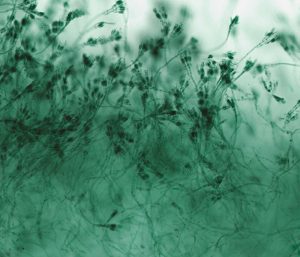
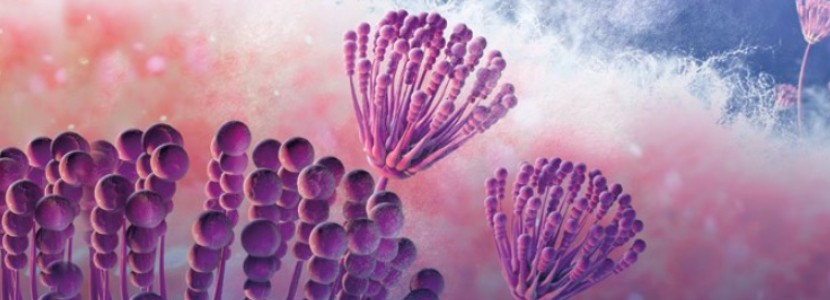
Mycotoxins are secondary metabolites produced by molds that adversely affect the health of animals. They are a heterogeneous group, which translates into a great variability of toxic effects. Mycotoxins are produced by various species of molds, most of them being framed in the genera Aspergillus, Penicillium, Claviceps and Fusarium.
Microbial growth factors in meat and meat products
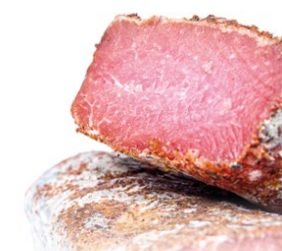
The factors that determine what type of microorganism proliferates in meat and meat products are determined by the physico-chemical characteristics of food, such as:


Bacteria are predominant in foods with elevated aw (>0.90)
Molds and yeasts constitute the major population in foods with lower aw values. such as cured-matured meat derivatives.
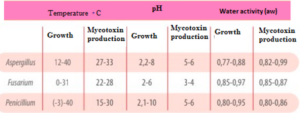
Although mold development does not always imply mycotoxin production, as such conditions tend to be more demanding (Table 1).
How can mycotoxins reach meat?
Mycotoxins can reach meat and its by-products in two ways:
Subscribe now to the technical magazine of animal nutrition
AUTHORS
From 2025 Data to 2026 Decisions: Managing Mycotoxin Risk in a Changing Climate
Alterion® NE Celebrates 10 Years of Poultry Gut Health Innovation
The Science Behind Kolin Plus: Beyond Choline Replacement
Summer Infertility in Sows: Managing Heat Stress and Reproductive Performance
AO-Biotics® Amaferm®: Supporting Livestock Digestion and Performance

Interview with Güner Gövenç
Güner Gövenç,
Net Energy and Precision Feeding Shape the Future of Poultry Nutrition
Edgar Oviedo
Mycotoxins in Swine: Health Risks and Nutritional Solutions
Giuseppe Carcò
Mycotoxins and Piglet Ear Necrosis: Cause, Cofactor or Coincidence?
Alberto Morillo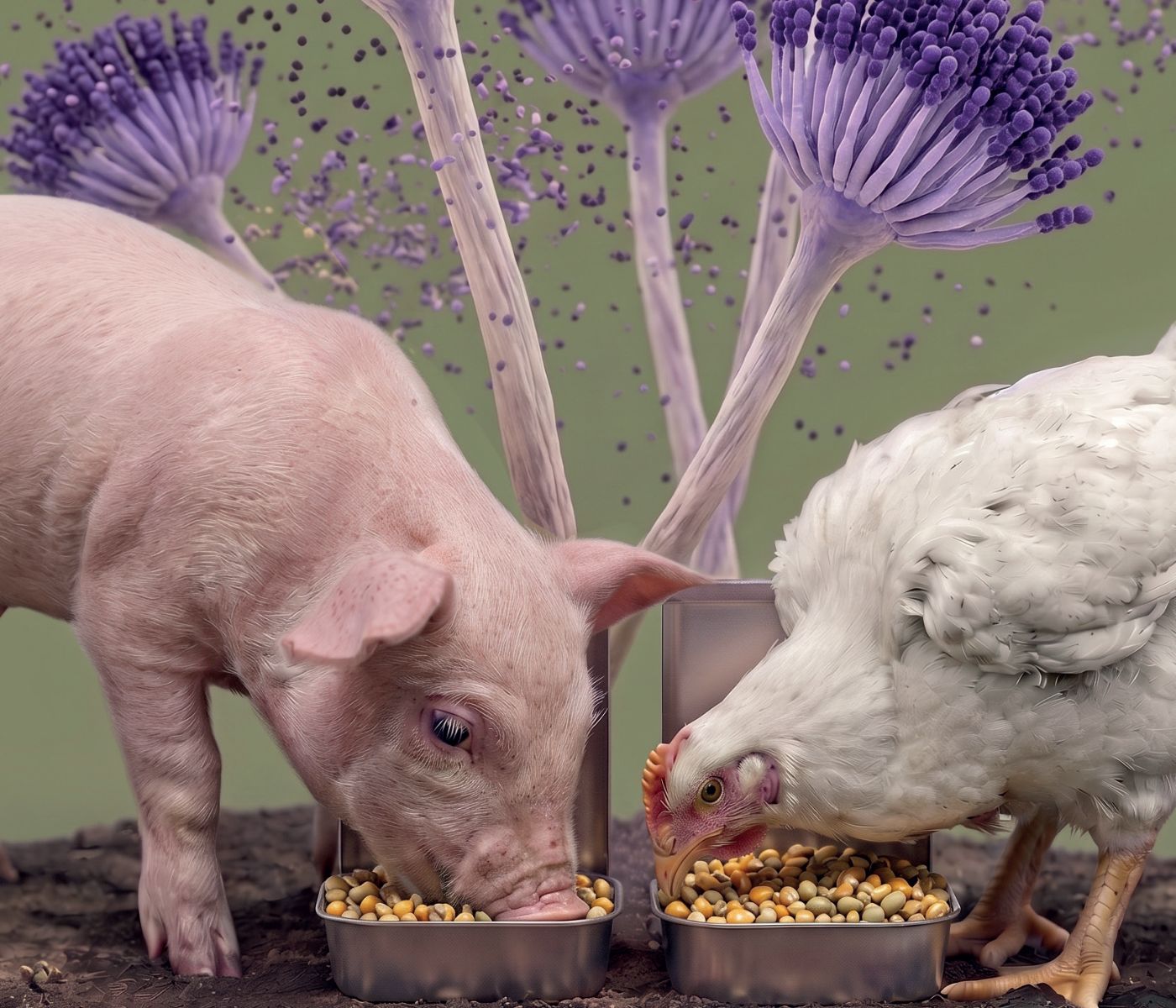
How Mycotoxins Affect Intestinal Health in Pigs and Poultry
Marcos Rostagno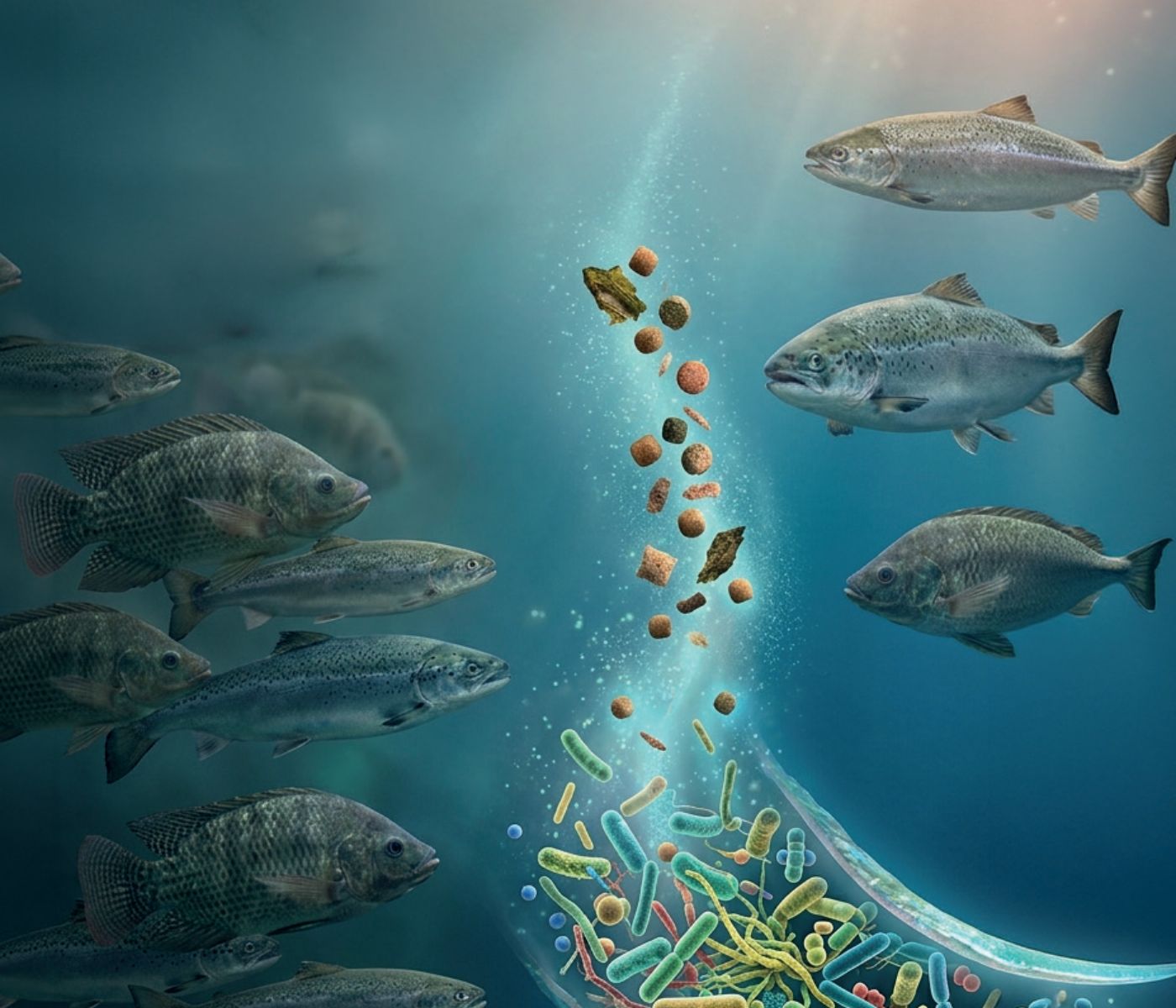
From Antibiotics to Functional Feeds in Aquaculture
Babatunde Saliu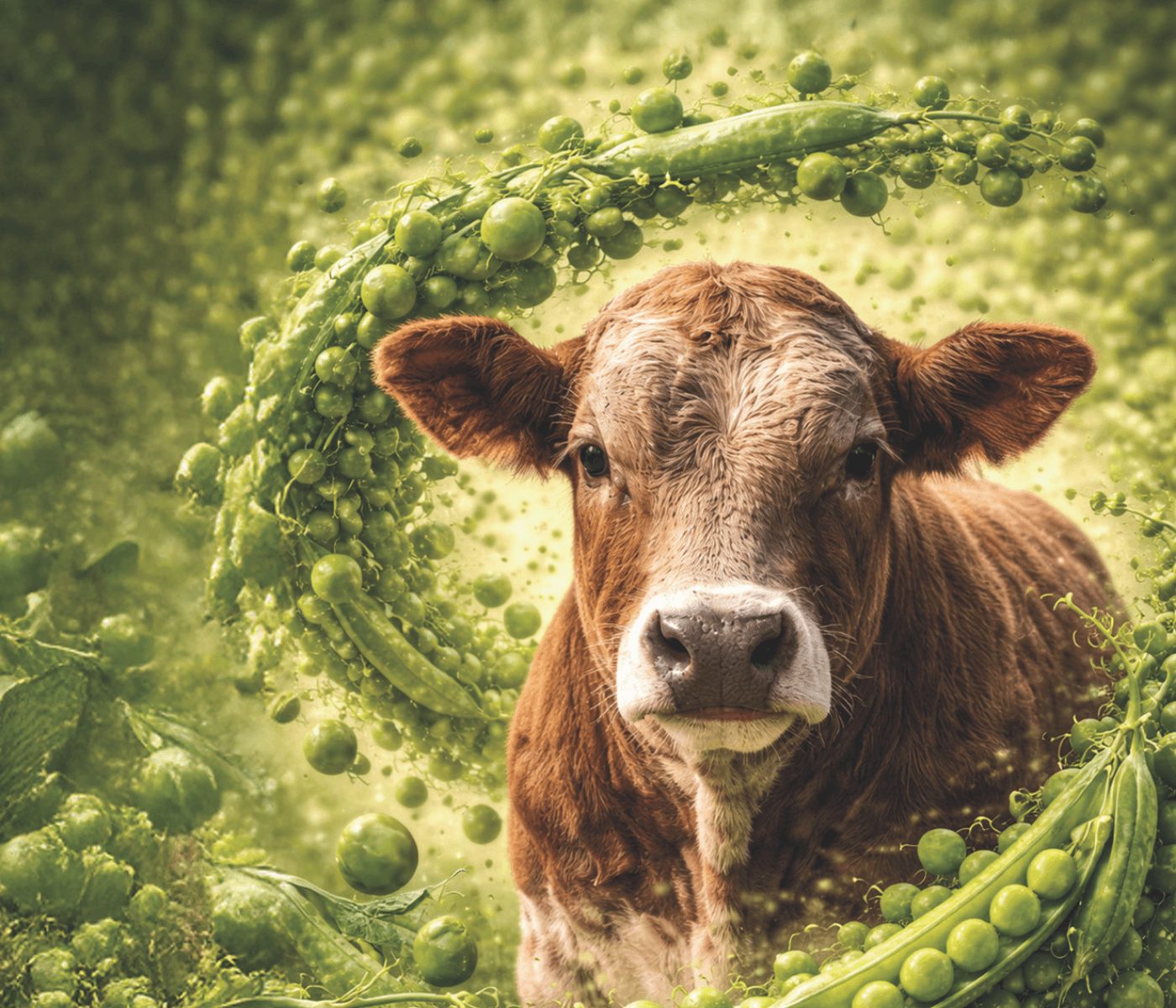
Peas as an Alternative to Soybean Meal in Beef Cattle Finishing Diets
Daniel Villalba Mata,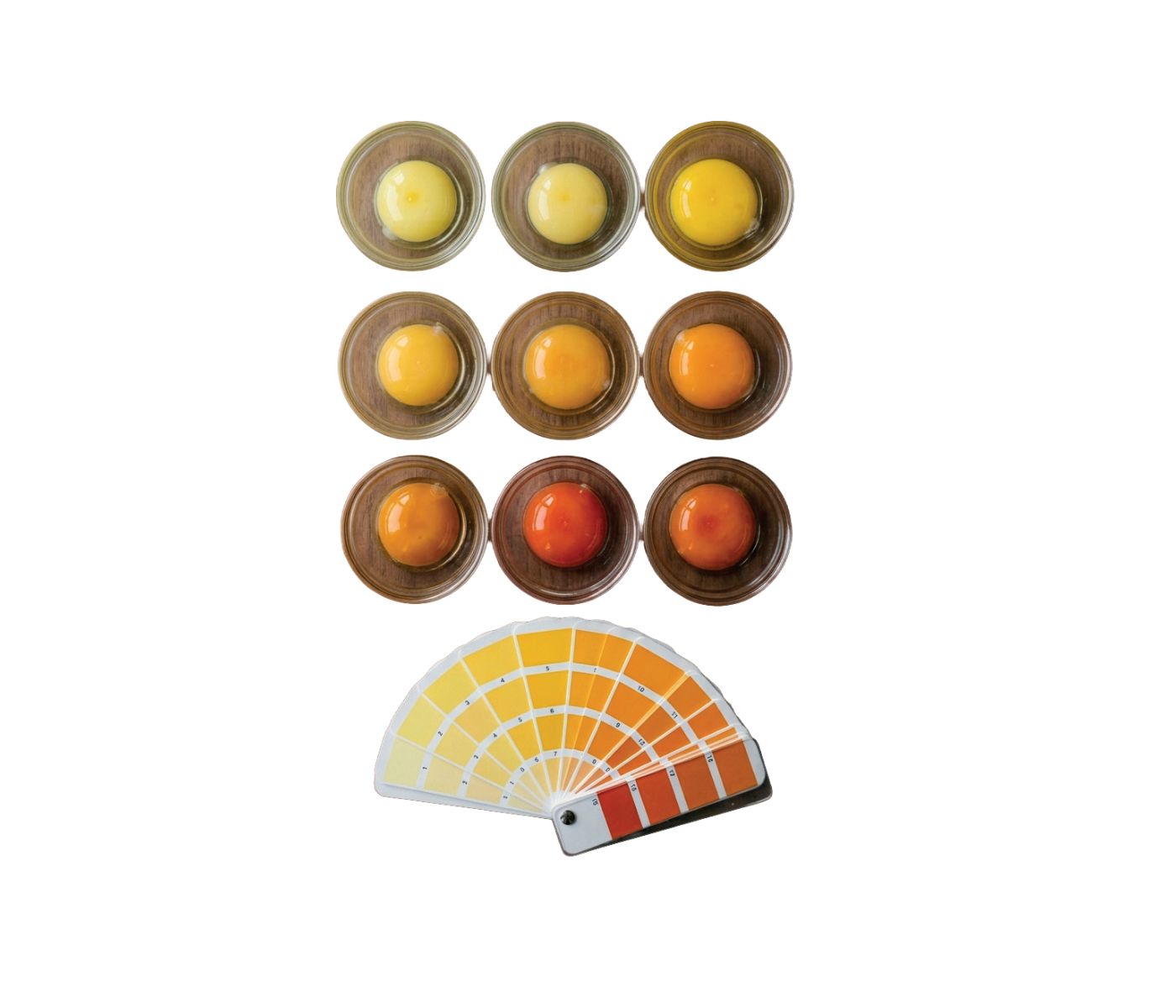
Improving Egg Yolk Pigmentation Through Better Nutrient Transport
Aquaculture and Aquaponics Nutrition: How Fish Shape the Growth of Greens
Trenton Corby
Consistency in Soybean Meal Drives Performance and Sustainability