 02 Aug 2022
Mycotoxin neutralization through the use of adsorbent substances presents a potential alternative to deal with a major food security problem.
According to data provided by FAO, more than 25% of agricultural production is contaminated by mycotoxins. In the US alone, this represents economic losses of around one billion euros a year.
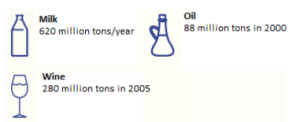
In addition to this, large quantities of basic food products are spoiled by mycotoxins:
As a result, many countries have adopted severe regulations to limit mycotoxin exposure. This has had an impact on on crop and animal markets.
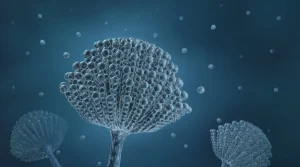
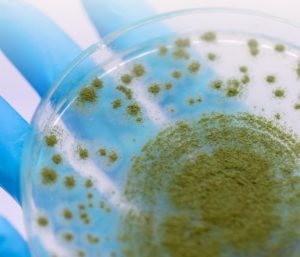
 Mycotoxins are toxic alkaloid compounds, produced by fungi belonging to the following groups: Aspergillus, Fusarium, Penicillium, Claviceps and Alternaria (Jaynes et al., 2007; Huwig et al. , 2001).



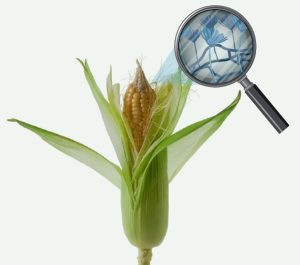
Mycotoxins can contaminate crops in two ways:
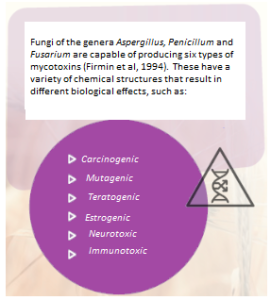
Among mycotoxins,aflatoxin B1 and M1, secreted in milk, have been shown to be the most toxic, with carcinogenic effects in animals and humans.

However, currently there are no large-scale practical solutions to combat contamination with fungal by-products in food, using low-cost methodologies.
One of the most promising approaches to solving the mycotoxin problem is the addition of non-nutritive adsorbent materials to food batches, to control gastrointestinal absorption of these fungal metabolites.
 This is achieved with the addition of sequestering agents such as zeolites, bentonites, kaolins or hydrated aluminosilicates of sodium and calcium in animal diets.
Subscribe now to the technical magazine of animal nutrition
AUTHORS
From 2025 Data to 2026 Decisions: Managing Mycotoxin Risk in a Changing Climate
Alterion® NE Celebrates 10 Years of Poultry Gut Health Innovation
The Science Behind Kolin Plus: Beyond Choline Replacement
Summer Infertility in Sows: Managing Heat Stress and Reproductive Performance
AO-Biotics® Amaferm®: Supporting Livestock Digestion and Performance

Interview with Güner Gövenç
Güner Gövenç,
Net Energy and Precision Feeding Shape the Future of Poultry Nutrition
Edgar Oviedo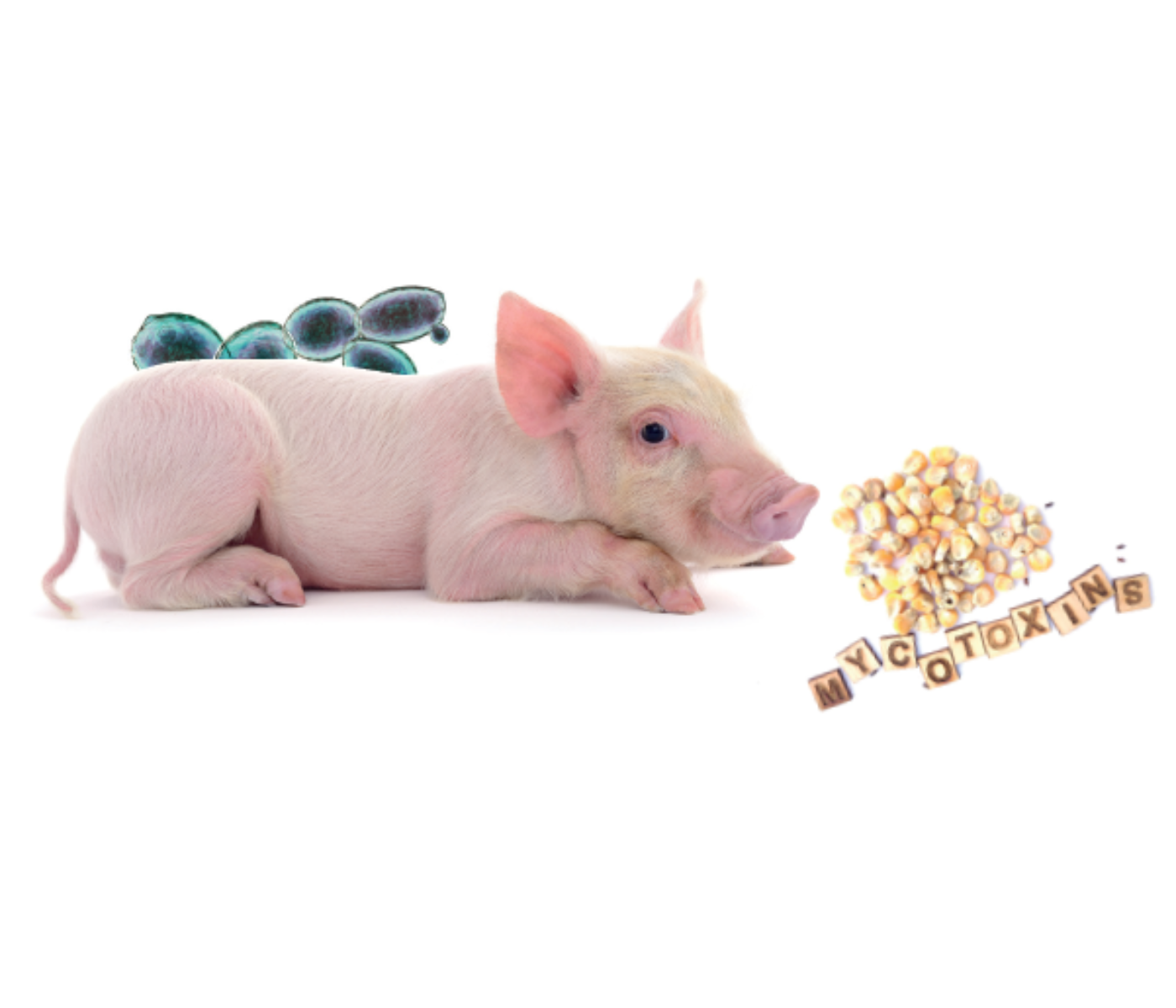
Mycotoxins in Swine: Health Risks and Nutritional Solutions
Giuseppe Carcò
Mycotoxins and Piglet Ear Necrosis: Cause, Cofactor or Coincidence?
Alberto Morillo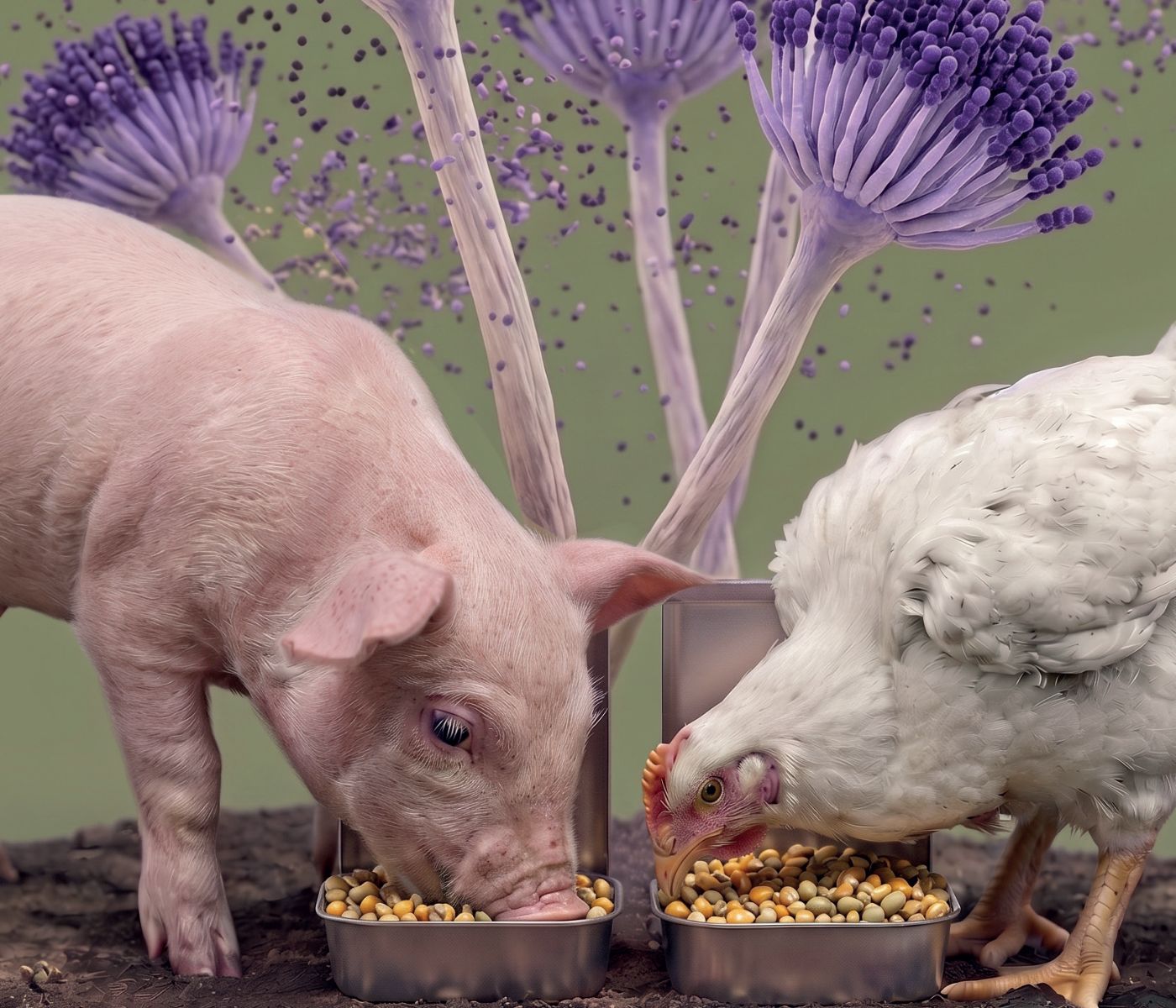
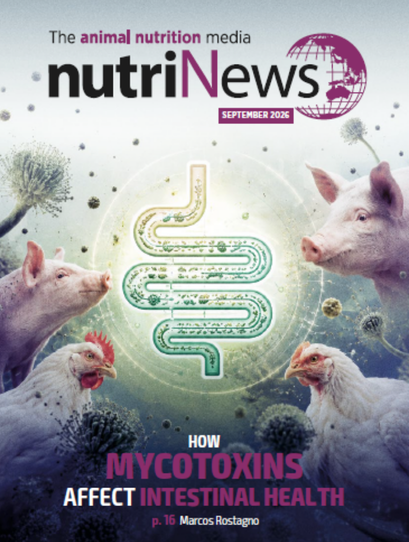
How Mycotoxins Affect Intestinal Health in Pigs and Poultry
Marcos Rostagno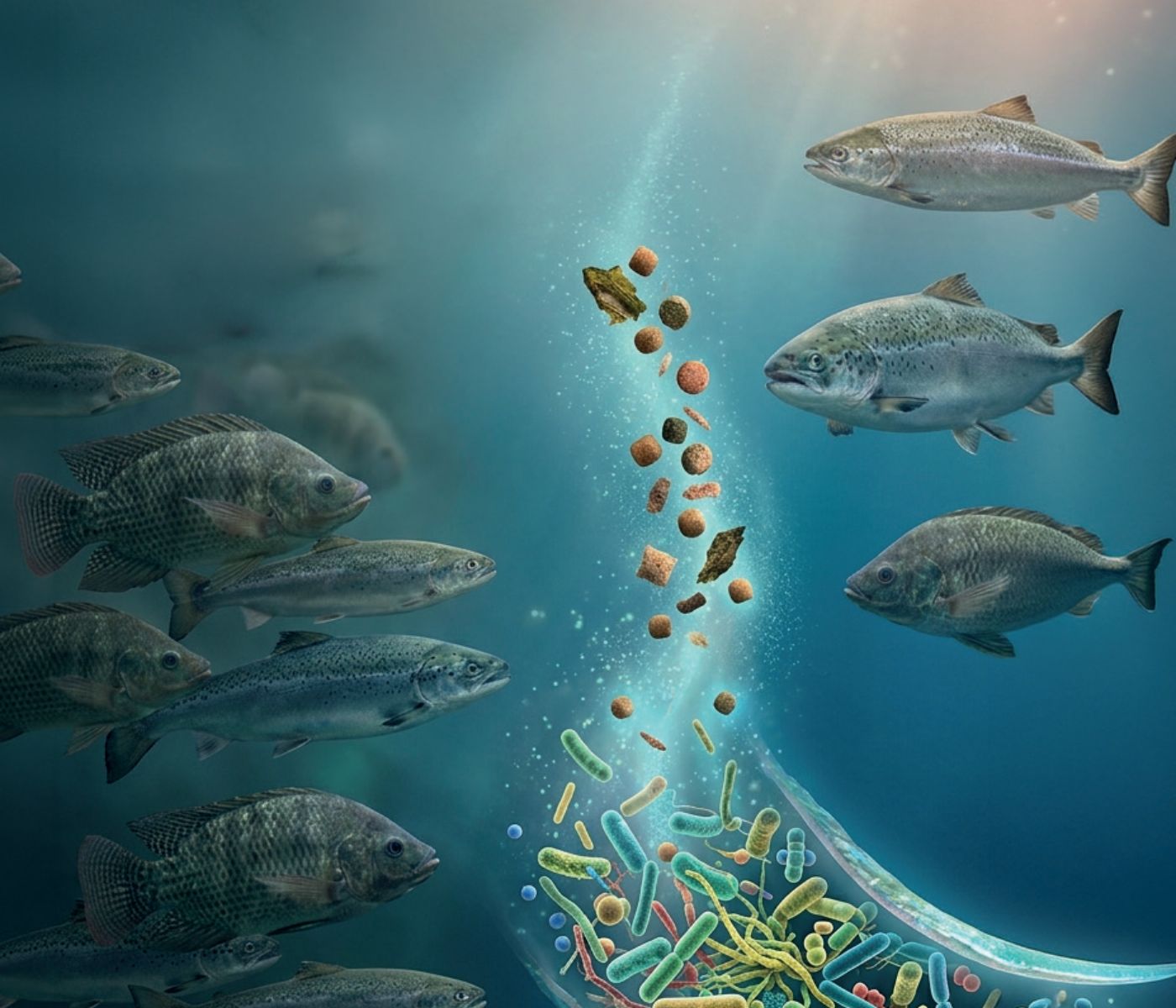
From Antibiotics to Functional Feeds in Aquaculture
Babatunde Saliu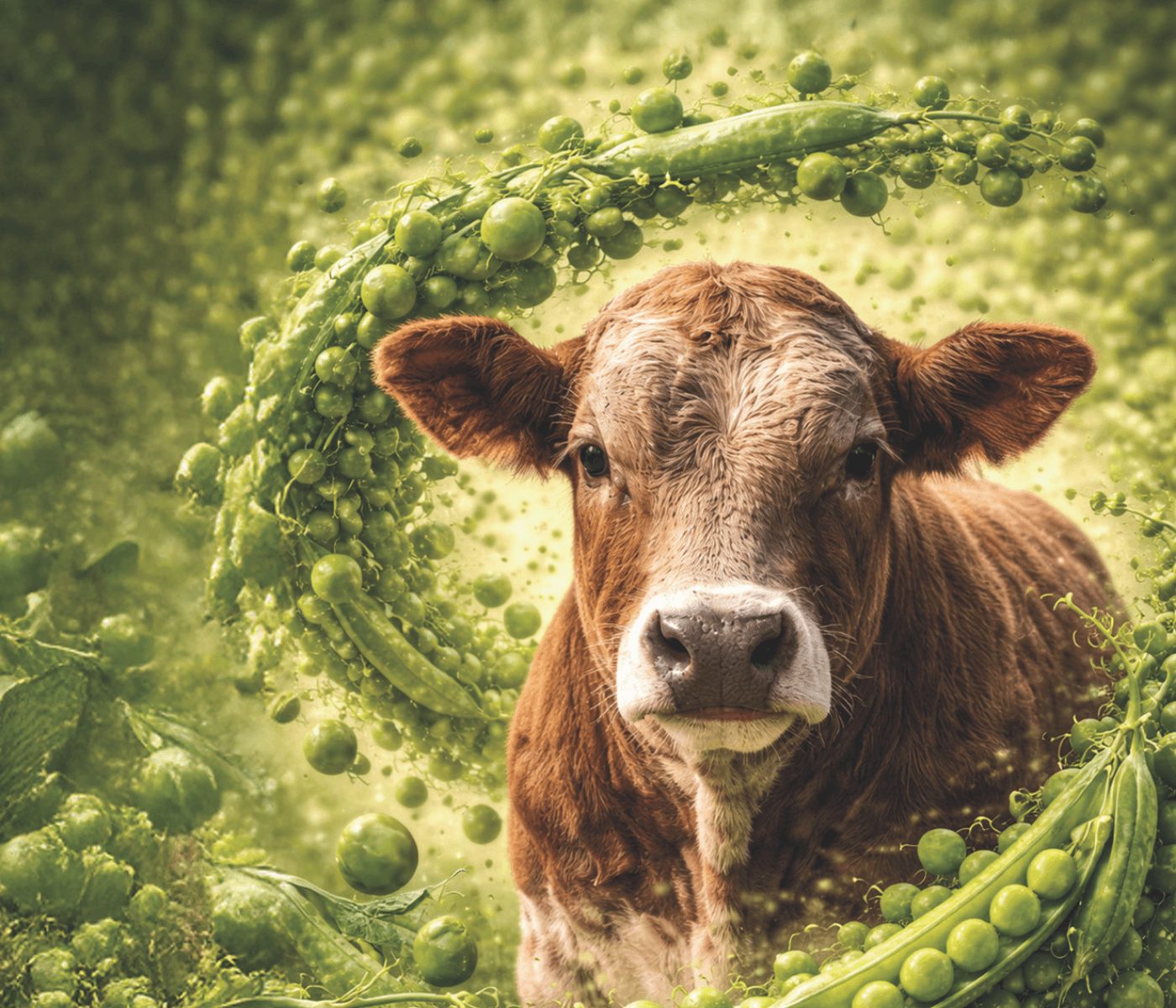
Peas as an Alternative to Soybean Meal in Beef Cattle Finishing Diets
Daniel Villalba Mata,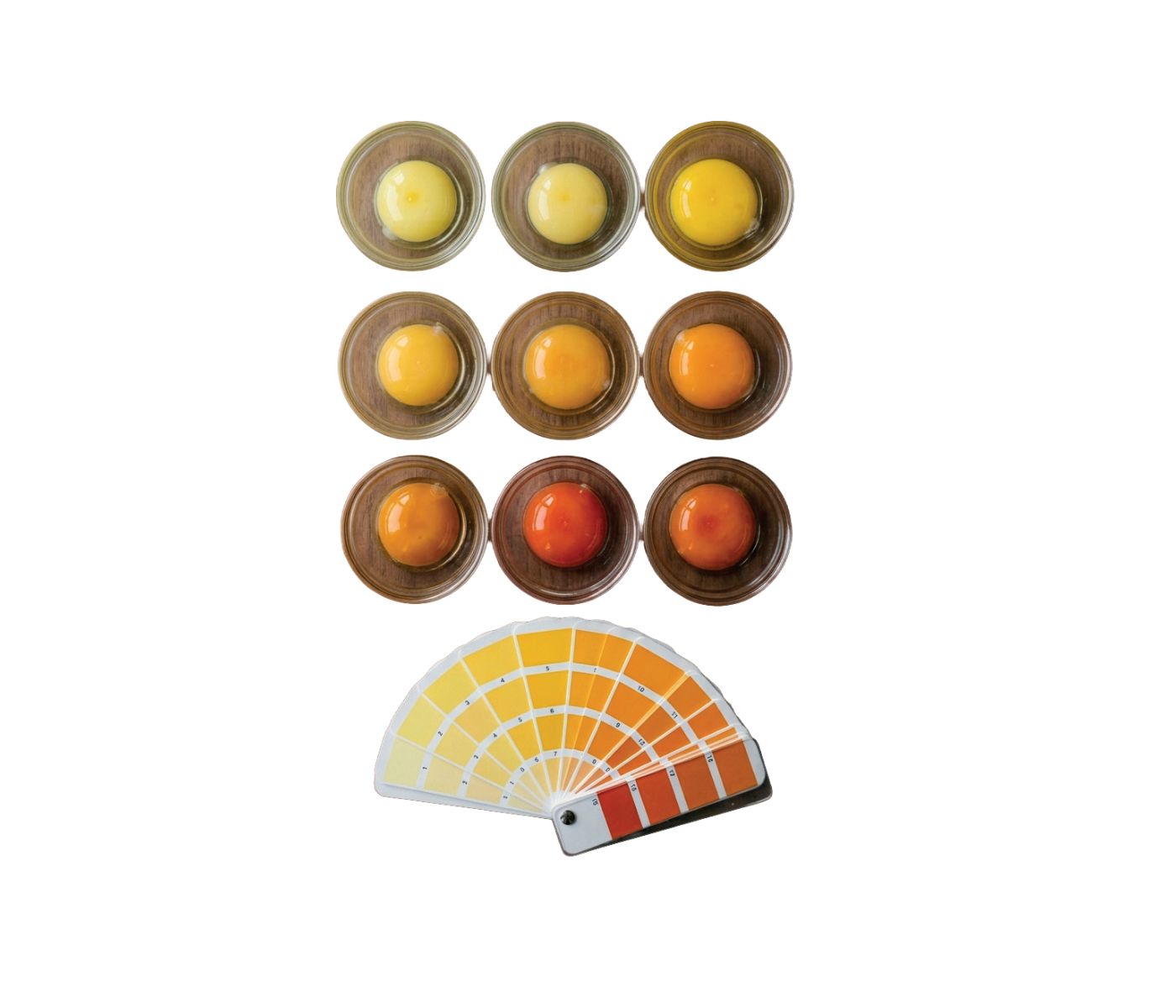
Improving Egg Yolk Pigmentation Through Better Nutrient Transport

Aquaculture and Aquaponics Nutrition: How Fish Shape the Growth of Greens
Trenton Corby
Consistency in Soybean Meal Drives Performance and Sustainability