
Take-home message:
Improving choline chloride replacement nutrition helps optimize liver health, fat metabolism, feed stability, and production efficiency while reducing formulation risks associated with traditional choline chloride.
Read more content on nutriNews International March 2025
For decades, choline chloride has been widely used in animal feed formulations to support lipid metabolism, liver function, and overall productivity. However, despite its nutritional importance, traditional choline chloride presents several challenges related to stability, hygroscopicity, nutrient degradation, and handling efficiency.
Today, the industry is increasingly exploring polyherbal alternatives that provide better metabolic performance, greater feed stability, and improved sustainability across poultry, swine, ruminants, and pet nutrition.
Take-home message:
Improving choline chloride replacement nutrition helps optimize liver health, fat metabolism, feed stability, and production efficiency while reducing formulation risks associated with traditional choline chloride.
Although choline chloride is effective, it presents several formulation limitations:
These challenges can negatively affect feed quality, shelf life, and final animal performance, especially in pelleted and extruded feed systems.
Main limitation:
Polyherbal products are becoming the preferred alternative because they provide choline in the form of phosphatidylcholine, along with additional phospholipids that support energy metabolism and liver protection.
These products combine multiple plants traditionally used in Ayurvedic medicine and offer broader metabolic benefits beyond simple choline replacement.
Polyherbal solutions improve both nutrient bioavailability and metabolic efficiency while reducing chloride intake.
One of the most studied examples is Natu-B4™, a polyherbal product first launched in 2003 as a replacement for pure choline chloride.
Over more than 22 years and 100+ studies across 10+ species, Natu-B4™ has demonstrated benefits beyond simple substitution, including:
It is a non-hygroscopic powder, stable under high temperatures, resistant to intestinal microbial degradation, and compatible with premixes, pelleted feeds, and extruded diets without causing vitamin losses.
Industrial stability is one of the biggest advantages of modern polyherbal choline replacements compared to conventional choline chloride.
Natu-B4™ works by stimulating PPAR-α (Peroxisome Proliferator-Activated Receptor Alpha), a key regulator of fatty acid metabolism and energy efficiency.
PPAR-α activation improves feed conversion, reduces fat accumulation in the liver, and enhances productive efficiency. Studies in broilers showed a 39% increase in PPAR-α gene expression compared to choline chloride supplementation.
Biological advantage:
Instead of only supplying choline, polyherbal solutions actively improve metabolic regulation and liver efficiency.
Extensive in-vivo studies confirm strong results across multiple species:
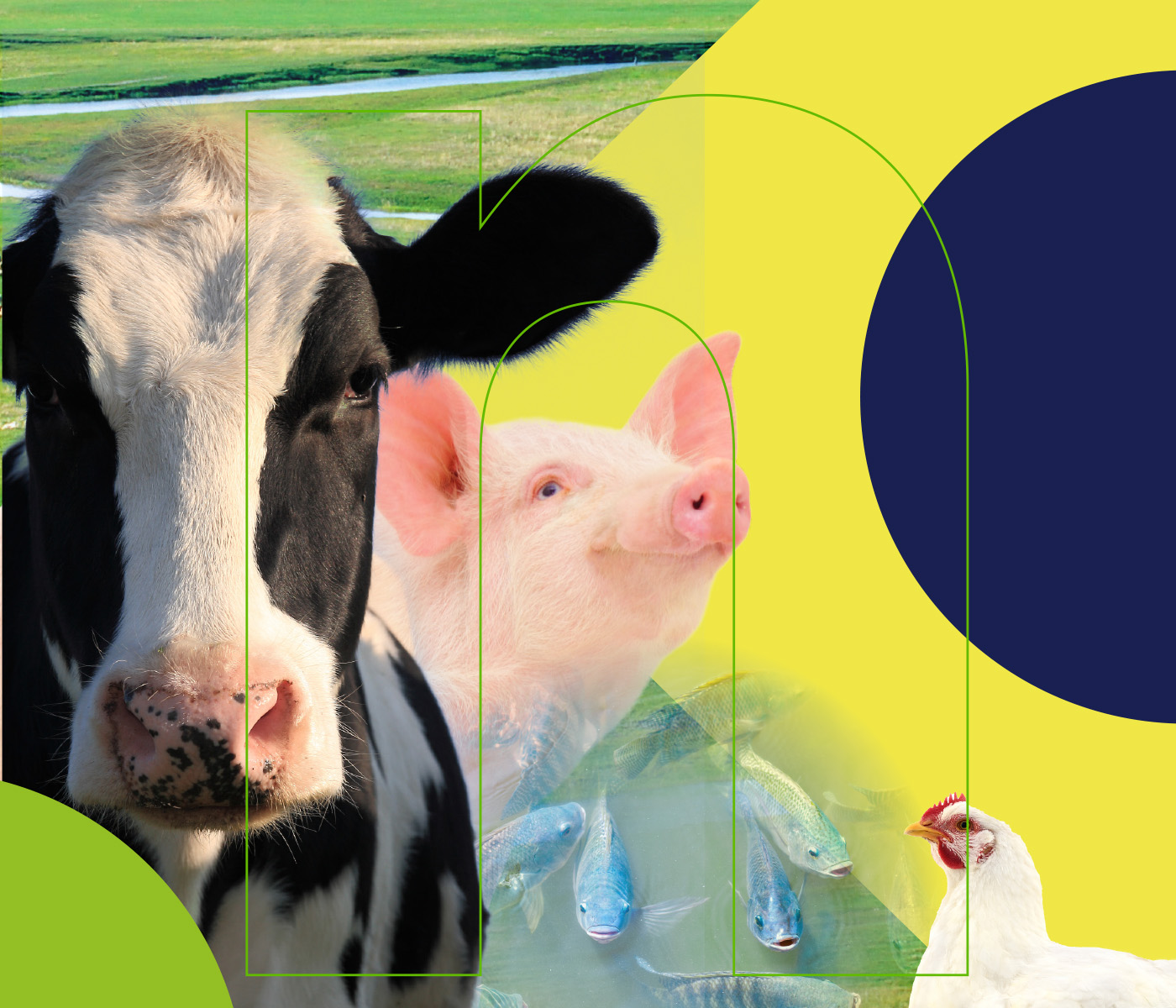
These results position polyherbal products as highly effective multi-species nutritional tools.
Polyherbal alternatives deliver not only replacement value, but measurable performance improvements across animal production systems.
Because plant-based additives can face contamination risks, strict quality control is essential. Reliable products should include certifications such as:
Proper sanitization methods such as gamma irradiation and organic acid treatments help ensure microbiological safety without compromising product quality. Natu-B4™ is FAMI-QS and ISO certified and approved for use in organic feed.
Certification and sanitization are critical when evaluating the safety and reliability of polyherbal feed additives.
Polyherbal products are becoming the most comprehensive and cost-effective replacement for traditional choline chloride in modern animal nutrition.
They improve metabolic outcomes, reduce chloride intake, protect feed stability, and offer stronger sustainability and economic returns for both producers and feed manufacturers.
Final conclusion:
Moving beyond traditional choline chloride means better feed stability, stronger metabolic performance, and smarter long-term nutrition strategies for modern livestock production.
MORE CONTENTS Nuproxa international