 13 Oct 2022
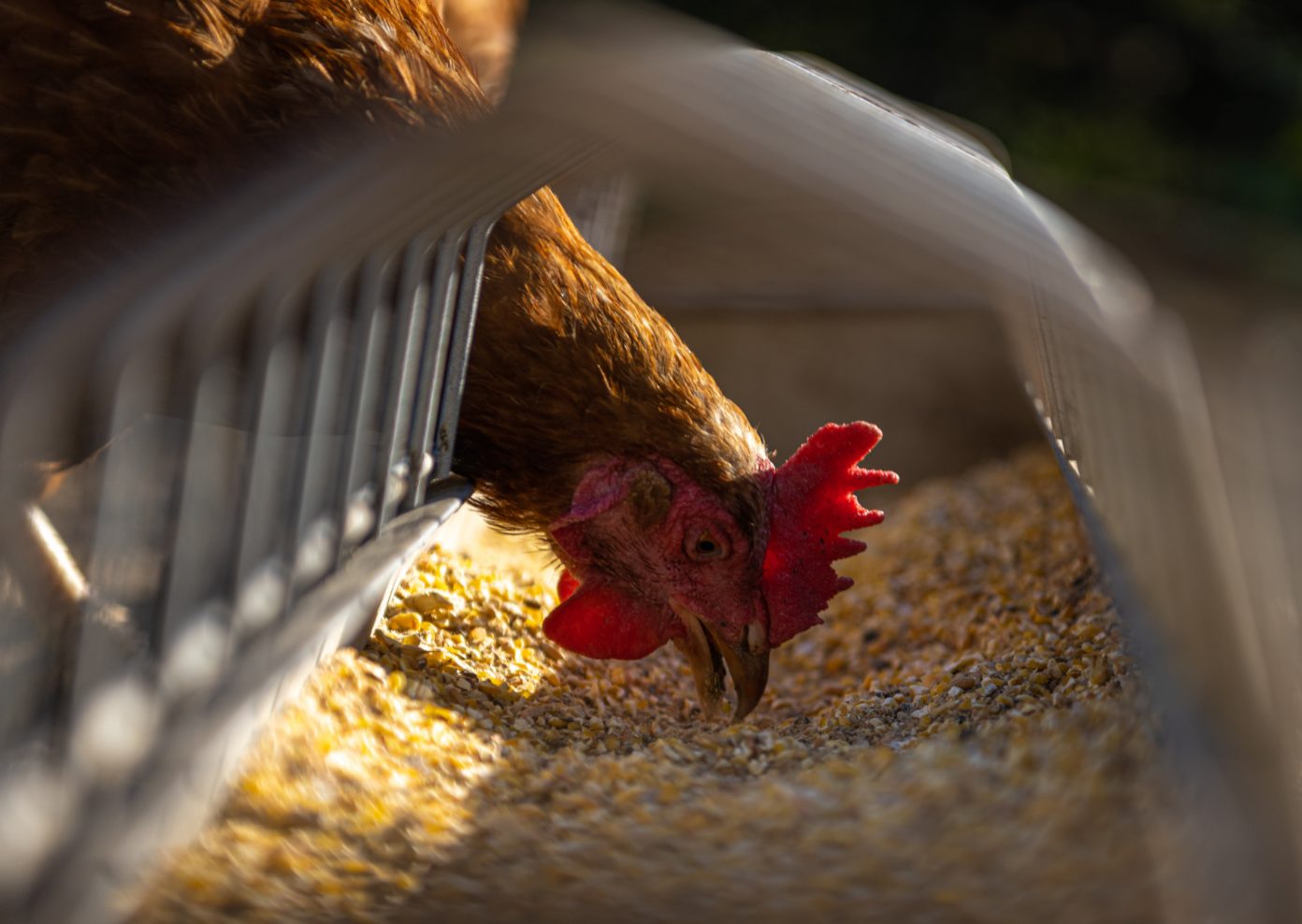
Oils are commonly used as energy sources in laying hen diets, exerting multiple effects such as:
When compared with broiler diets, the amount of oil that is added in laying hen diets is low. This is due to the fact that laying hens find themselves in a unique physiological state and are more likely to suffer from lipid metabolism disorders.
 Therefore, the type of oil to be included as well as its appropriate proportion are particularly important for the productive performance, lipid metabolism and egg quality of laying hens.


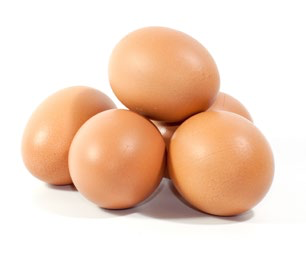
The lipids found in the egg yolk are mainly derived from dietary oils and therefore these play a crucial role in laying hens’ productive performance and egg quality.
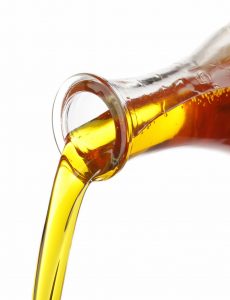
The main types of oils used in laying hen diets are from plant and animal origin.

Vegetable oils commonly used in poultry feed are rich in unsaturated fatty acids (UFAs). These are important for the growth and development of laying hens. This is especially true for linolenic acid and linoleic acid, which are essential fatty acids (EFAs).

Linolenic acid deficiency hinders development and reduces production yield, while linoleic acid is deposited directly into the egg yolk and thus increases the weight of the egg through an increase in yolk weight(Kostik et al. , 2015).
Source: Zhouyang Gao y col., 2021
Subscribe now to the technical magazine of animal nutrition
AUTHORS
From 2025 Data to 2026 Decisions: Managing Mycotoxin Risk in a Changing Climate
Alterion® NE Celebrates 10 Years of Poultry Gut Health Innovation
The Science Behind Kolin Plus: Beyond Choline Replacement
Summer Infertility in Sows: Managing Heat Stress and Reproductive Performance
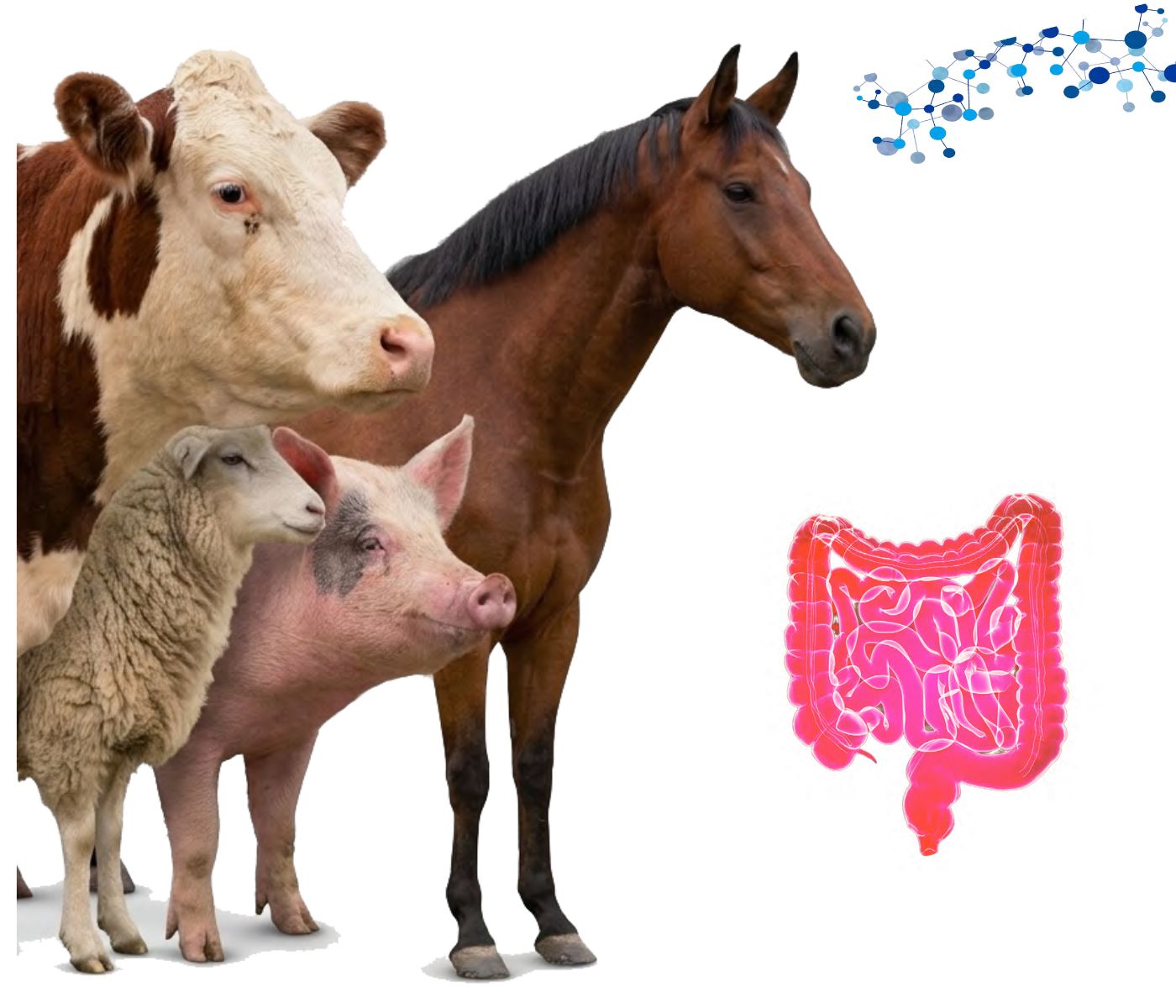
AO-Biotics® Amaferm®: Supporting Livestock Digestion and Performance

Interview with Güner Gövenç
Güner Gövenç,
Net Energy and Precision Feeding Shape the Future of Poultry Nutrition
Edgar Oviedo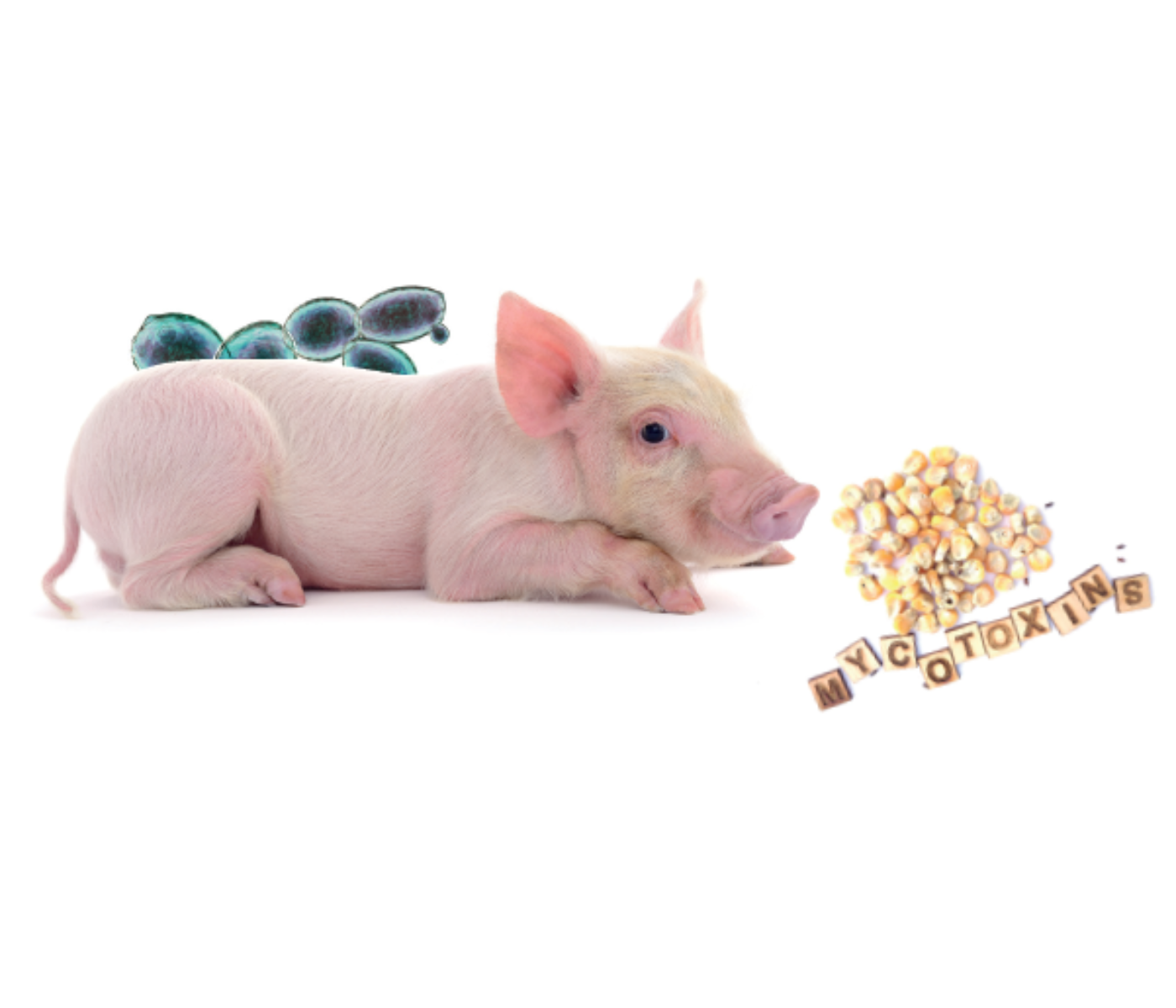
Mycotoxins in Swine: Health Risks and Nutritional Solutions
Giuseppe Carcò
Mycotoxins and Piglet Ear Necrosis: Cause, Cofactor or Coincidence?
Alberto Morillo
How Mycotoxins Affect Intestinal Health in Pigs and Poultry
Marcos Rostagno
From Antibiotics to Functional Feeds in Aquaculture
Babatunde Saliu
Peas as an Alternative to Soybean Meal in Beef Cattle Finishing Diets
Daniel Villalba Mata,
Improving Egg Yolk Pigmentation Through Better Nutrient Transport

Aquaculture and Aquaponics Nutrition: How Fish Shape the Growth of Greens
Trenton Corby
Consistency in Soybean Meal Drives Performance and Sustainability