



The future of pet food innovation depends not only on discovering new functional ingredients but also on successfully translating scientific research into products that are safe, palatable, stable, scalable, and economically viable.
 16 Jul 2026
Functional nutrition, sustainable ingredients, precision feeding, and novel technologies are transforming the global pet food industry. Yet bringing scientific discoveries from the laboratory to commercially successful products remains one of the sector’s greatest challenges.
The global pet food market is undergoing one of its most significant periods of innovation. Driven by the continued humanization of companion animals, today’s pet owners increasingly expect foods that not only meet nutritional requirements but also actively promote health, longevity, and wellbeing. Similar to trends observed in human nutrition, demand is growing for products that incorporate functional ingredients, personalized nutrition, sustainable sourcing, and scientifically validated health benefits.
However, despite remarkable scientific advances, successfully translating research into commercially viable pet foods remains a complex process. A recent review published in Animals examined hundreds of scientific publications, patent applications, and global product launches, concluding that while innovation is accelerating rapidly, many promising technologies still struggle to reach widespread commercial adoption.
The future of pet food innovation depends not only on discovering new functional ingredients but also on successfully translating scientific research into products that are safe, palatable, stable, scalable, and economically viable.


One of the strongest trends identified by researchers is the industry’s growing emphasis on functional nutrition. Rather than simply supplying essential nutrients, modern pet foods are increasingly formulated to support specific physiological functions and improve long-term health outcomes.
Current research is heavily focused on diets designed to support:
This shift reflects changing consumer expectations, with pet owners increasingly viewing nutrition as a preventative healthcare strategy rather than simply a source of daily calories.


Functional health has become the dominant driver of research, patent activity, and new product development across the global pet food industry.
Among all functional nutrition areas, gastrointestinal health continues to receive the greatest scientific attention. A balanced intestinal microbiome is increasingly recognized as fundamental not only for digestion but also for immune regulation, nutrient utilization, and overall wellbeing.
Traditional probiotics and prebiotics remain widely used, but researchers are now paying increasing attention to postbiotics—non-living microbial cells and their beneficial metabolites.
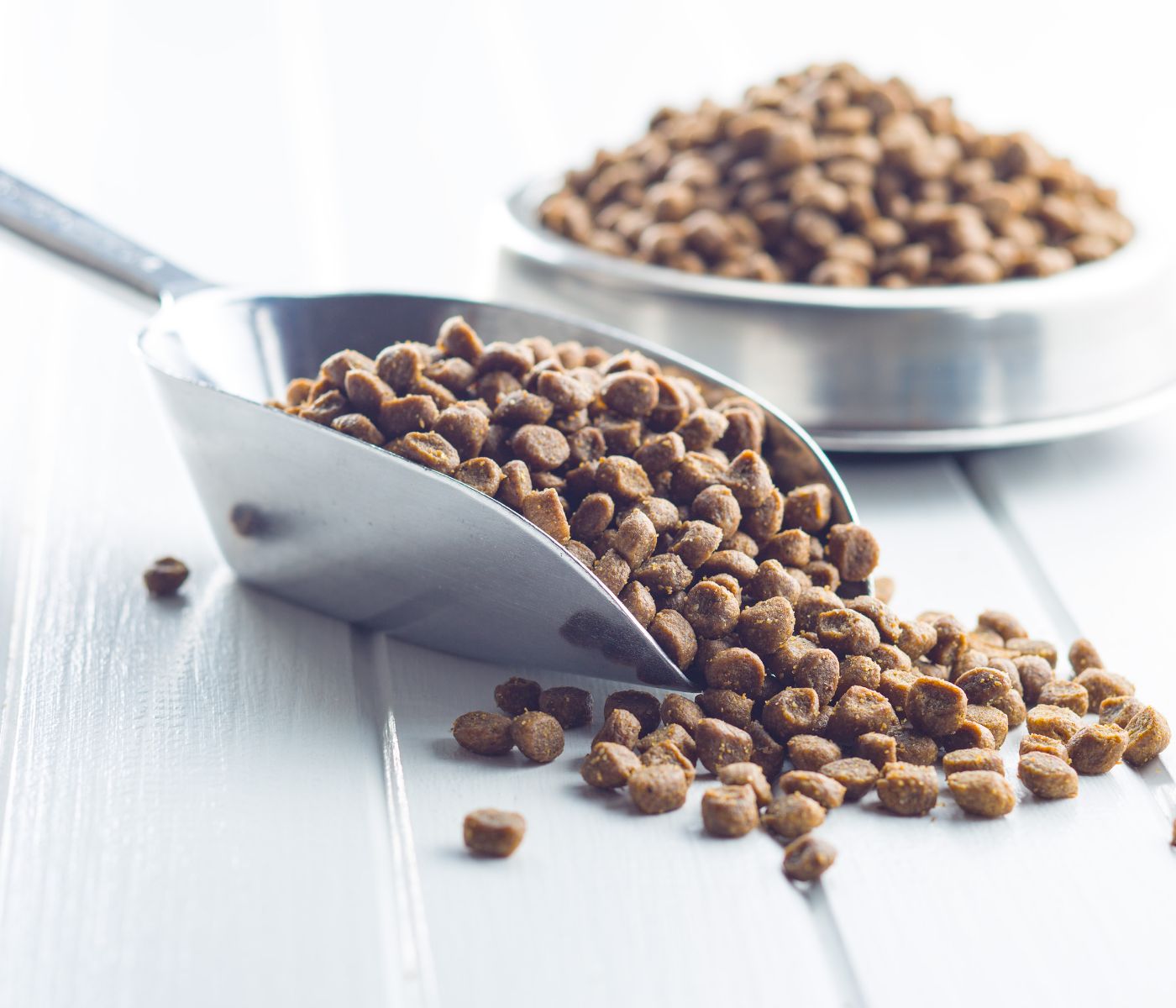
Unlike live probiotic bacteria, postbiotics are considerably more resistant to the high temperatures and mechanical stress associated with commercial pet food extrusion. This improved stability allows manufacturers to incorporate microbiome-supporting technologies into dry pet foods with greater confidence that biological activity will be preserved throughout manufacturing and storage.
Postbiotics may represent one of the most promising technological advances in pet nutrition because they combine microbiome-supporting benefits with superior manufacturing stability.
Sustainability has become another major driver of pet food innovation. Manufacturers are increasingly seeking ingredients that reduce environmental impact while maintaining nutritional quality and consumer confidence.
Growing interest surrounds the use of:
These ingredients offer opportunities to reduce reliance on conventional animal proteins while lowering greenhouse gas emissions and improving resource efficiency.
Despite strong scientific support, commercialization remains challenging. Large-scale production, regulatory approval, manufacturing consistency, and pet acceptance continue to limit broader adoption.
The greatest obstacle for many sustainable ingredients is no longer nutritional value—it is achieving reliable large-scale production while maintaining consumer and pet acceptance.
Precision nutrition represents another rapidly expanding research area. Scientists are increasingly exploring the use of artificial intelligence, machine learning, predictive modeling, and digital nutrition platforms to optimize formulations and predict health outcomes.
Although personalized nutrition has become common in human healthcare, truly individualized pet diets remain relatively rare in commercial markets. Most current “precision nutrition” products are still designed around:
Researchers suggest that fully personalized AI-driven nutrition faces important barriers, including data privacy, implementation costs, regulatory oversight, and the complexity of collecting individualized health information.
Artificial intelligence is already transforming research and product development, but truly individualized commercial pet nutrition remains an emerging opportunity rather than today’s market reality.
Even the most scientifically advanced formulation has little commercial value if pets refuse to eat it. Consequently, palatability remains one of the industry’s most critical areas of innovation.
Novel proteins and functional compounds often introduce flavors or aromas that reduce acceptance. Manufacturers therefore invest heavily in:
These technologies are especially important in rapidly growing product categories such as functional treats and wet cat foods, where repeated purchase depends heavily on both owner perception and animal preference.
Packaging has become an increasingly important component of product innovation. Many functional ingredients—including omega-3 fatty acids, probiotics, botanical extracts, and antioxidants—are sensitive to oxygen, moisture, and light.
Modern high-barrier packaging technologies help preserve ingredient stability, extend shelf life, reduce oxidation, and maintain product quality throughout distribution.
Packaging is no longer simply a marketing tool—it has become an essential technology for protecting functional ingredients and ensuring product stability.
The review concludes that successful pet food innovation depends on much more than identifying promising ingredients. Researchers describe a “translational gap” between scientific discovery and commercial success.
To successfully reach the market, new technologies must satisfy five essential criteria:
Manufacturers that successfully integrate these elements are likely to lead the next generation of pet food innovation, combining scientific credibility with practical commercial performance.
The future of pet nutrition will belong to companies capable of transforming promising scientific discoveries into products that are safe, effective, scalable, sustainable, and highly palatable for pets while meeting the expectations of increasingly informed consumers.

Subscribe now to the technical magazine of animal nutrition
AUTHORS

From 2025 Data to 2026 Decisions: Managing Mycotoxin Risk in a Changing Climate
Alterion® NE Celebrates 10 Years of Poultry Gut Health Innovation

The Science Behind Kolin Plus: Beyond Choline Replacement

Summer Infertility in Sows: Managing Heat Stress and Reproductive Performance
AO-Biotics® Amaferm®: Supporting Livestock Digestion and Performance

Interview with Güner Gövenç
Güner Gövenç,
Net Energy and Precision Feeding Shape the Future of Poultry Nutrition
Edgar Oviedo
Mycotoxins in Swine: Health Risks and Nutritional Solutions
Giuseppe Carcò
Mycotoxins and Piglet Ear Necrosis: Cause, Cofactor or Coincidence?
Alberto Morillo
How Mycotoxins Affect Intestinal Health in Pigs and Poultry
Marcos Rostagno
From Antibiotics to Functional Feeds in Aquaculture
Babatunde Saliu
Peas as an Alternative to Soybean Meal in Beef Cattle Finishing Diets
Daniel Villalba Mata,
Improving Egg Yolk Pigmentation Through Better Nutrient Transport

Aquaculture and Aquaponics Nutrition: How Fish Shape the Growth of Greens
Trenton Corby
Consistency in Soybean Meal Drives Performance and Sustainability