 28 Oct 2022
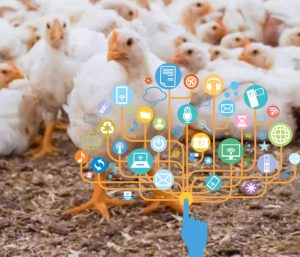
As a response to new challenges within livestock production, the development of new technologies has gained momentum. Among these development, Precision Livestock Farming (PLF) represents a very valuable tool to meet growing productive demands.
A changing world with higher demands
One of the biggest challenges facing society today is finding sustainable ways in which to feed the growing human population. This demographic growth is expected to reach approximately 9.7 billion people by 2050. This challenge is even greater, when trying to achieve this while minimizing environmental impacts, ensuring human health (FAO, 2018), and addressing public concerns over animal welfare (European Commission, 2016).
Increased demands for animal products due to demographic and dietary changes pose a signficant challenge when it comes to solving growing concerns related to:


Meeting these challenges is not as easy task. Even more so when global meat production is expected to double by 2050. This increase in production can be achieved through a combination of: larger animal populations and increased productivity. Which is especially true for the poultry and pig sectors(Gilbert et al., 2015).
Although it is not possible to predict precisely what agriculture will look like in 2050 factors like:
will have a significante influence on such development.



FAO suggests that in a “business-as-usual” scenario, animal herds are likely to increase by 46% globally compared to 2012, with poultry numbers increasing over five-fold, three-fold for pigs, and two-fold for small and large ruminants (FAO, 2018). This increase in animal numbers could make their management more challenging, especially if, as was observed in the EU, the number of farmers continues to decrease (Eurostat, 2020).Having fewer farmers to look after larger numbers of animals may make it more difficult to address animal health and welfare challenges.

As a response to these challenges, the development of new technologies has gained momentum. Among these developments are Precision Livestock Farming (PLF) technologies, which are designed to support farmers in livestock management by monitoring and controlling animal productivity, environmental impacts, as well as health and welfare parameters in a continuous, real-time and automated manner (Berckmans, 2014).
For example, researchers at KU Leuven in Belgium have developed a microphone and algorithm system using sound monitoring and analyzing technology that can identify the sound of a pig coughing as distinct from all other noises. Another example is the early detection of lameness through video analysis. As an early warning system, farmers and veterinarians can intervene sooner, reduce the animal’s risk of suffering from a severe and prolonged illness, and reduce the eventual use of antibiotics, hence responding to antimicrobial resistance.
A variety of systems using technologies such as sensors, cameras or microphones can directly alert farmers via connected devices (e.g., phones, computers, or tablets) about detected anomalies, thus allowing farmers to intervene at an early stage. Research is pointing toward the great potential for these “smart technologies” to help livestock farmers in monitoring the welfare of their animals and several countries are already investing in their development, reflecting their potential to be part of strategies to move toward sustainable agriculture (Rose and Chilvers, 2018; Norton et al., 2019).

This entry will be continued on a subsequent publication…..
Source: Abstract taken from “Exploring the Potential of Precision Livestock Farming Technologies to Help Address Farm Animal Welfare” and “THE REAL MEANING OF PRECISION FARMING”
Subscribe now to the technical magazine of animal nutrition
AUTHORS
From 2025 Data to 2026 Decisions: Managing Mycotoxin Risk in a Changing Climate

Alterion® NE Celebrates 10 Years of Poultry Gut Health Innovation

The Science Behind Kolin Plus: Beyond Choline Replacement

Summer Infertility in Sows: Managing Heat Stress and Reproductive Performance
AO-Biotics® Amaferm®: Supporting Livestock Digestion and Performance

Interview with Güner Gövenç
Güner Gövenç,
Net Energy and Precision Feeding Shape the Future of Poultry Nutrition
Edgar Oviedo
Mycotoxins in Swine: Health Risks and Nutritional Solutions
Giuseppe Carcò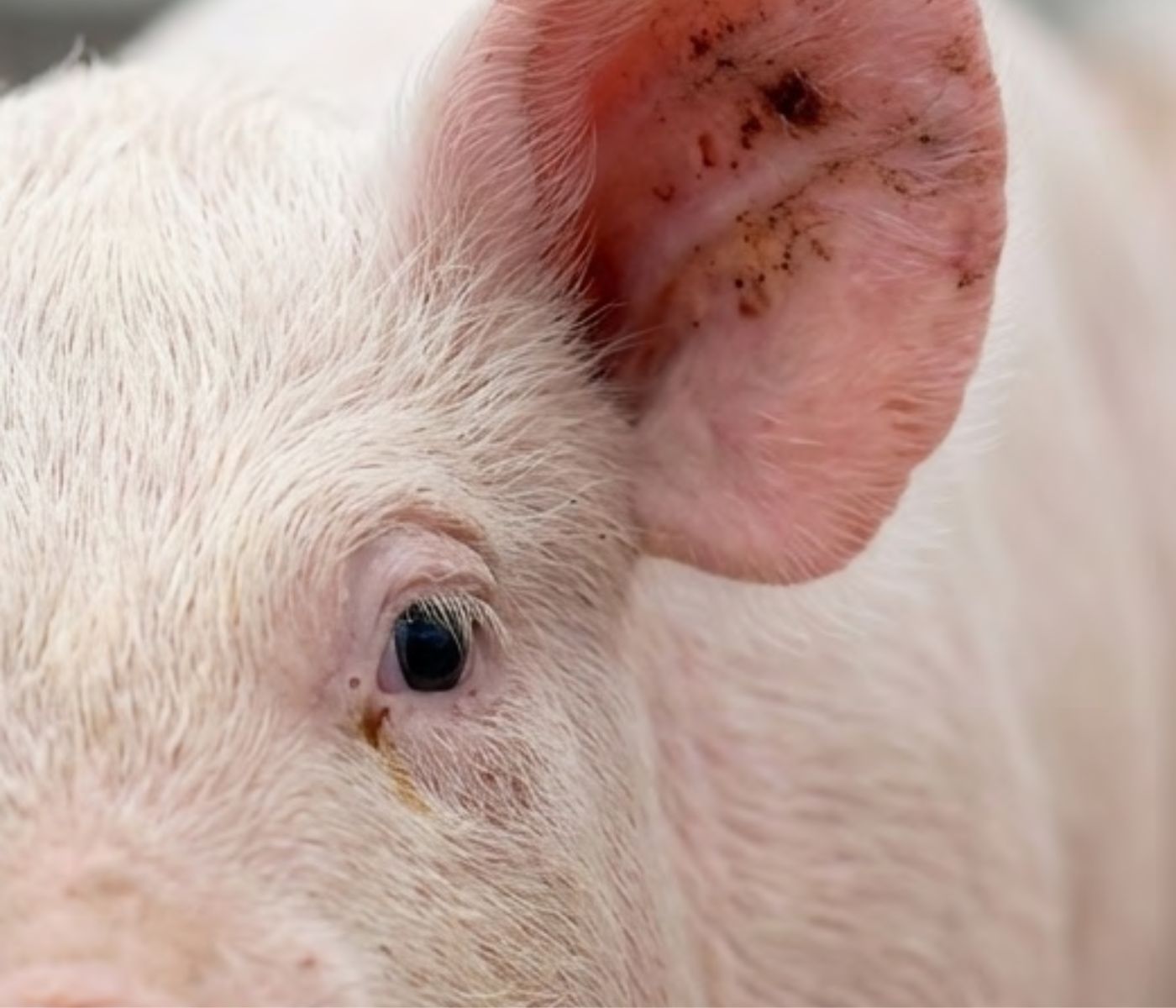
Mycotoxins and Piglet Ear Necrosis: Cause, Cofactor or Coincidence?
Alberto Morillo
How Mycotoxins Affect Intestinal Health in Pigs and Poultry
Marcos Rostagno
From Antibiotics to Functional Feeds in Aquaculture
Babatunde Saliu
Peas as an Alternative to Soybean Meal in Beef Cattle Finishing Diets
Daniel Villalba Mata,
Improving Egg Yolk Pigmentation Through Better Nutrient Transport

Aquaculture and Aquaponics Nutrition: How Fish Shape the Growth of Greens
Trenton Corby
Consistency in Soybean Meal Drives Performance and Sustainability