 06 Apr 2024
Pioneering Sustainable Feed Solutions
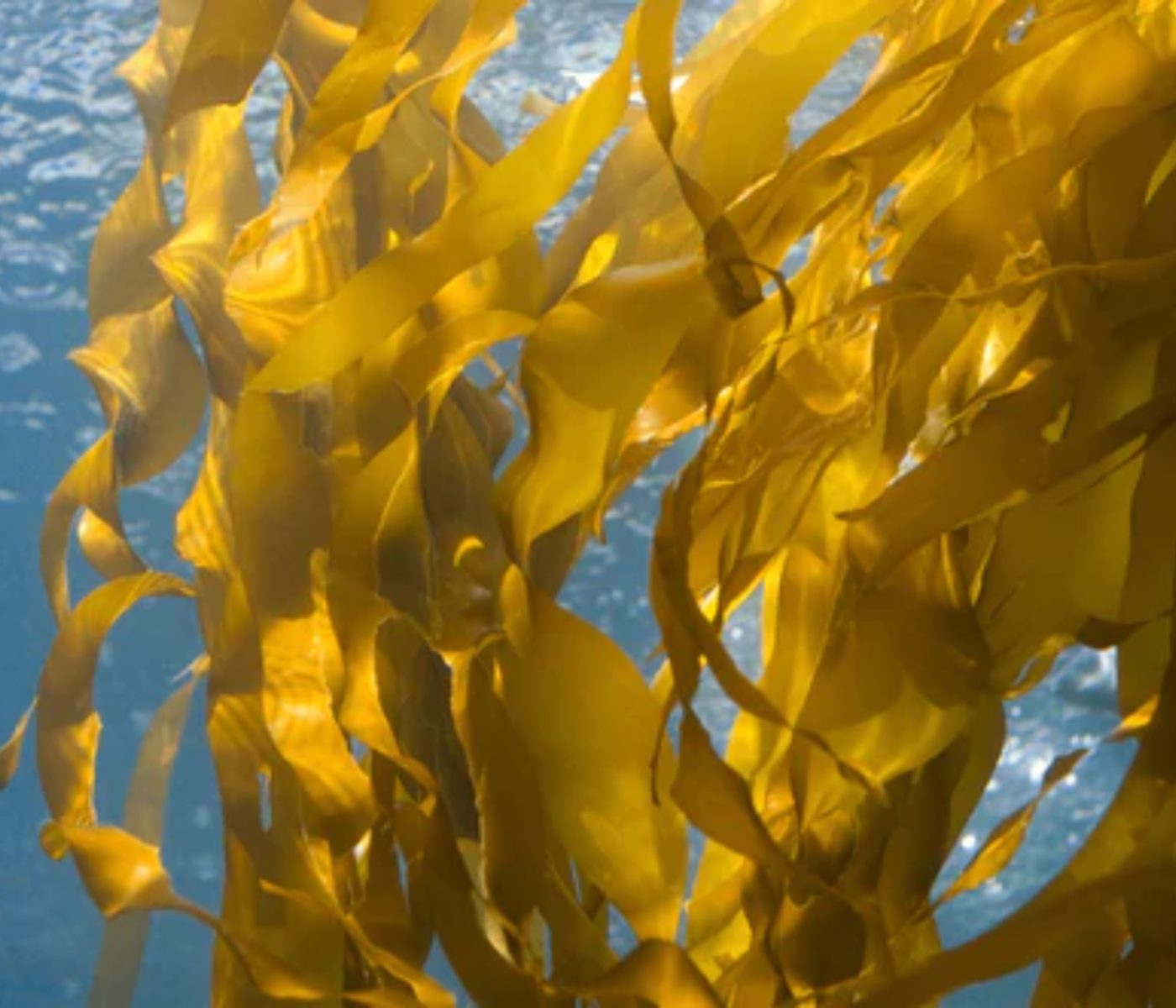
In a pioneering study originating from the University of Gothenburg, researchers unveil a transformative approach to addressing a pressing challenge in aquaculture: the production of sustainable feed. By harnessing the potential of kelp flies and marine yeast, cultivated from seafood industry by-products, this research presents a significant stride towards a more circular and eco-friendly food system.
Unveiling Promising Alternatives
Traditional aquaculture feed sources, such as fishmeal and soybeans, pose significant environmental and economic challenges. To combat this, doctoral student Niklas Warwas leads a study exploring the viability of utilizing kelp fly larvae and marine yeast as alternative feed ingredients. These novel raw materials boast over 50% high-quality proteins and abundant omega-3 fatty acids essential for fish growth and health.
Utilizing By-Products for Sustainability
A key aspect of the research lies in the utilization of by-products from the seafood industry. Marine yeast cultivation, for instance, repurposes nutrient-rich brine from herring processing—a by-product currently treated as waste. Similarly, kelp flies are raised on residual products from algae cultivation, forming a closed-loop system that maximizes resource efficiency.
Enhancing Nutritional Value and Immune Systems
Beyond their nutritional value, kelp flies and marine yeast have shown to bolster fish immune systems, offering protection against diseases—a critical aspect in sustainable aquaculture practices. The study emphasizes the potential benefits of these alternative feed sources in promoting fish health and well-being.
Promoting Circular Food Production
Central to the thesis is the investigation into circular food production models aimed at minimizing environmental and climate impacts. The minimal processing required for both marine yeast and kelp flies as feed ingredients translates to reduced energy consumption, further enhancing sustainability.
Contributing to Food Security
By reducing reliance on feed ingredients like fish meal and soybeans, which could serve as potential human food sources, aquaculture can bolster food security. Embracing alternative feed sources derived from by-products not only minimizes ecological footprints but also strengthens local food systems.
Leading the Way in Sustainable Food Production
Niklas Warwas envisions a future where Sweden leads in circular food production, utilizing by-products to create valuable resources. As global challenges loom, such as dwindling arable land and water scarcity, the adoption of resource-efficient practices becomes increasingly imperative. The study’s findings offer a pathway towards a more sustainable and resilient food industry, aligning with the growing demand for eco-friendly solutions in the face of a changing world.
You may also like to read: “Assessing M. japonica as a Solution for Methane Reduction in Beef Cattle”
Source: “Novel Marine Ingredients for Aquaculture – Fish Nutrition, Physiology and Intestinal Health”
Subscribe now to the technical magazine of animal nutrition
AUTHORS
From 2025 Data to 2026 Decisions: Managing Mycotoxin Risk in a Changing Climate
Alterion® NE Celebrates 10 Years of Poultry Gut Health Innovation
The Science Behind Kolin Plus: Beyond Choline Replacement
Summer Infertility in Sows: Managing Heat Stress and Reproductive Performance
AO-Biotics® Amaferm®: Supporting Livestock Digestion and Performance

Interview with Güner Gövenç
Güner Gövenç,
Net Energy and Precision Feeding Shape the Future of Poultry Nutrition
Edgar Oviedo
Mycotoxins in Swine: Health Risks and Nutritional Solutions
Giuseppe Carcò
Mycotoxins and Piglet Ear Necrosis: Cause, Cofactor or Coincidence?
Alberto Morillo
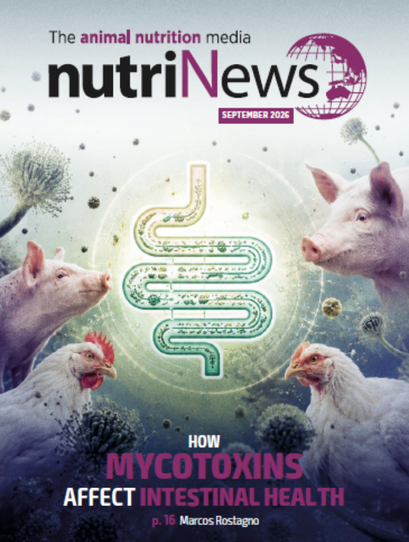
How Mycotoxins Affect Intestinal Health in Pigs and Poultry
Marcos Rostagno
From Antibiotics to Functional Feeds in Aquaculture
Babatunde Saliu
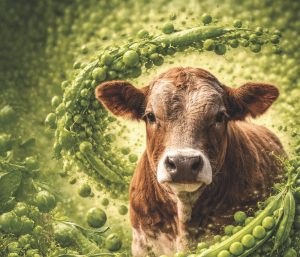
Peas as an Alternative to Soybean Meal in Beef Cattle Finishing Diets
Daniel Villalba Mata,
Improving Egg Yolk Pigmentation Through Better Nutrient Transport
Aquaculture and Aquaponics Nutrition: How Fish Shape the Growth of Greens
Trenton Corby
Consistency in Soybean Meal Drives Performance and Sustainability