 18 Mar 2022
Rice by-products: their use in the feeding of weaning piglets
Pig feed accounts for approximately 60% of production costs. Therefore, some studies have been carried out with new ingredients to determine their nutritional value, biological response and the economic viability of their inclusion in diets.
Agribusiness co-products have potential for use in animal feed.
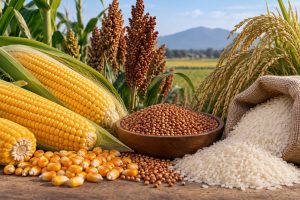
 The use of rice by-products deserves attention as it is a staple cereal for human consumption which is grown in most tropical and semi-tropical regions.

Of the total rice production, about 70% is used for human consumption while waste from the milling industry, including rice husks, rice bran, and broken rice, can be used in animal feed.
Broken rice (BR) is obtained during the sieving process. It consists of broken and malformed grains which correspond to 14% of the total grain. Broken rice has been used as a great alternative to corn in animal feed due to its similar metabolizable energy and crude protein values.(Nepomuceno et al, 2011; Che et al., 2012).
However, BR has a lower fat content and a higher starch percentage than corn (Rostagno et al., 2017) and contains a very low concentration of fiber (Che et al. , 2012).
 Some advantages of replacing corn with rice co-products relate to the low levels of mycotoxins in the grain. Due to the fact that corn tends to be affected with high contamination, predominantly with aflatoxins.
Rice and corn co-products have shown similar effects on animal yield, but rice may induce prebiotic effects and increase serum IgA concentrations, indicating a better immune response (Henderson et al., 2012).

Continue reading: “Amino Acids in Pigs: What Should We Know?”
Subscribe now to the technical magazine of animal nutrition
AUTHORS
From 2025 Data to 2026 Decisions: Managing Mycotoxin Risk in a Changing Climate
Alterion® NE Celebrates 10 Years of Poultry Gut Health Innovation
The Science Behind Kolin Plus: Beyond Choline Replacement
Summer Infertility in Sows: Managing Heat Stress and Reproductive Performance
AO-Biotics® Amaferm®: Supporting Livestock Digestion and Performance

Interview with Güner Gövenç
Güner Gövenç,
Net Energy and Precision Feeding Shape the Future of Poultry Nutrition
Edgar Oviedo
Mycotoxins in Swine: Health Risks and Nutritional Solutions
Giuseppe Carcò
Mycotoxins and Piglet Ear Necrosis: Cause, Cofactor or Coincidence?
Alberto Morillo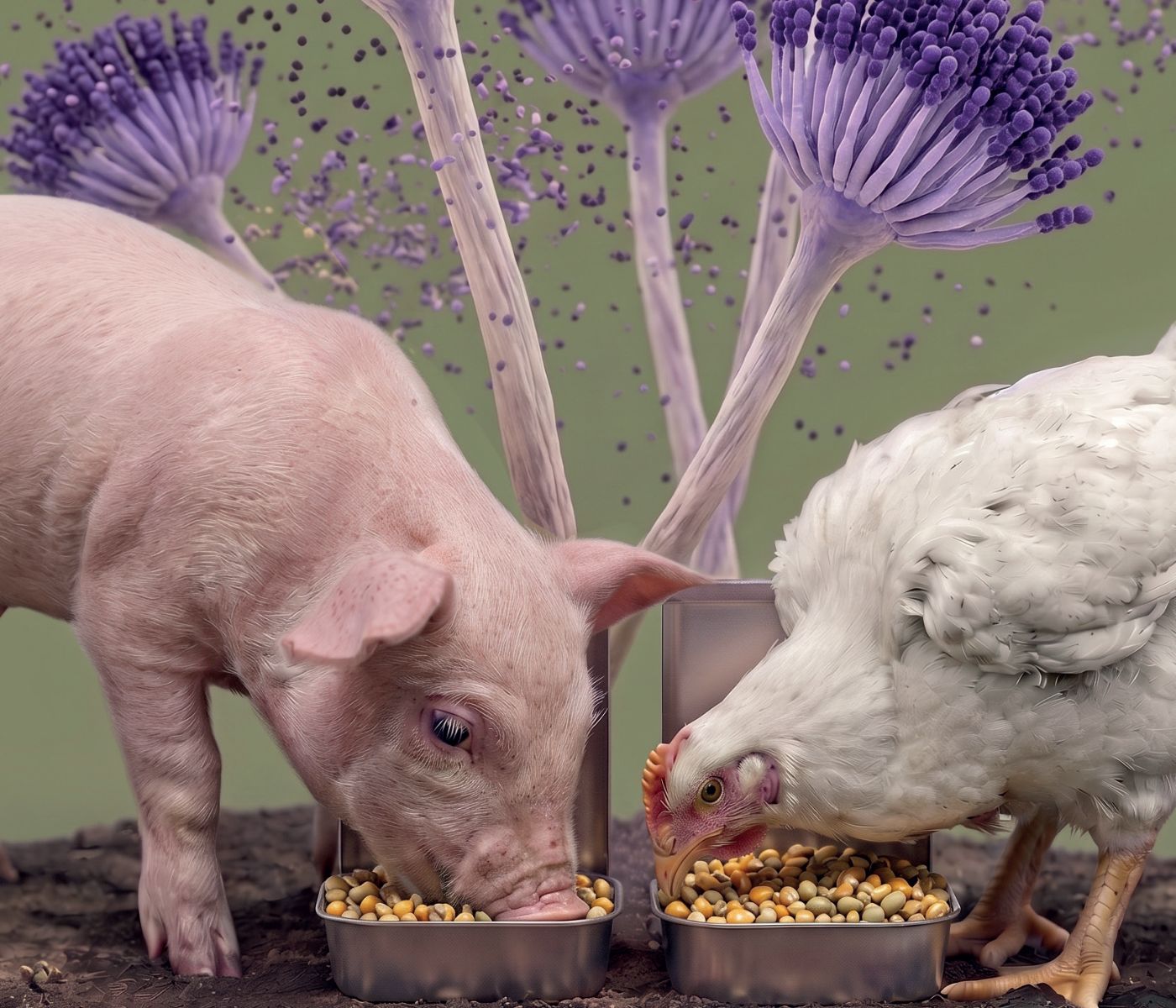
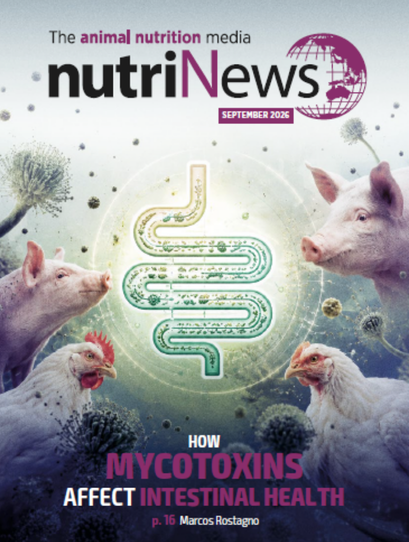
How Mycotoxins Affect Intestinal Health in Pigs and Poultry
Marcos Rostagno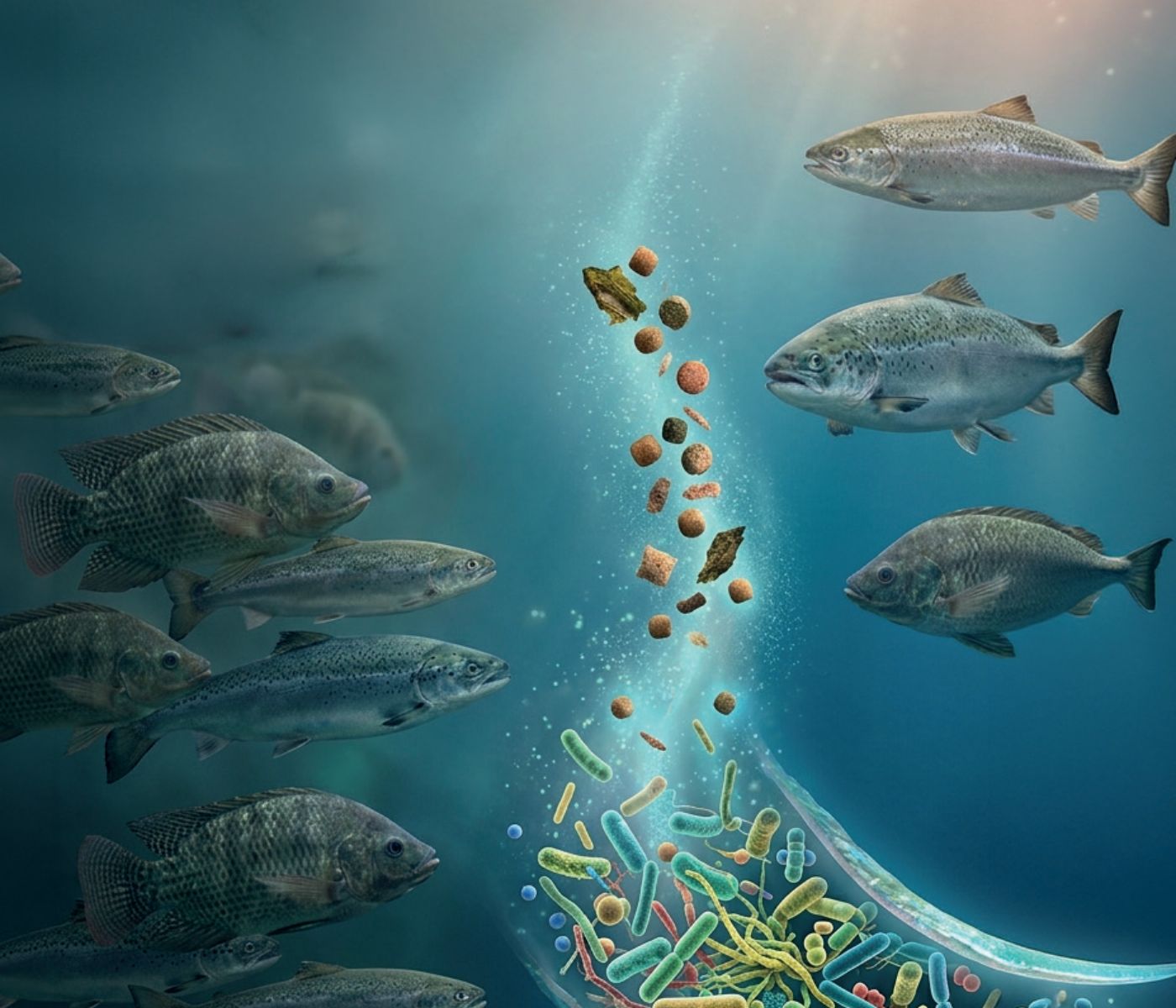
From Antibiotics to Functional Feeds in Aquaculture
Babatunde Saliu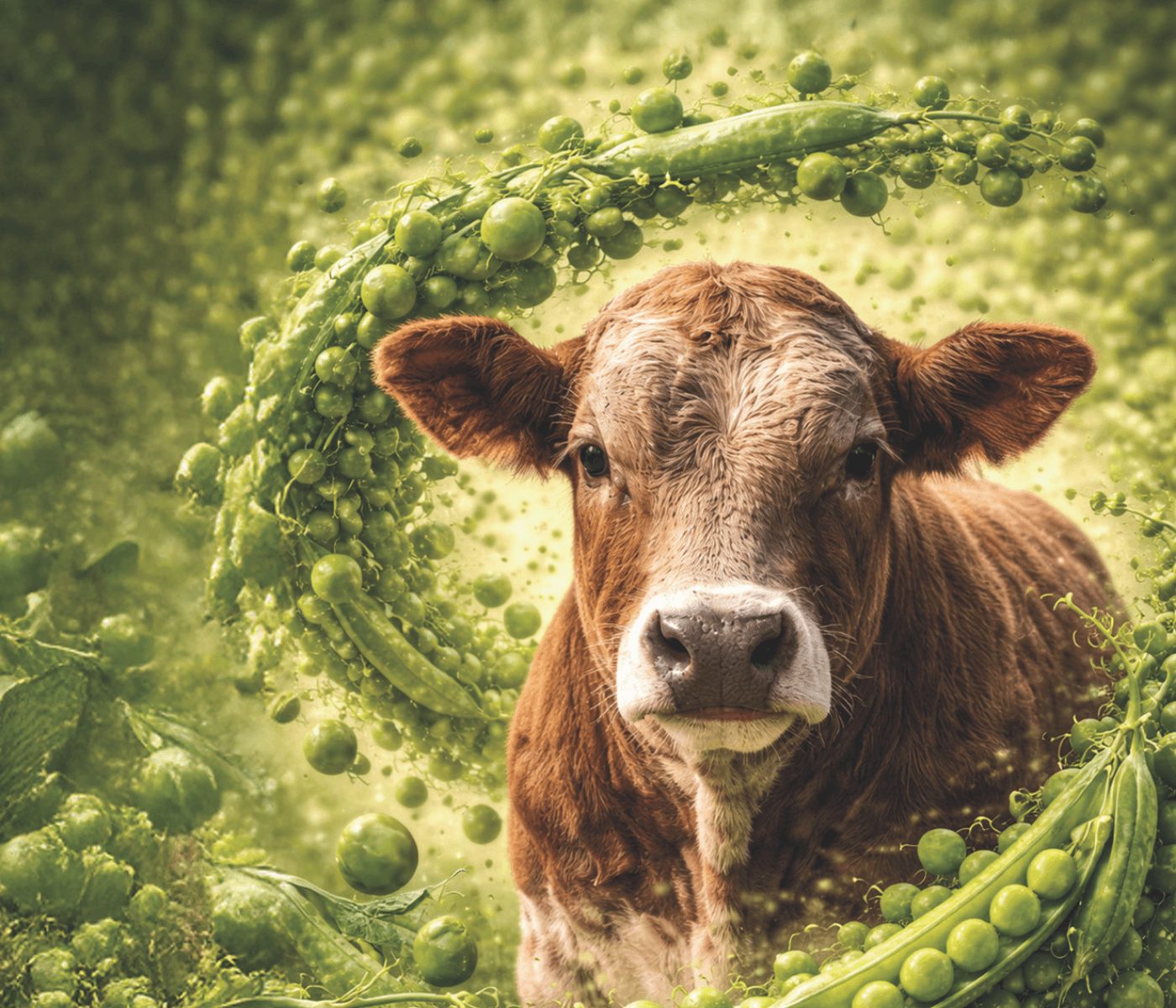
Peas as an Alternative to Soybean Meal in Beef Cattle Finishing Diets
Daniel Villalba Mata,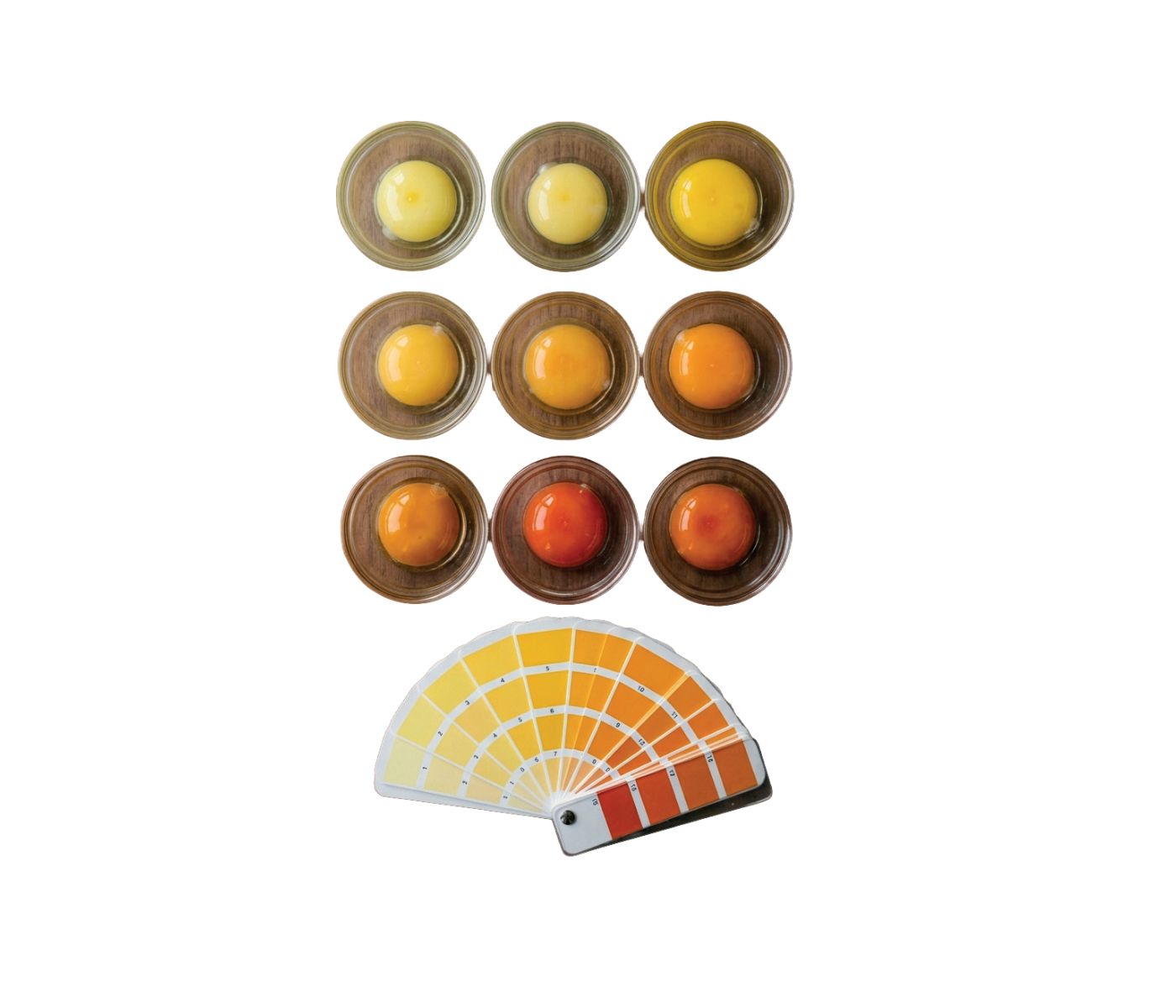
Improving Egg Yolk Pigmentation Through Better Nutrient Transport
Aquaculture and Aquaponics Nutrition: How Fish Shape the Growth of Greens
Trenton Corby
Consistency in Soybean Meal Drives Performance and Sustainability