 17 Aug 2026
Stepping into the AGP-free era: Challenges, strategies, & innovations in Southeast Asia’s swine production
Swine producers across Southeast Asia are facing increasing pressure to improve productivity while addressing evolving expectations around animal health, antimicrobial stewardship, and economic and environmental sustainability. However, the path away from antibiotic growth promoters (AGPs) differs considerably across countries, shaped by local regulations, production systems, disease challenges, and market demands.
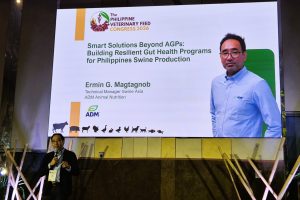
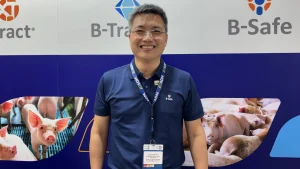
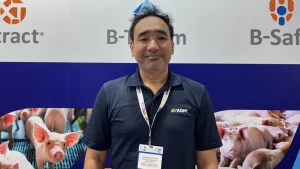
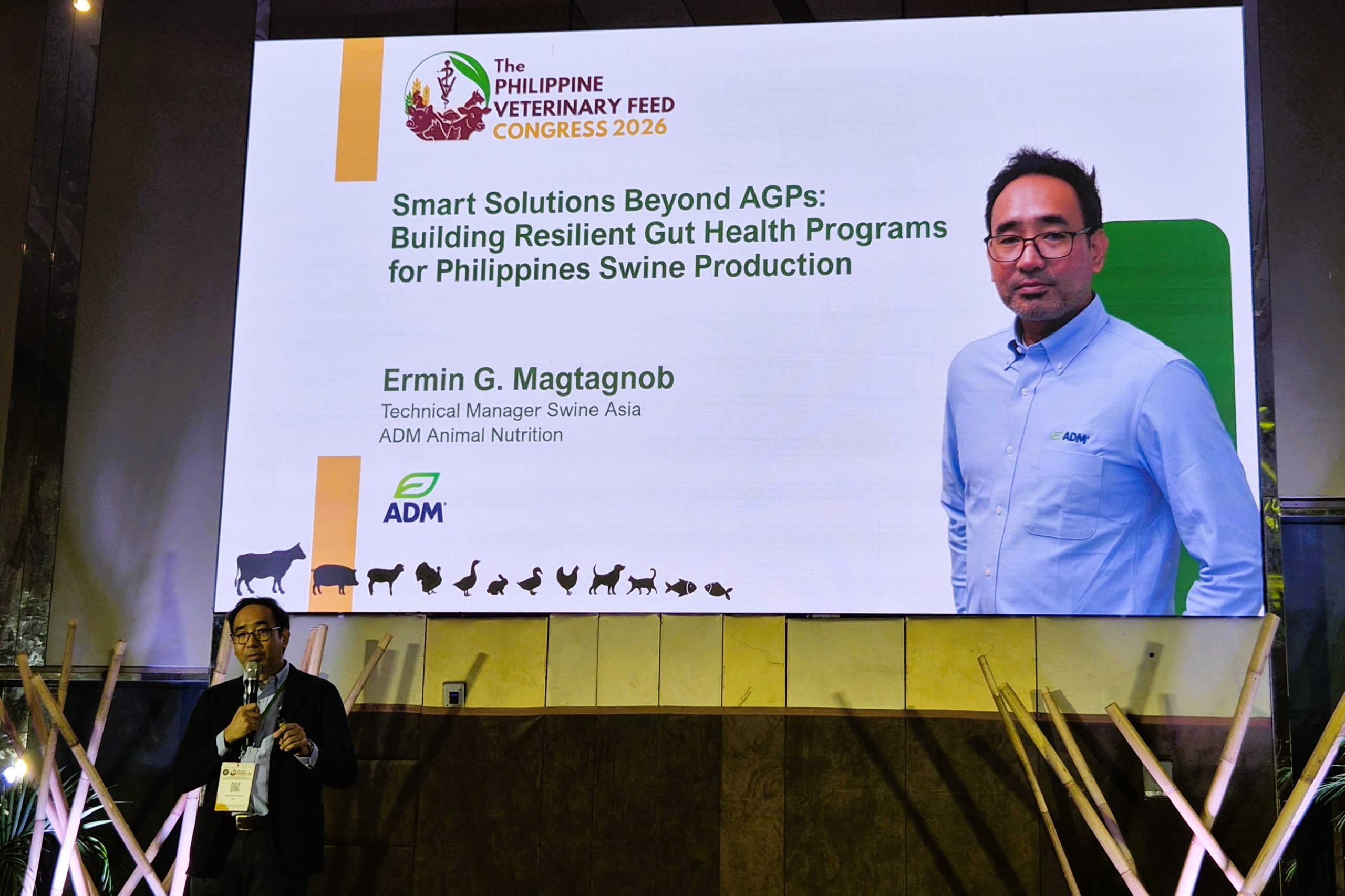
At the Veterinary Feed Congress on July 8, 2026 in Quezon City, Philippines, organized by the Philippine Veterinary Feed Practitioners Inc, nutriNews Asia spoke with Ermin Magtagnob, Technical Manager–Swine Asia at ADM Animal Nutrition, about common misconceptions surrounding AGP reduction, practical strategies to support gut health, how producers can maintain performance under diverse farming conditions.
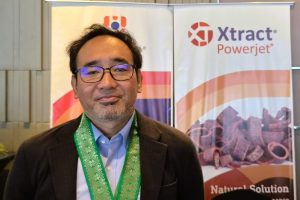
Ermin Magtagnob
One of the biggest misconceptions is thinking that removing antibiotics is just about swapping one product for another. In reality, antibiotics do several things at once — they control bacteria, reduce inflammation, and improve feed efficiency. Once they are removed, producers need to manage all those biological challenges differently.
In market such as the Philippines, producers are balancing ASF recovery, fluctuating feed costs, heat stress and feed ingredient variability while working to maintain productivity and animal health..
There’s often confusion between AGPs and therapeutic antibiotics. Removing AGPs does not mean antibiotics can no longer be used — it simply means antibiotics should be reserved for treatment, not growth promotion. Understanding that distinction is critical.
A resilient gut health program is one that continues to perform even when farms face challenges like outbreaks, heat stress, feed changes, or mycotoxins. Instead of relying on a single solution, it combines biosecurity, clean water, feed hygiene, proper nutrition, and targeted feed additives. The key is not asking what product to use, but identifying what is limiting pig performance at that moment and choosing the right targeted combination of scientifically validated feed additives and ingredients, combined with a comprehensive nutritional approach..
There is no silver bullet. What works is combining strategies such as:
Successful gut health programs depend on management fundamental first, with nutritional technologies serving as supporting tools rather than standalone solutions.
I always recommend starting with the basics:
The farms that succeed are those that transition step by step, not overnight.
ADM’s research focuses on understanding the biological factors limiting performance and developing science-based nutritional strategies to address those challenges under commercial conditions. We are researching microbiome management, gut integrity, and nutritional solutions like plant extracts, postbiotics, organic acids, and innovative mineral technologies.
The goal is to provide science-based solutions that help producers improve performance under real commercial conditions.
Globally, antimicrobial resistance and economic sustainability are shaping the industry. Consumers, especially after COVID-19, are more conscious of how food animals are raised. Regulations differ by country, but the overall direction is clear — producers need alternative ways to maintain animal health while reducing reliance on antibiotics.
We need to measure outcomes, not just perceptions. Key indicators include feed conversion ratio, average daily gain, mortality rates, medication usage, and consistency of performance. If those metrics improve and remain stable over time, that is a good sign the gut health program is working.
The future will be much more data-driven. We will see greater use of precision nutrition, microbiome analysis, biomarkers, improved water management, and digital technologies like AI sensors to detect problems earlier.
While new technologies offer opportunities, the principle remains the same:producers should continue focusing on measurable performance indicators and foundational management practices.
Backyard producers will find the transition harder, but education and support are key. At ADM, we work with feed mills and partners to share experiences from Europe and the US, and we tailor programs to local realities. Practical demonstrations help smaller farms see why gut health programs matter and how they can succeed.
The move away from AGPs is not about quick fixes — it is about reshaping production systems for resilience. By combining strong biosecurity, sound nutrition, and science-based innovations with adaptability to local farm realities, Southeast Asia’s swine producers can safeguard productivity while preparing for a more sustainable, globally aligned future.
Subscribe now to the technical magazine of animal nutrition
AUTHORS
From 2025 Data to 2026 Decisions: Managing Mycotoxin Risk in a Changing Climate
Alterion® NE Celebrates 10 Years of Poultry Gut Health Innovation

The Science Behind Kolin Plus: Beyond Choline Replacement

Summer Infertility in Sows: Managing Heat Stress and Reproductive Performance
AO-Biotics® Amaferm®: Supporting Livestock Digestion and Performance

Interview with Güner Gövenç
Güner Gövenç,
Net Energy and Precision Feeding Shape the Future of Poultry Nutrition
Edgar Oviedo
Mycotoxins in Swine: Health Risks and Nutritional Solutions
Giuseppe Carcò
Mycotoxins and Piglet Ear Necrosis: Cause, Cofactor or Coincidence?
Alberto Morillo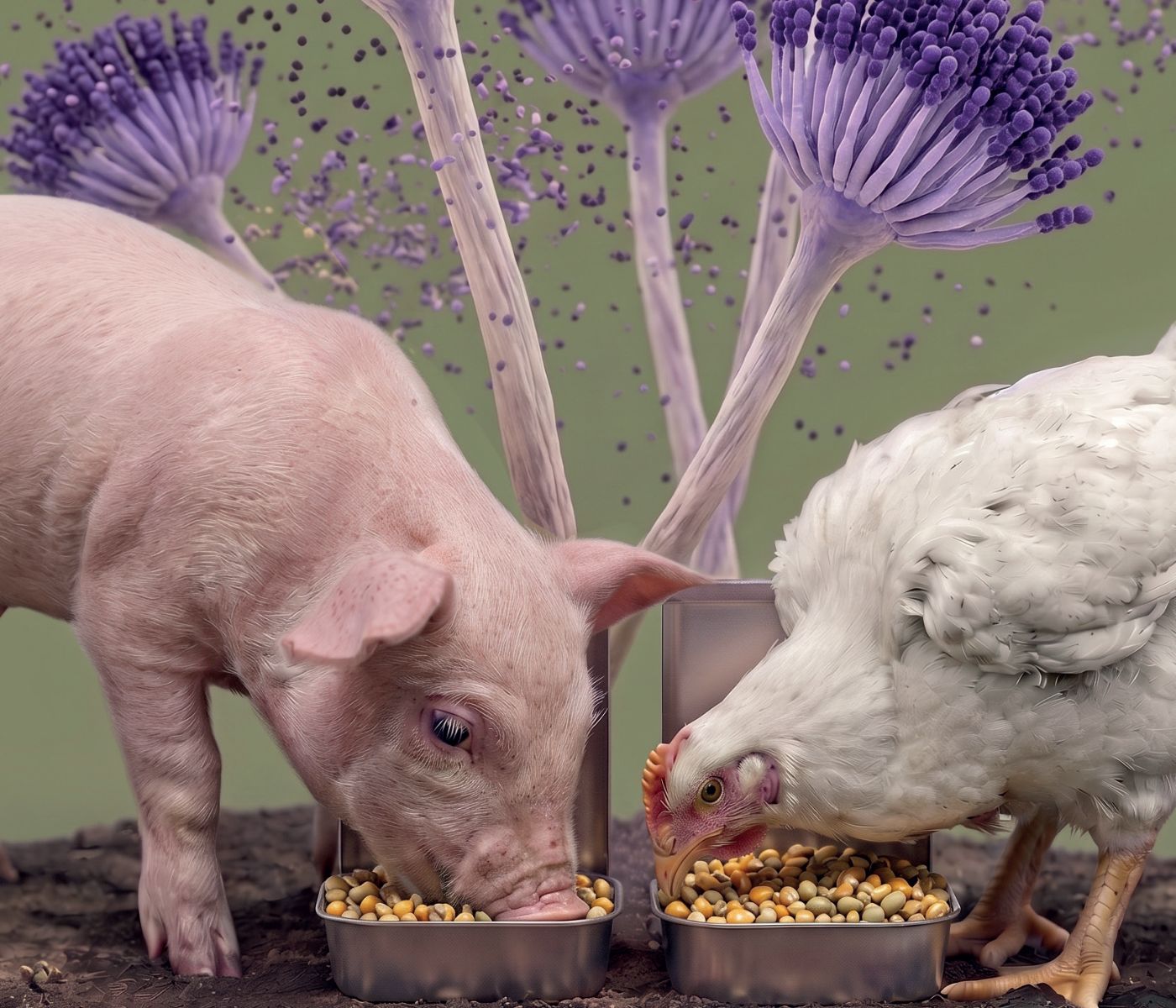
How Mycotoxins Affect Intestinal Health in Pigs and Poultry
Marcos Rostagno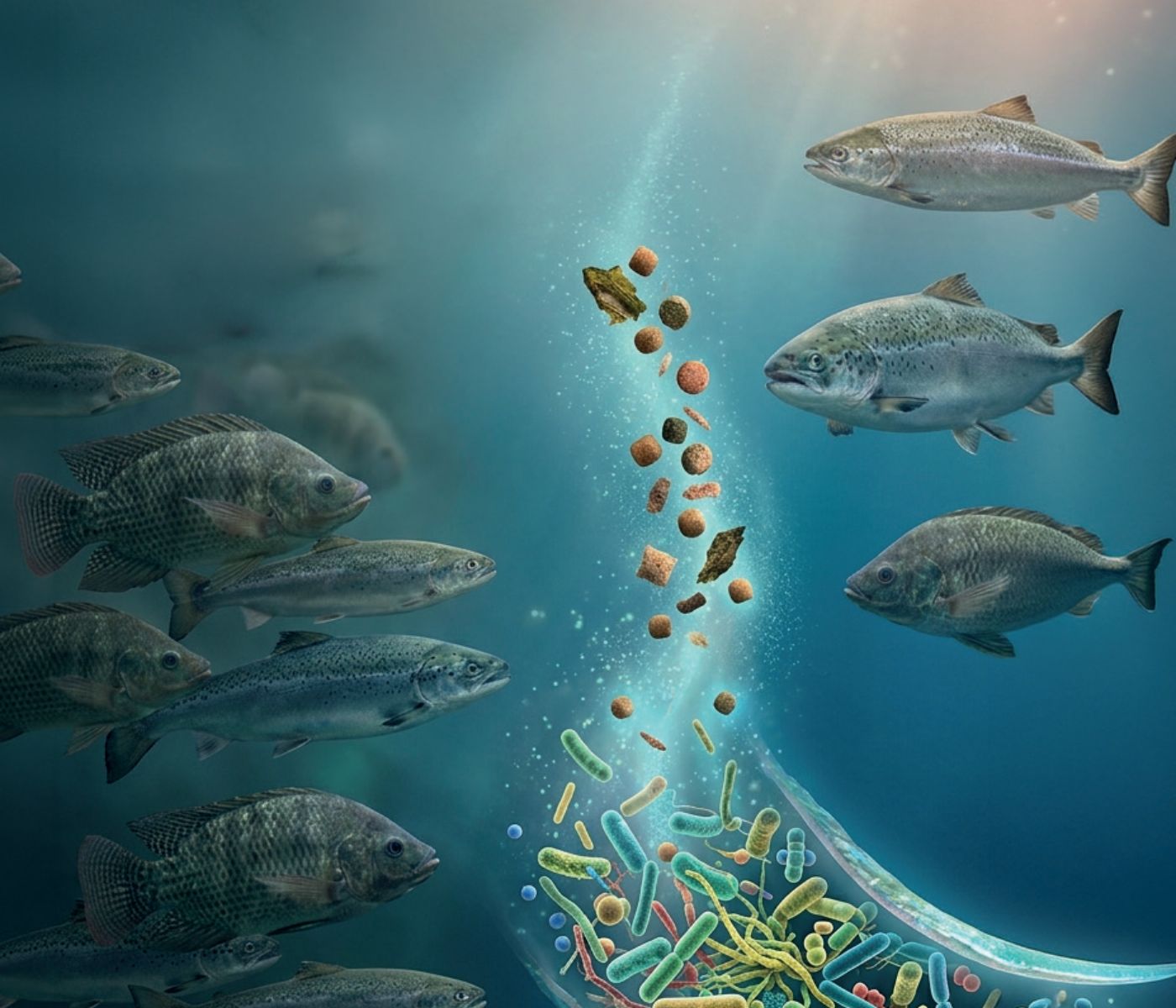
From Antibiotics to Functional Feeds in Aquaculture
Babatunde Saliu
Peas as an Alternative to Soybean Meal in Beef Cattle Finishing Diets
Daniel Villalba Mata,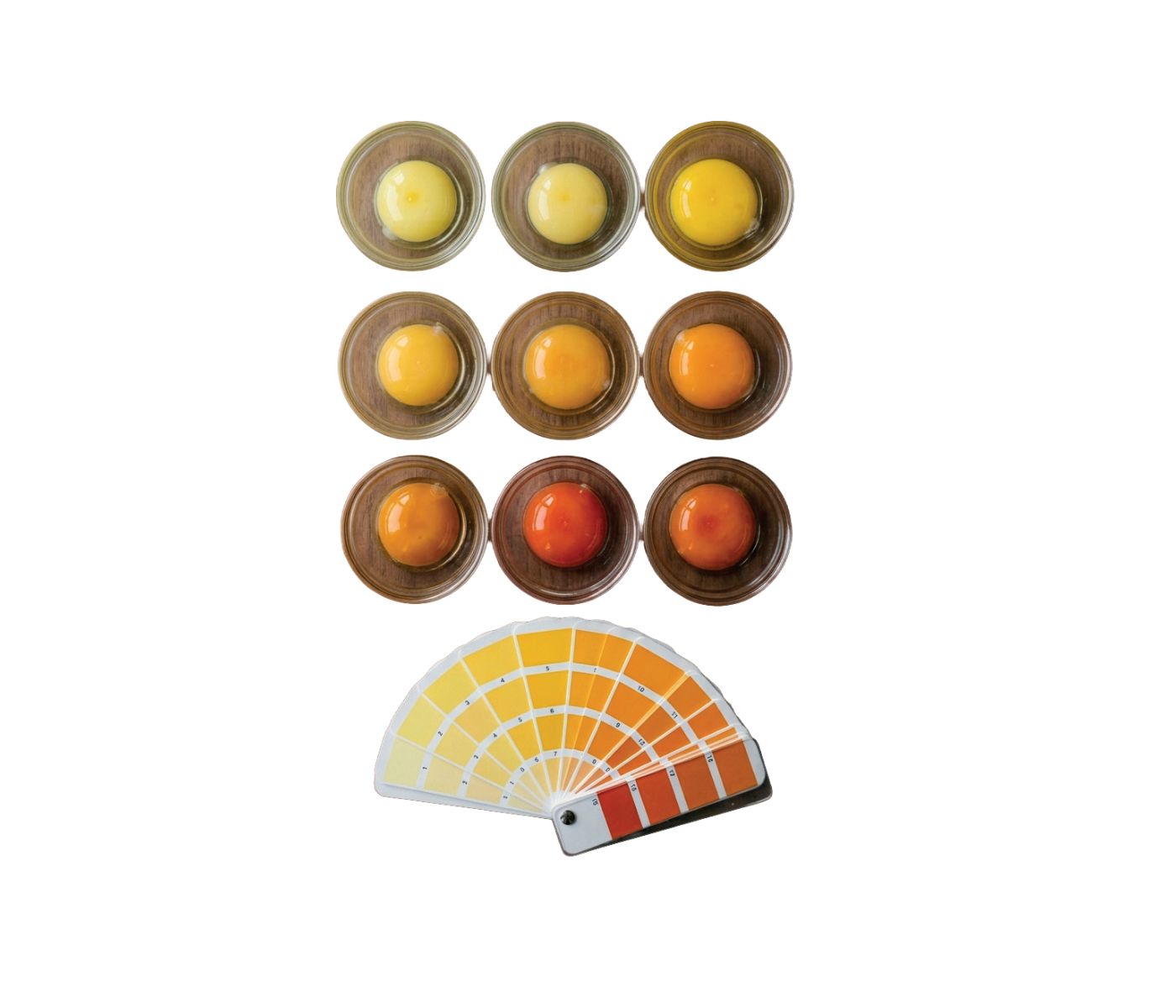
Improving Egg Yolk Pigmentation Through Better Nutrient Transport

Aquaculture and Aquaponics Nutrition: How Fish Shape the Growth of Greens
Trenton Corby
Consistency in Soybean Meal Drives Performance and Sustainability