Synergistic benefits of prebiotics and probiotics in livestock nutrition
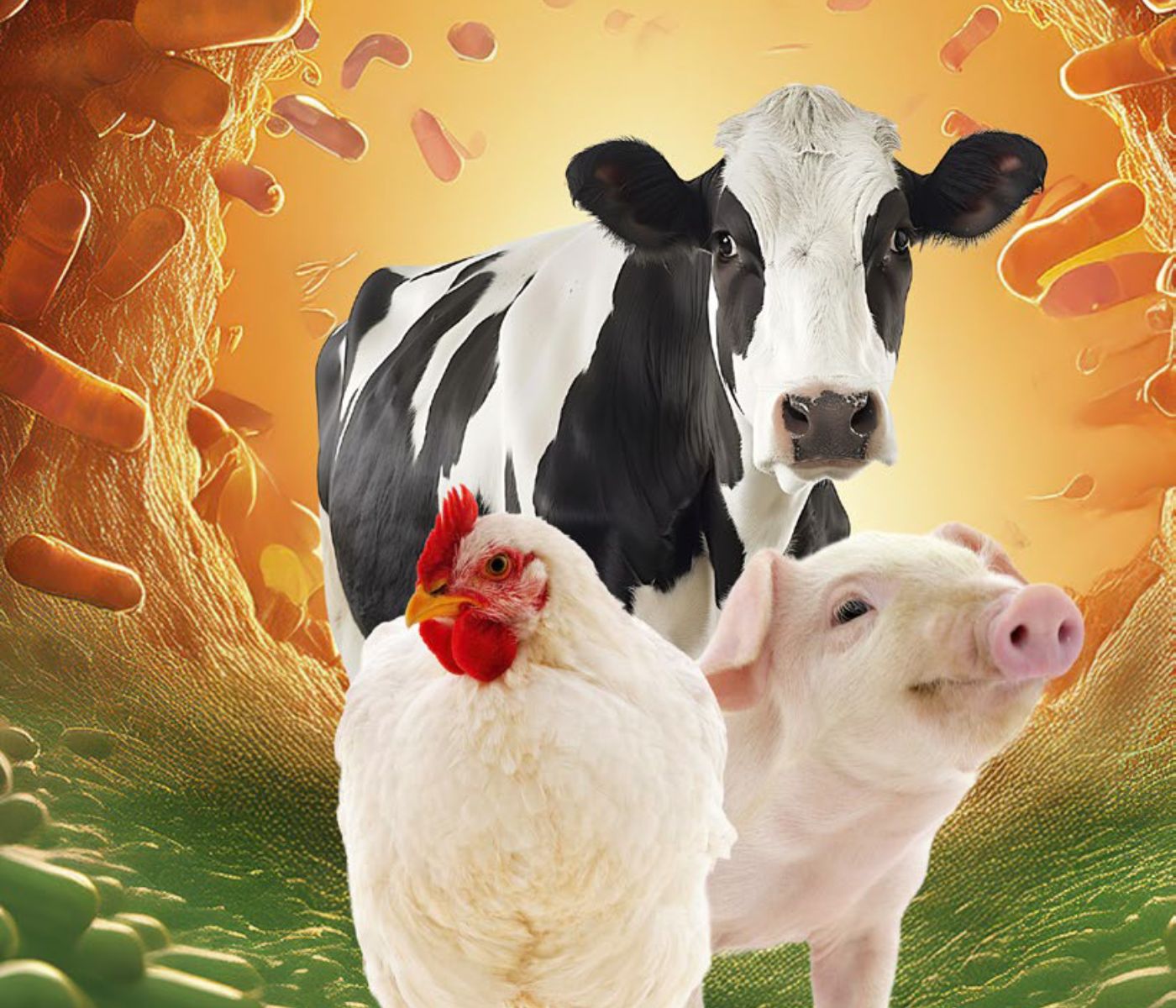
The livestock industry continues to seek sustainable strategies to improve animal health, growth performance, and production efficiency while reducing reliance on antibiotics. Among the most promising solutions are prebiotics and probiotics, functional feed additives that enhance gastrointestinal health, improve feed efficiency, and support immune function across poultry, swine, and cattle.
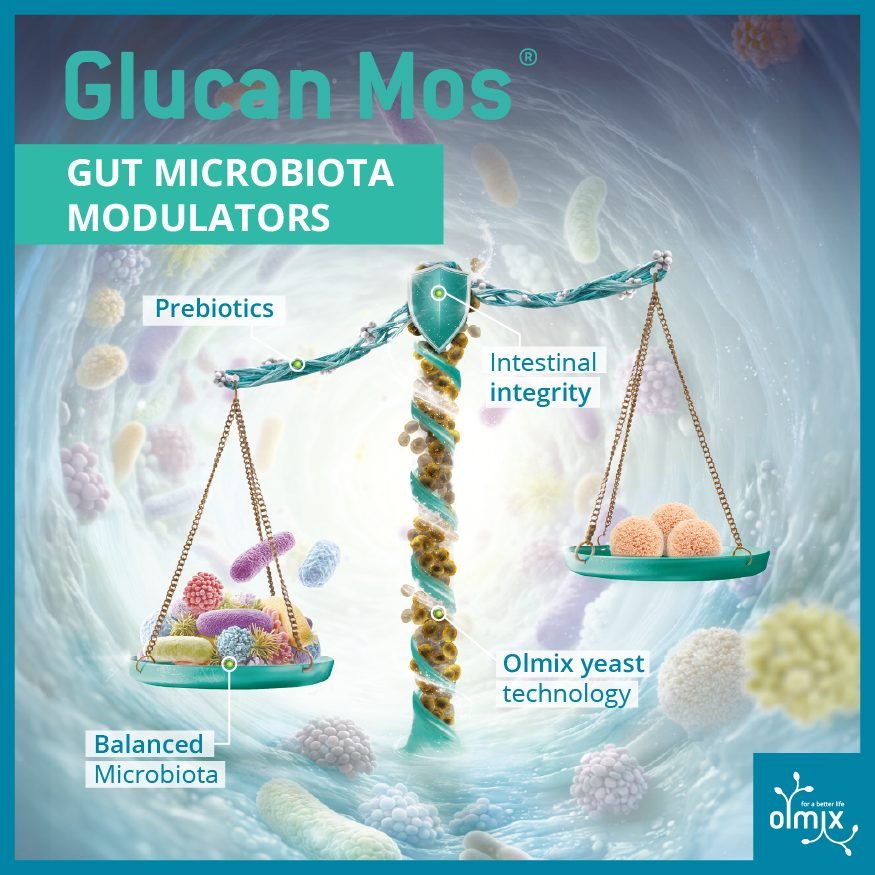
Together, these additives create a synbiotic relationship, where prebiotics nourish beneficial probiotic microorganisms, enhancing their survival and activity in the gut.
Take-home message:
Effective use of prebiotics and probiotics improves gut health, nutrient digestibility, immunity, and overall productivity while supporting antibiotic-free and sustainable livestock production.
Definitions and Mechanisms of Action
Probiotics are live microorganisms—mainly beneficial bacteria and yeasts—that provide health benefits when administered in adequate amounts. Common strains include Lactobacillus, Bifidobacterium, Bacillus, and Saccharomyces cerevisiae.
Prebiotics are non-digestible feed ingredients such as FOS, GOS, and MOS that selectively stimulate the growth and activity of beneficial intestinal microbiota.
Synbiotic effect:
Prebiotics feed probiotics, creating a stronger and more stable intestinal environment that enhances gut health and nutrient absorption.
Benefits in Poultry Production
In poultry, gut health is essential for nutrient absorption and immune defense. Probiotics such as Bacillus subtilis and Lactobacillus acidophilus help maintain balanced gut flora, inhibit pathogens like Salmonella and Clostridium perfringens, and reduce intestinal inflammation.
Prebiotics like MOS prevent pathogen adhesion to the intestinal mucosa, reducing colonization by harmful bacteria and improving intestinal stability.
Studies show improvements of 3–8% in ADG and 2–5% in FCR in broilers supplemented with prebiotics and probiotics.
These additives also improve digestive enzyme activity, SCFA production, nutrient digestibility, immune response, and resilience during heat stress, vaccination, transport, and feed transitions.
Benefits in Swine Production
Weaning is one of the most critical stress periods in piglets. Probiotics such as Enterococcus faecium and Bacillus coagulans help stabilize gut flora, reduce post-weaning diarrhea, and support epithelial barrier integrity.
Prebiotics like inulin and FOS increase beneficial bacteria such as Lactobacillus and Bifidobacterium, improving gut maturation and nutrient uptake.
Synbiotics improve villus height, nutrient transporter expression, amino acid absorption, and mineral bioavailability while reducing digestive disorders.
They also reduce harmful fermentation, lower intestinal pH, improve phytate degradation, and support better phosphorus digestibility and lean growth.
Benefits in Cattle Production
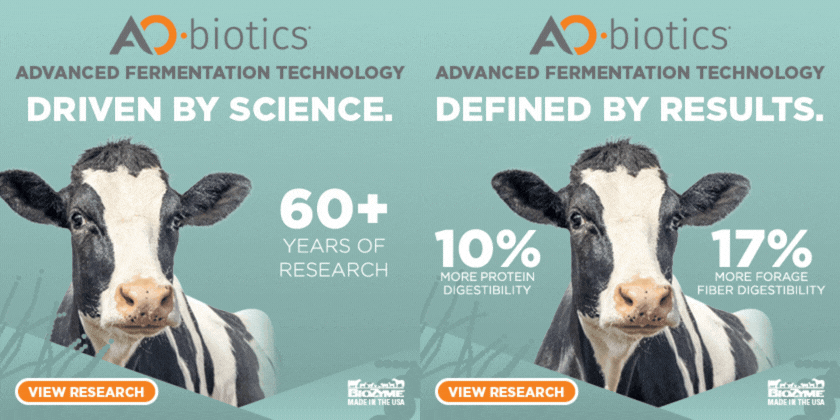
In ruminants, live yeast such as Saccharomyces cerevisiae improves ruminal pH stability, reduces lactate accumulation, and stimulates cellulolytic bacteria growth.
This enhances fiber digestibility, milk yield, fat content, and protein concentration, especially during early lactation.
Young calves benefit greatly from probiotics and prebiotics due to their immature digestive systems, showing reduced scouring, improved starter intake, and stronger growth performance.
Immune-enhancing effects of yeast cell walls and beta-glucans are also linked to lower somatic cell counts (SCC) and reduced mastitis incidence in lactating cows.
Practical Considerations for Use
Success depends on correct strain selection, viability during feed processing, resistance to gastric acids, and compatibility with other additives such as enzymes, organic acids, and phytogenics.
Typical inclusion rates include:
- Prebiotics: 0.1–0.5% of diet dry matter
- Probiotics: 10⁶ to 10⁹ CFU/g of feed
Delivery through feed, water, or microencapsulation improves stability and targeting.
Economic Impact and Future Outlook
The return on investment is often justified by improvements in feed conversion, growth rates, reduced mortality, better carcass quality, stronger egg integrity, and higher milk yield.
Future innovations include next-generation probiotics, postbiotics, precision microbiome management, and technologies such as microencapsulation and real-time microbiota monitoring.
Final conclusion:
Prebiotics and probiotics are no longer optional tools—they are key components of future-ready livestock nutrition, improving productivity, welfare, sustainability, and profitability across poultry, swine, and cattle systems.
🔒 Contenido exclusivo para usuarios registrados.
Regístrate gratis para acceder a este post y a muchos más contenidos especializados. Solo te llevará un minuto y tendrás acceso inmediato.
Iniciar sesiónRegístrate en nutriNews
REGISTRARME