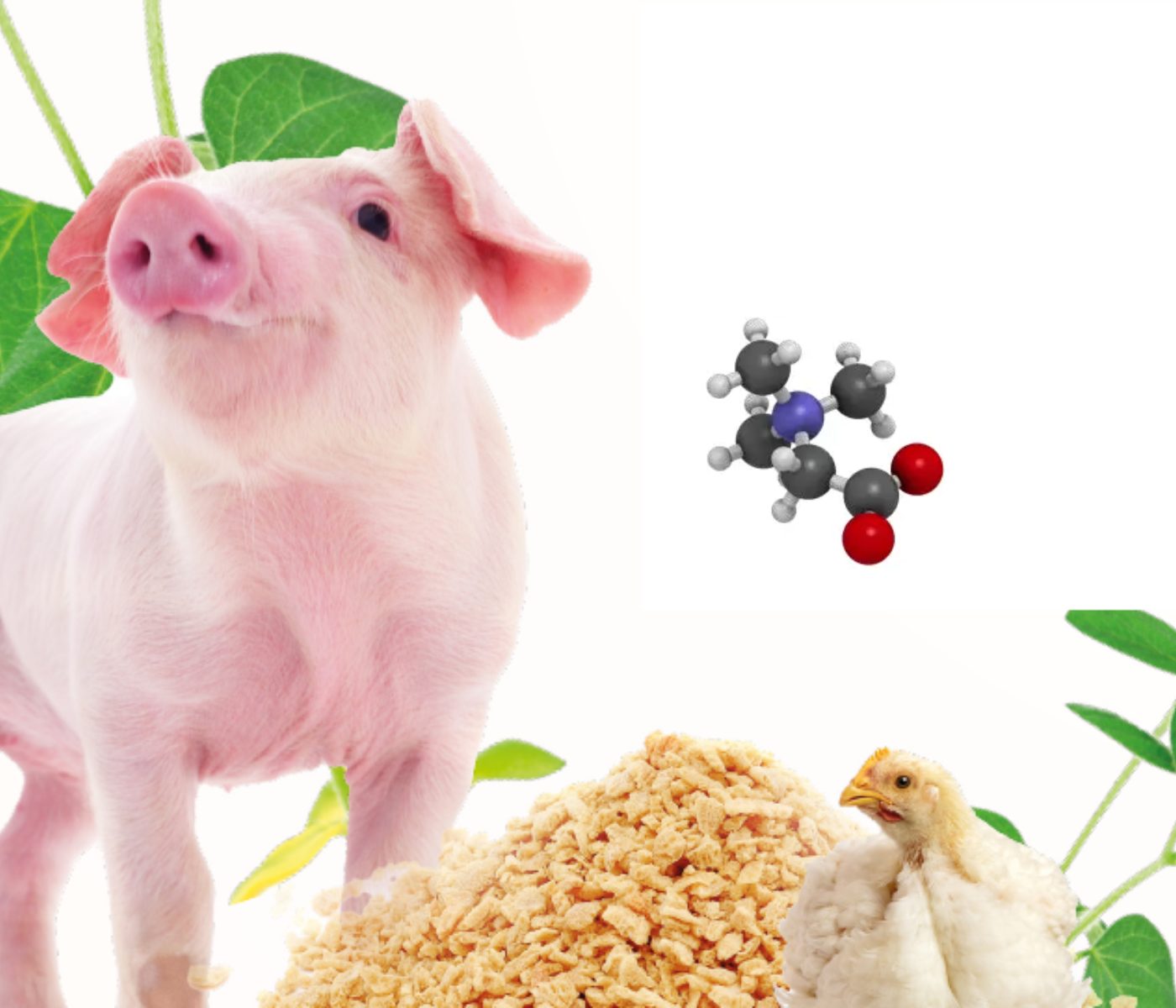
THE SCIENCE BEHIND
KOLIN PLUS™:
BEYOND CHOLINE REPLACEMENT
Dr. Reshma R Chandran
Assistant Product Manager at Natural Remedies Private Limited
THE EVOLVING CHALLENGES OF MODERN POULTRY PRODUCTION
Advances in genetics, nutrition, and management have significantly improved poultry performance, enabling the industry to meet the growing global demand for affordable, high-quality protein. To sustain these productivity gains, poultry birds are commonly fed high-energy diets (HEDs) that support rapid growth, improved feed efficiency, and shorter production cycles. However, prolonged feeding of high-energy diets can increase the risk of metabolic disorders, including fatty liver syndrome, excessive abdominal fat deposition, footpad lesions, and pulmonary hypertension.
WHY IS THERE A SHORTAGE OF CHOLINE IN THE POULTRY DIET?
High-energy diets elevate the need for efficient fat metabolism, and deficiencies can lead to fatty liver and reduced performance. Excess fat in the abdominal and visceral regions is undesirable for meat producers, as it is generally considered waste. Therefore, the poultry industry maximize lean meat yield.
Continua después de la publicidad.
LIMITATIONS OF CHOLINE CHLORIDE IN POULTRY NUTRITION
Choline chloride is the most commonly used source of supplemental choline in animal feeds; however, it has several limitations. It is highly hygroscopic, unstable, corrosive, and can interact adversely with vitamin premixes.
Moreover, its absorption efficiency is relatively low, with only a portion being utilized by the bird, while the remainder is converted by intestinal microflora into trimethylamine (TMA), a metabolite that may affect liver metabolism and contribute to fishy odours in eggs. These challenges have driven the search for more efficient alternatives that can better support liver function, fat metabolism, and overall production performance in poultry.
KOLIN PLUS™: A NEW GENERATION PHYTOGENIC SOLUTION
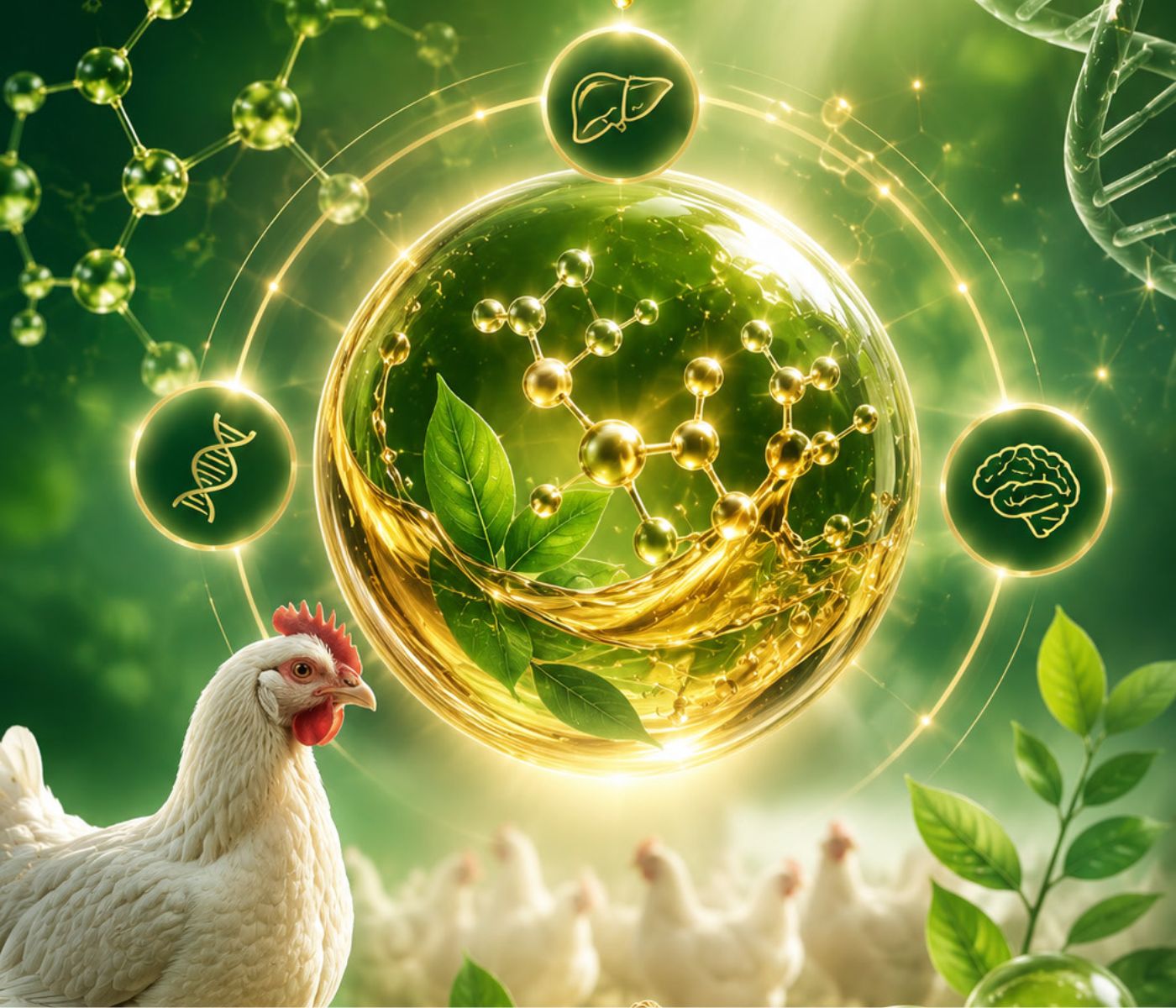
Developed as a scientifically validated phytogenic alternative to synthetic choline chloride, Kolin Plus represents a new approach to metabolic nutrition. Rather than functioning solely as a nutrient replacement, Kolin Plus™ supports liver health and fat metabolism through multiple interconnected biological pathways.
Formulated from carefully selected botanical ingredients rich in bioactive compounds, Kolin Plus works by influencing key metabolic processes involved in lipid synthesis, fat mobilization, fatty acid oxidation, and energy utilization. This multi-pathway mode of action enables the bird to utilize nutrients more efficiently while supporting optimal hepatic function.
Backed by transcriptomic research and performance validation studies, Kolin Plus™ exemplifies the shift from conventional nutrient supplementation to scientifically driven metabolic optimization.
A TRANSCRIPTOMIC WINDOW INTO POULTRY METABOLISM
One of the most exciting developments in animal nutrition has been the application of transcriptomics to understand how dietary interventions influence biological functions.
Transcriptomics enables researchers to evaluate thousands of genes simultaneously and identify the molecular pathways affected by nutritional interventions.
To unravel the molecular basis of Kolin Plus™ activity, liver gene expression profiling was conducted in broilers challenged with choline-deficient diets. The analysis identified key genes and signaling pathways involved in lipid synthesis, mobilization, oxidation, and overall hepatic lipid regulation.
The gene expression patterns were studied for four groups normal diet: normal, choline chloride deficient, Kolin Plus™, and CCL using microarray on day 42. The hierarchical cluster analysis was carried out on 12,614 differentially expressed genes (DEGs) with a similar expression.
REGULATING FAT SYNTHESIS AT ITS SOURCE
One of the most significant findings from transcriptomic research was the modulation of genes involved in hepatic fat synthesis. Key genes associated with lipogenesis—including Peroxisome Proliferator-Activated Receptor Gamma (PPARG), Acetyl-CoA Carboxylase Alpha (ACACA), ATP Citrate Lyase (ACLY), and Lipase C, Hepatic Type (Hepatic Lipase) (LIPC) were regulated in a manner that supports healthier lipid metabolism.
These genes play important roles in: Fatty acid synthesis, Triglyceride accumulation, Lipid storage, Hepatic lipid regulation.
By influencing these pathways, Kolin Plus™ helps create a metabolic environment that favours efficient nutrient utilization while reducing excessive fat deposition within the liver. (Table 1, Fig1)
Figura 1: Effect of Kolin Plus™ on gene expression related to de novo lipogenesis
ABCG5/8 → PPARG → Triglycerides
KOLIN PLUS™ → ACLY → Acetyl CoA
KOLIN PLUS™ → LIPC → Denovo Lipogenesis
Fatty acid synthesis pathway:
Acetyl CoA → ACACA → Malonyl CoA → Palmitate → Complex FAs
ACTIVATING THE FAT-BURNING MACHINERY
While reducing fat synthesis is important, optimal metabolic health also requires efficient utilization of stored fats. The transcriptomic analysis revealed enhanced expression of genes associated with fatty acid oxidation, including: Carnitine Palmitoyltransferase 1A (CPT1A), Peroxisome Proliferator-Activated Receptor Gamma Coactivator 1 Alpha (PGC-1α) (PPARGC1A), Hydroxyacyl-CoA Dehydrogenase Trifunctional Multienzyme Complex Subunit Beta (HADHB), Patatin-Like Phospholipase Domain-Containing Protein 2 (PNPLA2).
These genes are directly involved in transporting fatty acids into mitochondria and converting them into usable energy through β-oxidation. In practical terms, this means the bird becomes more efficient at utilizing dietary energy rather than storing it as excess fat.
Further studies demonstrated increased circulating levels of L-Carnitine in supplemented birds.
L-Camitine serves as the transport system that carries long-chain fatty acids into mitochondria, where they are oxidized to generate energy.
✓ Enhanced fat utilization
✓ Reduced carcass fat deposition
✓ Improved energy efficiency
✓ Better production performance
This finding provides an important physiological link between molecular changes and measurable production outcomes. (Table 1, Fig 2&3)
Figura 2: Effect of Kolin Plus™ on catabolism of lipids (lipolysis and beta-oxidation of fatty acids)
KOLIN PLUS™ → PNPLA2 (+)
Triglycerides → FA + Glycerol
Fatty acids → PPARGC1A (+) → AcetylCoA, FADH2, NADH2
Lipolysis → Beta oxidation → ATP
Figura 3: Effect of Kolin Plus™ on genes related to beta-oxidation of fatty acids
Fatty Acid → FACS (+) → Fatty Acyl CoA
Fatty Acyl CoA → CPT1 → Acyl Carnitine
Acyl Carnitine → CPT2 → Fatty Acyl CoA
β Oxidation → Acetyl CoA → TCA Cycle → NADH / FADH2 → Electron Transport Chain → ATP
TABLE 1. REPRESENTATION OF SELECTED GENE EXPRESSION FOLD CHANGE
| Gene |
Normal vs Choline Chloride Deficiency (logarithmic fold change) |
p-value |
Kolin Plus™ vs Choline Chloride Deficiency (logarithmic fold change) |
p-value |
Choline Chloride vs Choline Chloride Deficiency (logarithmic fold change) |
p-value |
| Hepatic Lipase (Lipase C, Hepatic Type) (LIPC) |
1.491 |
0.003 |
-1.577 |
0.004 |
-0.933 |
0.054 |
| ATP-Binding Cassette Subfamily G Member 5 (ABCG5) |
-1.315 |
0.236 |
1.217 |
0.045 |
-0.049 |
0.482 |
| Peroxisome Proliferator-Activated Receptor Gamma (PPARG) |
0.566 |
0.115 |
-0.758 |
0.001 |
-0.722 |
0.004 |
| ATP Citrate Lyase (ACLY) |
0.055 |
0.609 |
-1.013 |
0.026 |
-0.378 |
0.382 |
| Carnitine Palmitoyltransferase 1A (CPT1A) |
0.318 |
0.107 |
0.638 |
0.006 |
0.366 |
0.327 |
| Peroxisome Proliferator-Activated Receptor Gamma Coactivator 1 Alpha (PPARGC1A) |
0.067 |
0.603 |
1.297 |
0.079 |
0.755 |
0.273 |
| Patatin-Like Phospholipase Domain-Containing Protein 2 (Adipose Triglyceride Lipase, ATGL) (PNPLA2) |
-0.393 |
0.296 |
0.843 |
0.05 |
0.372 |
0.127 |
| Hydroxyacyl-CoA Dehydrogenase Trifunctional Multienzyme Complex Subunit Beta (HADHB) |
0.102 |
0.378 |
0.777 |
0.29 |
0.244 |
0.618 |
| ATP-Binding Cassette Subfamily B Member 8 (ABCB8) |
-0.875 |
0.244 |
0.97 |
0.12 |
-0.199 |
0.76 |
| Acetyl-CoA Carboxylase Alpha (ACACA) |
0.364 |
0.48 |
-0.894 |
0.128 |
-0.63 |
0.068 |
Note: Gene-fold change is provided in terms of log₂ and expressed as means of three replicates (2 equimolar pooled samples/replicate). Kolin Plus™ significantly upregulated genes involved in fatty acid transport and oxidation (CPT1A, PNPLA2, PPARGC1A), while downregulating key lipogenic regulators (PPARG, ACLY, and ACACA). This expression profile indicates enhanced mitochondrial energy metabolism, increased mobilization and oxidation of fatty acids and reduced de novo lipid synthesis.
FROM MOLECULAR SCIENCE TO FARM PERFORMANCE
The true value of any nutritional intervention lies in its ability to improve on-farm performance.
The efficacy of Kolin Plus™ has been extensively validated through a series of robust proof-of-concept studies conducted using well-established choline deficiency models in broilers. In these studies, choline deficiency was induced by partially replacing soybean meal with soy protein isolate, a low-choline protein source, creating a controlled nutritional challenge to evaluate the choline-replacing potential of Kolin Plus™.
Birds receiving the choline-deficient diet were divided into different groups supplemented with either synthetic choline chloride or Kolin Plus™ and compared against control groups. The results consistently demonstrated that Kolin Plus™ effectively counteracted the adverse effects of choline deficiency, restoring growth performance, feed conversion efficiency, liver function, and overall health status to levels comparable with those achieved using synthetic choline chloride.
These high-quality proof-of-concept studies provide strong scientific evidence supporting Kolin Plus™ as a reliable and effective source of choline activity in poultry nutrition. The findings have been further substantiated through various field trials.
The positive impact of Kolin Plus™ was further reflected in key production parameters, including:
✓ Improved body weight gain
✓ Better feed conversion ratio (FCR)
✓ Reduced fat accretion
✓ Enhanced livability
✓ Improved European Production Index (EPI)
These improvements reflect the practical impact of optimizing lipid metabolism and liver function. Rather than acting as a simple replacement for choline, this approach supports multiple interconnected pathways that collectively improve metabolic efficiency.
SUSTAINABILITY THROUGH BETTER METABOLISM
Modern poultry production increasingly demands solutions that are not only effective but also sustainable. Improved lipid utilization means more dietary energy is directed toward productive purposes rather than being lost through inefficient metabolism.
- Better feed efficiency
- Lower resource utilization
- Reduced environmental impact
- Improved economic sustainability
As the industry continues to pursue precision nutrition and sustainable production systems, metabolic optimization will play an increasingly important role.
CONCLUSION
The future of poultry nutrition is moving beyond simple nutrient supplementation toward a deeper understanding of how nutrition influences biological systems. Advances in transcriptomics and nutrigenomics have shown that phytogenic technologies can regulate gene expression, optimize lipid metabolism, support mitochondrial function, and enhance metabolic efficiency.
By influencing key pathways involved in fat synthesis, lipid transport, and fatty acid oxidation, these next-generation nutritional solutions help improve liver health, nutrient utilization, and production performance. Kolin Plus™, backed by transcriptomic validation and performance studies, exemplifies this scientific approach by supporting metabolic health through multiple biological pathways rather than functioning as a conventional choline replacement alone.
As the poultry industry continues to focus on efficiency, profitability, and sustainability, scientifically validated phytogenic solutions such as Kolin Plus are redefining metabolic management and shaping the future of precision poultry nutrition.
Kolin Plus™ represents a shift from conventional choline supplementation toward metabolic optimization—supporting liver health, fat mobilization, fatty acid oxidation, energy efficiency and poultry performance through multiple interconnected biological pathways.