 04 Aug 2022
Chromium: the final dietary adjustment in ruminants.
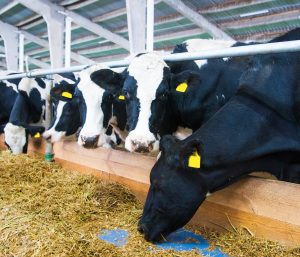
Cattle manage to express their genetic and reproductive potential when they meet their nutritional requirements.
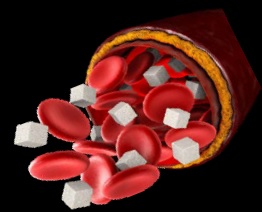
When the animal reaches high blood glucose concentrations, insulin is released. This hormone acts as “good news” by stimulating the animal’s body to face different scenarios such as adaptation to changes, immune activity or fertility.
However, cells may not respond properly to insulin stimulus, if they do not possess adequate amounts of a micromineral such as chromium (Cr).

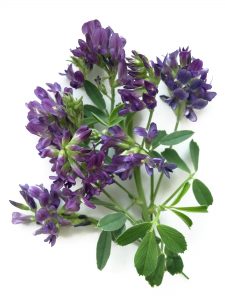
Chromium can be found in feed, and if not, it must be supplemented. Within forages, the legume family is the one with the highest concentration (0.2 to 4 ppm DM) followed by grasses (0.1 to 0.35 ppm). While cereals contain much lower concentrations (0.01 to 0.55 ppm), amongst which corn is especially deficient (0.02 ppm-DM) (Lashkari et al. , 2018).
Chromium is only bioavailable to animals in the form of trivalent chromium (Cr+3), where it is associated with organic material. When this element enters the body as hexavalent chromium (Cr +6) it is not absorbed and can be useful as an inert indicator of dry matter consumption (Kim et al. , 2005).

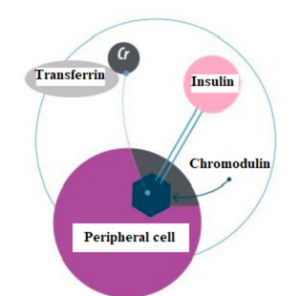
Cr is transported in the blood bound to transferrin and then taken by insulin-sensitive tissues, a hormone responsible for stimulating its uptake. When insulin binds to surface receptors on cells, Cr is taken up by a protein called chromodulin, which in turn stabilizes the hormone-receptor complex and facilitates its action by activating tyrosine kinase.
The moment insulin stops acting, Cr-bound chromodulin is released from the cell (Vincent, 2000). Endogenous Cr is eliminated especially in urine, while smaller amounts are eliminated through feces and milk (Bowen et al., 2009).
Chromium requirements

Subscribe now to the technical magazine of animal nutrition
AUTHORS
From 2025 Data to 2026 Decisions: Managing Mycotoxin Risk in a Changing Climate
Alterion® NE Celebrates 10 Years of Poultry Gut Health Innovation
The Science Behind Kolin Plus: Beyond Choline Replacement
Summer Infertility in Sows: Managing Heat Stress and Reproductive Performance
AO-Biotics® Amaferm®: Supporting Livestock Digestion and Performance

Interview with Güner Gövenç
Güner Gövenç,
Net Energy and Precision Feeding Shape the Future of Poultry Nutrition
Edgar Oviedo
Mycotoxins in Swine: Health Risks and Nutritional Solutions
Giuseppe Carcò
Mycotoxins and Piglet Ear Necrosis: Cause, Cofactor or Coincidence?
Alberto Morillo
How Mycotoxins Affect Intestinal Health in Pigs and Poultry
Marcos Rostagno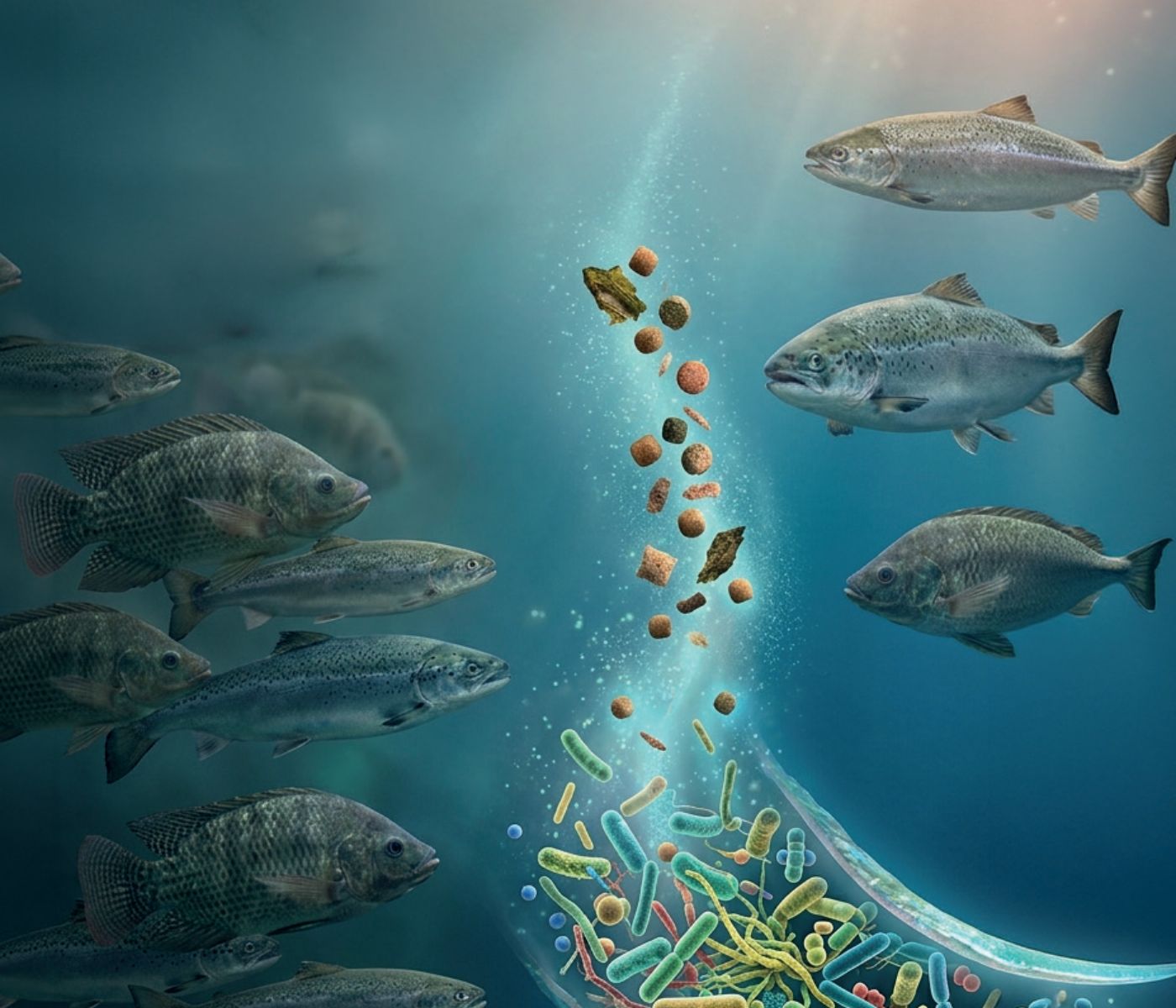
From Antibiotics to Functional Feeds in Aquaculture
Babatunde Saliu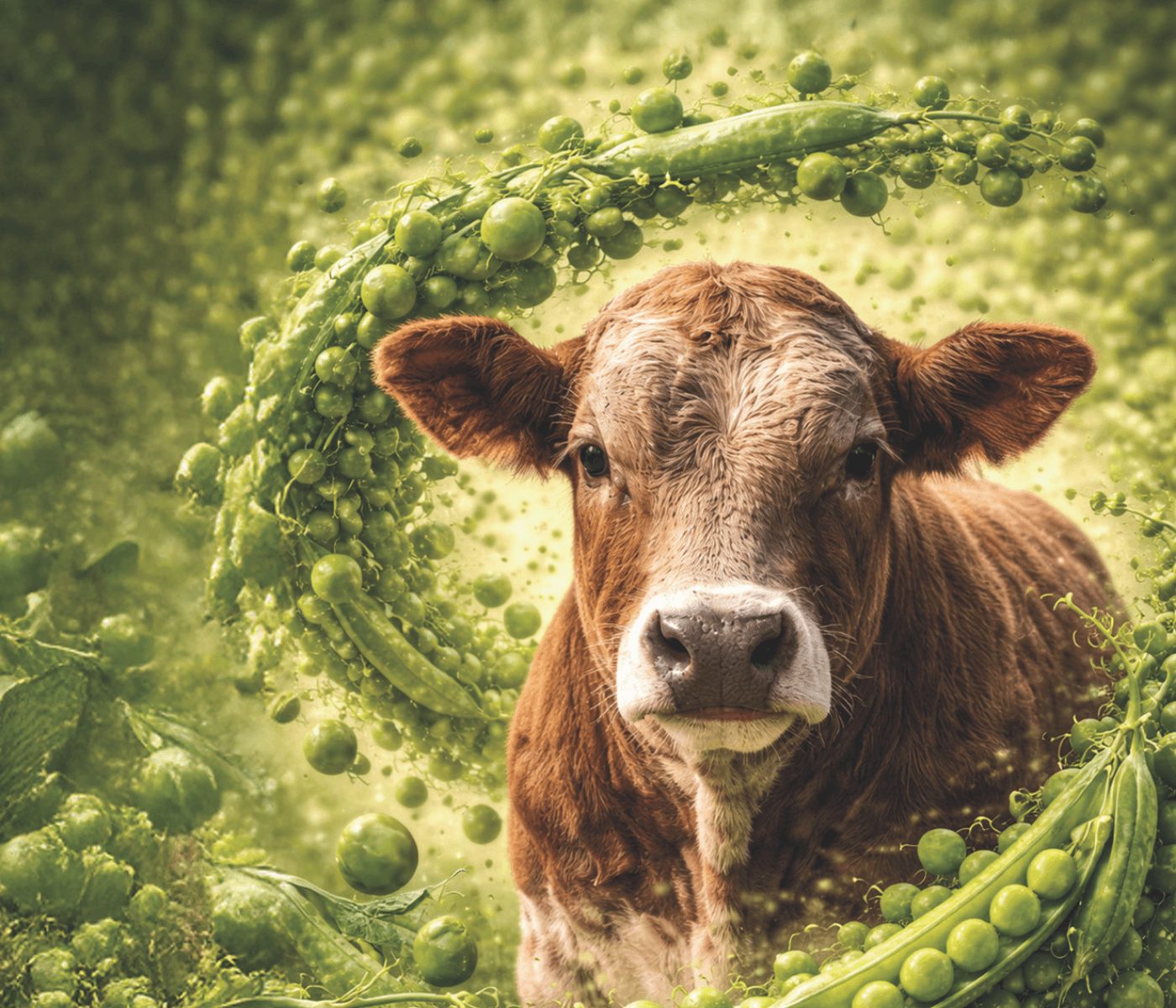
Peas as an Alternative to Soybean Meal in Beef Cattle Finishing Diets
Daniel Villalba Mata,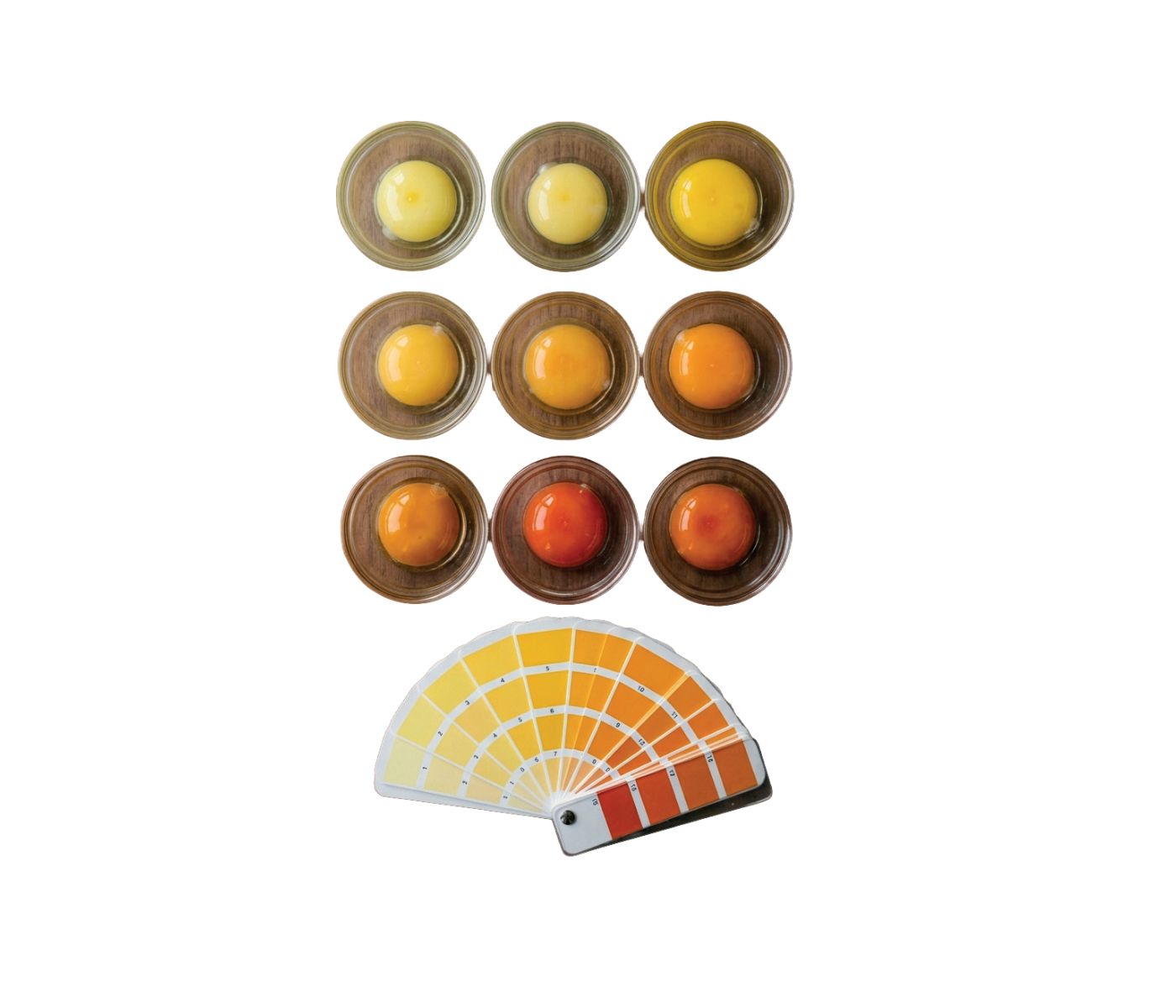
Improving Egg Yolk Pigmentation Through Better Nutrient Transport

Aquaculture and Aquaponics Nutrition: How Fish Shape the Growth of Greens
Trenton Corby
Consistency in Soybean Meal Drives Performance and Sustainability