 08 Apr 2022
Copper: nutritional aspects of interest for animal production
History
In 1928, Hart first reported that rats needed copper (Cu) for growth and formation of hemoglobin. Soon after, the role of Cu in sheep and cattle was recognized.
Fergurson et al. in 1938 published evidence of the importance of Cu when dairy cow diets had an excess of Molybdenum.
In 1948 Braude observed that pigs licking Cu pipes grew faster. Later, Barber et al. reported increased growth with pharmacological concentrations of (Cu) 125 to 250 ppm (1957).
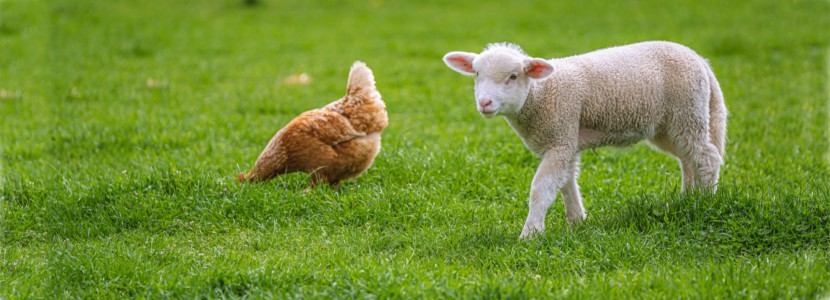
Because poultry and pigs are not ruminants and mainly consume grains such as corn and soybeans, they are less prone to present evident Cu and Zinc deficiencies. Considering they are in production environments where they are fed “balanced” diets.
However, it has been hypothesized that health could be affected without overt signs of traditional deficiency.

Metabolic mechanisms and functions
Based on body weight, the concentration of copper in liver and plasma is higher in a newborn mammal than at any other time within the life cycle.
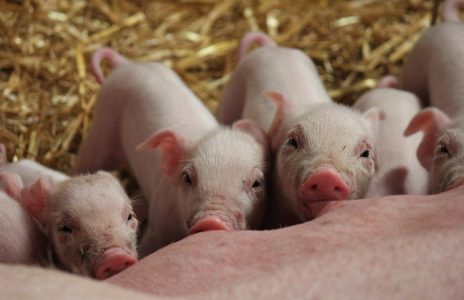
In the sow,Cu, Fe and Zn concentrations in colostrum are higher than in milk. Mammals have been shown to provide hepatic copper to the fetus and newborn regardless of the mother’s copper status (Hill et al., 2013).
Mehra and Brenner (1984) found a form of metallothionein (MT) in pigs fed high concentrations of Cu in the diet that was not present in sheep. This produced one of the first differences in copper handling mechanisms between sensitive and non-mineral-sensitive species.
Copper deficiency
You may also want to read: What are the minerals that interest us due to their antioxidant function? (spanish content)
Source: Hill and Shannon, 2019. Biol Trace Elem Res. 2019; 188(1): 148–159.
Subscribe now to the technical magazine of animal nutrition
AUTHORS
From 2025 Data to 2026 Decisions: Managing Mycotoxin Risk in a Changing Climate
Alterion® NE Celebrates 10 Years of Poultry Gut Health Innovation
The Science Behind Kolin Plus: Beyond Choline Replacement
Summer Infertility in Sows: Managing Heat Stress and Reproductive Performance
AO-Biotics® Amaferm®: Supporting Livestock Digestion and Performance

Interview with Güner Gövenç
Güner Gövenç,
Net Energy and Precision Feeding Shape the Future of Poultry Nutrition
Edgar Oviedo
Mycotoxins in Swine: Health Risks and Nutritional Solutions
Giuseppe Carcò
Mycotoxins and Piglet Ear Necrosis: Cause, Cofactor or Coincidence?
Alberto Morillo
How Mycotoxins Affect Intestinal Health in Pigs and Poultry
Marcos Rostagno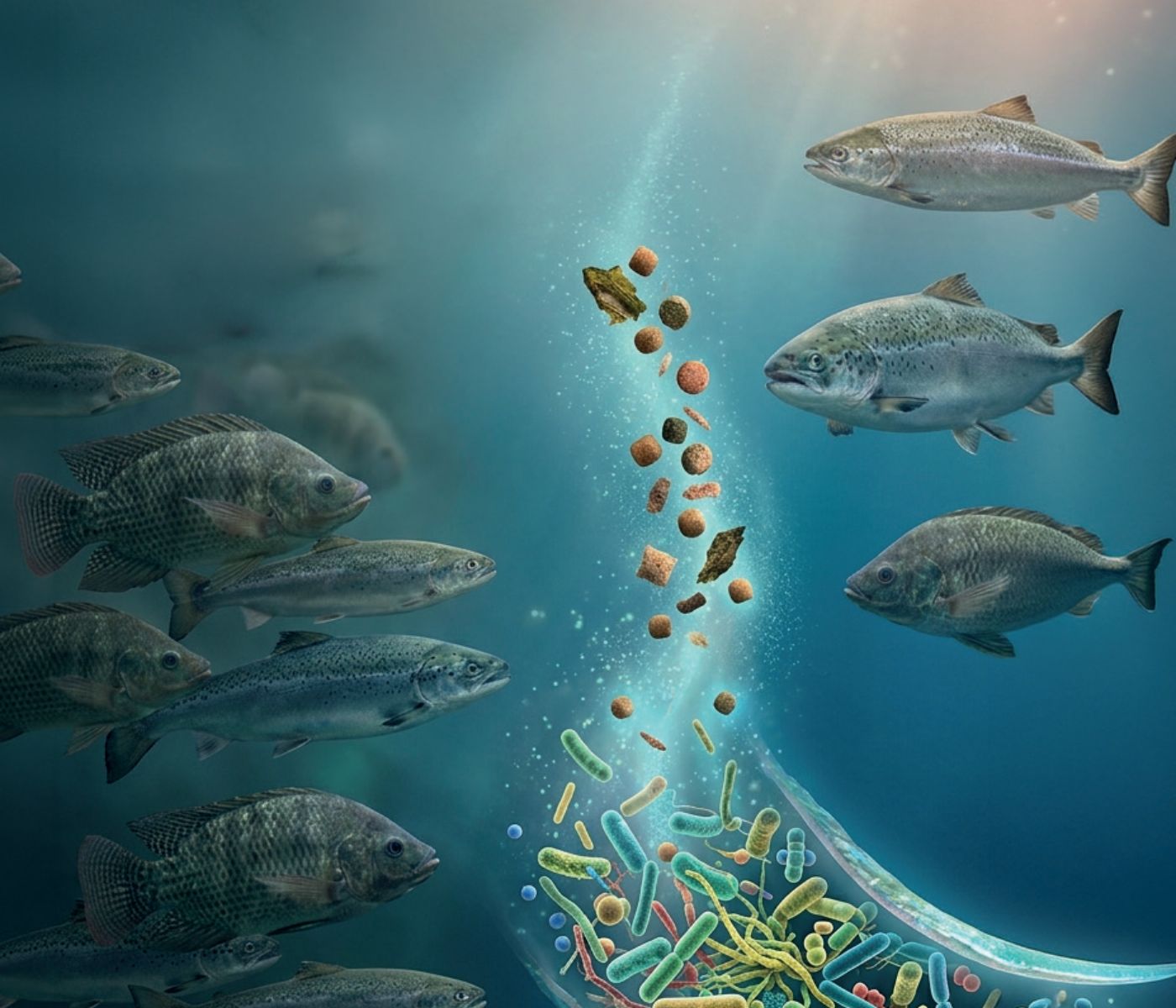
From Antibiotics to Functional Feeds in Aquaculture
Babatunde Saliu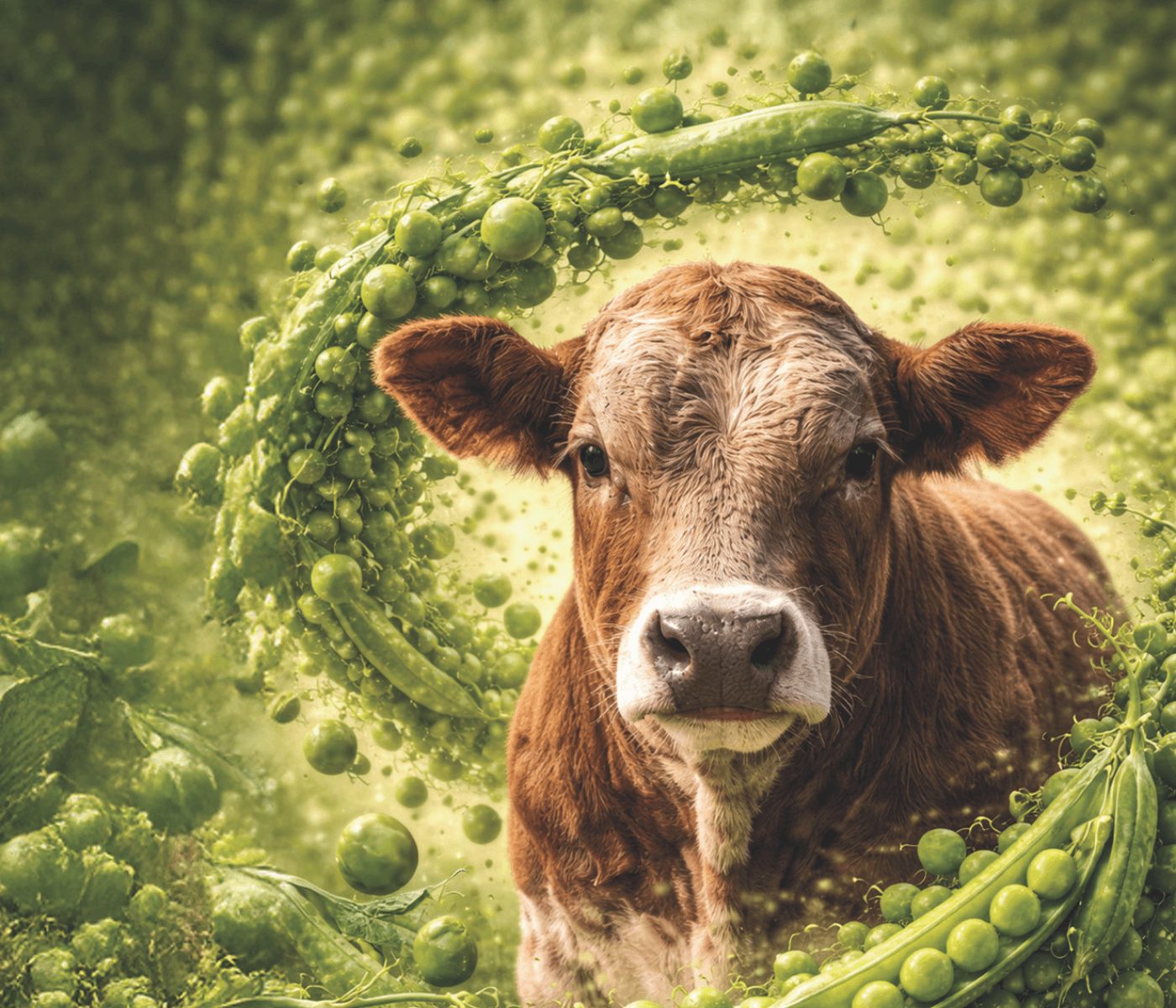
Peas as an Alternative to Soybean Meal in Beef Cattle Finishing Diets
Daniel Villalba Mata,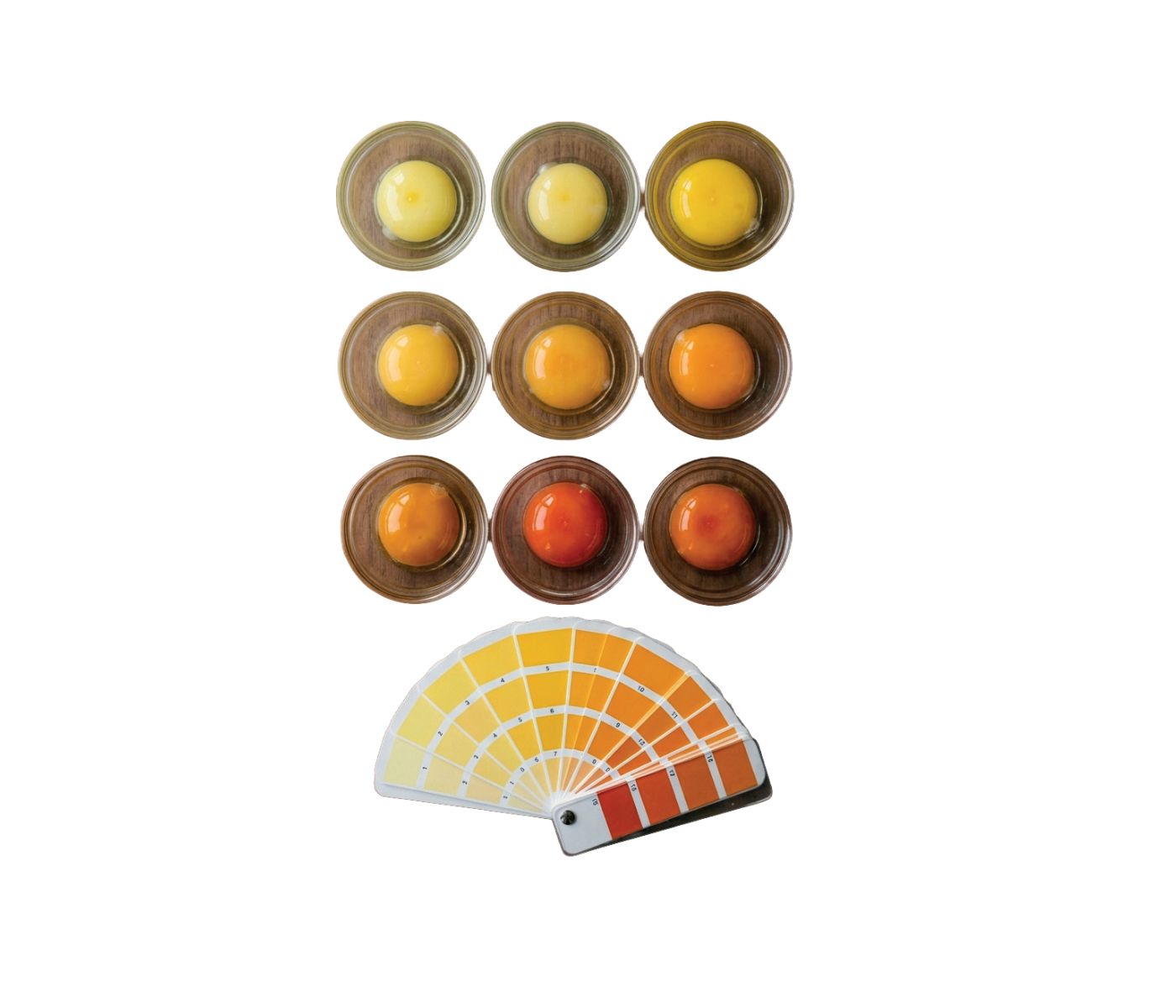
Improving Egg Yolk Pigmentation Through Better Nutrient Transport

Aquaculture and Aquaponics Nutrition: How Fish Shape the Growth of Greens
Trenton Corby
Consistency in Soybean Meal Drives Performance and Sustainability