 30 Jul 2026
In a context of accelerated climate transition and growing regulatory and societal expectations, stakeholders in animal production sectors must be able to demonstrate, in a robust and transparent way, their efforts to reduce greenhouse gas emissions. Commitments made by agri-food companies, particularly through carbon reduction pathways and Science Based Targets initiative (SBTi) commitments, as well as the emergence of environmental labelling schemes, are increasing the need for reliable, comparable and directly actionable data.
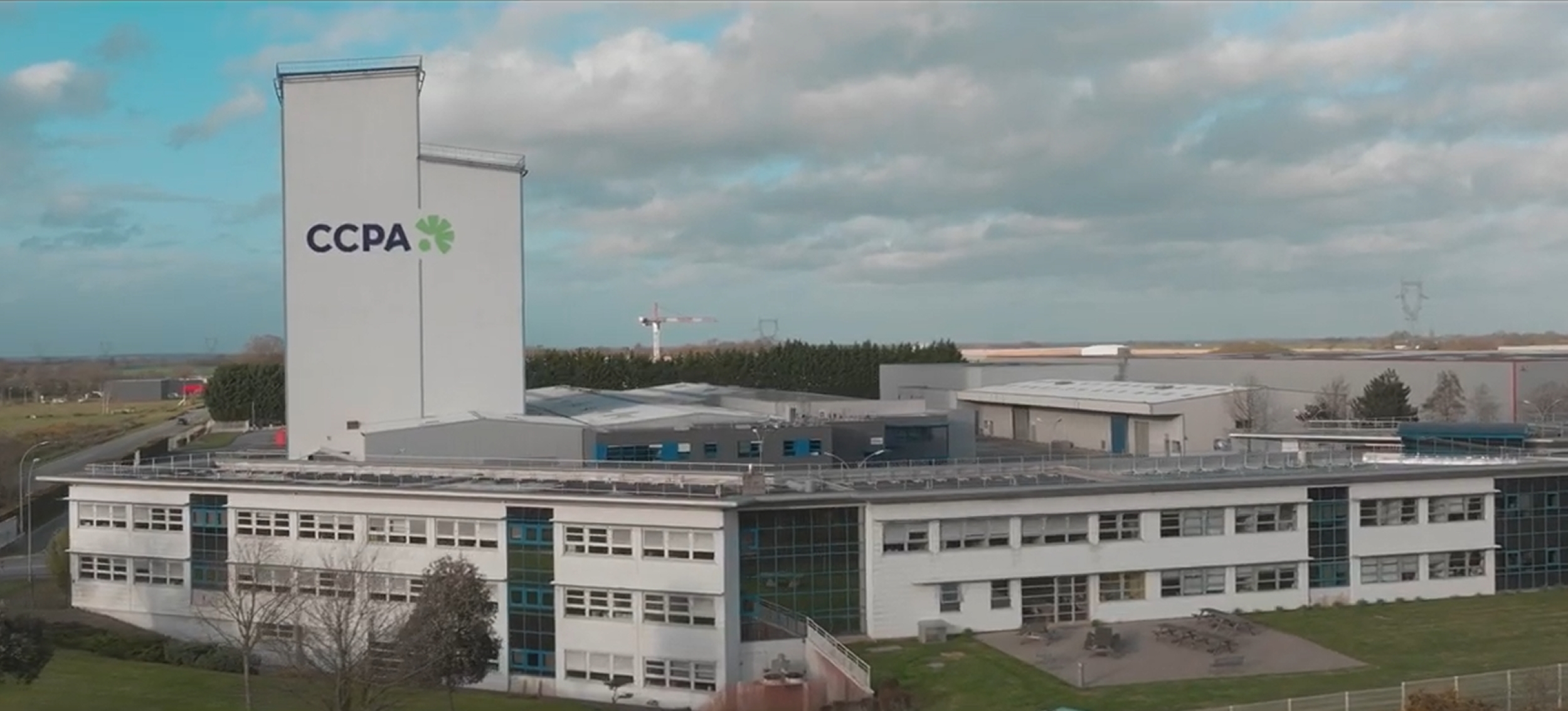
To address this challenge and support its customers, the CCPA Group a union of agricultural cooperatives in France specializing in animal nutrition for 60 years, made the strategic decision, as early as 2024, to rely on Sustell, an environmental modelling tool developed by dsm-firmenich Animal Nutrition & Health.
Based on the Life Cycle Assessment (LCA) methodology and aligned with international standards (FAO, PEF), the tool evaluates environmental impacts at the farm gate by considering the entire production system, including feed, animal performance, farming practices and other inputs.
“The decarbonization of livestock production sectors first and foremost relies on the ability to measure in order to act. Through environmental modelling, we help our customers objectively assess the impact of their nutritional and technical choices and identify the most effective levers to reconcile environmental, economic and zootechnical performance,” says Marina Panhéleux, Sustainability R&I Manager at the CCPA Group.

CCPA’s objective is to transform environmental modelling into a decision-support tool for the decarbonization of animal value chains while avoiding pollution shifting.
Thanks to Sustell, CCPA is able to:
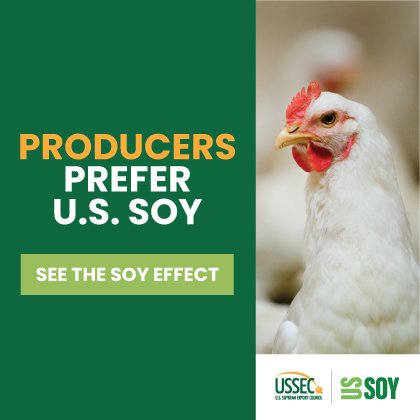
By combining nutritional expertise, zootechnical innovation, in-depth knowledge of livestock production systems and environmental modelling, the CCPA Group supports its customers in identifying and quantifying optimization levers. Based on scenarios developed by its Technical and R&I teams, these levers can enable carbon footprint reductions of up to 15% (kg CO₂ eq./kg of animal product at the farm gate).

By providing customized scenario modelling based on a recognized reference tool, combined with its expertise in livestock farming, nutrition and digital technologies, the CCPA Group supports its customers in their decarbonization efforts with a clear ambition: to make environmental performance a sustainable competitive advantage.
Finally, generating reliable data is an essential prerequisite for ensuring the credibility of environmental labelling for animal products and providing consumers with transparent and verifiable information.


Subscribe now to the technical magazine of animal nutrition
AUTHORS
From 2025 Data to 2026 Decisions: Managing Mycotoxin Risk in a Changing Climate
Alterion® NE Celebrates 10 Years of Poultry Gut Health Innovation
The Science Behind Kolin Plus: Beyond Choline Replacement
Summer Infertility in Sows: Managing Heat Stress and Reproductive Performance
AO-Biotics® Amaferm®: Supporting Livestock Digestion and Performance

Interview with Güner Gövenç
Güner Gövenç,
Net Energy and Precision Feeding Shape the Future of Poultry Nutrition
Edgar Oviedo
Mycotoxins in Swine: Health Risks and Nutritional Solutions
Giuseppe Carcò
Mycotoxins and Piglet Ear Necrosis: Cause, Cofactor or Coincidence?
Alberto Morillo
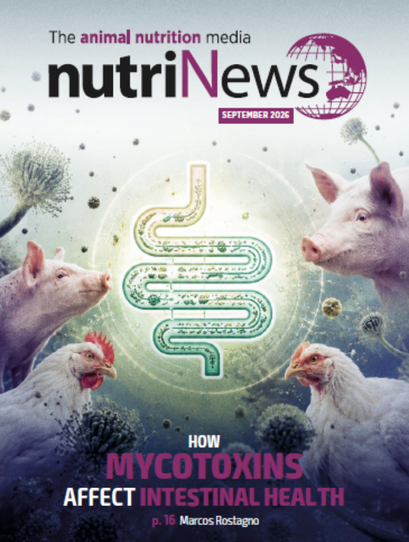
How Mycotoxins Affect Intestinal Health in Pigs and Poultry
Marcos Rostagno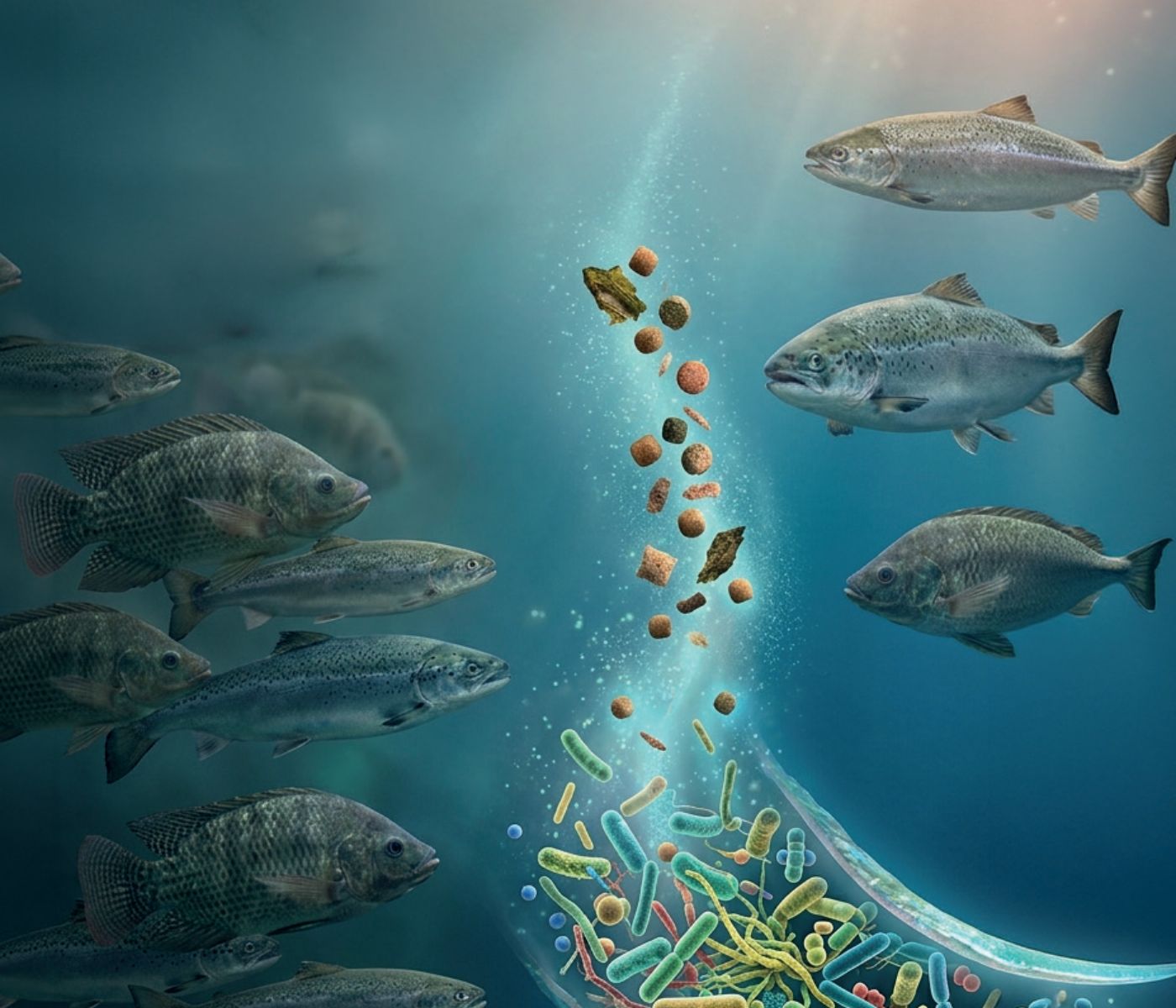
From Antibiotics to Functional Feeds in Aquaculture
Babatunde Saliu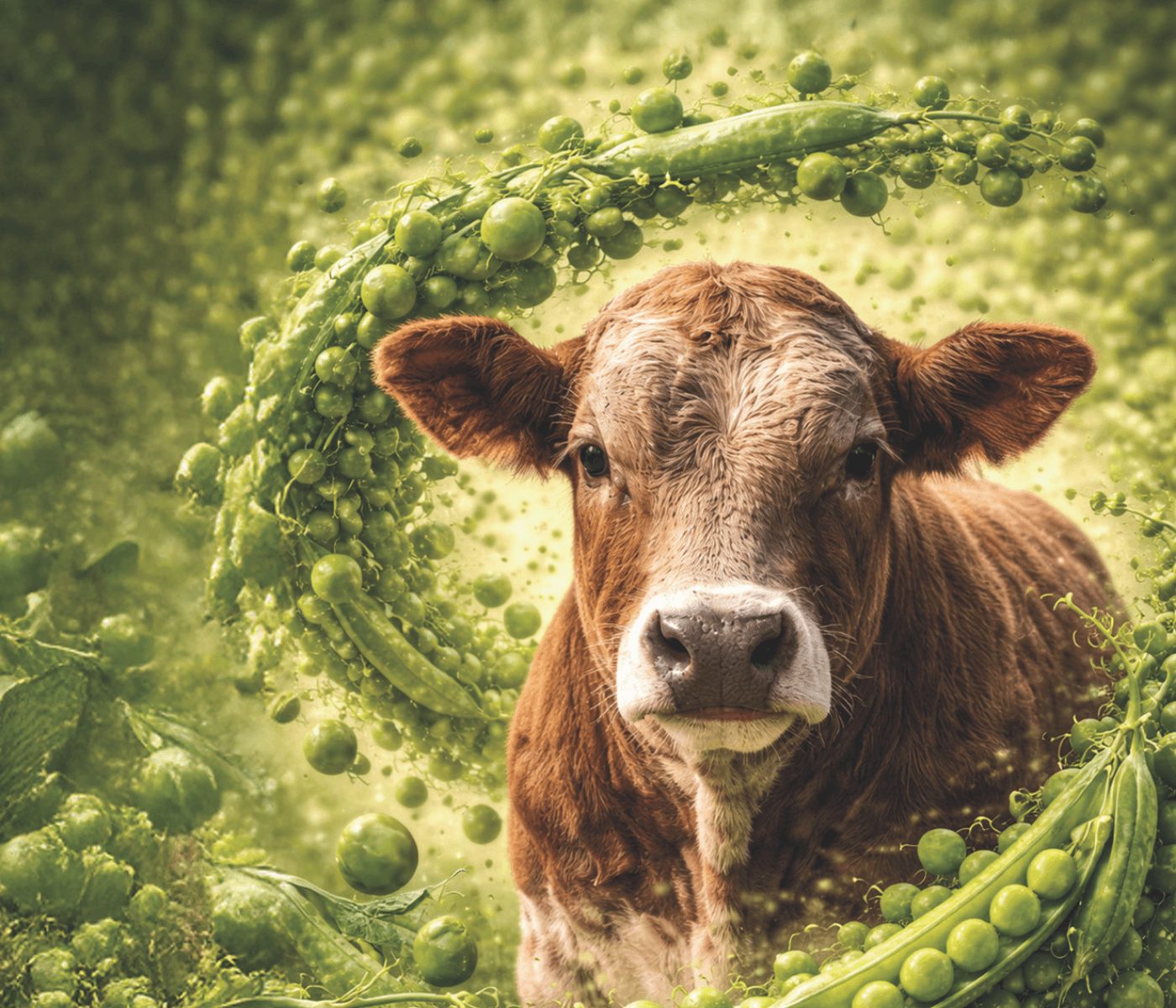
Peas as an Alternative to Soybean Meal in Beef Cattle Finishing Diets
Daniel Villalba Mata,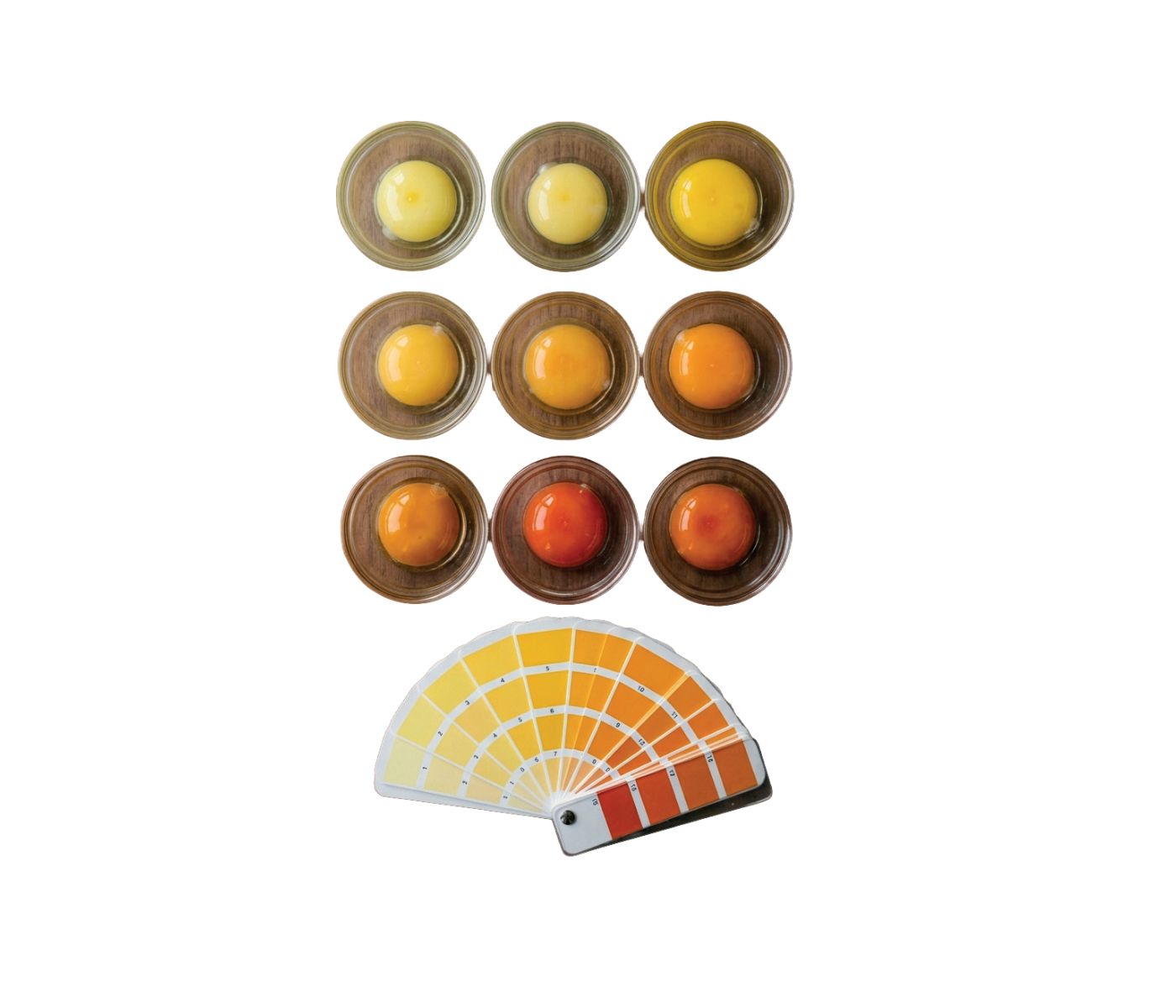
Improving Egg Yolk Pigmentation Through Better Nutrient Transport

Aquaculture and Aquaponics Nutrition: How Fish Shape the Growth of Greens
Trenton Corby
Consistency in Soybean Meal Drives Performance and Sustainability