 27 Jul 2026
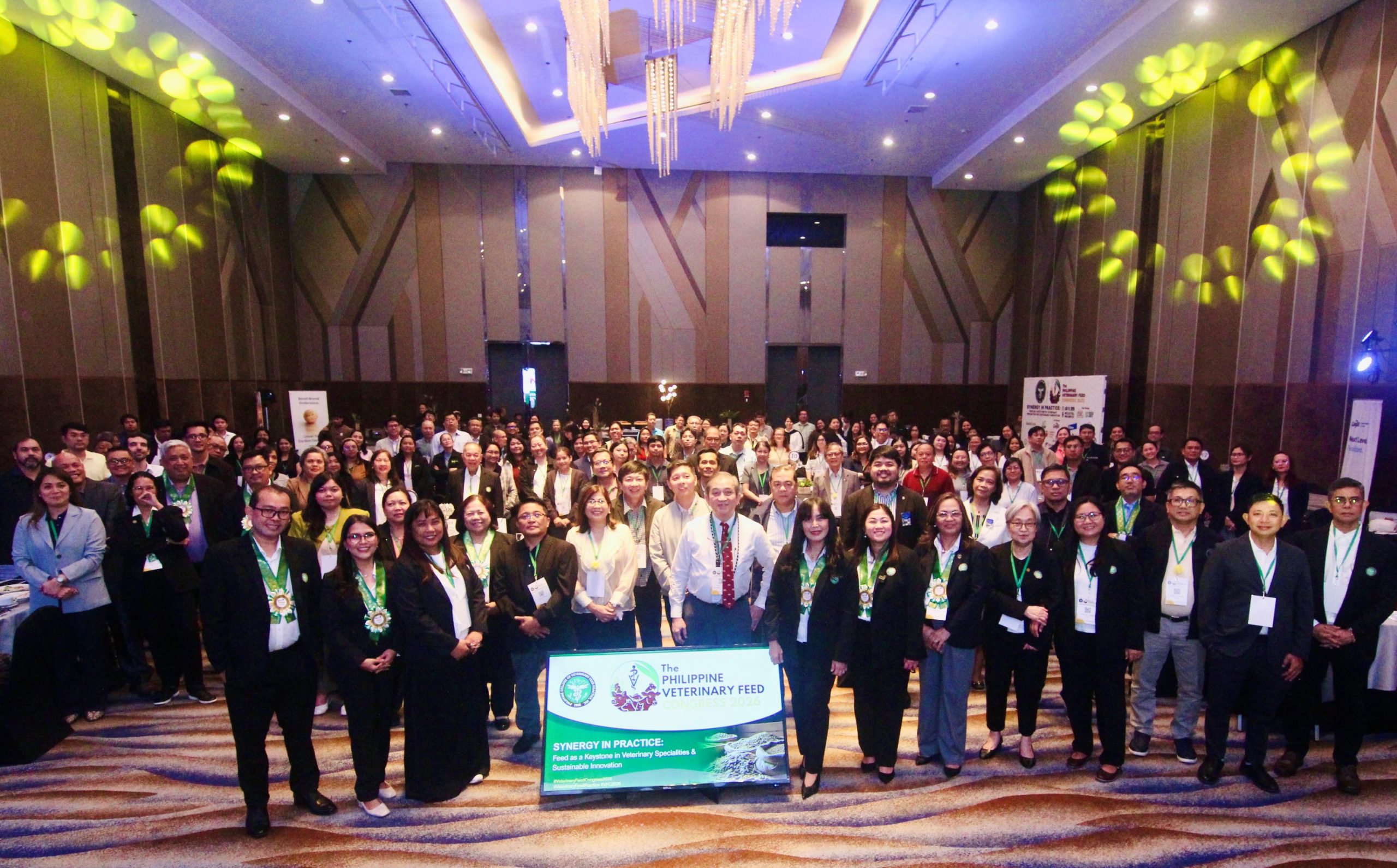
Food security begins with feed, and the Veterinary Feed Congress 2026 placed this truth at the center of its discussions. The event, organized by the Philippine College of Veterinary Feed Practitioners Inc (PCVFP) and held on July 8, 2026 in Quezon City, underscored how nutrition, veterinary expertise, and regulation must work together to build resilient systems.
From left: Dr Jean Peralta, Vice President PCVFP; Dr Sharon Castro, President PCVFP; Dr Zenaida Villacorte, Charter Fellow and Past President PCVFP; and Dr Sheila Gatchalian, Congress Chair
Congress Chair Sheila Gatchalian emphasized that the congress anchors ethical, future-ready food systems, with feed as the common denominator across sectors. Throughout the congress, speakers emphasized that sustainable practices, science-driven innovation, and cohesive partnerships are no longer optional—they are essential to ensuring animal health and long-term agricultural stability. By framing feed as the foundation of ethical and future-ready food systems, the congress underscored the urgent need for synergy across disciplines.
Dr Christian Daquigan, Director‑OIC of the Bureau of Animal Industry (BAI), underscored the urgency of strengthening animal health and feed safety as the livestock sector recovers from African swine fever. He highlighted biosecurity, regulatory systems, and border protocols as vital to restoring swine herds, while noting challenges such as supply chain disruptions and cost volatility.
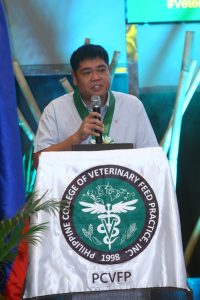
Dr Christian Daquigan
Coordinated interventions, he said, can restore resilience and ensure feed remains central to productivity and stability. He urged stakeholders to treat feed safety as a frontline defense against future outbreaks.
Dr Basilisa Pascual Reas, Regional Technical Director at the US Soybean Export Council (USSEC), called for veterinarians and nutritionists to unite in tackling rising global protein demand, projected to grow 20% by 2050. Balanced diets, she explained, strengthen immunity, reduce reliance on antibiotics, and minimize costly metabolic disorders. Emerging tools such as precision nutrition, nutrigenomics, and artificial intelligence are reshaping animal diets, making sustainable nutrition essential rather than optional.

Dr Basilisa Pascual-Reas
She also emphasized the economic dimension of nutrition, noting that poorly formulated diets increase costs and reduce reproductive performance. Well‑designed programs, she added, stabilize production and strengthen national food reserves.
Dr Reas urged practitioners to tailor diets to local contexts, integrating climate‑responsive strategies to address tropical challenges such as heat stress and endemic disease. Finally, she stressed the role of education, encouraging veterinarians and nutritionists to guide farmers in adopting science‑based practices.
Dr Noel Lumbo, Director of the Institute of Animal Science at the University of the Philippines Los Baños, added that nutrition now integrates veterinary medicine, genetics, microbiology, immunology, and data science. Translational research—such as enzyme supplementation and probiotics—has improved nutrient digestibility, lowered feed costs, and reduced environmental impact. He highlighted academia’s role in bridging science and practice, ensuring innovations reach farm level.
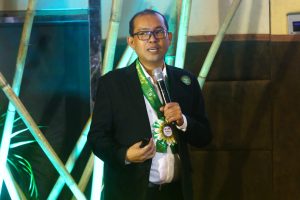
Dr Noel Lumbo
Dr Ferdinand Tating, OIC Chief of BAI’s Animal Feeds, Veterinary Drugs and Biologics Control Division, outlined reforms under the Animal Industry Development and Competitiveness Act (RA 12308), signed in September 2025.
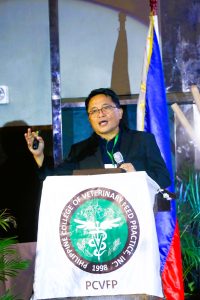
Dr Ferdinand Tating
The law consolidates oversight of veterinary drugs and biologics, strengthens BAI, and creates a PHP 20 billion (USD 324 million) annual fund for livestock, poultry, and dairy development. Transitioning by April 2026, the reforms aim to align Philippine practices with global standards and reinforce accountability.
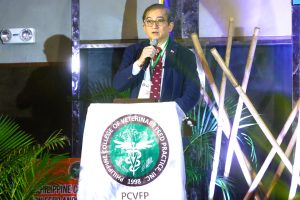
Michael Garcia, Department of Agriculture Assistant Secretary for Swine and Poultry
A highlight of the congress was the launch of the 2026 edition of the Philippine Compendium on Feed and Veterinary Drug Laws, first published in 2000.
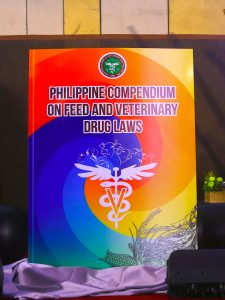
Dr Alicia Layson, PCVFP Fellow and Head of BAI’s Licensing, Registration, and Certification Section, described it as a living document that bridges policy and practice, consolidating decades of regulatory evolution while offering clear compliance guidance.
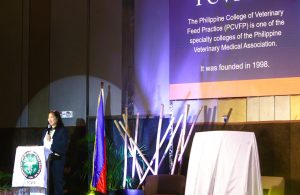
Dr Alicia Layson
PCVFP President Sharon Castro noted its timely release alongside RA 12308, highlighting the congress as a platform for the BAI to introduce the new law.
Industry leaders stressed the need for adaptive strategies amid volatile grain and oilseed markets. Alex de Leon of Cargill Animal Health and Nutrition explained that nutrient profiles vary widely by origin and season, making precision analysis critical. Rising shipping and fertilizer costs, he added, demand flexible approaches to feed formulation.
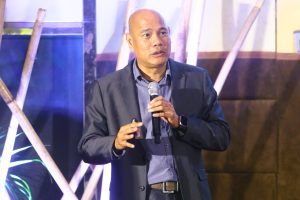
Alex de Leon
Dr Benito Oliveros, Country Representative of USSEC Philippines, noted that corn and soybean meal provide not only energy and amino acids but also bioactive compounds that boost immunity and resilience. Research shows higher soybean inclusion can reduce respiratory disease in pigs, improve growth, and lower mortality. Functional nutrition, he concluded, strengthens systems and supports long‑term sustainability.
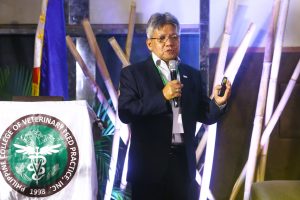
Dr Benito Oliveros
Dr Allan Quintos, Regional Manager of GrainPro Philippines presented hermetic storage as a safer alternative to fumigation, preserving maize and rice bran without toxic chemicals. Field trials showed six‑month storage with no infestations or mold, ensuring safer feed for humans and livestock.

Dr Allan Quintos
Gut health is emerging as a cornerstone of swine recovery as antibiotic growth promotants are being phased out. Ermin Magtagnob, Technical Manager–Swine Asia at ADM Animal Nutrition, urged producers to adopt holistic programs that strengthen biosecurity, improve water quality, and reduce disease pressure. He reported that trials with copper clay blends and plant extracts boosted growth and feed efficiency. Looking ahead, he pointed to innovations such as microbiome sequencing and AI‑assisted systems as tools for precision gut health management.
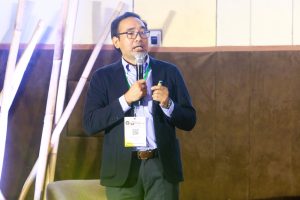
Ermin Magtagnob
Roselle Cudal, Head of Technical–Livestock Business Unit at Elanco, discussed antimicrobial resistance (AMR), warning that misuse of antibiotics accelerates resistance and threatens productivity, food safety, and public health.
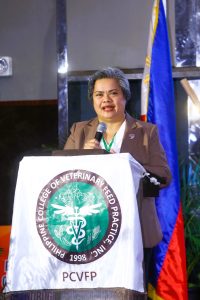
Dr Roselle Cudal
She outlined bacterial resistance mechanisms and urged strict adherence to product labels, responsible antibiotic rotation, and collaboration with government and academia. Dr Cudal emphasized that AMR is not only a veterinary issue but a public health concern, underscoring the importance of a One Health approach.
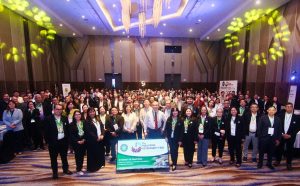
Dr Gatchalian reflected on the congress as a rare opportunity to unite leaders extending to every tier of the food value chain. By breaking down barriers and promoting greater inclusivity, it strengthened the farm-to-fork continuum. Despite major global challenges — including climate and conflict-driven cost pressures, animal health crises, and evolving regulations shaped by broader socio-political factors — stakeholders remain committed to moving forward with faith, resilience, and shared momentum. Attendance reached about 200, underscoring growing interest in collaborative approaches. She noted that feed serves as the common denominator across diverse industries, linking farmers, manufacturers, regulators, and consumers.
Preparations for the online edition of the Veterinary Feed Congress on November 25, 2026, with sessions tailored to participants’ needs. Dr Castro explained that the digital format will expand access to practitioners who could not attend in person, ensuring broader participation. Certainly, the congress is reinforcing the role of feed and veterinary practice in building resilient food systems.
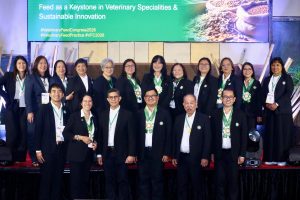
PCVFP members
Certainly, VFC’s on‑site theme this year, ‘Synergy in Practice: Feed as a Keystone of Veterinary Specialties and Sustainable Innovation’, resonated strongly. The congress realized this vision with success, weaving feed into discussions as a unifying pillar across the agricultural landscape. By spotlighting feed’s central role, organizers raised awareness, encouraged collaboration, and reinforced veterinary feed practice as vital to resilient food systems. This focus aligned with PCVFP’s continuing commitment to food safety, food security, and the broader One Health framework.



Subscribe now to the technical magazine of animal nutrition
AUTHORS
From 2025 Data to 2026 Decisions: Managing Mycotoxin Risk in a Changing Climate
Alterion® NE Celebrates 10 Years of Poultry Gut Health Innovation
The Science Behind Kolin Plus: Beyond Choline Replacement
Summer Infertility in Sows: Managing Heat Stress and Reproductive Performance
AO-Biotics® Amaferm®: Supporting Livestock Digestion and Performance

Interview with Güner Gövenç
Güner Gövenç,
Net Energy and Precision Feeding Shape the Future of Poultry Nutrition
Edgar Oviedo
Mycotoxins in Swine: Health Risks and Nutritional Solutions
Giuseppe Carcò
Mycotoxins and Piglet Ear Necrosis: Cause, Cofactor or Coincidence?
Alberto Morillo
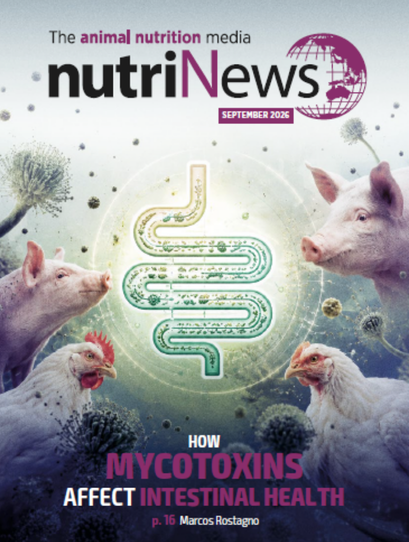
How Mycotoxins Affect Intestinal Health in Pigs and Poultry
Marcos Rostagno
From Antibiotics to Functional Feeds in Aquaculture
Babatunde Saliu
Peas as an Alternative to Soybean Meal in Beef Cattle Finishing Diets
Daniel Villalba Mata,
Improving Egg Yolk Pigmentation Through Better Nutrient Transport
Aquaculture and Aquaponics Nutrition: How Fish Shape the Growth of Greens
Trenton Corby
Consistency in Soybean Meal Drives Performance and Sustainability