 01 Aug 2023
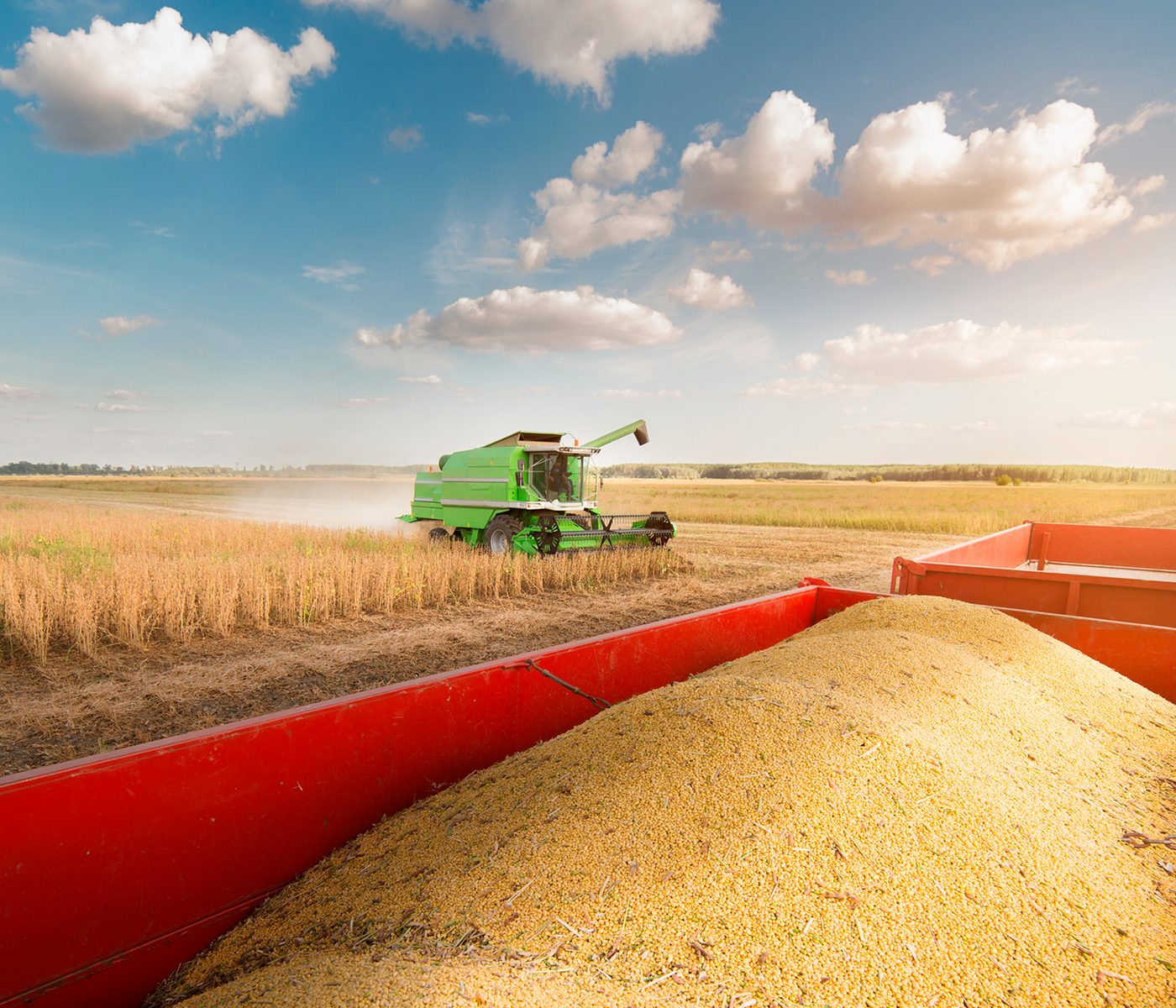
FEFAC, the European Feed Manufacturers’ Federation, is thrilled to announce the launch of the updated version of the FEFAC Soy Sourcing Guidelines. This latest “2023 update” brings a pivotal change, with a new criterion focusing on the protection of natural ecosystems, making it an essential requirement for certification and verification schemes and programs.
The key modification in the 2023 update centers around ensuring that certified soy has not been cultivated in converted natural ecosystems, including:
A guideline that aligns with the definition provided by the Accountability Framework Initiative. The cut-off date for compliance with this criterion is set no later than 31 December 2020. To ascertain adherence to the FEFAC Soy Sourcing Guidelines, the International Trade Centre (ITC) will facilitate the benchmarking exercise.

It is noteworthy that an overwhelming majority of schemes – 19 out of 20 – applying for benchmarking against the FEFAC Guidelines 2021 version, already embraced the desired criterion on conversion-free soy, emphasizing the industry’s dedication to sustainability.

President of FEFAC, Pedro Cordero, expressed his satisfaction with the updated guidelines, stating: “The updated FEFAC Soy Sourcing Guidelines demonstrate the value of responsible soy schemes and programs in assuring deforestation and conversion-free soy supply chains, collecting the necessary information, and enabling optimal risk management. Our key objective in developing these guidelines is to provide market transparency for FEFAC members and other soy value chain partners.”
While the FEFAC Soy Sourcing Guidelines still encompass 73 criteria, covering a wide spectrum of sustainability aspects, including good agricultural practices, responsible working conditions, and environmental protection measures, the updated version introduces one more essential criterion, bringing the total to 18 desired criteria. Schemes seeking to pass the benchmarking exercise must incorporate at least 8 of these desired criteria.
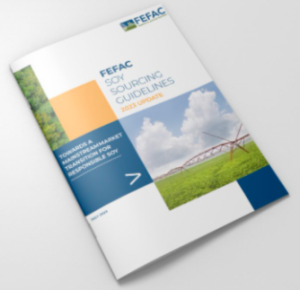
In light of the update, responsible soy certification schemes and programs have been invited to apply for benchmarking against the revised FEFAC Guidelines. Moreover, FEFAC has received interest from schemes that have not been previously benchmarked. The ITC has promptly adapted the FEFAC webpage on ITC Standards Map to anticipate new benchmarking results. This adaptation will enable users to differentiate between benchmarking results against the 2021 and 2023 versions, providing transparency on which schemes meet the conversion-free status of certified farmers through satellite polygons.
However, President Pedro Cordero emphasized, “At the present stage, the Soy Sourcing Guidelines 2023 update cannot be considered an EUDR compliance tool, as too many operational questions about EUDR implementation remain unanswered. Nevertheless, we firmly believe that all verification and certification programs and schemes passing the ITC facilitated benchmarking exercise offer valuable information to soy value chain partners for risk assessment and establishing the required documentation under the new EUDR, pending further clarification via commodity-specific best practice guidelines to operators.”
FEFAC encourages all stakeholders in the soy value chain to actively participate in adopting and implementing these updated guidelines. “Together, we can drive positive change towards more sustainable and responsible soy sourcing practices, safeguarding our natural ecosystems for future generations.”
For more information about the FEFAC Soy Sourcing Guidelines and the benchmarking exercise, visit: https://fefac.eu/newsroom/news/fefac-soy-sourcing-guidelines-2023-update-includes-conversion-free-soy-as-essential-criterion/
About FEFAC
The European Feed Manufacturers’ Federation (FEFAC) represents the interests of the European compound feed and premix industry at the European level. FEFAC’s mission is to advocate for an economically, socially, and environmentally sustainable livestock production chain, promoting the best interests of feed manufacturers and the livestock sector as a whole.
Source: FEFAC Soy Sourcing Guidelines 2023 Update
You may also like to read: “Sustainability a key factor for animal nutrition”


Subscribe now to the technical magazine of animal nutrition
AUTHORS
From 2025 Data to 2026 Decisions: Managing Mycotoxin Risk in a Changing Climate
Alterion® NE Celebrates 10 Years of Poultry Gut Health Innovation
The Science Behind Kolin Plus: Beyond Choline Replacement

Summer Infertility in Sows: Managing Heat Stress and Reproductive Performance
AO-Biotics® Amaferm®: Supporting Livestock Digestion and Performance

Interview with Güner Gövenç
Güner Gövenç,
Net Energy and Precision Feeding Shape the Future of Poultry Nutrition
Edgar Oviedo
Mycotoxins in Swine: Health Risks and Nutritional Solutions
Giuseppe Carcò
Mycotoxins and Piglet Ear Necrosis: Cause, Cofactor or Coincidence?
Alberto Morillo
How Mycotoxins Affect Intestinal Health in Pigs and Poultry
Marcos Rostagno
From Antibiotics to Functional Feeds in Aquaculture
Babatunde Saliu
Peas as an Alternative to Soybean Meal in Beef Cattle Finishing Diets
Daniel Villalba Mata,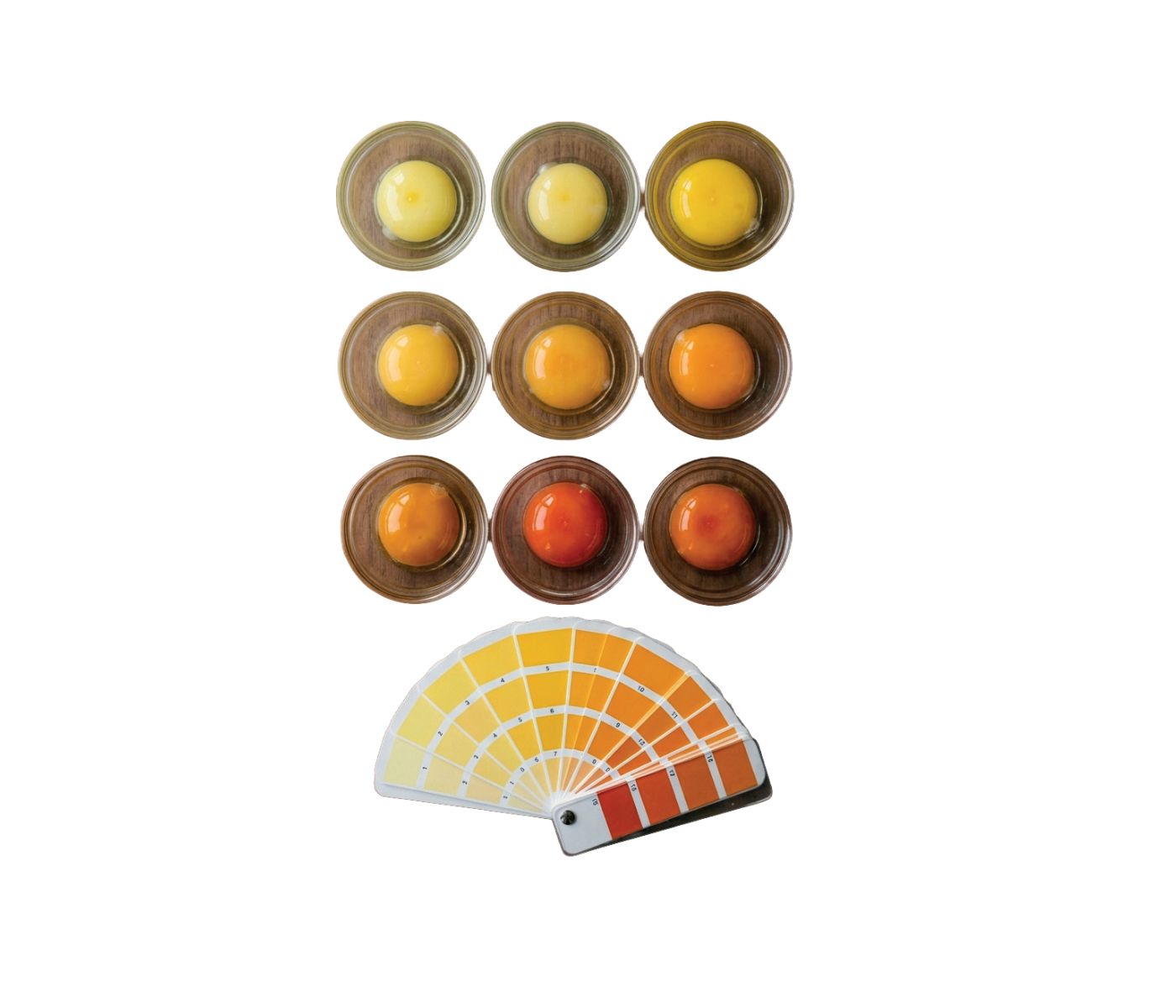
Improving Egg Yolk Pigmentation Through Better Nutrient Transport

Aquaculture and Aquaponics Nutrition: How Fish Shape the Growth of Greens
Trenton Corby
Consistency in Soybean Meal Drives Performance and Sustainability