 06 Jun 2024
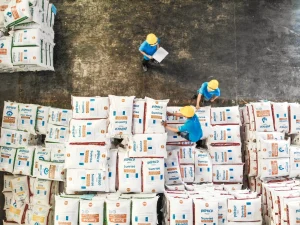
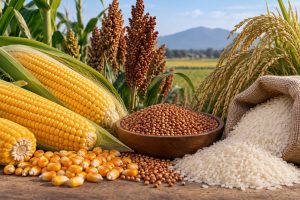
In Canada, the federal government is dedicating $8.1 million to advancing the development and production of alternative oilseed crops such as camelina, flax, carinata, mustard, and sunflowers. This significant investment aims to diversify crop options beyond canola, which has long dominated the market.
Announced in late May, the funding for the Diverse Field Crops Cluster supports crucial research into these alternative oilseed crops. The goal is to enhance their yield and profitability while addressing environmental concerns, including the reduction of greenhouse gas emissions from crop production.
Prairie commodity groups and companies focusing on these crops are also contributing $6 million to the cluster, bringing the total investment to nearly $15 million. Lawrence MacAulay, Canada’s agriculture minister, emphasized the importance of this research in building resilience against climate change impacts.
“Our farmers are among the first to feel the impacts of climate change. That’s exactly why we’re supporting this important research to increase the yield and profitability of diverse field crops and make the sector more resilient,” MacAulay stated.


Oilseeds like carinata and camelina have long been suggested as viable alternatives to canola, particularly in the drier regions of the Prairies, such as the brown soil zone in southern Saskatchewan. Carlene Sarvas, production lead with Smart Earth Camelina Corp., highlighted the growing importance of camelina in drought-prone areas:
“Camelina is targeted for those areas where canola underperforms, which have been increasing due to ongoing drought conditions.”
Despite their potential, crops like camelina and carinata have struggled to gain significant acreage on the Prairies. Camelina cultivation has fluctuated between 5,000 to 20,000 acres for years, partly due to high canola prices, which have remained above $600 per tonne since 2020. The Diverse Field Crops Cluster aims to make these alternative oilseeds more competitive and improve the resilience of crop production in Western Canada.


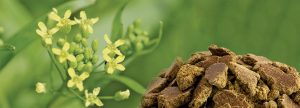
According to Ag-West Bio, which leads the research cluster, crops more tolerant to water and heat stress can reduce greenhouse gases and increase carbon sequestration. Additionally, diverse crops can provide value-added products, contributing to economic growth and development. Part of the funding will be allocated to benchmarking the greenhouse gas emissions from crops such as camelina and carinata. This effort aligns with the federal government’s target of reducing greenhouse gas emissions from nitrogen fertilizer by 30% by 2030.

Canola, which requires substantial nitrogen fertilizer, could see reduced emissions with the introduction of more alternative oilseeds in Western Canada’s cropland. The $15 million investment in the Diverse Field Crops Cluster marks the second round of funding for research into rotational crops, demonstrating a continued commitment to sustainable agricultural practices and crop diversification.
Canada’s investment in the Diverse Field Crops Cluster underscores a significant move towards diversifying crop production. By focusing on alternative oilseeds like camelina, flax, carinata, mustard, and sunflowers, the initiative aims to enhance resilience against climate change, reduce greenhouse gas emissions, and drive economic growth through value-added products.



Subscribe now to the technical magazine of animal nutrition
AUTHORS

From 2025 Data to 2026 Decisions: Managing Mycotoxin Risk in a Changing Climate
Alterion® NE Celebrates 10 Years of Poultry Gut Health Innovation
The Science Behind Kolin Plus: Beyond Choline Replacement

Summer Infertility in Sows: Managing Heat Stress and Reproductive Performance
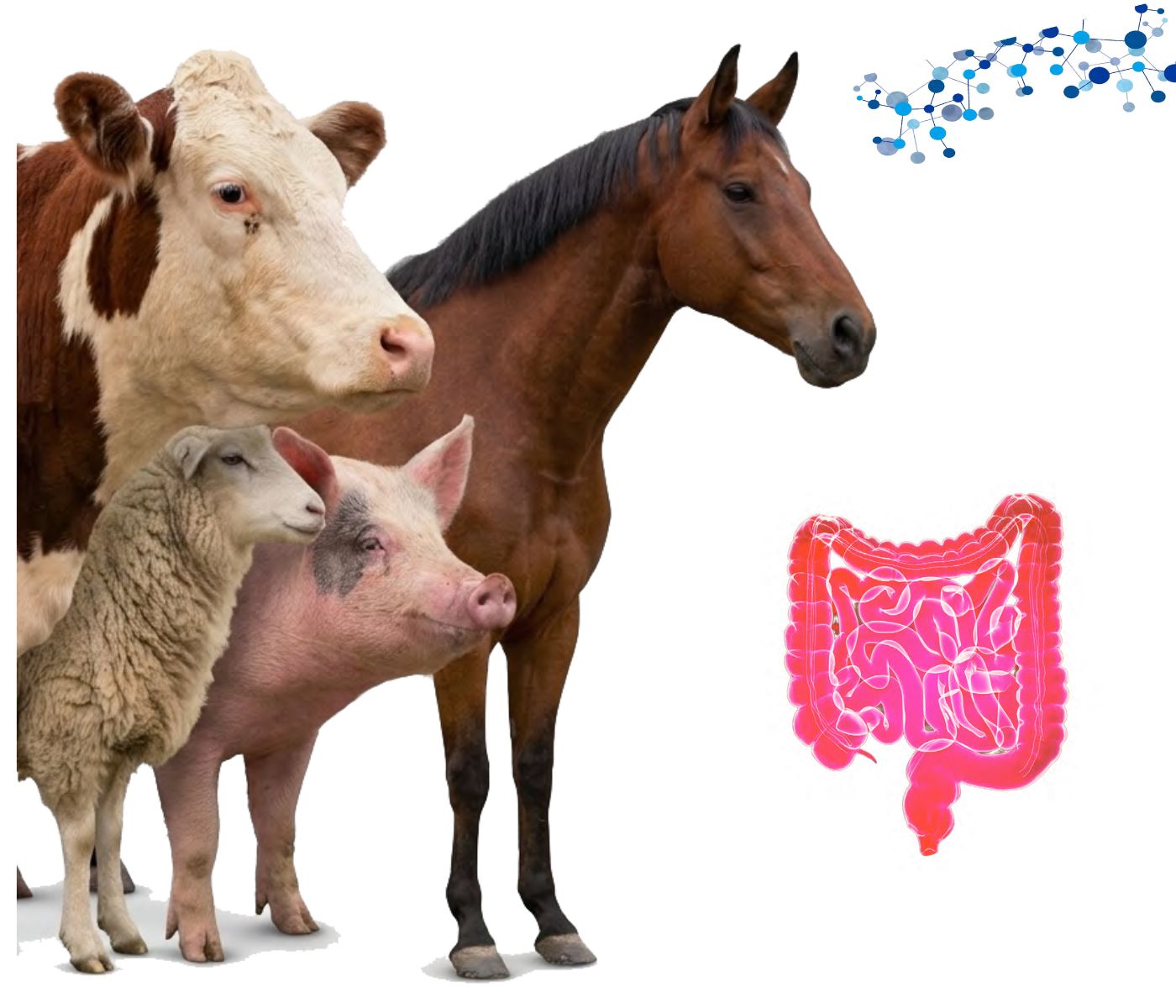
AO-Biotics® Amaferm®: Supporting Livestock Digestion and Performance

Interview with Güner Gövenç
Güner Gövenç,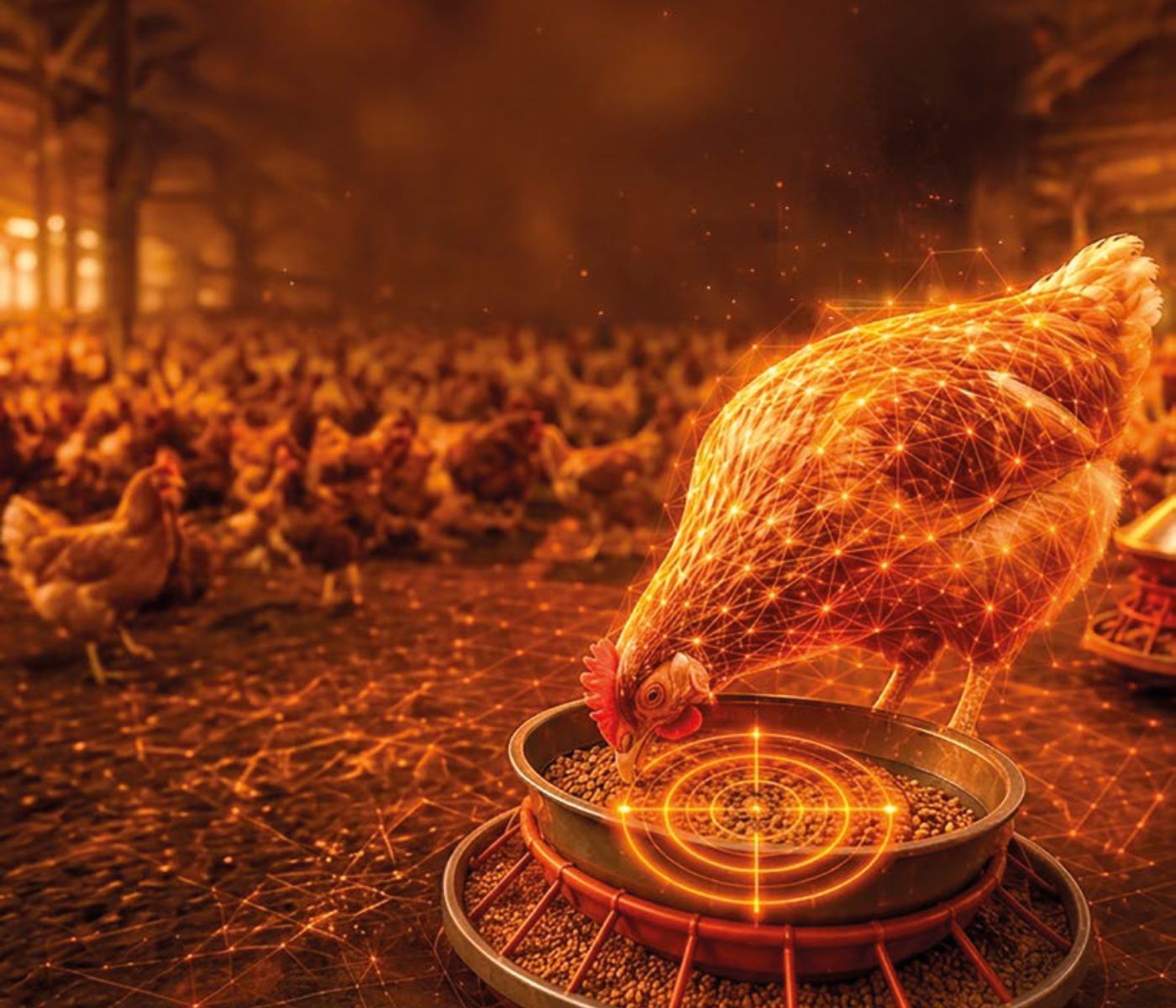
Net Energy and Precision Feeding Shape the Future of Poultry Nutrition
Edgar Oviedo
Mycotoxins in Swine: Health Risks and Nutritional Solutions
Giuseppe Carcò
Mycotoxins and Piglet Ear Necrosis: Cause, Cofactor or Coincidence?
Alberto Morillo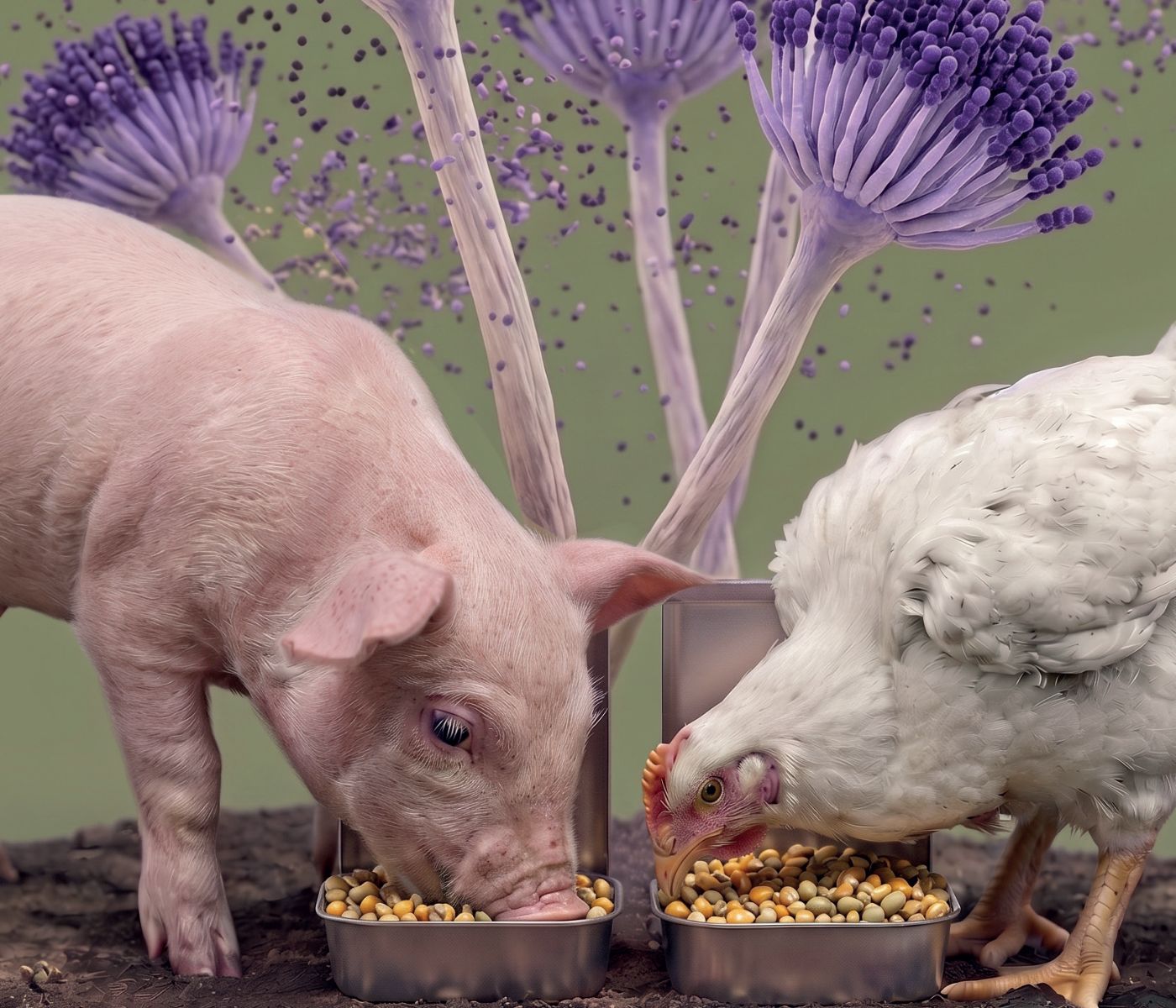
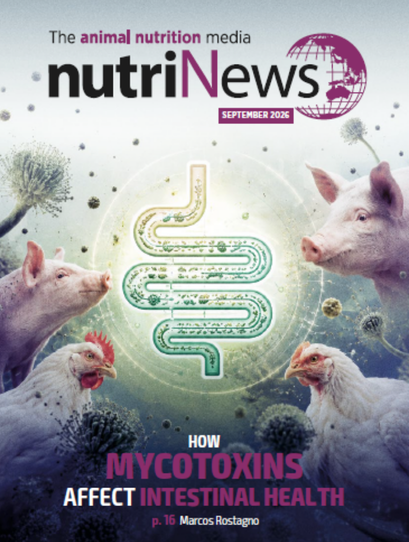
How Mycotoxins Affect Intestinal Health in Pigs and Poultry
Marcos Rostagno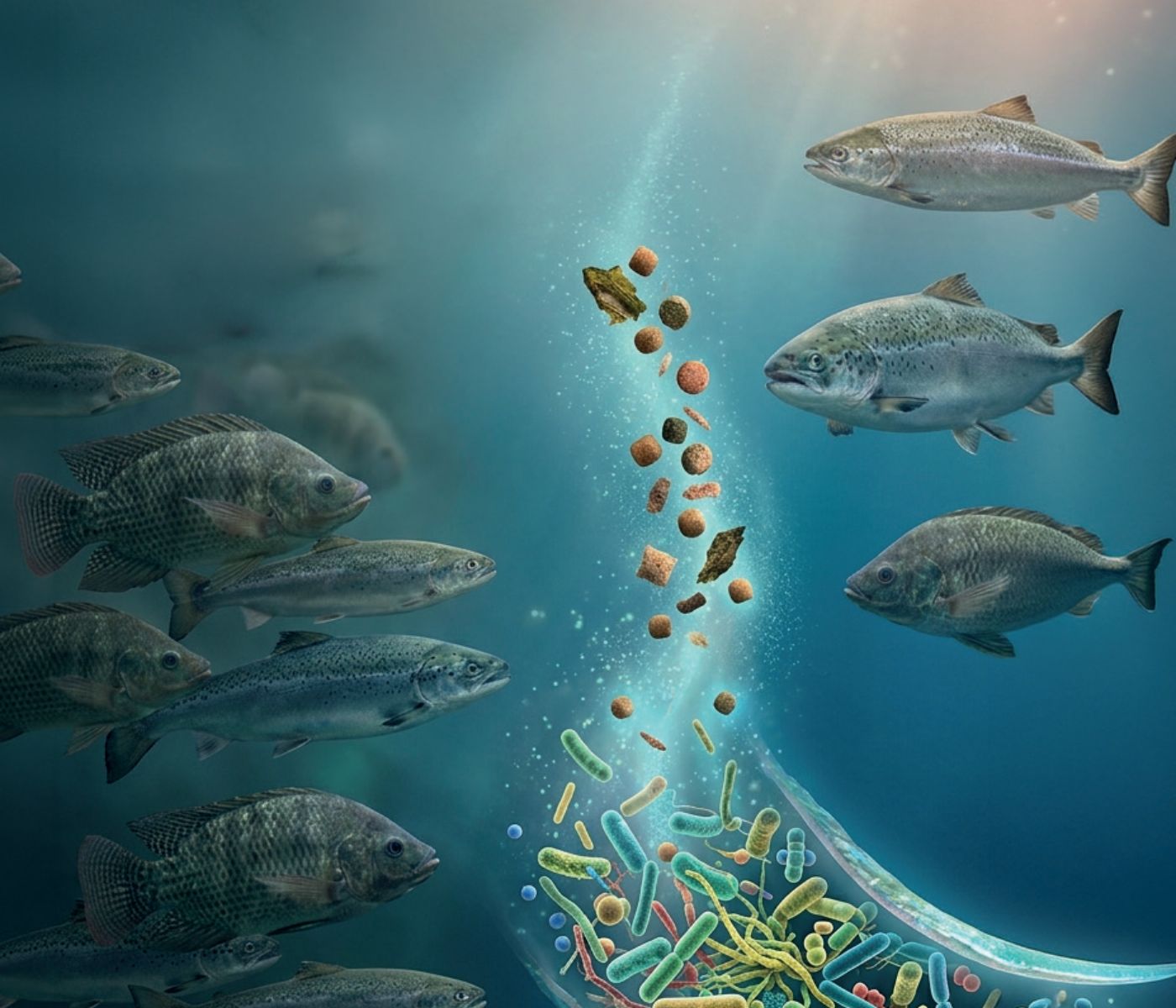
From Antibiotics to Functional Feeds in Aquaculture
Babatunde Saliu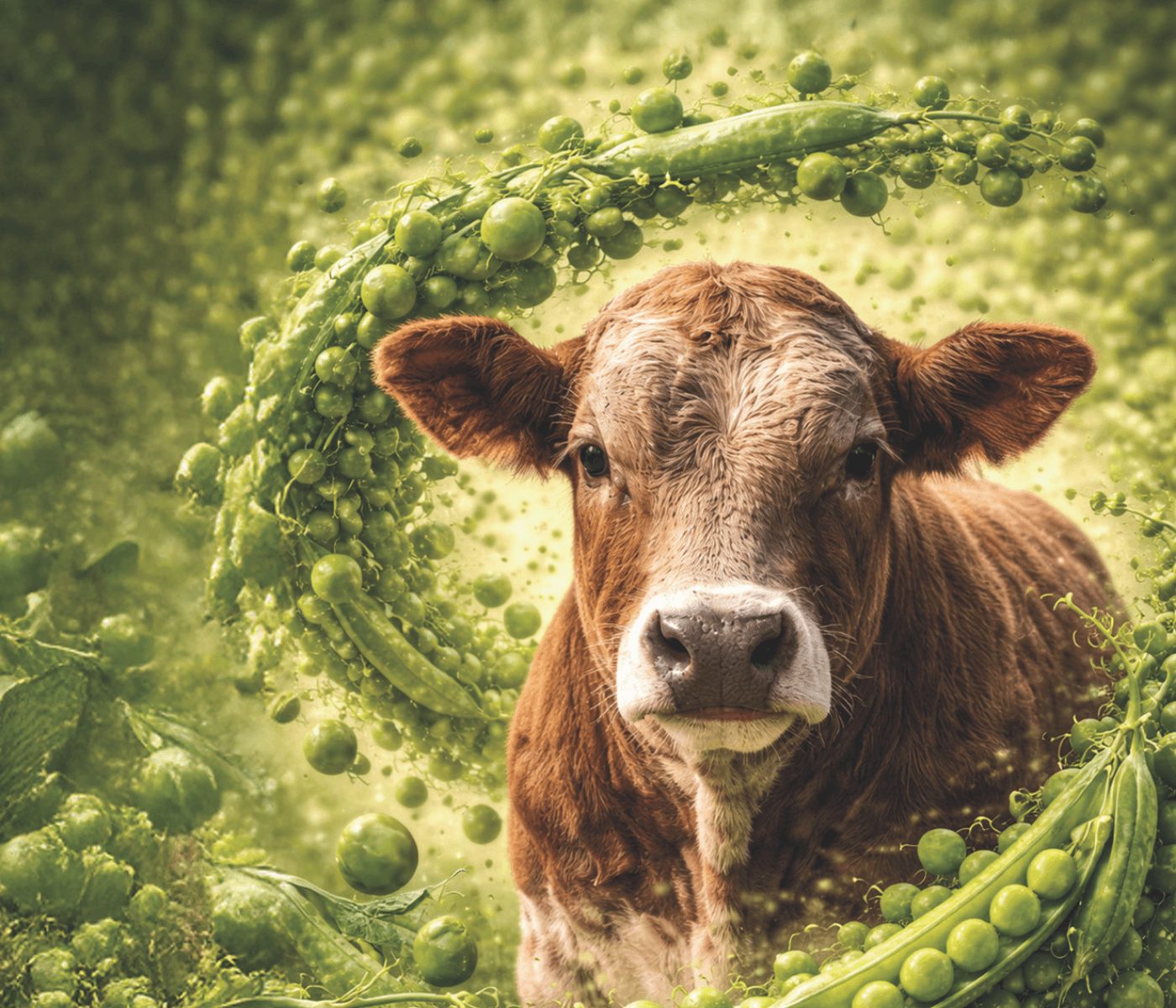
Peas as an Alternative to Soybean Meal in Beef Cattle Finishing Diets
Daniel Villalba Mata,
Improving Egg Yolk Pigmentation Through Better Nutrient Transport

Aquaculture and Aquaponics Nutrition: How Fish Shape the Growth of Greens
Trenton Corby
Consistency in Soybean Meal Drives Performance and Sustainability