Genetic improvement in corn strengthens its strategic role in animal nutrition
The evolution of corn hybrids and the advancement of biotechnology are transforming not only grain productivity, but also the entire relationship between agriculture, animal nutrition, and bioenergy production.
Today, corn occupies a strategic position within modern agricultural systems, supporting livestock production, ethanol manufacturing, feed industries, and sustainable food production simultaneously.
Advances in genetic improvement, biotechnology, and precision management are intensifying corn productivity and expanding its strategic importance for animal nutrition.
Corn at the center of modern agriculture
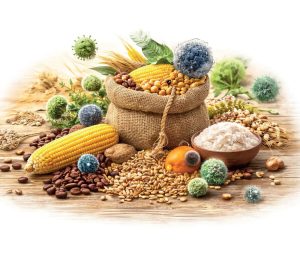
Corn has become one of the most important pillars of the Brazilian agricultural system, connecting crop production, ethanol industries, and livestock farming into an increasingly integrated value chain.
The crop’s versatility allows it to contribute simultaneously to:
- Food security
- Bioenergy production
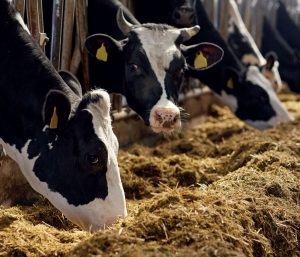
- Livestock feed supply
- Poultry and swine nutrition
- Silage production systems
This multifunctional role has elevated corn beyond a simple commodity crop, positioning it as a strategic raw material for both the food and energy sectors.
A strategic crop
Corn now serves as a critical link between agriculture, renewable energy, and animal protein production.
The impact of genetic improvement
One of the greatest achievements of modern corn breeding has been the remarkable increase in productivity achieved over recent decades. National average yields in Brazil increased from approximately 2,200 kg/ha in 1990 to more than 6,000 kg/ha in 2025.
In high-technology production systems, yields may exceed 12,000 kg/ha, highlighting the direct influence of improved genetics, biotechnology, and integrated management practices.
Modern hybrids have been developed to tolerate:
- Drought stress
- Pest pressure
- Disease challenges
- Tropical growing conditions
These advances have contributed to more resilient and stable production systems capable of sustaining increasing demand for feed grains and bioenergy inputs.
The incorporation of genes associated with drought tolerance and pest resistance has significantly improved production stability in tropical systems.
Biotechnology accelerates hybrid development
Biotechnology and precision breeding tools are accelerating the development of new corn cultivars. Technologies such as:
- Genomic selection
- Molecular markers
- Double haploid (DH) lines
- Genotype-environment interaction models
These tools allow breeders to shorten breeding cycles and bring more adapted hybrids to the market faster and with greater precision.
This integration between genetics and data-driven technologies is becoming one of the defining characteristics of modern crop improvement programs.
Precision agriculture and genetics
The use of sensors, drones, satellite imagery, and digital platforms is helping breeders identify performance variations with increasing accuracy.
Corn and the expansion of ethanol co-products
One of the most important developments linked to increasing corn production is the expansion of ethanol plants and the growing availability of co-products such as:
- DDG (Dried Distillers Grain)
- WDG (Wet Distillers Grain)
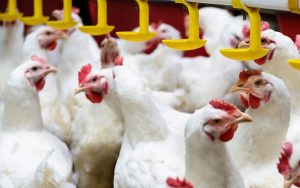
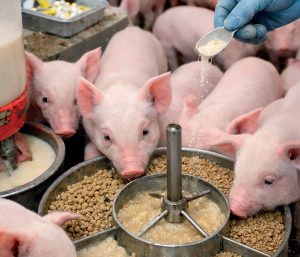
These co-products have high protein and energy value and are increasingly incorporated into feed formulations for cattle, pigs, and poultry.
DDG and WDG are reinforcing the sustainability and economic efficiency of meat, milk, and egg production systems.
Corn as a driver of future animal nutrition
As global demand for food, feed, and renewable energy continues to increase, corn is expected to remain one of the most strategic crops for modern agriculture.
The continuous integration of:
- Advanced genetics
- Biotechnology
- Digital agriculture
- Precision management
- Sustainable production strategies
is strengthening the crop’s ability to support increasingly complex animal nutrition and bioenergy systems.
By integrating genetics, biotechnology, digitalization, and sustainability, corn production is becoming one of the foundations of modern animal nutrition and renewable energy systems.
🔒 Contenido exclusivo para usuarios registrados.
Regístrate gratis para acceder a este post y a muchos más contenidos especializados. Solo te llevará un minuto y tendrás acceso inmediato.
Iniciar sesiónRegístrate en nutriNews
REGISTRARME