



KEY FINDING
USDA research indicates that increasing lipid oxidation can negatively affect feed intake, growth rate and feed efficiency. Fat quality should therefore be considered alongside energy value when selecting ingredients for animal diets.
 08 Oct 2026
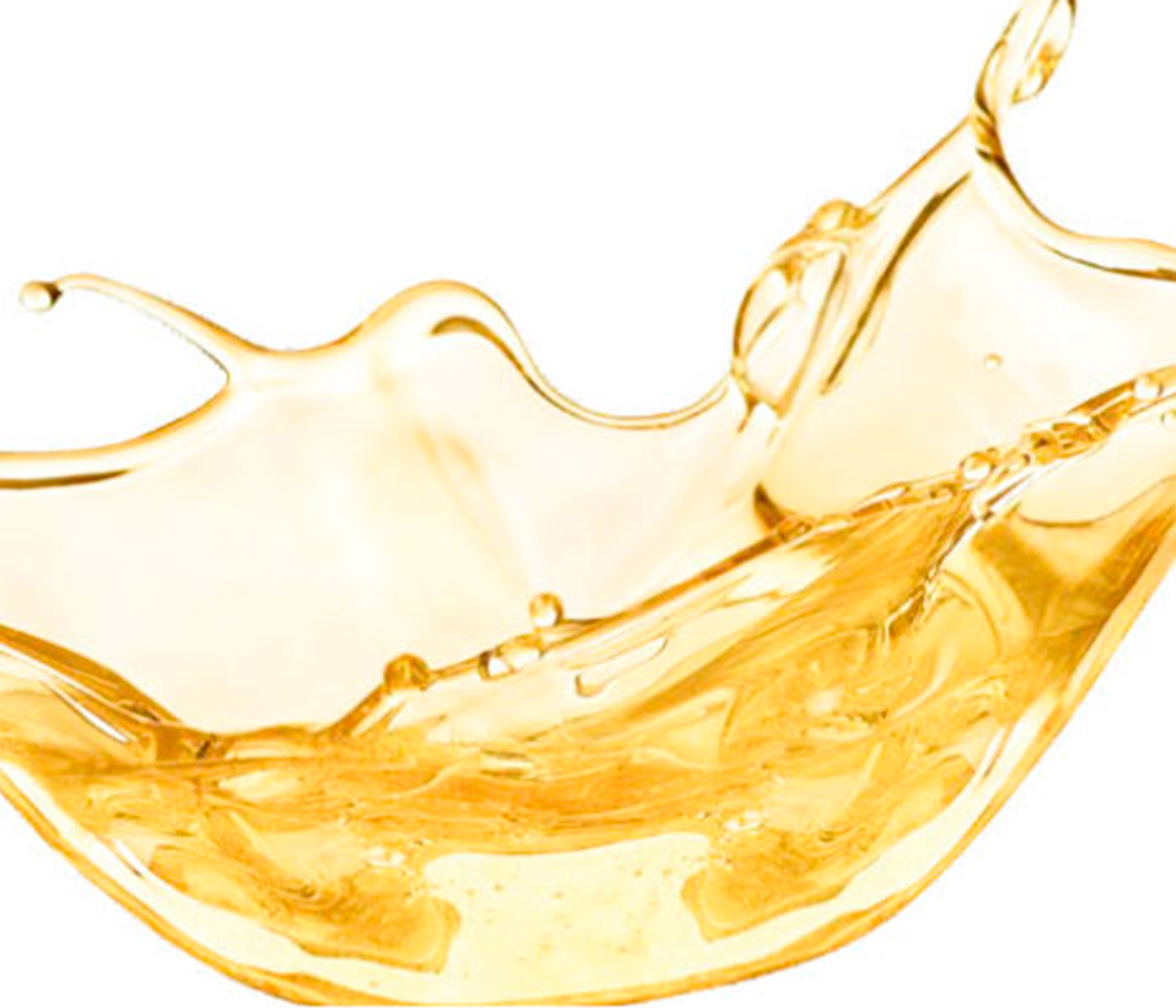
Fats and oils play an important role in livestock nutrition, providing a concentrated source of energy that can help support growth and feed efficiency. But not all fats deliver the same nutritional value, even when they appear similar in a feed formulation.
Research conducted through a long-standing collaboration between the USDA Agricultural Research Service (ARS) and the University of Minnesota is drawing attention to an often-overlooked factor: the extent to which dietary lipids have deteriorated through oxidation.
According to a USDA summary of 15 years of research, feeding oxidized fats and oils has been associated with substantial reductions in animal performance, including growth and feed-intake losses of up to 25% in pigs and 10% in broiler chickens under the conditions evaluated.
The findings highlight an important consideration for nutritionists and feed manufacturers: the value of a fat source depends not only on its energy concentration and purchase price, but also on its chemical quality and degree of oxidation.

KEY FINDING
USDA research indicates that increasing lipid oxidation can negatively affect feed intake, growth rate and feed efficiency. Fat quality should therefore be considered alongside energy value when selecting ingredients for animal diets.
Lipids are widely incorporated into pig and poultry diets because of their high energy density. Compared with carbohydrates and proteins, fats provide a concentrated energy source that can help formulate diets to meet the requirements of rapidly growing animals.
Beyond supplying energy, dietary lipids contribute essential fatty acids and can influence the absorption of fat-soluble nutrients.


However, the nutritional value of a fat source depends on several characteristics, including its fatty acid composition, digestibility and chemical stability.
One particularly important consideration is oxidative deterioration, which can change the properties of fats before they are consumed.
Lipid oxidation is a chemical process in which fats react with oxygen, producing a range of compounds that can alter their nutritional properties.
This process may be accelerated by heat, prolonged storage and exposure to oxygen. Oils subjected to repeated heating, such as those used in commercial frying operations, can be particularly vulnerable to deterioration.
As oxidation progresses, primary degradation products can break down into secondary compounds, including aldehydes and other reactive molecules.
These changes are important because oxidation products can interfere with normal physiological and metabolic processes, potentially affecting feed consumption and the efficiency with which animals utilize dietary nutrients.
WHAT IS LIPID OXIDATION?
Lipid oxidation involves the chemical deterioration of fats and oils, producing compounds that can compromise their nutritional quality. The greater the oxidative damage, the higher the potential risk of adverse effects on animal performance.
The USDA-ARS and University of Minnesota research program examined the nutritional consequences of incorporating fats and oils with different degrees of oxidative deterioration into livestock diets.
Across the research summarized by USDA, animals consuming more extensively oxidized lipid sources generally exhibited poorer productive responses.
The reported reductions reached up to 25% in pigs and 10% in broiler chickens for feed intake and growth-related outcomes under the experimental conditions studied.
These figures illustrate the potential magnitude of the problem, although they should not be interpreted as the expected performance loss whenever recycled or previously heated oils are used.
The response depends on factors such as the type of lipid, oxidation severity, concentration of degradation products and amount of affected fat incorporated into the complete diet.
REPORTED PERFORMANCE EFFECTS
Up to 25% in pigs and 10% in broilers for reductions in feed intake and growth-related performance under evaluated conditions.
An important contribution of the research is its examination of how fatty acid composition influences oxidation susceptibility.
A related scientific review published in the Journal of Animal Science evaluated evidence from 16 publications and found differences between lipid sources dominated by saturated and unsaturated fatty acids.
Fats containing higher proportions of saturated fatty acids, such as tallow, lard and palm oil, were generally less susceptible to oxidation under the conditions considered.
In contrast, oils rich in unsaturated fatty acids, including soybean, corn and canola oils, were more prone to forming lipid oxidation products.
For these unsaturated lipid sources, greater concentrations of oxidation products were associated with poorer pig growth, feed intake and gain efficiency.
This does not mean that unsaturated oils are inherently unsuitable for animal feed. Rather, it reinforces the importance of appropriate handling, storage and quality evaluation when using oxidation-sensitive lipid sources.
One challenge for feed manufacturers is determining whether a fat source has undergone sufficient oxidative deterioration to affect its nutritional value.
Common laboratory measurements include:
Peroxide value (PV)
Measures primary lipid oxidation products, particularly hydroperoxides.
Anisidine value (AnV)
Provides information about certain secondary oxidation products, including aldehydes.
Thiobarbituric acid reactive substances (TBARS)
Estimates selected compounds associated with lipid oxidation, although the test has limitations in complex lipid mixtures.
However, the researchers emphasize that no single conventional measurement fully captures the complexity of lipid oxidation.
Peroxides can form and subsequently degrade as oxidation progresses. Consequently, a relatively low peroxide value does not necessarily establish that an oil has remained free from oxidative deterioration.
The scientific review found that combining peroxide and anisidine values provided useful information for estimating performance responses in pigs consuming oxidized unsaturated fats.
The researchers also investigated whether individual aldehydes could provide additional information about the relationship between lipid oxidation and pig performance.
Several compounds, including 4-hydroxynonenal, hexanal, pentanal and 2-undecenal, were identified among the oxidation products associated with performance outcomes.
Statistical models incorporating selected aldehydes showed improved predictive ability for some measures of pig performance compared with conventional oxidation indices.
Nevertheless, the improvement was not uniform across all outcomes. The researchers noted that the additional predictive benefit for average daily gain and average daily feed intake was relatively limited.
The practical implication is that multiple complementary quality measurements may be more informative than relying on a single oxidation indicator.
BEYOND A SINGLE QUALITY INDEX
A fat source cannot always be adequately characterized by one laboratory result. Combining measurements of primary and secondary oxidation products may provide a more useful assessment of its potential nutritional value.
Recycling fats and oils from food-processing and food-service operations can support more efficient resource use and reduce waste.
These materials may provide economically attractive energy sources for livestock feeds when they meet appropriate quality and safety specifications.
However, their previous exposure to heat and oxygen can influence their chemical composition and degree of oxidation.
Two recycled fat sources with similar total fat content may therefore differ in their actual nutritional value.
For feed mills, this creates a challenge: an ingredient that appears less expensive on a purchase-price basis may become less economical if its quality negatively affects animal performance.
The research supports evaluating alternative lipid sources according to both their analytical quality and expected contribution to the complete diet.
Fat inclusion decisions are often driven by ingredient prices and the energy contribution assigned to different lipid sources.
But a conventional formulation approach may not fully account for the consequences of oxidative deterioration.
If a lower-cost fat source reduces feed intake, growth rate or feed efficiency, the apparent savings in formulation cost may be offset by poorer productive performance.
This becomes particularly relevant in commercial swine production, where even relatively small changes in average daily gain or feed conversion can influence production costs.
Understanding lipid quality can therefore improve decisions about ingredient procurement, feed formulation and the economic value assigned to alternative fat sources.
The findings reinforce the importance of incorporating fat-quality evaluation into ingredient selection and quality-control programs.
For feed manufacturers, several considerations are particularly relevant:
Evaluate oxidation status. Consider complementary indicators of primary and secondary lipid oxidation when assessing fat quality.
Account for lipid source. Fatty acid composition influences susceptibility to oxidative deterioration.
Consider processing and storage history. Repeated heating and prolonged exposure to unfavorable conditions can affect quality.
Assess complete-diet exposure. The concentration of oxidation products in the finished diet matters, not simply their concentration in the fat ingredient.
Evaluate economic value beyond purchase price. Potential changes in animal performance should be considered when comparing lipid sources.
These considerations do not establish universal acceptance limits for oxidized fats. Instead, they provide a basis for more informed quality-control decisions, supported by analytical testing and the intended dietary inclusion level.
Precision nutrition is often associated with balancing amino acids, energy, minerals and other nutrients as closely as possible to animal requirements.
However, the USDA research illustrates why ingredient quality must also be part of that precision.
Two diets formulated to contain similar amounts of added fat may not produce equivalent responses if their lipid sources differ substantially in oxidative damage.
Likewise, the energy value assigned to a fat source may not fully reflect the potential biological effects of oxidation products on feed intake and growth.
Integrating lipid-quality measurements into feed evaluation could therefore help nutritionists better understand variation in animal responses and make more informed decisions about alternative energy ingredients.
The nutritional value of dietary fat is not determined by energy concentration alone. Oxidation status, fatty acid composition and the concentration of degradation products can all influence the performance response to a lipid source.
Fats and oils will continue to play an important role in livestock feed formulation, including opportunities to incorporate suitable recycled resources.
But the research conducted by USDA-ARS and the University of Minnesota highlights an important distinction between the apparent energy value of an ingredient and its practical nutritional contribution.
As the feed industry seeks to improve efficiency, control costs and make greater use of alternative ingredients, evaluating lipid oxidation could become an increasingly valuable part of feed quality management.
The goal is not necessarily to avoid recycled fats, but to ensure that the ingredients selected provide consistent nutritional value without compromising animal performance.
USDA Agricultural Research Service. 15 Years of Data Could be the Key Ingredient to Animal Feed. USDA Scientific Discoveries.
Kerr, B.J., Hung, Y.-T., Chen, C. & Shurson, G.C. (2026). Aldehydes are key for assessing dietary lipid oxidation and subsequent effects on pig growth performance. Journal of Animal Science, 104, skaf407. https://doi.org/10.1093/jas/skaf407
The Pig Site. (2026, July 8). USDA research links degraded fats in feed to growth losses.

Subscribe now to the technical magazine of animal nutrition
AUTHORS
From 2025 Data to 2026 Decisions: Managing Mycotoxin Risk in a Changing Climate
Alterion® NE Celebrates 10 Years of Poultry Gut Health Innovation
The Science Behind Kolin Plus: Beyond Choline Replacement

Summer Infertility in Sows: Managing Heat Stress and Reproductive Performance
AO-Biotics® Amaferm®: Supporting Livestock Digestion and Performance

Interview with Güner Gövenç
Güner Gövenç,
Net Energy and Precision Feeding Shape the Future of Poultry Nutrition
Edgar Oviedo
Mycotoxins in Swine: Health Risks and Nutritional Solutions
Giuseppe Carcò
Mycotoxins and Piglet Ear Necrosis: Cause, Cofactor or Coincidence?
Alberto Morillo
How Mycotoxins Affect Intestinal Health in Pigs and Poultry
Marcos Rostagno
From Antibiotics to Functional Feeds in Aquaculture
Babatunde Saliu
Peas as an Alternative to Soybean Meal in Beef Cattle Finishing Diets
Daniel Villalba Mata,
Improving Egg Yolk Pigmentation Through Better Nutrient Transport

Aquaculture and Aquaponics Nutrition: How Fish Shape the Growth of Greens
Trenton Corby
Consistency in Soybean Meal Drives Performance and Sustainability