Home » Alternative Protein Sources for Sustainable Ruminant Nutrition
 16 Sep 2026
Alternative Protein Sources for Sustainable Ruminant Nutrition
Beyond Soybean Meal: Alternative Protein Sources for More Sustainable Ruminant Nutrition
The search for alternatives to soybean meal is accelerating as livestock producers face rising feed costs, supply-chain uncertainty and pressure to reduce agriculture’s environmental footprint. A systematic review published in Agriculture evaluates 12 categories of protein sources for ruminant diets and concludes that no single ingredient can replace soybean meal in every situation. Instead, the most promising pathway is a hybrid feeding strategy that combines locally available resources with targeted use of novel, high-value proteins.
KEY MESSAGE
The future of sustainable ruminant protein may not depend on finding a single replacement for soybean meal. Instead, combining local feed resources, agro-industrial by-products and strategically selected novel proteins could offer greater nutritional, environmental and economic flexibility.
Why the industry is looking beyond soybean meal
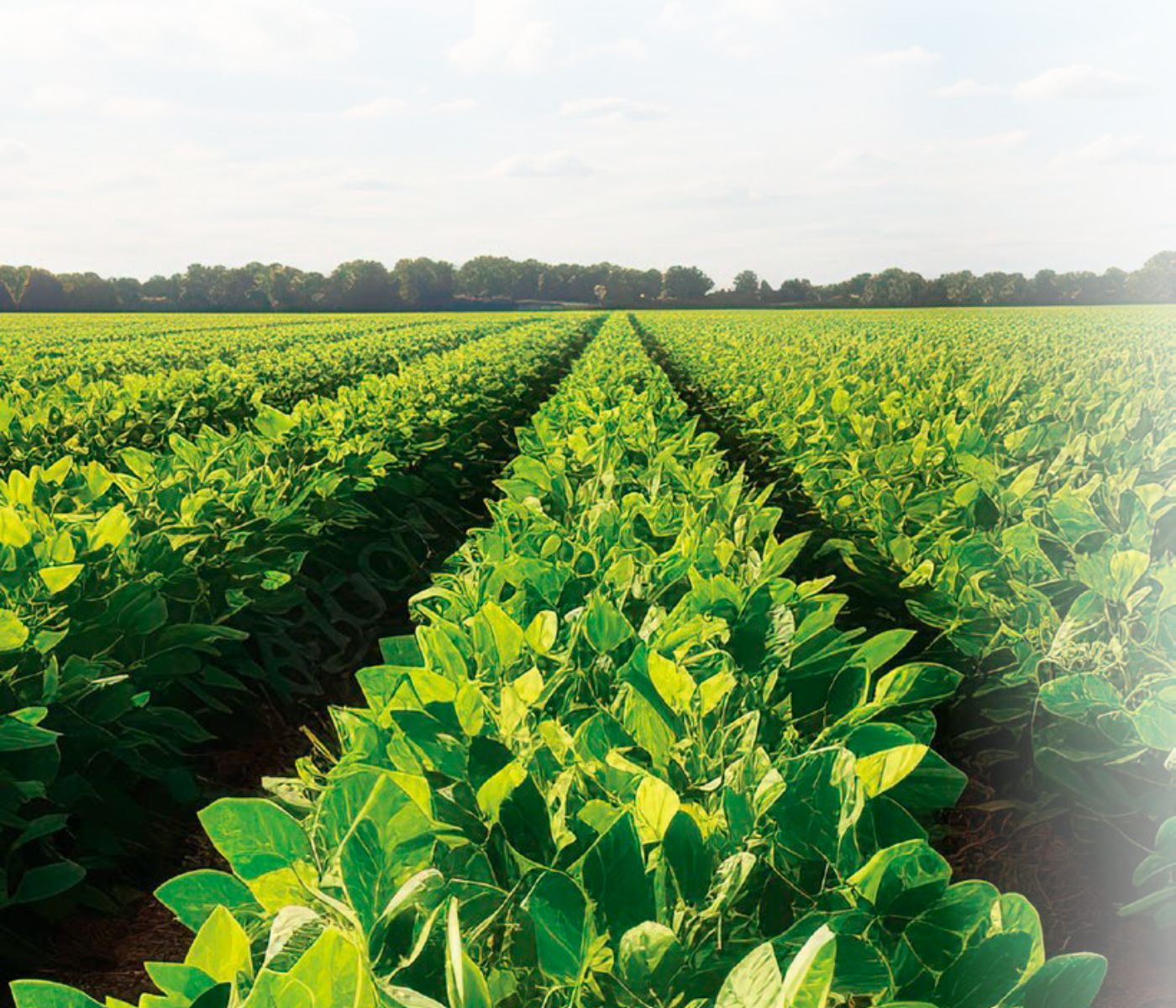
Soybean meal remains a widely used protein ingredient because it provides concentrated protein, a favorable amino acid profile and strong nutritional value. However, its price and availability are influenced by global trade, while soybean production can be associated with land-use change, deforestation, greenhouse-gas emissions and high water demand.
Protein is also one of the most expensive components of ruminant feed. The review notes that total feed can account for approximately 60–75% of livestock production costs, with protein ingredients representing a substantial share of concentrate costs. This makes protein sourcing a major factor in farm profitability and resilience.
The environmental challenge extends beyond the production of the ingredient itself. Poorly balanced protein diets can increase:
- Nitrogen excretion in manure and urine.
- Ammonia emissions.
- Nitrous oxide emissions from manure and soils.
- Nutrient losses to water.
- Dependence on imported feed resources.
What the review examined
López-Herrera, Delgado-Pertíñez and Muñoz-Vallés analyzed 177 peer-reviewed studies published between 2002 and 2023. The database contained 698 observations across 12 protein-source categories, including:
- Soybean meal.
- Oilseed meals and cakes.
- Pulses and other whole seeds.
- Forages.
- Agro-industrial by-products.
- Fermented feeds.
- Seaweeds.
- Animal by-products.
- Insects.
- Non-protein nitrogen sources.
- Microalgae.
- Single-cell proteins.
The authors compared sources according to crude protein content, amino acid profile, rumen degradability, intestinal digestibility, methane emissions, land use, water demand, safety and economic viability.
Crude protein concentration alone does not determine the nutritional value of an ingredient for ruminants. Rumen degradability, intestinal digestibility, amino acid supply and synchronization between nitrogen and fermentable energy can be equally important.
Protein quality varies widely
The review shows that crude protein concentration alone is not enough to determine whether an ingredient is suitable for ruminants. Nutritionists must also consider:
- Essential amino acid supply.
- Rumen-degradable protein (RDP).
- Rumen-undegradable protein (RUP).
- Intestinal digestibility.
- The rate at which nitrogen becomes available to rumen microbes.
- The balance between protein and fermentable energy.
Soybean meal averaged approximately 48% crude protein on a dry-matter basis in the reviewed data. Microalgae, insects, animal by-products and single-cell proteins were also generally in the 43–47% range, although the number and quality of studies varied among categories.
The review found that seaweeds, animal by-products, insects and microalgae often supplied higher concentrations of essential amino acids than soybean meal. In particular, several alternative sources provided more lysine, methionine, threonine and isoleucine, although results varied by species, processing method and production system.
Microalgae, insects and single-cell proteins show promise
Microalgae
Microalgae such as Chlorella, Arthrospira and Nannochloropsis can contain protein levels comparable to or higher than soybean meal. They may also provide favorable amino acid profiles and functional compounds that support immunity, cholesterol metabolism and feed efficiency.
The review estimates that microalgae supplementation reduced enteric methane by an average of approximately 37%, although reported results ranged widely. In some studies, reductions approached 75%, while in others there was little effect or emissions increased.
Microalgae can be cultivated on non-arable land, in saline or brackish water and, in some systems, using wastewater nutrients. However, production can require substantial energy for temperature control, harvesting and drying. If fossil energy is used, the carbon footprint may increase significantly. Renewable energy and larger-scale production could improve the environmental profile.
Insect meal
Insects, including black soldier fly larvae, mealworms, crickets and silkworm larvae, are attractive because they can convert low-value organic materials into concentrated protein and fat.
The review identifies several potential advantages:
- High protein and amino acid density.
- Low land requirement.
- Lower water use than many conventional protein crops.
- Ability to use approved agricultural or food-processing residues.
- Potential methane reductions averaging approximately 17%, although results ranged from no change to reductions of more than 40%.
Insect protein may be highly soluble and relatively degradable in the rumen. This can support microbial protein synthesis, but it may also limit the amount of protein reaching the small intestine in high-producing animals. Heat treatment, fat extraction and other processing methods may help improve rumen bypass value.
The primary barriers are production cost, limited industrial scale, biosecurity, substrate regulations and possible allergenicity. Insect production can also lose some of its environmental advantage if insects are raised on human-edible grains rather than approved low-value by-products.
Single-cell proteins
Single-cell proteins are produced from bacteria, fungi or yeasts through fermentation. They can provide protein levels comparable to soybean meal and, in some cases, higher concentrations of lysine and methionine.
Their main sustainability advantage is their ability to convert agricultural or industrial residues into protein while requiring relatively little land and water. Their environmental performance, however, depends strongly on the substrate, fermentation process, energy source and downstream processing.
SUSTAINABILITY REQUIRES A FULL-SYSTEM VIEW
An ingredient that uses little land is not automatically environmentally superior. Energy requirements, processing, transport, digestibility, methane emissions and the origin of production inputs can substantially change its overall footprint.
Local and circular feed resources remain important
Novel ingredients attract considerable attention, but more conventional alternatives may offer some of the most immediate opportunities for reducing dependence on imported soybean meal.
Oilseed meals, pulses, agro-industrial by-products, fermented feeds and locally produced forages can already be incorporated into ruminant feeding systems in many regions. Their economic and environmental advantages are particularly relevant when they are locally available and can replace ingredients transported over long distances.
Agro-industrial by-products are especially attractive from a circular-economy perspective because ruminants can transform materials with little or no direct value for human consumption into nutritionally valuable animal products.
Environmental performance is more complex than carbon footprint alone
The review emphasizes that environmental comparisons between protein sources need to consider multiple dimensions. These include greenhouse-gas emissions, land occupation, water consumption, energy requirements, nutrient efficiency and potential competition with human food production.
For example, microalgae may use little land but require considerable energy for drying. Insects may use little water but lose some environmental advantage if fed grain. A by-product may have a low allocated carbon footprint but still create high emissions if it requires intensive drying or has poor digestibility.
This is why the authors recommend evaluating environmental impact per unit of bioavailable nutrient, rather than simply per kilogram of ingredient.
The case for hybrid protein strategies
The review concludes that the most practical path is not to find one universal replacement for soybean meal, but to develop a functional hybridization model.
Such a model could combine:
- Local legumes or oilseed meals as the primary protein base.
- Agro-industrial by-products to improve affordability and circularity.
- Targeted amounts of insects, microalgae or single-cell proteins to correct amino acid limitations.
- Seaweed or other functional ingredients to support methane reduction.
- Forages and silvopastoral systems to maintain the biological role of ruminants as converters of fibrous biomass.
- Rumen-protected amino acids or protein sources where necessary.
FROM REPLACEMENT TO COMPLEMENTARITY
Rather than asking which ingredient can completely replace soybean meal, the more useful question may be: which combination of protein sources provides the required nutrients at the lowest economic and environmental cost within a particular production system?
This approach recognizes that ruminants are not simply another livestock species competing with humans for grain. Their particular value lies in converting grasses, crop residues and other fibrous materials that people cannot eat into milk, meat and other products.
Safety and regulation remain essential
Before alternative proteins can be widely adopted, the review identifies several safety priorities:
- Screening for heavy metals, mycotoxins, pathogens and toxic secondary compounds.
- Controlling contamination during fermentation, insect rearing and algae production.
- Monitoring possible transfer of compounds into milk or meat.
- Establishing species-specific inclusion limits.
- Ensuring that processing improves digestibility without damaging protein quality.
- Developing consistent regulatory standards and quality-control protocols.
These requirements are particularly important for novel ingredients with limited long-term feeding data.
Outlook
Alternative proteins could help make ruminant production more resilient by reducing dependence on imported soybean meal, strengthening local feed systems and supporting circular use of agricultural by-products. Microalgae, insects, seaweeds and single-cell proteins have strong technical and environmental potential, but their commercial adoption remains constrained by processing costs, supply-chain development, regulatory requirements and incomplete data.
The strongest near-term opportunities may come from ingredients that are already available at regional scale—such as pulses, oilseed meals, distillers grains, fermented feeds and other by-products. Novel proteins can then be used strategically to improve amino acid balance, methane performance or nutrient efficiency.
The future of sustainable ruminant nutrition is therefore likely to be based on diversity rather than substitution: combining conventional, local and novel ingredients according to their nutritional function, environmental profile and economic value.
There may be no single “next soybean meal.” A more resilient strategy could involve using locally available conventional proteins as the foundation and incorporating novel ingredients where they provide a specific nutritional, environmental or functional advantage.
Source
López-Herrera M, Delgado-Pertíñez M, Muñoz-Vallés S. Protein Sources for Ruminant Feed: A Systematic Review of Nutritional Value and Sustainability. Agriculture. 2026;16:537.
The review analyzed 177 peer-reviewed studies, 12 protein-source categories and 21 life-cycle assessment studies to compare nutritional value, environmental impacts, safety and economic viability of alternatives to soybean meal.