 nutriNews Asia
Noticias 27 Oct






Four days of expert-led training, practical problem-solving and hands-on learning inside a working commercial feed mill, designed for feed industry professionals across Asia.
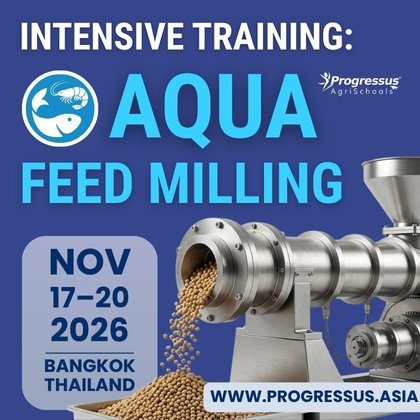
Progressus AgriSchool has opened registration for the Livestock Feed Milling Management AgriSchool, taking place in Bangkok, Thailand from 19 to 22 January 2027.
The four-day, in-person certificate course is designed to help feed mill professionals strengthen their practical skills in process optimization, maintenance, shrinkage control, raw material management and overall plant efficiency.

Building on a successful 2026 edition
The 2027 program builds on the success of the 2026 edition, which brought together feed industry professionals from Thailand, Vietnam, the Philippines, Malaysia, India, Pakistan and Bangladesh.
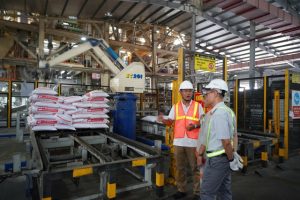
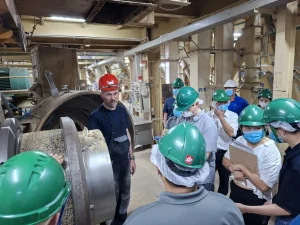
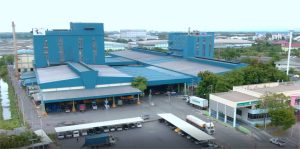
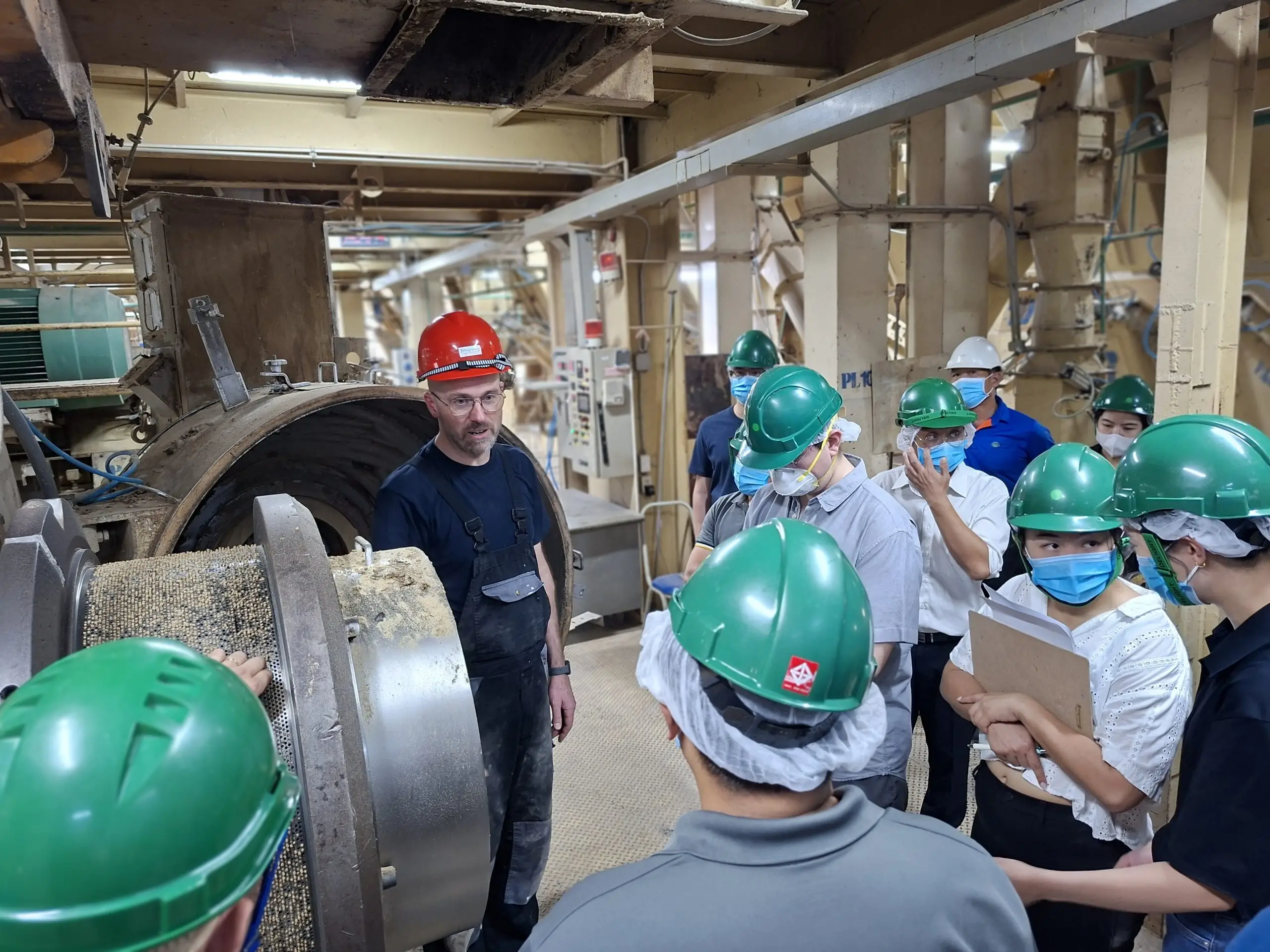
A key highlight was the Top Feed Mill visit, where participants went inside a working commercial feed mill and examined real production processes, equipment and operating practices with experienced facilitators.
The hands-on experience allowed participants to connect classroom knowledge with the challenges and opportunities found on an actual production line.

One participant described the experience as “this course is the complete package for the feed milling industry, with a strong team of facilitators covering different areas of expertise from start to end of the feed mill process. What I found particularly valuable was that I learned not only about the production process, but also about the planning stage, which was truly eye-opening.”
Learn how to improve feed mill performance
The course follows the feed manufacturing process from raw material receiving and grain management through grinding, batching, mixing, steam conditioning, pelleting, cooling, crumbling and post-pelleting liquid application.
Participants will learn how decisions at each stage can influence throughput, feed quality, energy consumption, shrinkage and operating costs.
The training goes beyond understanding the production process. Participants will develop practical skills to identify bottlenecks, assess machine and line capacity, improve OEE, reduce downtime and control material losses.
They will also explore how raw material characteristics and feed formulations affect machinery settings, process efficiency and finished feed quality.
Maintenance and reliability are another key focus. Participants will learn how to approach maintenance more systematically to reduce unexpected downtime and improve equipment utilization.
The program also covers feed mill design, digitalization and smart feed mill technologies, together with practical management topics such as forecasting, budgeting, CAPEX planning and operational KPIs.

Practical learning inside a commercial feed mill
The program combines classroom training with a dedicated feed mill visit and workshop. During the plant visit, participants will examine real operating conditions and collect observations related to process optimization, shrinkage, maintenance, energy and raw material management.
They will then work in groups to analyze what they have seen, develop improvement recommendations and discuss their findings with the facilitators. This practical exercise is designed to strengthen their ability to diagnose plant problems, interpret production information and turn technical observations into practical actions.


Learn from experienced feed milling specialists
The faculty brings together specialists with complementary expertise across the feed milling process.
With the specialists also joining the feed mill visit, participants can discuss technical questions directly while seeing equipment and processes in operation.
Join a regional feed milling learning network
With participants from across Thailand, Vietnam, the Philippines, Malaysia, India, Pakistan and Bangladesh in the 2026 edition, the AgriSchool provides more than technical training. It creates an opportunity for feed mill professionals to exchange experiences, compare challenges across markets and learn from how other plants approach production and efficiency.
Livestock Feed Milling Management AgriSchool
19–22 January 2027 | Bangkok, Thailand
For program details and registration, visit www.progressus.asia or contact [email protected].


Subscribe now to the technical magazine of animal nutrition
AUTHORS
From 2025 Data to 2026 Decisions: Managing Mycotoxin Risk in a Changing Climate
Alterion® NE Celebrates 10 Years of Poultry Gut Health Innovation
The Science Behind Kolin Plus: Beyond Choline Replacement
Summer Infertility in Sows: Managing Heat Stress and Reproductive Performance
AO-Biotics® Amaferm®: Supporting Livestock Digestion and Performance

Interview with Güner Gövenç
Güner Gövenç,
Net Energy and Precision Feeding Shape the Future of Poultry Nutrition
Edgar Oviedo
Mycotoxins in Swine: Health Risks and Nutritional Solutions
Giuseppe Carcò
Mycotoxins and Piglet Ear Necrosis: Cause, Cofactor or Coincidence?
Alberto Morillo
How Mycotoxins Affect Intestinal Health in Pigs and Poultry
Marcos Rostagno
From Antibiotics to Functional Feeds in Aquaculture
Babatunde Saliu
Peas as an Alternative to Soybean Meal in Beef Cattle Finishing Diets
Daniel Villalba Mata,
Improving Egg Yolk Pigmentation Through Better Nutrient Transport

Aquaculture and Aquaponics Nutrition: How Fish Shape the Growth of Greens
Trenton Corby
Consistency in Soybean Meal Drives Performance and Sustainability