 10 Jun 2026
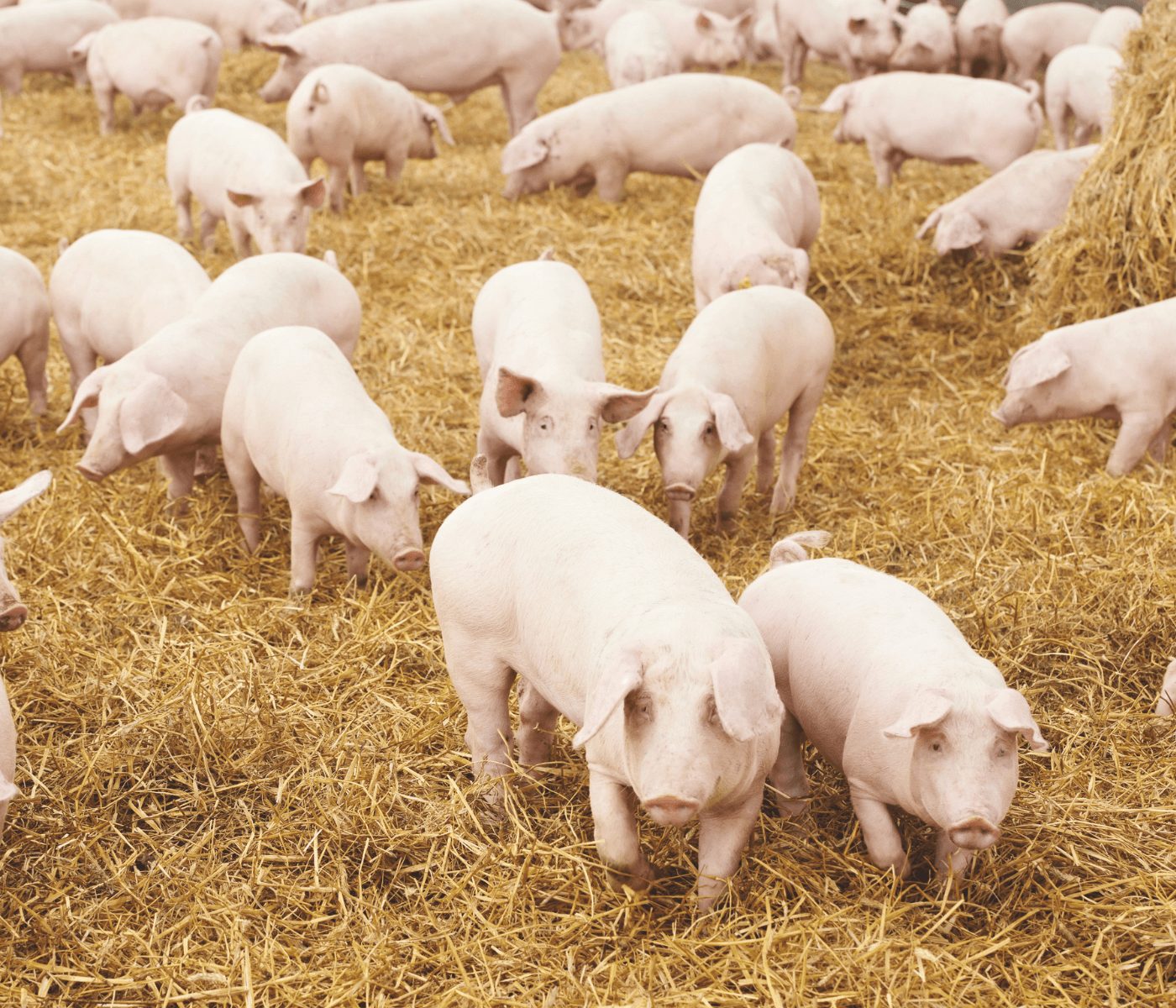
Feed formulation is becoming a strategic tool in global pig production, balancing economics, performance, health, and sustainability.
Feed formulation is one of the most important levers in modern pig production. Around the world, swine producers are under pressure to improve growth performance, control costs, support gut health, and reduce environmental impact, all while maintaining consistent feed quality and ingredient availability.
The global pork industry is operating in an increasingly complex environment. Ingredient availability, price volatility, disease pressure, regulatory changes, environmental expectations, and consumer demands are reshaping how nutritionists formulate diets. As a result, formulation is no longer simply a matter of meeting nutrient requirements at the lowest possible cost. It has become a strategic function that directly influences productivity, resilience, profitability, and long-term competitiveness.
One of the most significant trends in swine nutrition is the move toward greater precision. Nutritionists are increasingly using digestible amino acid systems, phase feeding, precision nutrition, and data-driven formulation tools to better match nutrient supply with the pig’s changing requirements throughout its life cycle.

This approach helps reduce nutrient waste, improve feed conversion efficiency, lower production costs, and avoid unnecessary inclusion of expensive ingredients. In an industry where feed commonly represents 60–70% of total production costs, even small improvements in formulation can have substantial economic benefits.
Precision nutrition is transforming the way pig diets are designed. Rather than formulating around broad safety margins, nutritionists are increasingly focusing on providing nutrients that closely match the animal’s actual requirements at each production stage.
Advances in feed evaluation systems, nutrient digestibility databases, and production analytics allow nutritionists to make more informed decisions about energy, amino acids, minerals, vitamins, and functional ingredients.

Phase feeding programs have become particularly important because nutrient requirements change significantly from weaning through finishing. Matching nutrient supply more accurately to animal needs helps improve biological efficiency while reducing feed costs and nutrient excretion.
Cost control remains at the center of swine feed formulation. Feed is typically the largest expense in pig production, so even modest changes in ingredient prices or nutrient density can have a major impact on profitability.
Nutritionists must continuously balance corn, soybean meal, wheat, alternative proteins, fats, fiber sources, minerals, amino acids, and specialty ingredients to achieve the best economic return while maintaining performance targets.
At the same time, ingredient markets have become increasingly unpredictable. Weather events, geopolitical tensions, supply chain disruptions, trade policies, and biofuel demand can all influence the availability and cost of key feed ingredients.
This uncertainty has increased interest in flexible formulation strategies that allow nutritionists to rapidly adjust diets when traditional ingredients become expensive or difficult to source.
In many regions, nutritionists are also reconsidering the role of fiber-rich and non-traditional ingredients. These ingredients can help reduce costs and support gut function, but they require careful balancing to avoid negative effects on digestibility and energy density.
This is particularly important in young pigs, where digestive capacity is still developing and nutrient digestibility remains critical for growth and health.
Swine formulation is increasingly being used to support gut health, immunity, resilience, and overall animal robustness. This trend has accelerated globally as producers seek to reduce reliance on antimicrobial inputs while maintaining productivity.
Nutrition is now viewed as a key component of health management. Rather than focusing solely on growth performance, modern diets are often designed to help create a stable intestinal environment that supports digestive efficiency and disease resilience.
Functional ingredients such as:
are increasingly incorporated into feeding programs to support digestive function and microbial balance.
The early-life phase remains one of the most important targets for nutritional intervention. Starter diets must be highly digestible, palatable, and carefully balanced to support post-weaning adaptation.
Challenges during this stage can have long-lasting effects on growth performance, feed efficiency, mortality, and piglet uniformity throughout the production cycle.
Sustainability has become a central theme in global feed formulation. Pork production faces increasing scrutiny regarding resource use, greenhouse gas emissions, nutrient losses, and environmental footprint.
Nutrition offers one of the most effective pathways for improving production efficiency while reducing environmental impact.
Producers and feed companies are increasingly exploring:
These strategies can reduce nitrogen and phosphorus excretion while maintaining growth performance and carcass quality.
In some markets, formulation is increasingly shaped by circular agriculture principles, including the use of agricultural co-products, food industry by-products, and locally available feed ingredients that reduce dependence on imported raw materials.
Although the core principles of swine nutrition are universal, formulation strategies vary significantly across regions.
North America tends to emphasize least-cost formulation, large-scale production efficiency, and rapid adaptation to commodity markets.
Europe often places greater emphasis on sustainability metrics, environmental performance, animal welfare considerations, and regulatory compliance.
Asia, where pork remains a major protein source and disease pressure can be significant, frequently prioritizes digestibility, feed safety, ingredient flexibility, and nutritional strategies that support herd resilience.
These regional differences highlight an important reality: there is no single global formulation model. The best nutritional strategy depends on local ingredient availability, production systems, genetics, climate conditions, disease challenges, and market requirements.
The future of swine feed formulation will likely be shaped by three major forces: digital technologies, alternative ingredients, and health-driven nutrition.
Artificial intelligence, predictive analytics, machine learning, and dynamic formulation systems are already helping feed companies make faster and more informed nutritional decisions.
At the same time, pressure to reduce dependence on conventional protein sources is accelerating research into new ingredient categories, including insect proteins, microbial proteins, algae-derived products, and novel co-products.
Health-focused nutrition is also expected to play an increasingly important role as producers continue seeking nutritional solutions that improve resilience and reduce disease-related performance losses.
Feed formulation has evolved from a least-cost exercise into a strategic management tool. Today’s nutritionists must balance economics, ingredient availability, animal health, environmental performance, and production efficiency in an increasingly complex global marketplace.
For pig producers, success will depend on embracing nutritional innovation while maintaining focus on practical performance outcomes. The companies that thrive will be those that treat feed formulation not as a static recipe, but as a continuously optimized system capable of adapting to changing market conditions and production challenges.
In a world where efficiency, resilience, and sustainability are becoming increasingly interconnected, feed formulation will remain one of the most powerful tools available to support the future of global pork production.

Subscribe now to the technical magazine of animal nutrition
AUTHORS

Consistency in Soybean Meal Drives Performance and Sustainability
Anna Cotcho
Kolin Plus FC: greener choline nutrition for poultry

Middle East conflicts disrupt global feed markets
Edgar Oviedo
Optimizing nutrition for dairy goat and sheep productivity in Cyprus
Carolina Kyriacou
pHix-up improves rumen stability in dairy cows

Subacute ruminal acidosis

Net energy and growth: keys to better prediction in swine production
Gabriela Martínez
How starch structure & protein reduction shape gut health in weaned pigs
Diana Luise
Astaxanthin supplementation in aquaculture
Babatunde Saliu
What is intestinal health?
Marcos Rostagno
Calcium, phosphorus, and phytase optimization in broiler diets
Anna Cotcho