 29 Jun 2026
The Philippine feed industry is facing tighter corn supply even as demand continues to grow. According to the latest USDA-FAS Grain and Feed Update, lower production and rising costs are reshaping animal feed dynamics.
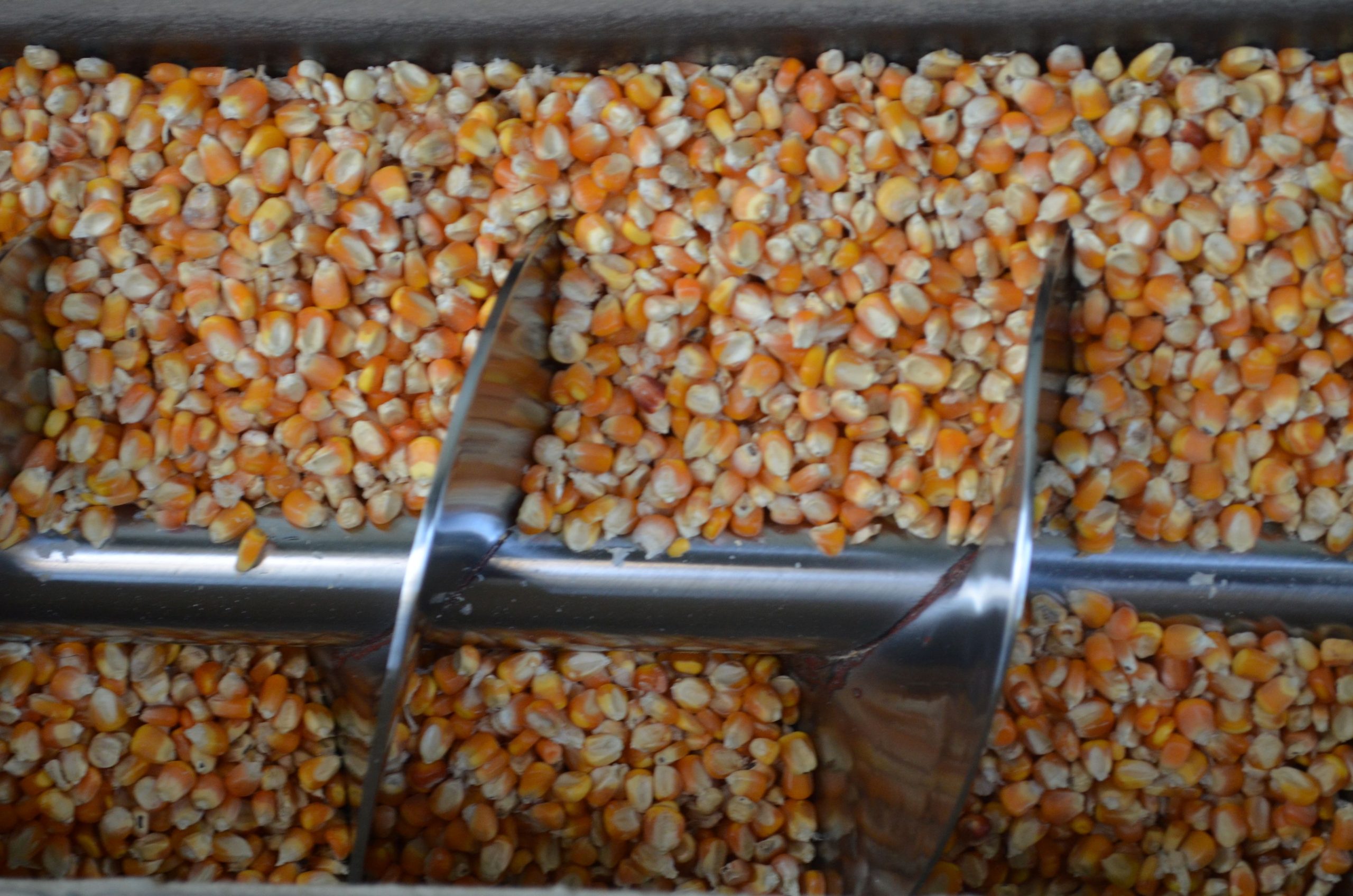
Corn production in MY 2026/27 is forecast to decline to 8.1 million tons, reflecting reduced harvested area, higher input costs, and tightening irrigation supply. These pressures mirror trends in rice production, where rising fertilizer prices and weak dam water levels have discouraged planting. Despite lower output, corn remains central to the feed sector.
Broiler inventory reached 77.1 million birds in April 2026, while layer inventory climbed to 57.3 million birds, both higher than a year earlier. This expansion underscores the sector’s resilience, even as African Swine Fever continues to temper hog feed demand. Feed consumption is forecast at 6.05 million tons, slightly lower than earlier estimates. However, strong demand from poultry and aquaculture continues to support consumption.
Corn imports are projected at 2.3 million tons in MY 2026/27. This is slightly lower than the previous forecast but remains significant.

Imports remain essential to bridge the gap between rising feed demand and constrained domestic supply. Total corn consumption is expected to reach 10.4 million tons, outpacing production and imports combined, resulting in lower ending stocks of just 322,000 tons.
This tightening supply situation highlights reliance on imports to sustain growth. While food, seed, and industrial use of corn is moderated by higher prices, feed demand continues to dominate consumption patterns.
Wheat consumption is forecast to grow in MY 2026/27, driven mainly by milling demand for bread, noodles, and pasta. Feed wheat use, however, remains stable compared to the previous forecast. The poultry, aquaculture, and pet food industries continue to incorporate wheat into feed rations, though its role fluctuates depending on relative prices.
During MY 2025/26, feed wheat lost its price advantage over corn in several months. This prompted millers to adjust formulations in favor of corn. This volatility underscores the competitive relationship between the two grains in feed use. For MY 2026/27, wheat imports are expected to increase, with the US remaining the dominant supplier.
Animal protein production continues to grow, reinforcing feed demand across multiple sectors. Chicken output is forecast to rise 6.5% in 2026 to 1.83 million tons, while pork production edges up 1.5% to 990,000 tons. Aquaculture production, including milkfish, tilapia, and shrimp, increased 5.6% in 2025 compared to 2024. Chicken egg production also rose 8.3% in the same period.
These gains highlight the structural expansion of the feed-consuming industries. Poultry and aquaculture, in particular, are driving sustained demand for corn and wheat, ensuring that animal feed remains a critical component of the country’s grain market dynamics.
The Philippine feed industry confronts a challenging balance in MY 2026/27. Rising input costs, reduced irrigation, and El Niño risks weigh on domestic corn production, while resilient demand from poultry and aquaculture continues to push consumption higher. Imports will remain vital to supplement supply, though margins are compressed by price caps and tariff mechanisms in the rice sector, which indirectly influence broader grain trade dynamics.
Wheat maintains its role in feed rations, though price competitiveness with corn will dictate usage levels. Overall, the feed sector is expected to remain robust, supported by expanding animal protein production and population-driven demand for poultry, eggs, and aquaculture products.



Subscribe now to the technical magazine of animal nutrition
AUTHORS
From 2025 Data to 2026 Decisions: Managing Mycotoxin Risk in a Changing Climate
Alterion® NE Celebrates 10 Years of Poultry Gut Health Innovation
The Science Behind Kolin Plus: Beyond Choline Replacement
Summer Infertility in Sows: Managing Heat Stress and Reproductive Performance
AO-Biotics® Amaferm®: Supporting Livestock Digestion and Performance

Interview with Güner Gövenç
Güner Gövenç,
Net Energy and Precision Feeding Shape the Future of Poultry Nutrition
Edgar Oviedo
Mycotoxins in Swine: Health Risks and Nutritional Solutions
Giuseppe Carcò
Mycotoxins and Piglet Ear Necrosis: Cause, Cofactor or Coincidence?
Alberto Morillo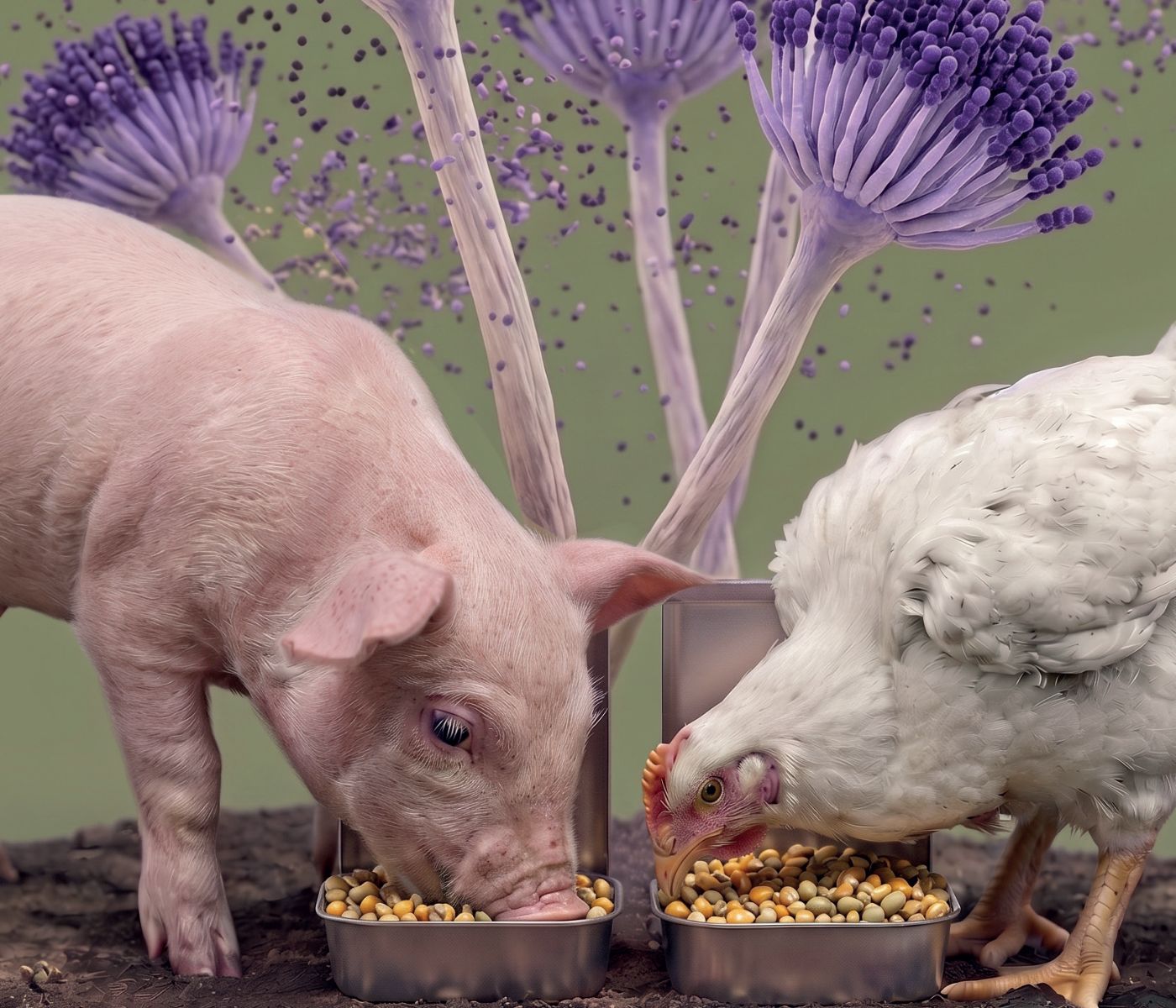
How Mycotoxins Affect Intestinal Health in Pigs and Poultry
Marcos Rostagno
From Antibiotics to Functional Feeds in Aquaculture
Babatunde Saliu
Peas as an Alternative to Soybean Meal in Beef Cattle Finishing Diets
Daniel Villalba Mata,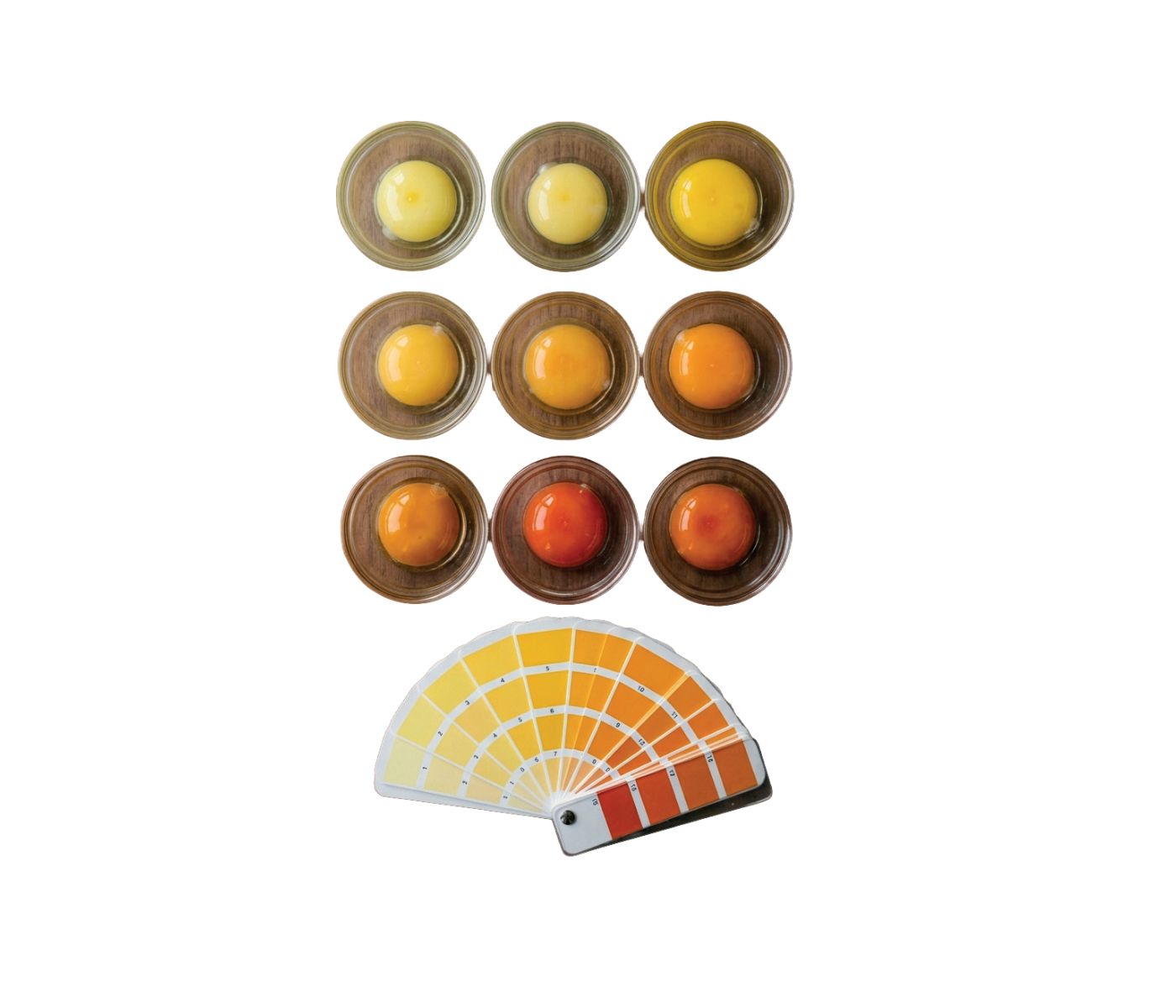
Improving Egg Yolk Pigmentation Through Better Nutrient Transport

Aquaculture and Aquaponics Nutrition: How Fish Shape the Growth of Greens
Trenton Corby
Consistency in Soybean Meal Drives Performance and Sustainability