 09 Feb 2022
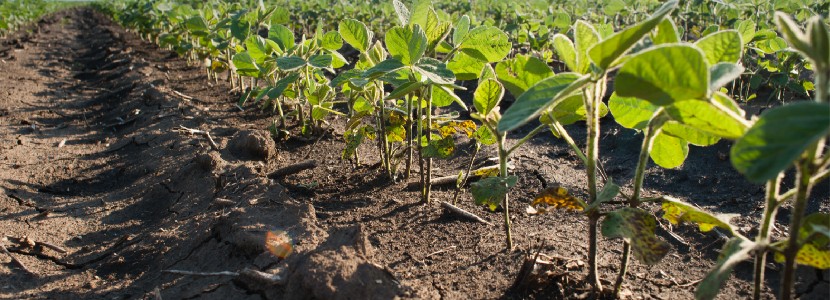
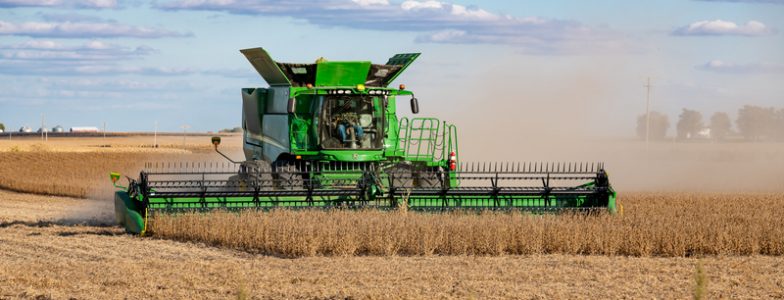
Soybean harvest in South America has been delayed due to bad weather. The year 2021 began with a historic rally in Chicago’s corn and soybean futures, but it may have already been forgotten because 2022 has had an even more explosive start. Chicago’s soybean futures rose more than 1% on Monday. Reaching their highest level since June due to concerns about supplies coming from South America and a strong demand coming from China.
Corn rose to its highest level in a week, while wheat rose for the second straight session.
Specialists have been cutting their projections for corn and soybean harvests in South America due to adverse weather, including droughts, heat waves and excessive rainfall.
Argentina’s soybean crop faces a decisive period as the risk of drought recedes, “with erratic rains and heavy rainfall seeming unlikely until the second half of the month,” as reported by Rosario’s grain exchange. Which poses a question on the possible size of the upcoming soybean harvest.
On Friday The U.S. Department of Agriculture (USDA) confirmed 295,000 tons in U.S. soybean export sales to undisclosed buyers. The latest update in a series of sales announcements last week.
Grain traders are starting to square positions as they look towards this week’s USDA crop supply and demand reports. Which is expected to reveal tighter corn and soybean supplies and smaller harvests in Brazil and Argentina.
Current prices may influence U.S. farmers’ upcoming planting decisions.
New-harvest soybeans during the same time period a year ago increased an impressive 3.5%, which was the most since 2011. Such strong growth continued in February 2021 when monthly gains totaled 7%, representing a nine-year high. What 2022 soybeans lack compared to 2021 is relative strength versus corn, which may suggest better levels of profitability when the soybean-to-corn ratio is close to 2.5 or higher.
Relatively high input costs for corn further support a potential increase in soybean planting if prices settle.

Subscribe now to the technical magazine of animal nutrition
AUTHORS
From 2025 Data to 2026 Decisions: Managing Mycotoxin Risk in a Changing Climate
Alterion® NE Celebrates 10 Years of Poultry Gut Health Innovation
The Science Behind Kolin Plus: Beyond Choline Replacement
Summer Infertility in Sows: Managing Heat Stress and Reproductive Performance
AO-Biotics® Amaferm®: Supporting Livestock Digestion and Performance

Interview with Güner Gövenç
Güner Gövenç,
Net Energy and Precision Feeding Shape the Future of Poultry Nutrition
Edgar Oviedo
Mycotoxins in Swine: Health Risks and Nutritional Solutions
Giuseppe Carcò
Mycotoxins and Piglet Ear Necrosis: Cause, Cofactor or Coincidence?
Alberto Morillo
How Mycotoxins Affect Intestinal Health in Pigs and Poultry
Marcos Rostagno
From Antibiotics to Functional Feeds in Aquaculture
Babatunde Saliu
Peas as an Alternative to Soybean Meal in Beef Cattle Finishing Diets
Daniel Villalba Mata,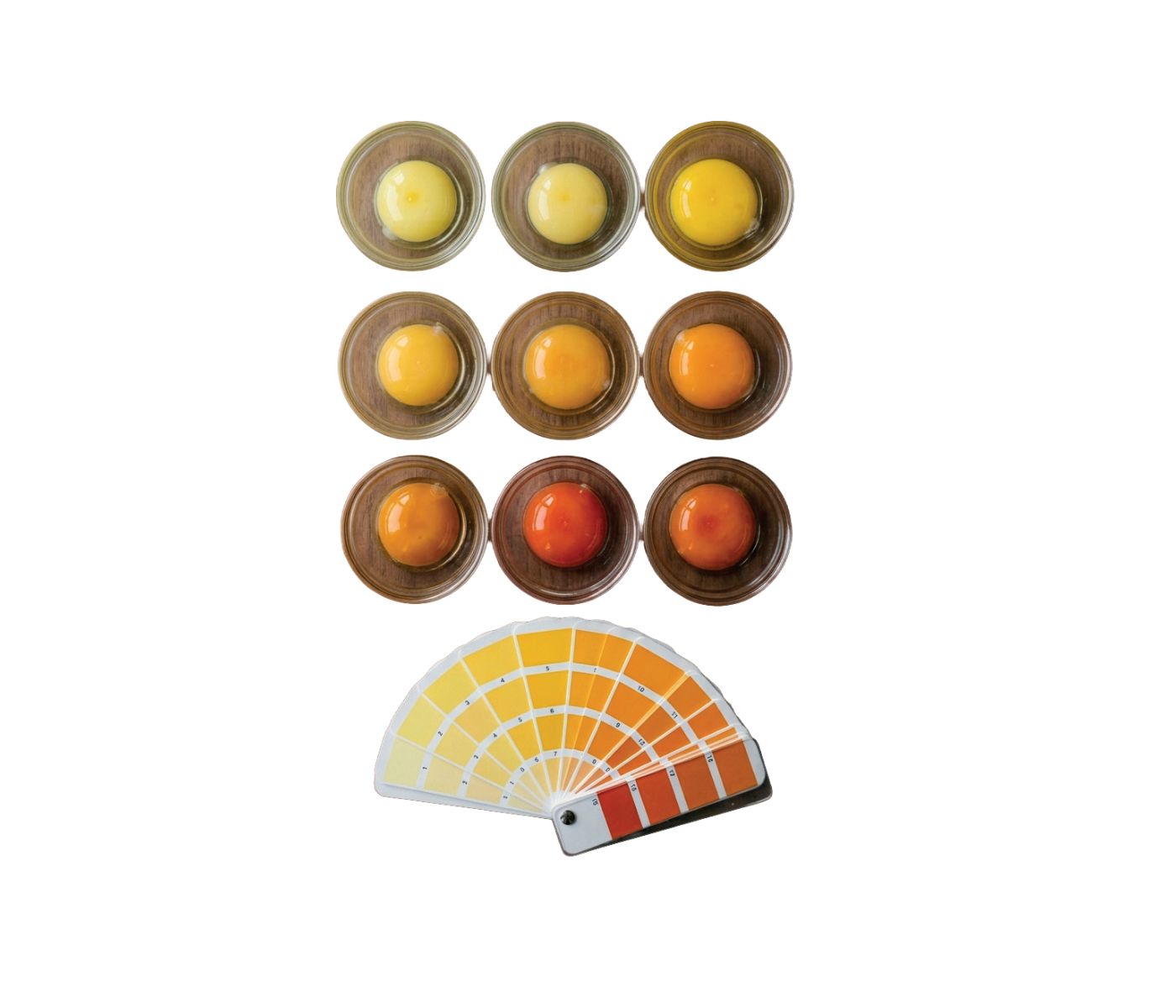
Improving Egg Yolk Pigmentation Through Better Nutrient Transport

Aquaculture and Aquaponics Nutrition: How Fish Shape the Growth of Greens
Trenton Corby
Consistency in Soybean Meal Drives Performance and Sustainability