 02 Apr 2024
Navigating Towards Sustainable Livestock Production
Sustainability indices serve as vital benchmarks for gauging a company or production system’s ability to thrive harmoniously with the environment while fostering economic growth and societal well-being. Strategies anchored in sustainability not only enhance productivity but also bolster brand reputation among consumers.
Defining the Concept of Precision Nutrition
Precision nutrition refers to the tailored and precise provision of nutrients to individuals or groups based on specific requirements, characteristics, and objectives. In the context of livestock production, precision nutrition involves formulating diets that meet the exact nutritional needs of animals at different stages of growth and production. This approach considers factors such as species, age, weight, health status, and environmental conditions to optimize nutrient utilization, maximize productivity, and minimize waste. Precision nutrition aims to achieve optimal performance, health, and welfare outcomes while reducing environmental impact and production costs. It often involves the use of advanced technologies, such as feed additives, alternative ingredients, and nutritional modeling, to deliver precise nutrient profiles that support the physiological needs of animals efficiently.


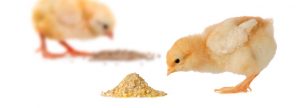 Broiler production exemplifies the remarkable progress achieved through precision nutrition. Over the past two decades, broilers have undergone a transformation, requiring less feed while yielding more meat. This remarkable efficiency not only reduces the carbon footprint but also conserves resources, making modern broiler production a beacon of environmental stewardship.



With the global population projected to surpass nine billion by 2040, the imperative to boost agricultural productivity while safeguarding natural resources has never been more pressing. The livestock sector, recognizing its pivotal role in meeting the world’s food demands, is increasingly embracing sustainable practices. Frameworks such as Environmental, Social, and Governance (ESG) underscore the industry’s commitment to sustainable development.

Climate change in the context of animal production underscores the significant impact of livestock farming practices on global climate patterns and the environment. Livestock production contributes to climate change through various mechanisms, including greenhouse gas emissions, deforestation, and land degradation.
 Greenhouse Gas Emissions: Livestock farming, particularly ruminants like beef and dairy cattle, sheep, and goats, can be a significant source of methane and nitrous oxide emissions. Methane, produced as part of the digestive process of ruminants, and nitrous oxide, released from manure management and fertilizer application, contribute to global warming and climate change.
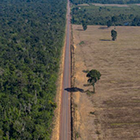 livestock often involve deforestation, especially in regions like the Amazon rainforest. Deforestation releases stored carbon dioxide and reduces forests’ capacity to absorb carbon dioxide from the atmosphere, exacerbating climate change.
 intensive animal farming can exacerbate water stress and impact local ecosystems.
Addressing climate change in the context of animal production requires holistic approaches focused on reducing greenhouse gas emissions, promoting sustainable land management practices, improving resource efficiency, and enhancing the resilience of livestock farming systems to climate impacts. These efforts can mitigate the environmental footprint of animal agriculture and foster a more sustainable and climate-resilient food system.
Despite heightened awareness about climate change, global emissions continue to escalate, posing significant challenges to sustainability. The livestock sector, a notable contributor to greenhouse gas emissions, must prioritize decarbonization efforts. Through innovations in precision nutrition and sustainable practices, the industry can mitigate its environmental footprint while ensuring food security for future generations.
Life Cycle Assessment (LCA) emerges as a crucial tool for evaluating the environmental impact of livestock production. However, the complexity and cost associated with traditional LCA methodologies necessitate simplified and cost-effective solutions. Precision nutrition, facilitated by advancements in feed additives, alternative ingredients, and nutritional strategies, emerges as a viable approach to improving sustainability while optimizing production efficiency.
As stakeholders across the livestock industry strive to navigate the multifaceted challenges of sustainability, precision nutrition stands out as a cornerstone of sustainable livestock production. Through the meticulous calibration of nutrient intake and the adoption of tailored feeding regimes, precision nutrition not only optimizes animal health and performance but also minimizes waste and environmental impact.
By harnessing innovative technologies such as advanced feed additives, alternative ingredients, and nutritional modeling, the industry can unlock new frontiers in sustainable farming practices. These technologies enable producers to fine-tune nutrient formulations, enhance feed efficiency, and mitigate greenhouse gas emissions, thereby fostering a more environmentally responsible approach to animal agriculture.

Moreover, holistic approaches to sustainability encompass more than just nutrition; they encompass a comprehensive reevaluation of production systems and practices. By integrating sustainable land management practices, reducing resource consumption, and promoting biodiversity conservation, the industry can further enhance its environmental stewardship while safeguarding natural resources for future generations.
In essence, precision nutrition, coupled with a holistic commitment to sustainability, has thepotential to revolutionize the livestock industry. By embracing these principles and driving forward innovative solutions, stakeholders can pave the way for a more sustainable future—one where environmental stewardship, economic viability, and social responsibility converge to create a thriving and resilient food system.
You may also like to read: “Revolutionizing Livestock Feeding: Harnessing the Power of Insects”

Subscribe now to the technical magazine of animal nutrition
AUTHORS
From 2025 Data to 2026 Decisions: Managing Mycotoxin Risk in a Changing Climate
Alterion® NE Celebrates 10 Years of Poultry Gut Health Innovation
The Science Behind Kolin Plus: Beyond Choline Replacement
Summer Infertility in Sows: Managing Heat Stress and Reproductive Performance
AO-Biotics® Amaferm®: Supporting Livestock Digestion and Performance

Interview with Güner Gövenç
Güner Gövenç,
Net Energy and Precision Feeding Shape the Future of Poultry Nutrition
Edgar Oviedo
Mycotoxins in Swine: Health Risks and Nutritional Solutions
Giuseppe Carcò
Mycotoxins and Piglet Ear Necrosis: Cause, Cofactor or Coincidence?
Alberto Morillo
How Mycotoxins Affect Intestinal Health in Pigs and Poultry
Marcos Rostagno
From Antibiotics to Functional Feeds in Aquaculture
Babatunde Saliu
Peas as an Alternative to Soybean Meal in Beef Cattle Finishing Diets
Daniel Villalba Mata,
Improving Egg Yolk Pigmentation Through Better Nutrient Transport

Aquaculture and Aquaponics Nutrition: How Fish Shape the Growth of Greens
Trenton Corby
Consistency in Soybean Meal Drives Performance and Sustainability