Home » North America’s Pet Food Enzyme Market Grows
 07 Aug 2026
North America’s Pet Food Enzyme Market Grows
North American pet food enzymes market set for continued growth
Growing consumer interest in digestive health, premium nutrition and science-backed ingredients is accelerating demand for enzymes in North America’s pet food industry. As manufacturers develop increasingly functional diets, enzymes are emerging as valuable tools for improving digestibility, nutrient utilization and product performance.
The North American pet food industry continues to evolve beyond basic nutrition. Today’s pet owners increasingly expect foods to support digestive health, longevity, immune function and overall wellness, driving demand for ingredients with measurable physiological benefits. Among the fastest-growing functional ingredients are digestive enzymes, which are being incorporated into premium pet foods, veterinary diets and specialized nutritional products.
Recent market analyses estimate the global pet food enzymes market at approximately USD 231 million in 2025, with forecasts suggesting it could reach nearly USD 476 million by 2035, representing an average annual growth rate of roughly 7.5%. Although individual market forecasts vary depending on methodology, they consistently point toward continued expansion driven by premiumization and increasing consumer awareness of pet health.
Digestive enzymes are becoming a cornerstone of functional pet nutrition as manufacturers seek to improve nutrient utilization while supporting digestive health and product differentiation.
Why enzymes matter in pet nutrition
Enzymes are biological catalysts that accelerate the breakdown of nutrients during digestion. Although dogs and cats naturally produce digestive enzymes, supplemental enzymes may help improve nutrient availability under certain dietary conditions or life stages.
The most commonly used enzyme categories include:
- Proteases – break down dietary proteins into peptides and amino acids.
- Amylases – digest starches and complex carbohydrates.
- Lipases – improve the digestion of dietary fats.
- Cellulases and carbohydrases – assist in breaking down plant-derived fiber components.
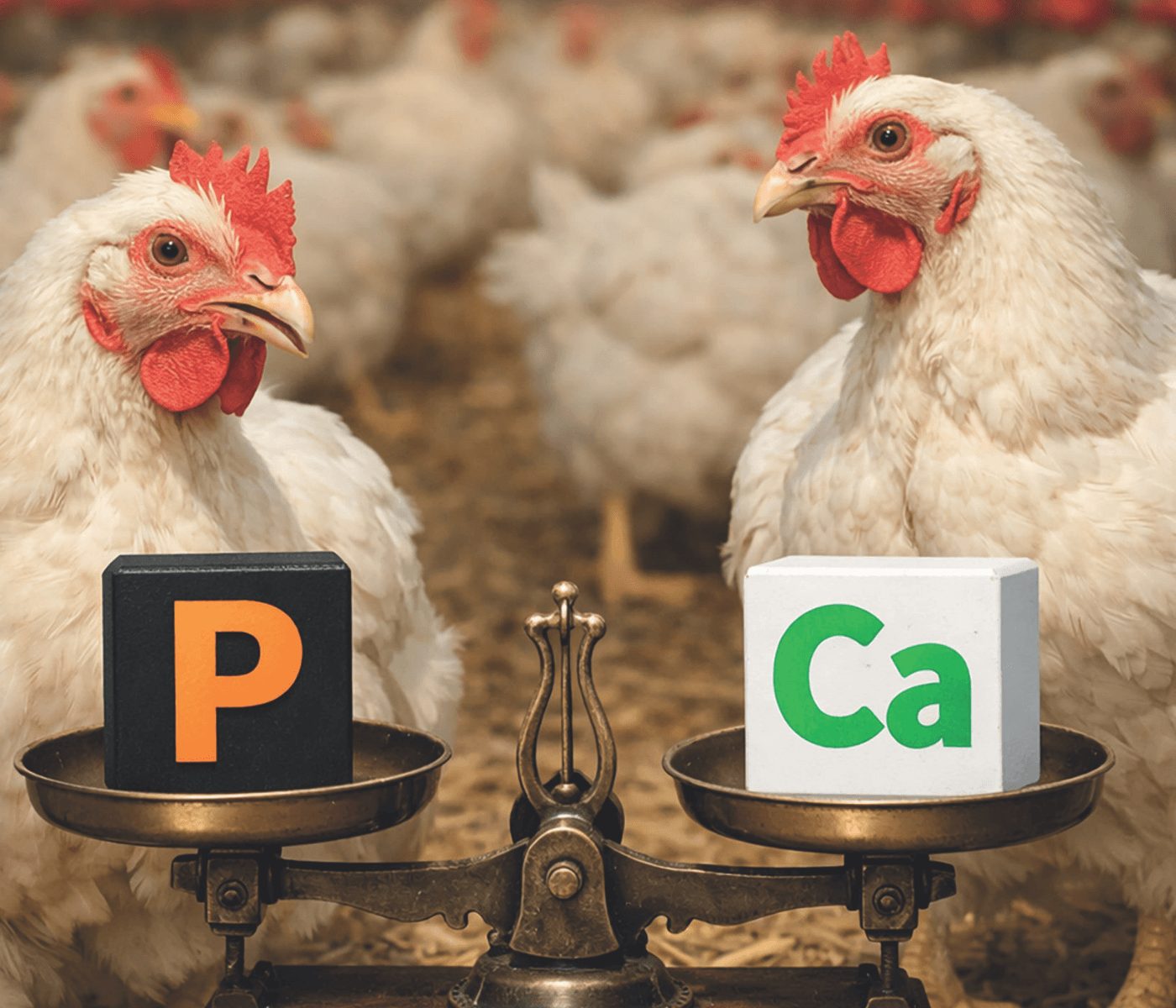
- Phytases – improve phosphorus availability from plant ingredients, although these are more common in livestock feeds.
In commercial pet foods, enzymes may be incorporated into dry kibble, canned diets, treats and therapeutic formulations designed for animals with digestive sensitivities or specific nutritional requirements.
Different enzymes target different nutrients, allowing manufacturers to formulate diets that better match specific digestive and nutritional objectives.
Digestive health is driving market demand
Digestive health has become one of the strongest drivers of innovation in the pet food sector. Consumers increasingly associate healthy digestion with improved overall wellness, encouraging manufacturers to formulate products that provide benefits extending beyond basic nutrition.
Enzyme supplementation is attracting attention because it may help support:
- Improved nutrient digestibility
- Better stool quality
- Enhanced feed efficiency
- Support for sensitive digestive systems
- Improved utilization of complex ingredients
- Greater formulation flexibility
These benefits are particularly attractive for premium, veterinary, hypoallergenic and limited-ingredient diets, where consumers expect scientifically supported functional ingredients.
Digestive wellness has become one of the fastest-growing categories in companion animal nutrition, creating new opportunities for enzyme technologies.
Premiumization and pet humanization accelerate innovation
The continued humanization of pets is reshaping product development throughout North America. Pet owners increasingly seek foods that resemble trends found in human nutrition, including functional ingredients, clean labels, personalized nutrition and evidence-based health claims.
Enzymes fit naturally within this movement because they can be incorporated into products positioned around digestive support, healthy ageing, weight management and nutrient optimization.
Manufacturers are exploring enzyme applications across numerous premium categories, including:
- Senior pet diets
- Sensitive digestion formulas
- Fresh and gently cooked foods
- Alternative-protein diets
- Veterinary nutrition
- Limited-ingredient products
- Functional treats
As pet owners increasingly demand science-backed nutrition, enzymes are becoming valuable differentiators within premium pet food portfolios.
Technology is improving enzyme stability
One of the greatest technical challenges for enzyme manufacturers is maintaining enzyme activity throughout commercial food production.
Processes such as extrusion, drying and long-term storage expose enzymes to heat and moisture that may reduce their biological activity.
To address these challenges, suppliers are investing in:
- Microencapsulation technologies
- Protective enzyme coatings
- Heat-stable microbial enzyme strains
- Improved post-extrusion coating systems
- Optimized powdered formulations
These advances allow enzymes to remain active after processing and improve compatibility with a wider variety of commercial pet food formats.
Improved formulation technologies are helping manufacturers overcome one of the industry’s biggest challenges—preserving enzyme activity during food processing.
Multi-enzyme systems offer broader functionality
Rather than relying on a single enzyme, many companies are now developing multi-enzyme blends that target several nutrients simultaneously.
These formulations may improve digestion of:
- Complex protein sources
- Plant-derived carbohydrates
- Alternative proteins
- Higher-fiber ingredients
- Novel raw materials used in sustainable formulations
As pet foods incorporate a broader range of ingredients—including insect proteins, legumes and plant-based components—multi-enzyme systems may become increasingly valuable for optimizing digestibility.
Multi-enzyme technologies are helping formulators adapt to more complex ingredient portfolios while maintaining nutritional performance.
Supporting sustainability goals
Enzymes are increasingly viewed as tools for improving the sustainability of pet nutrition. By enhancing nutrient utilization, they may help pets obtain more nutritional value from existing ingredients while potentially reducing nutrient losses.
Manufacturers are also paying greater attention to:
- Microbial enzyme production
- Lower-waste manufacturing processes
- Sustainable fermentation technologies
- Environmentally responsible packaging
- Resource-efficient ingredient sourcing
These developments align with broader sustainability initiatives already underway throughout the livestock feed enzyme sector.
Improving nutrient efficiency supports both nutritional performance and long-term sustainability objectives across the pet food industry.
Regulatory and economic challenges
Despite strong growth prospects, enzyme manufacturers continue to face several important challenges.
Products must comply with regulations governing:
- Ingredient safety
- Product efficacy
- Composition standards
- Labeling requirements
- Health-related claims
Because regulatory requirements differ across the United States, Canada and Mexico, companies often need region-specific approval strategies before commercialization.
Cost also remains an important consideration. Stabilized enzyme blends and advanced post-coating technologies increase manufacturing expenses, making it essential for suppliers to demonstrate measurable benefits through well-designed feeding studies.
Scientific validation is becoming increasingly important as manufacturers seek to support functional claims with robust evidence.
The United States leads regional growth
The United States remains the largest North American market for pet food enzymes due to its large companion-animal population, mature pet food industry and high consumer spending on premium nutrition.
Canada continues to see growth in natural, premium and sustainable pet food products, while Mexico offers long-term expansion opportunities as pet ownership, urbanization and demand for higher-quality nutrition continue to increase.
Partnerships between biotechnology companies, ingredient suppliers, universities and pet food manufacturers are expected to accelerate product development and facilitate commercialization of next-generation enzyme technologies.
Collaboration between ingredient developers and pet food manufacturers will be essential for translating enzyme research into commercially successful products.
Looking ahead
The North American pet food enzymes market is steadily moving toward more precise, science-based nutrition. Future innovation is likely to focus on highly stable enzyme formulations, multi-enzyme systems and products tailored to premium, alternative-protein and specialized veterinary diets.
Although market forecasts differ in their estimated values, analysts consistently expect demand for digestive enzymes to grow as pet owners continue seeking products that combine nutritional quality with measurable health benefits.
As companion animal nutrition becomes increasingly personalized and functional, digestive enzymes are positioned to become key ingredients in the next generation of premium pet foods, helping manufacturers improve digestibility, nutrient utilization and product differentiation.
Sources and references
- Market Research Intellect. North America Pet Food Enzymes Market Size, Share, Industry Analysis, Growth Trends, Competitive Landscape and Forecast.