



S0urce: “Phytobiotics in poultry and swine nutrition – a review“
 15 Jul 2024
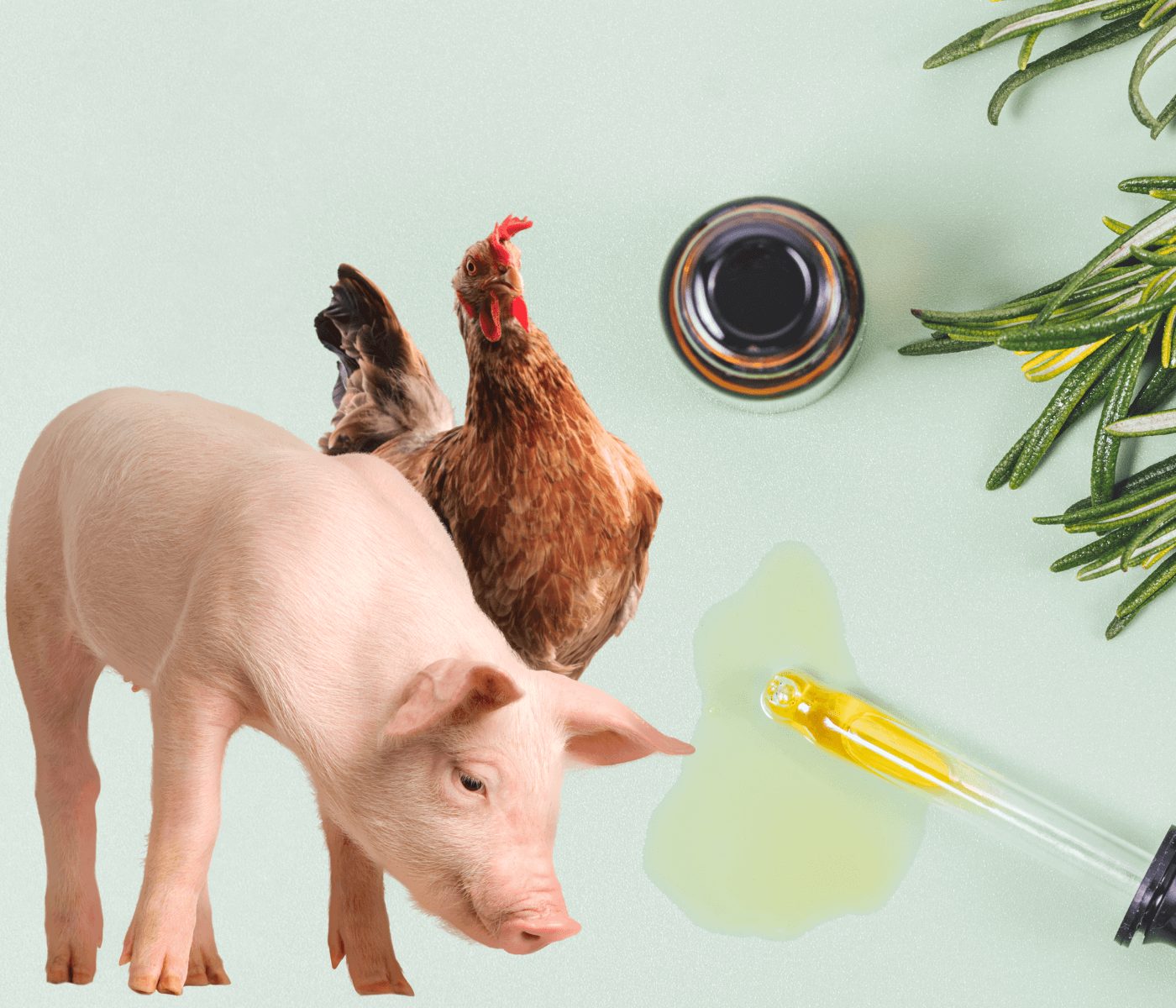
The use of phytobiotics in animal feed has seen a significant rise over the past two decades. Excessive use of in-feed antibiotics has raised concerns about the increasing resistance in human pathogens, leading to bacterial resistance and antibiotic residues in animal products. This has driven the ban on in-feed antibiotics in many developed countries. Researchers and nutritionists have recommended phytobiotics as an alternative.
Numerous studies have demonstrated the antimicrobial, antioxidant, anti-inflammatory, and growth-promoting effects of phytobiotics. Their antioxidative function can positively impact the stability of animal feed, enhancing the quality and shelf life of animal products. Generally, existing research indicates that phytobiotics positively affect poultry and swine performance, although further studies are needed to explore various nutritional aspects.
The development and widespread use of antibiotics in livestock over the past 50 years have significantly improved livestock performance. However, public awareness of the health risks and environmental issues associated with synthetic pharmaceuticals, including in-feed antibiotics and growth hormones, has shifted attitudes towards these substances. Research has highlighted the potential health risks of microbial resistance among human pathogens due to continuous antibiotic use in animals. This led to the ban on Antibiotic Growth Promoters (AGPs) in livestock in the early 2000s in many developed countries, increasing infections by pathogens and negatively affecting commercial animal performance.

Plenty of phytogenic feed additives (PFAs) have been investigated over the last two decades. Studies generally report that adding herbal products to animal diets promotes growth in poultry and swine. Improved performance in pigs has been observed with diets supplemented with essential oils, enhancing weight gain and nutrient digestibility. Studies on broiler chickens and meat-type ducks have shown similar improvements in body weight gain (BWG) and feed conversion ratio (FCR).
Phytobiotics are often claimed to enhance the flavor and palatability of feed, thus improving production performance. However, some studies have shown dose-related detrimental effects on palatability when feeding pigs with essential oils. Conversely, there is evidence that adding PFAs to animal diets can improve feed intake and digestive secretions, enhancing enzyme activity and nutrient absorption.



 Phytogenic compounds exhibit antimicrobial activity against food-borne pathogens, including protozoa and fungi. Phenolic substances like thymol, carvacrol, and geraniol are particularly effective. Studies suggest that the antimicrobial action of PFAs varies by the location of their functional hydroxyl or alkyl groups. These compounds can disrupt pathogen cell membranes, leading to ion leakage and cell death. Reducing pathogen counts in the guts of host animals can increase beneficial bacteria populations, such as Lactobacillus.
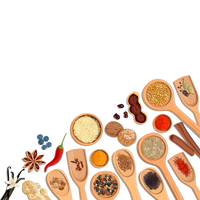 The antioxidant activity of phytobiotics is a key area of interest. Their ability to scavenge free radicals may help prevent diseases like cancer and heart disease. Studies have used essential oils from the Labiatae plant family as natural antioxidants in human food and animal feed. Phytobiotics may also enhance the oxidative stability of meat products, such as pork and poultry. Additionally, some essential oils possess anti-inflammatory properties, reducing oxidative stress and inflammation in tissues.
Mohsen Mohammadi Gheisar e Em Ho Kim
You may also like to read: ”
Subscribe now to the technical magazine of animal nutrition
AUTHORS
From 2025 Data to 2026 Decisions: Managing Mycotoxin Risk in a Changing Climate
Alterion® NE Celebrates 10 Years of Poultry Gut Health Innovation
The Science Behind Kolin Plus: Beyond Choline Replacement
Summer Infertility in Sows: Managing Heat Stress and Reproductive Performance
AO-Biotics® Amaferm®: Supporting Livestock Digestion and Performance

Interview with Güner Gövenç
Güner Gövenç,
Net Energy and Precision Feeding Shape the Future of Poultry Nutrition
Edgar Oviedo
Mycotoxins in Swine: Health Risks and Nutritional Solutions
Giuseppe Carcò
Mycotoxins and Piglet Ear Necrosis: Cause, Cofactor or Coincidence?
Alberto Morillo
How Mycotoxins Affect Intestinal Health in Pigs and Poultry
Marcos Rostagno
From Antibiotics to Functional Feeds in Aquaculture
Babatunde Saliu
Peas as an Alternative to Soybean Meal in Beef Cattle Finishing Diets
Daniel Villalba Mata,
Improving Egg Yolk Pigmentation Through Better Nutrient Transport

Aquaculture and Aquaponics Nutrition: How Fish Shape the Growth of Greens
Trenton Corby
Consistency in Soybean Meal Drives Performance and Sustainability