Take-home message:
Effective poultry heat stress nutrition requires balanced energy, digestible amino acids, proper electrolyte management, quality water, and strategic additive supplementation.



Nutrition
Read more content on nutriNews International September 2025
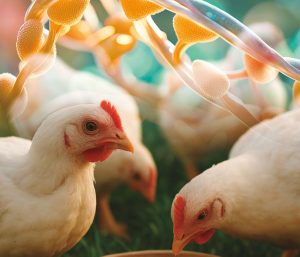
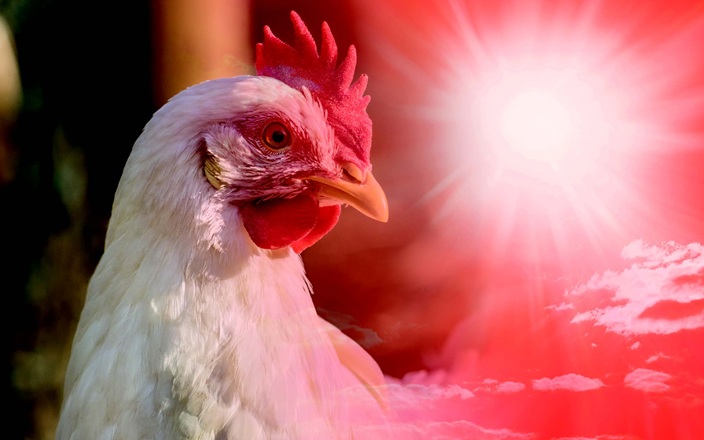
High temperatures negatively affect the performance and economic results of commercial poultry farms. Heat stress compromises gut health, weakens immunity, reduces nutrient absorption, and increases susceptibility to infections such as Salmonella and necrotic enteritis.
These cumulative effects reduce important production indicators such as body weight gain, egg production, hatchability, and overall bird performance.
Take-home message:
Effective poultry heat stress nutrition requires balanced energy, digestible amino acids, proper electrolyte management, quality water, and strategic additive supplementation.
During heat stress, reduced blood flow to the intestine causes oxidative stress and compromises intestinal mucosa integrity. This increases intestinal permeability, inflammation, and alters microbiota composition.
As a result, birds experience poorer nutrient absorption, slower growth, and increased vulnerability to infections due to suppression of the immune system, including gut-associated lymphoid tissue (GALT).
Main consequence:
To improve gut health and prevent dysbiosis, it is essential to include highly digestible protein sources and ensure a balanced supply of digestible amino acids.
Reducing undigested protein in the large intestine helps lower caloric increment and improves digestive efficiency.
Under high temperature and humidity conditions, it is recommended to reduce crude protein by 0.5–1.0% and increase digestible amino acid levels by 3–5%.
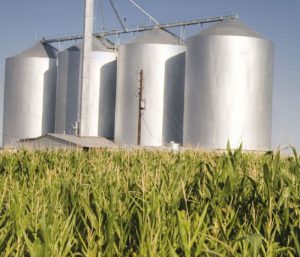
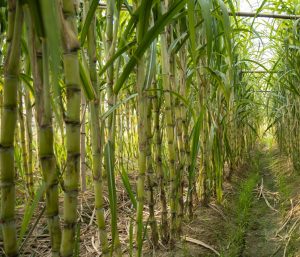
Birds reduce feed intake during periods of heat stress, making effective energy balance essential. Diets should include raw materials with low caloric increment, such as:
Maintaining the correct ratio between metabolizable energy and digestible lysine helps achieve optimal growth and prevents excessive fat deposition.
Water is the most critical nutrient for poultry. It is essential for digestion, nutrient transport, thermoregulation, and waste elimination.
The supply of high-quality water with optimal pH, low total dissolved solids (TDS), and low microbial counts is fundamental for bird health and productivity.
Without proper water quality, even the best nutritional strategies will fail to support bird performance during heat stress.
A balanced supply of cations (Na+, K+) and anions (Cl-) is necessary to maintain the birds’ acid-base balance, known as Dietary Electrolyte Balance (DEB).
Under high temperature conditions, an effective DEB of ≥240 mEq/kg is recommended to improve performance and osmotic balance.
Best electrolyte sources:
Sodium bicarbonate and potassium carbonate are the best options to maintain adequate DEB and reduce the risk of respiratory alkalosis caused by excessive panting.
It is recommended to minimize chloride and sulfate levels while optimizing sodium and potassium concentrations in the diet.
Supplementation with additives improves nutrient digestibility and supports intestinal health. Recommended additives include:
Increasing mineral and vitamin levels by 5–15% above standard recommendations can further improve bird resilience during stress periods.
The inclusion of effective toxin adsorbents helps neutralize mycotoxins and protects birds from additional stress-related damage.
During summer, it is recommended to use crumbled and pelleted feeds for chicks and broilers.
For mash feeds in laying hens and broiler breeders, the percentage of dust should be minimized and adequate particle distribution must be ensured.
Feed moisture should be maintained at ≥11.0% for proper consumption and performance.
Thermal stress control requires a holistic approach. Beyond farm and poultry house management, balanced nutrition is essential to protect bird health and productivity.
The proper balance of energy, digestible amino acids, electrolytes, minerals, vitamins, and scientifically proven additives forms the foundation for successful heat stress management.
Final conclusion:
Controlling heat stress through nutrition improves gut health, strengthens immunity, supports feed efficiency, and helps maintain poultry performance even under challenging high-temperature conditions.
MORE CONTENTS Arm & Hammer