 05 May 2026
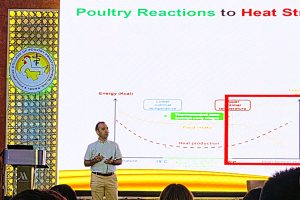
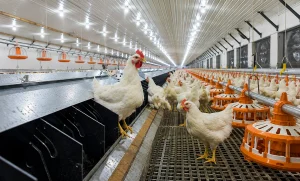
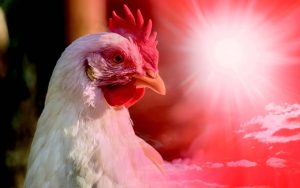
High temperatures negatively affect the performance and economic results of commercial poultry farms.
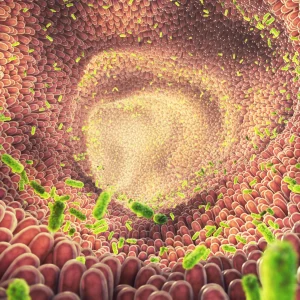
Heat stress impacts gut health by impairing the intestinal barrier function, as well as increasing intestinal permeability and inflammation, altering the microbiota composition, reducing nutrient absorption, growth and performance of birds, and increasing susceptibility to infections such as those caused by Salmonella and necrotic enteritis.
During heat stress, there is reduced blood flow to the intestine, which causes oxidative stress and compromises the integrity of the intestinal mucosa.
Furthermore, heat stress suppresses the immune system, including the gut-associated lymphoid tissue (GALT), making birds more vulnerable to infections.
These cumulative effects lead to a reduction in performance indicators such as body weight gain, egg production, and hatchability.
Water is the most critical nutrient for birds. It plays a fundamental role in digestion, nutrient transport, regulation of body temperature, and waste elimination, which impacts both health and productivity.
The supply of quality water – with optimal pH values and total dissolved solids (TDS), as well as a low microbial count – is essential for
animal health and performance.
To improve gut health and prevent dysbiosis, it is important to include highly digestible protein sources in the diet and ensure a balanced intake of digestible amino acids, in addition to reducing caloric increment and the presence of undigested protein in the large intestine.
Under conditions of high temperature and humidity, it is recommended to reduce crude protein levels by 0.5-1.0% and increase digestible
amino acid levels by 3-5%.
An effective energy balance is necessary to compensate for the lower feed intake during periods of heat stress. Use raw materials with low caloric increment, such as vegetable oils and digestible cereals.
Additionally, ensure an adequate ratio between metabolizable energy and digestible lysine to achieve optimal bird growth and avoid excessive fat deposition.
A balanced supply of cations (positively charged ions – Na+ and K+) and anions (negatively charged ions – Cl–) is necessary for the birds’ acid-base balance (DEB) to be achieved.
Under high temperature conditions, it is essential to have an effective DEB (≥240 mEq/kg) to ensure better performance and osmotic balance of the animals.
It is known that high levels of sodium (Na) in the diet promote greater bird growth; however, if this increase occurs through salts (NaCl), there may be higher litter moisture. In addition, potassium (K) is beneficial for birds in situations of heat stress.
Therefore, sodium bicarbonate and potassium carbonate are the best options to maintain an adequate DEB.
Excessive panting under high temperature conditions leads to respiratory alkalosis, which impairs the system’s acid-base balance. Therefore, DEB and the choice of appropriate salts are important aspects in poultry diets.
DCAD Plus™ is a stable, feed-grade form of potassium carbonate produced by Arm & Hammer Animal Nutrition that can be used in
animal feeds to maintain electrolyte balance.
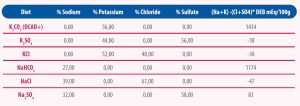
Chart 1. Some commonly used electrolytes and DEB values
*DEB values calculated by molecular weight divided by 1000
The supplementation of additives such as enzymes, emulsifiers, and bile acids promotes greater nutrient digestibility. It is recommended to increase the levels of minerals and vitamins (5-15%) in the feed, at levels above the standard.
CELMANAX™, from Arm & Hammer Animal Nutrition, is a postbiotic that contains highly bioavailable Refined Functional Carbohydrates (RFCs™), a proprietary technology of Arm & Hammer.
CELMANAX™ is a multicomponent product developed to maintain the intestinal health and balance of animals. It promotes the growth of beneficial bacteria and helps maintain a healthy intestinal environment, as well as supporting the immune system.
The inclusion of an effective toxin adsorbent such as BG-MAX™ from Arm & Hammer Animal Nutrition in the diet is essential to neutralize mycotoxins, their negative impact on birds during periods of stress, and also to protect the cells.
The use of higher levels of antioxidants (vitamin C) in the feed, as well as betaine, butyric acid, essential oils, and intestinal acidifiers, promotes greater bird performance.
Beneficial probiotic strains, such as CERTILLUS™ from Arm & Hammer Animal Nutrition, improve gut health and establish a balanced microbiota in the gastrointestinal tract.
Customized and specific microbial solutions such as CERTILLUS™ act effectively against avian pathogenic E. coli and Clostridium perfringens, while combinations of specialized strains support gut health and nutrient digestibility.
It is recommended to use crumbled and pelleted feeds for chicks and broilers during the summer. In the case of mash feeds provided to laying hens and broiler breeders, the percentage of dust should be minimized and an adequate particle distribution ensured.
Furthermore, the feed moisture percentage should be kept at ≥11.0% for consumption.
Thermal stress control is a holistic approach. Just as managing the farm and poultry houses, it is essential to provide a balanced diet.
The balance of the diet regarding energy, digestible amino acids, electrolytes, minerals, and vitamins, as well as the inclusion of scientifically proven additives, are fundamental to combat the effects of heat stress in birds.


Subscribe now to the technical magazine of animal nutrition
AUTHORS
From 2025 Data to 2026 Decisions: Managing Mycotoxin Risk in a Changing Climate
Alterion® NE Celebrates 10 Years of Poultry Gut Health Innovation
The Science Behind Kolin Plus: Beyond Choline Replacement
Summer Infertility in Sows: Managing Heat Stress and Reproductive Performance
AO-Biotics® Amaferm®: Supporting Livestock Digestion and Performance

Interview with Güner Gövenç
Güner Gövenç,
Net Energy and Precision Feeding Shape the Future of Poultry Nutrition
Edgar Oviedo
Mycotoxins in Swine: Health Risks and Nutritional Solutions
Giuseppe Carcò
Mycotoxins and Piglet Ear Necrosis: Cause, Cofactor or Coincidence?
Alberto Morillo
How Mycotoxins Affect Intestinal Health in Pigs and Poultry
Marcos Rostagno
From Antibiotics to Functional Feeds in Aquaculture
Babatunde Saliu
Peas as an Alternative to Soybean Meal in Beef Cattle Finishing Diets
Daniel Villalba Mata,
Improving Egg Yolk Pigmentation Through Better Nutrient Transport

Aquaculture and Aquaponics Nutrition: How Fish Shape the Growth of Greens
Trenton Corby
Consistency in Soybean Meal Drives Performance and Sustainability