



CELMANAX™ supplementation was evaluated in two independent studies to assess its effect on Salmonella prevalence in broiler breeders, broiler progeny, litter, and cecal samples.



 08 Mar 2026
Salmonella control remains a major priority in poultry production due to its impact on animal health, food safety, and overall production efficiency. Nutritional strategies that support gut integrity and help reduce pathogen prevalence are increasingly considered part of a broader, multifactorial mitigation approach.
In this context, CELMANAX™, a multicomponent, all-natural feed supplement containing Refined Functional Carbohydrates™ (RFC™), has been evaluated for its potential role in reducing Salmonella prevalence in broiler breeder and broiler diets. :contentReference[oaicite:0]{index=0}
CELMANAX™ supplementation was evaluated in two independent studies to assess its effect on Salmonella prevalence in broiler breeders, broiler progeny, litter, and cecal samples.
Two independent studies were conducted to evaluate the effect of CELMANAX supplementation in broiler breeder and broiler diets on Salmonella prevalence.
In the first study, 1,040 one-day-old broiler breeders were reared in 16 pens, with 8 pens per treatment. Broiler breeders received diets containing either 0 or 50 g/MT of CELMANAX SCP.
Eggs from 51-week-old breeder hens were collected and hatched. Male progeny broiler chicks were then fed diets supplemented with either 0 or 50 g/MT of CELMANAX SCP. Cecal Salmonella prevalence was tested in broilers at 34 days of age, while breeder hen ceca were sampled at 23 and 64 weeks of age.
In the second study, one-day-old Ross broiler chicks were sorted by sex and allocated to 24 replicate pens of 12 broilers each per diet and sex. Birds were fed either 0 or 50 g/MT of CELMANAX SCP in standard starter, grower, and finisher diets.
Researchers evaluated Salmonella prevalence in litter and broiler ceca, while also measuring broiler performance.
The trials evaluated CELMANAX™ under both breeder and broiler production contexts, including progeny outcomes and environmental litter contamination.
In Study 1, control broiler breeder hens showed 71.43% Salmonella prevalence in ceca at 23 weeks and 40.00% prevalence at 64 weeks. In contrast, hens fed CELMANAX had 0% Salmonella prevalence at both sampling points.
CELMANAX-fed breeder hens showed zero Salmonella prevalence in cecal samples at both 23 and 64 weeks of age.
Broiler progeny results also showed a clear difference between treatments. Broilers from control-fed hens and receiving control broiler diets had 12.5% Salmonella prevalence in the ceca, whereas broilers from CELMANAX-fed hens and receiving either control or CELMANAX-supplemented broiler diets had 0% Salmonella prevalence at 34 days of age.
In Study 2, Salmonella spp. was isolated from litter in 7 of 48 control-fed broiler pens, representing 14.58% of pens. In contrast, no Salmonella was isolated from CELMANAX-fed pens.
Cecal sampling confirmed similar findings. At 44 and 55 days of age, control-fed broilers showed 45.83% and 29.17% Salmonella prevalence, respectively. Birds fed CELMANAX had 0% prevalence at both sampling times.
Broilers receiving CELMANAX showed zero Salmonella prevalence in cecal samples at both 44 and 55 days of age.
In addition to Salmonella-related outcomes, CELMANAX-fed female broilers showed a tendency toward improved body weight and feed conversion ratio, although those data were not presented in the abstract.
Reducing pathogen pressure may support gut health, nutrient efficiency, and overall flock performance as part of an integrated poultry management program.
The results suggest that CELMANAX supplementation may contribute to a broader Salmonella mitigation strategy in poultry production. While Salmonella control requires a multifactorial approach, including biosecurity, hygiene, monitoring, feed management, and processing controls, nutritional tools may help reduce pathogen prevalence at the flock level.
By supporting gut conditions that are less favorable to Salmonella persistence, feed additives such as CELMANAX may help complement existing control programs.
CELMANAX supplementation in broiler breeder and broiler diets significantly reduced Salmonella prevalence in litter and ceca, supporting its role in multifactorial Salmonella control strategies.
Across the two studies, CELMANAX supplementation at 50 g/MT was associated with reduced Salmonella prevalence in broiler breeder hens, broiler progeny, broiler litter, and broiler ceca. These findings support the potential value of CELMANAX as part of an integrated strategy for improving poultry health and food safety outcomes.




Subscribe now to the technical magazine of animal nutrition
AUTHORS
From 2025 Data to 2026 Decisions: Managing Mycotoxin Risk in a Changing Climate

Alterion® NE Celebrates 10 Years of Poultry Gut Health Innovation

The Science Behind Kolin Plus: Beyond Choline Replacement

Summer Infertility in Sows: Managing Heat Stress and Reproductive Performance

AO-Biotics® Amaferm®: Supporting Livestock Digestion and Performance

Interview with Güner Gövenç
Güner Gövenç,
Net Energy and Precision Feeding Shape the Future of Poultry Nutrition
Edgar Oviedo
Mycotoxins in Swine: Health Risks and Nutritional Solutions
Giuseppe Carcò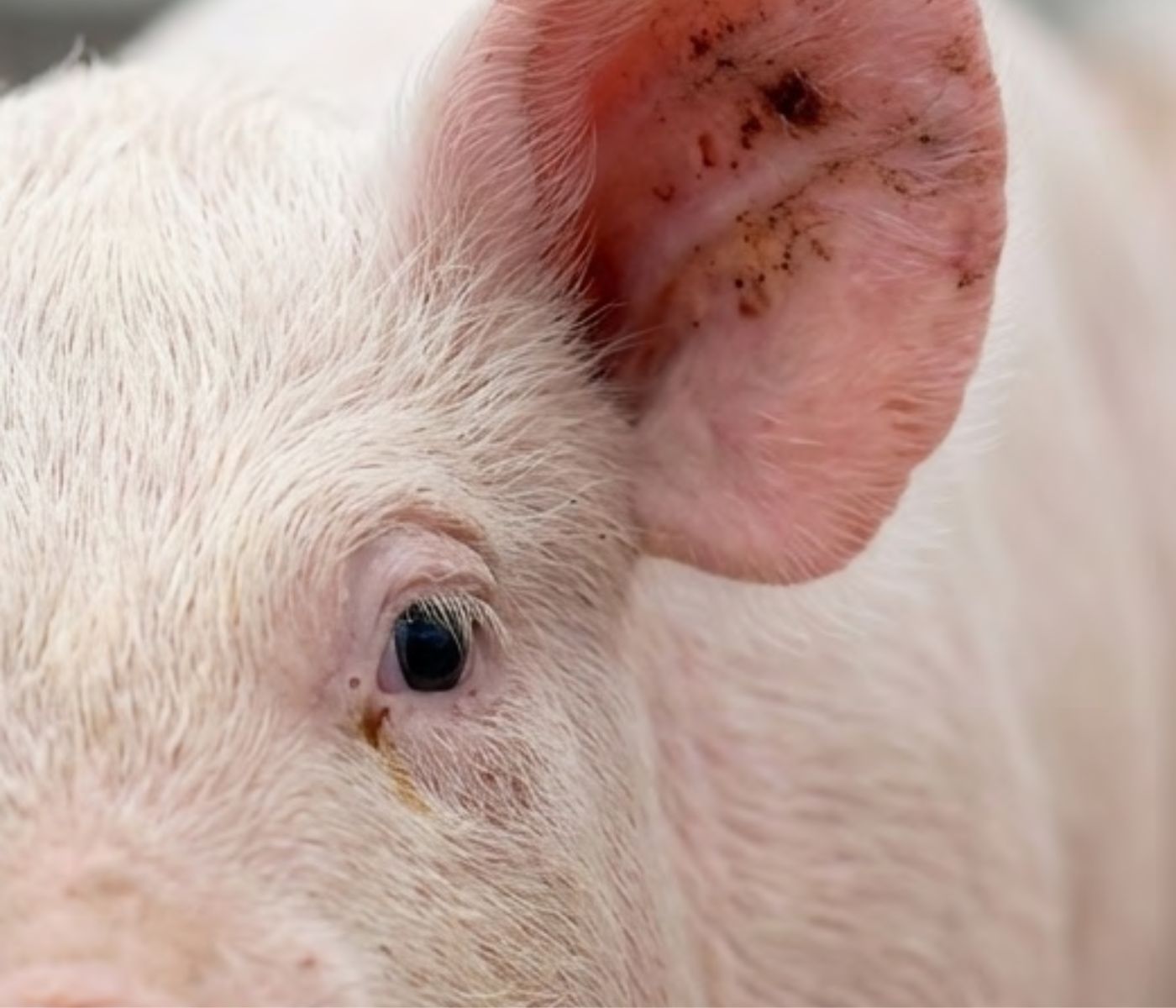
Mycotoxins and Piglet Ear Necrosis: Cause, Cofactor or Coincidence?
Alberto Morillo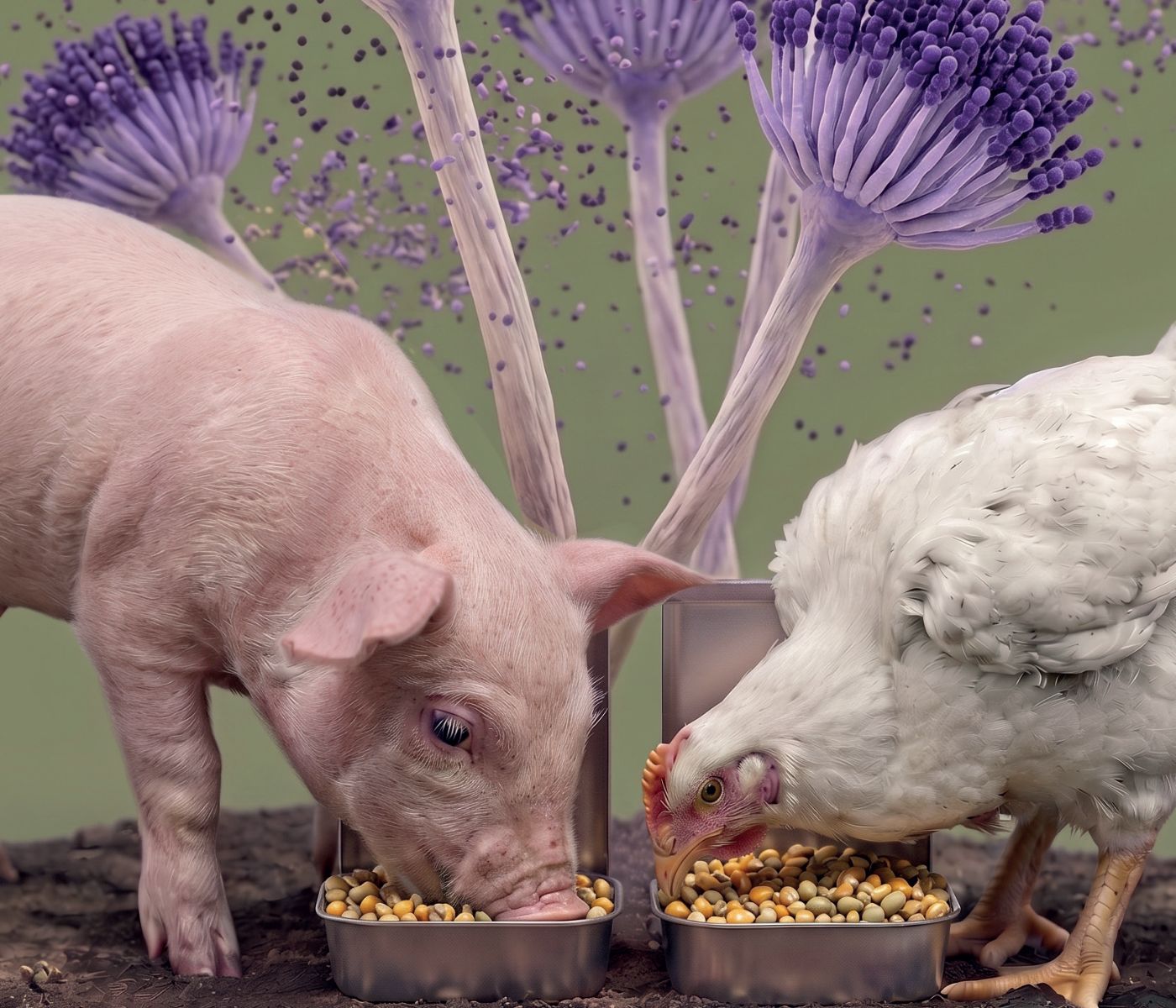
How Mycotoxins Affect Intestinal Health in Pigs and Poultry
Marcos Rostagno
From Antibiotics to Functional Feeds in Aquaculture
Babatunde Saliu
Peas as an Alternative to Soybean Meal in Beef Cattle Finishing Diets
Daniel Villalba Mata,
Improving Egg Yolk Pigmentation Through Better Nutrient Transport

Aquaculture and Aquaponics Nutrition: How Fish Shape the Growth of Greens
Trenton Corby
Consistency in Soybean Meal Drives Performance and Sustainability