 12 Apr 2022
Soybean production and trading in Brasil have taken significant impacts as of late due to local and international events. Commercialization of the 2021/22 Brazilian soybean harvest advanced 55% of the expected production until April 1, according to a survey conducted by DATAGRO Consulting. This index remained below the 71.5% recorded during the same period for the 2019/20 harvest (which was a record), as well as the 58.6% average for the last five years.
Considering the current revised forecast which is at 125.11 million tons for the 2021/22 harvest, Brazilian soybean producers marketed 68.81 million tons up until now. For this same period last year, the volume of traded production was much higher both in relative and absolute terms. Reaching 92.45 million tons.
| On the other hand, 6.9% of the estimated production of the 2022/23 oilseed harvest is commercially compromised. This value sits below the 8.4% average of the last 5 years and well below the 12.8% for the same date in 2021. |
 According to specialists, this conservative position is linked to producers being apprehensive and doubtful about the technological level which will be possible to adopt within the next campaign. In addition to a significant increase in costs due to restrictions in the fertilizer market because of the conflict between Russia and Ukraine.
Soybean exports in March were estimated at 11.12 million tons, which represents a 29% drop compared to the monthly record of 15.67 million tons registered for the same period last year.
In the case of soybean meal, exports are expected to grow by more than 300,000 tons year-on-year, up to 1.9 million tons in April, despite a reduction in grain exports. This is due to the fact that processing within the country has been able to maintain itself with good margins.
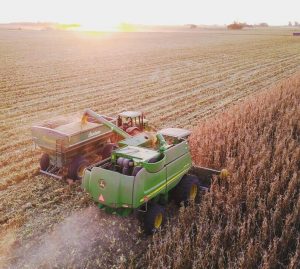
While for corn, sales’ evolution is also 36.9% below the five-year average.
Producers and other market players remain expectant as to what might happen in the following months, but the truth is expectation run low regarding possible outcomes in the near future.
Subscribe now to the technical magazine of animal nutrition
AUTHORS
From 2025 Data to 2026 Decisions: Managing Mycotoxin Risk in a Changing Climate
Alterion® NE Celebrates 10 Years of Poultry Gut Health Innovation

The Science Behind Kolin Plus: Beyond Choline Replacement

Summer Infertility in Sows: Managing Heat Stress and Reproductive Performance
AO-Biotics® Amaferm®: Supporting Livestock Digestion and Performance

Interview with Güner Gövenç
Güner Gövenç,
Net Energy and Precision Feeding Shape the Future of Poultry Nutrition
Edgar Oviedo
Mycotoxins in Swine: Health Risks and Nutritional Solutions
Giuseppe Carcò
Mycotoxins and Piglet Ear Necrosis: Cause, Cofactor or Coincidence?
Alberto Morillo
How Mycotoxins Affect Intestinal Health in Pigs and Poultry
Marcos Rostagno
From Antibiotics to Functional Feeds in Aquaculture
Babatunde Saliu
Peas as an Alternative to Soybean Meal in Beef Cattle Finishing Diets
Daniel Villalba Mata,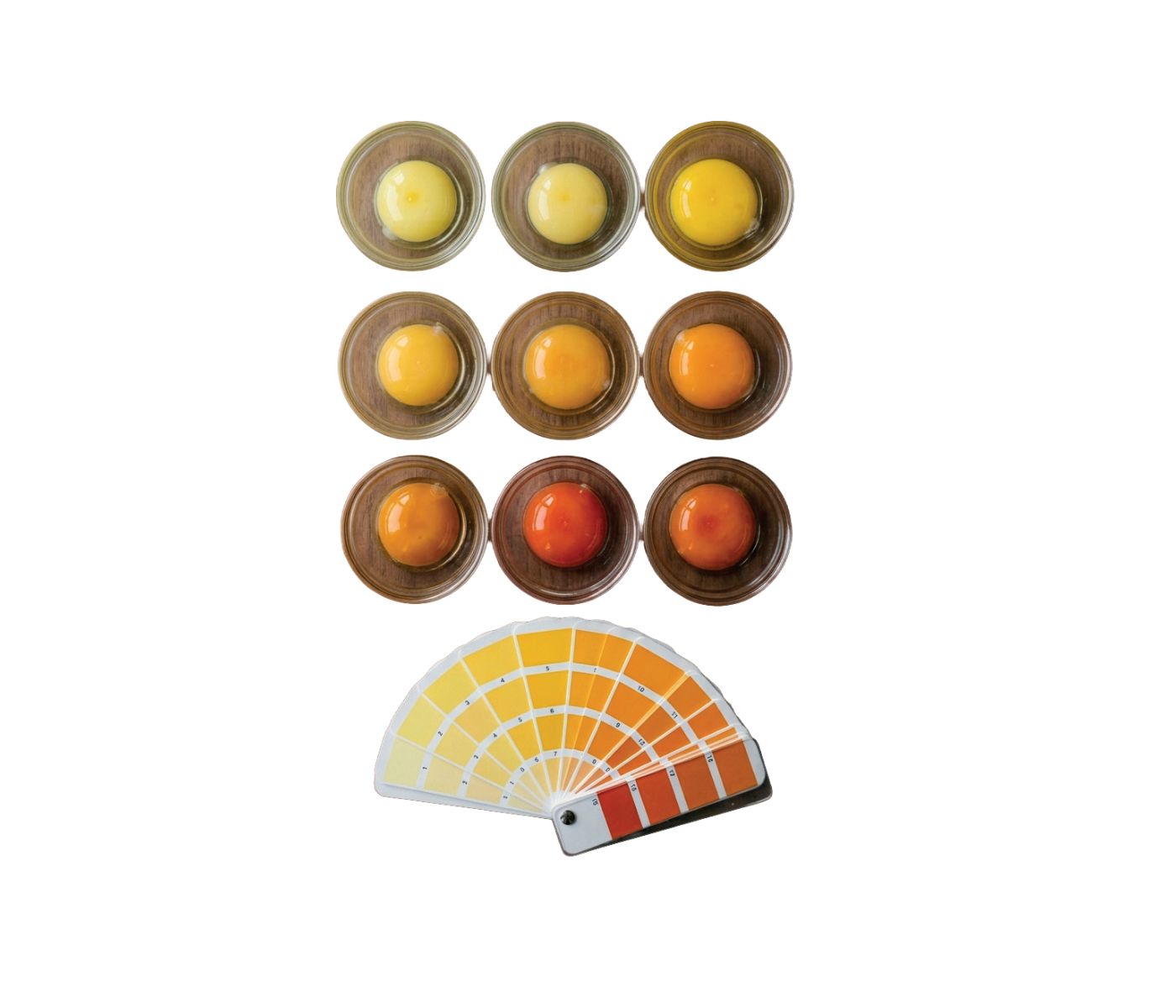
Improving Egg Yolk Pigmentation Through Better Nutrient Transport

Aquaculture and Aquaponics Nutrition: How Fish Shape the Growth of Greens
Trenton Corby
Consistency in Soybean Meal Drives Performance and Sustainability