The secrets behind a Phytase
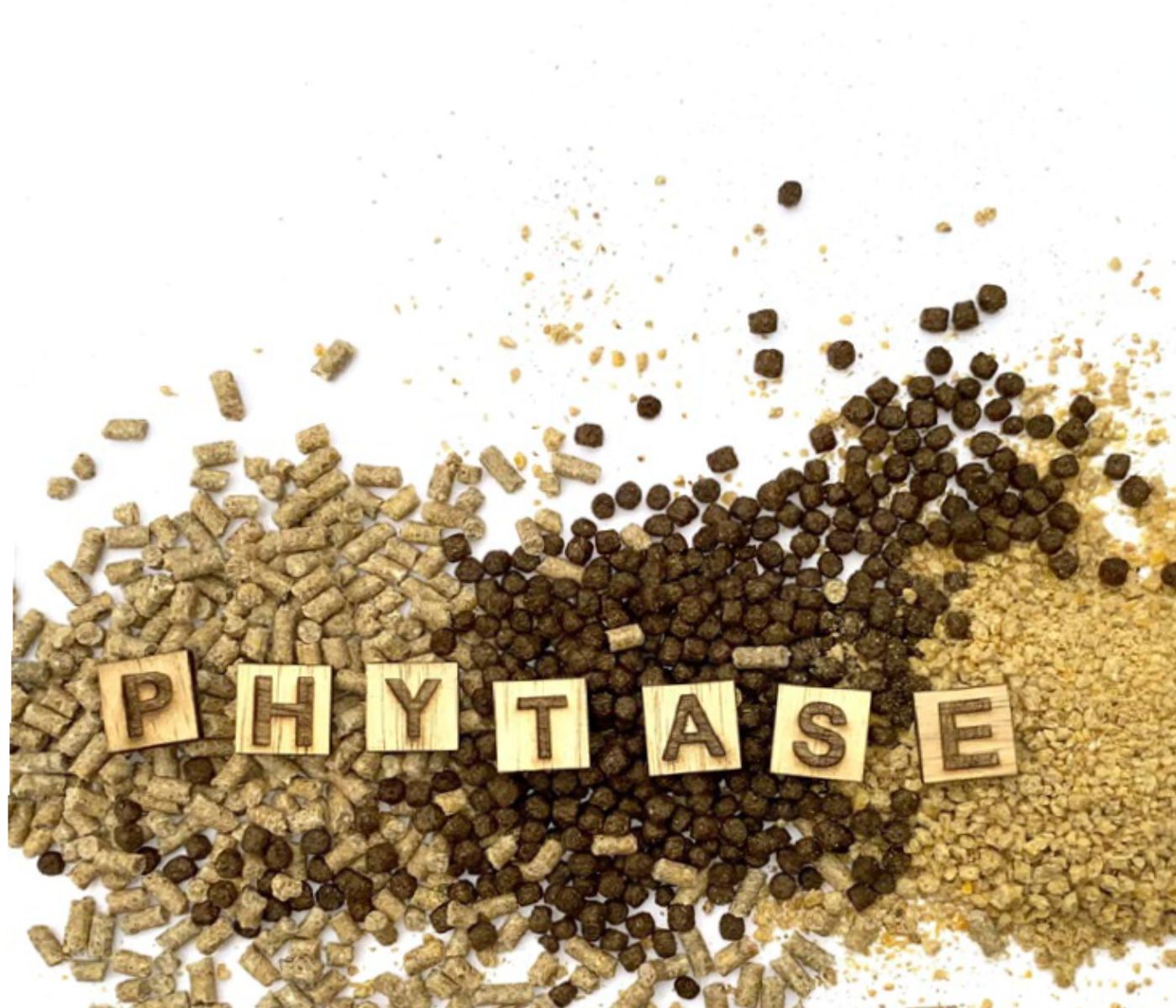
Phytases are among the most important enzymes used in modern animal nutrition because they improve phosphorus utilization and reduce the antinutritional effects of phytate in feed ingredients. In monogastric species such as pigs and poultry, endogenous phytase activity is limited, making exogenous supplementation essential for efficient nutrient utilization.
Beyond phosphorus release, phytases play a major role in improving the availability of amino acids, minerals, and other nutrients by reducing phytate interactions within the gastrointestinal tract.
Take-home message:
Improving phytase animal feed efficiency helps maximize phosphorus utilization, reduce nutrient binding by phytate, and improve overall feed digestibility in monogastric animals.
What Is Phytate?
Phytate is the main storage form of phosphorus in plant seeds. However, non-ruminant animals cannot efficiently digest phytate because they produce very low levels of endogenous phytase enzymes in the gastrointestinal tract.
Phytate strongly binds:
- Phosphorus
- Calcium
- Zinc
- Copper
- Proteins and amino acids
- Other positively charged nutrients
These interactions reduce nutrient availability and negatively affect feed efficiency and animal performance.
Main challenge:
Phytate acts as an antinutritional factor because it traps nutrients inside insoluble complexes that animals cannot absorb efficiently.
How Phytases Work
Phytases release phosphorus through the sequential cleavage of phosphate groups from the phytate molecule (inositol hexaphosphate or IP6). The process gradually reduces the negative charge of phytate, decreasing its capacity to bind nutrients.
The efficiency of phytase activity depends on several factors:
- Phytase type (3-phytase or 6-phytase)
- pH of the gastrointestinal tract
- Retention time in the stomach
- Availability of phytate substrate
- Feed structure and cell wall integrity
Histidine acid phytases are among the most studied phytases and differ based on the first phosphate group they remove from the inositol ring.
Phytase efficiency is influenced not only by enzyme quantity, but also by feed structure, substrate accessibility, and gastrointestinal conditions.
The Importance of pH
The activity of phytases is highly dependent on the acidity of the digestive environment. Acid phytases are most effective in the stomach, where phytate remains soluble.
At pH values above 4, phytate begins forming insoluble complexes with minerals such as:
- Zinc (Zn)
- Copper (Cu)
- Cobalt (Co)
- Manganese (Mn)
These phytate-mineral complexes become unavailable for absorption. Therefore, adequate gastric retention time is essential for effective phytate hydrolysis.
Phytase performs best when phytate remains soluble in acidic stomach conditions.
Why Feed Structure Matters
One major limitation of phytase activity is substrate accessibility. In cereal grains, nutrients are protected by cell walls composed mainly of cellulose, arabinoxylans, β-glucans, and mannans. Monogastric animals cannot efficiently digest these structures.
As a result, part of the phytate remains physically inaccessible to phytases inside plant cells.
Adding carbohydrases such as cellulases helps break down cell walls, improving phytate exposure and increasing nutrient availability. Studies showed that cellulase supplementation increased phosphorus availability by 30.4% and protein availability by 21.8%.
Key strategy:
Combining phytases with carbohydrases improves feed digestibility by increasing access to intracellular nutrients.
Superdosing Phytase
Increasing phytase levels in feed can improve phytate degradation efficiency. Studies demonstrated that supplementation up to 1500 FTU/kg achieved maximum cleavage of IP6, while higher levels showed limited additional benefits.
In piglets, superdosing phytase becomes especially important because young pigs produce lower stomach acidity, reducing phytate solubilization and increasing the amount of insoluble substrate in the gastrointestinal tract.
Proper phytase superdosing helps prevent:
- Reduced nutrient absorption
- Poor growth performance
- Excess phosphorus excretion
- Phytate-related digestive limitations
Piglets especially benefit from superdosing phytase because their gastric acidity is naturally lower.
The “Extra-Phosphoric” Effect
Phytases are often described as having an “extra-phosphoric effect” because they improve the availability of nutrients beyond phosphorus alone.
However, phytases do not directly digest proteins or starch. Instead, they reduce phytate concentrations, preventing phytate from binding amino acids, proteins, and minerals. This indirectly improves nutrient availability and absorption.
Phytases improve nutrient utilization indirectly by reducing phytate interference—not by acting as proteases or amylases.
Conclusion
Phytases are essential tools for improving phosphorus utilization, reducing nutrient losses, and increasing feed efficiency in monogastric animal production.
Their effectiveness depends on enzyme type, gastrointestinal pH, substrate accessibility, feed structure, and adequate dosing strategies. Combining phytases with carbohydrases further enhances nutrient availability and feed digestibility.
Final conclusion:
Modern phytase strategies are transforming animal nutrition by unlocking nutrients trapped inside phytate and improving both economic efficiency and environmental sustainability.
🔒 Contenido exclusivo para usuarios registrados.
Regístrate gratis para acceder a este post y a muchos más contenidos especializados. Solo te llevará un minuto y tendrás acceso inmediato.
Iniciar sesiónRegístrate en nutriNews
REGISTRARME