



 The main target organs of Aflatoxins are considered to be the liver and kidneys
 11 Apr 2023
Turmeric and the potential to mitigate AFB1 toxicity through its inclusion in dairy cow diets.
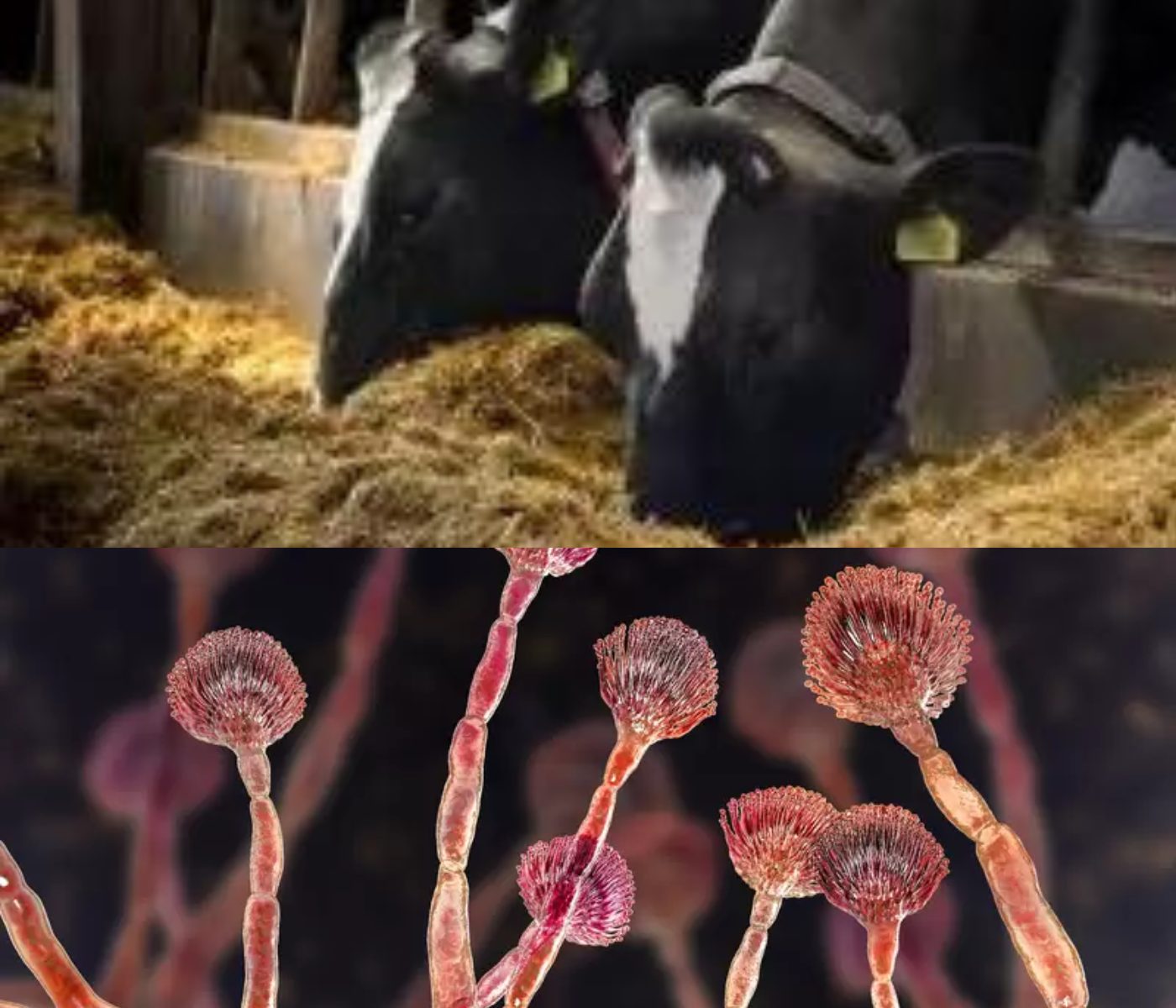
Aflatoxin contamination represents a food safety challenge for both animals and people. This type of contamination and its associated health hazards are referred to as Aflatoxicosis. Aflatoxins (AFs) are widespread dangerous mycotoxins synthesized by Aspergillus flavus and A. parasiticus that contaminate several foods and feed commodities [1].
Aflatoxicosis severity varies according to dose, exposure time, species, age, sexual cycle, nutritional status, etc.
Although the optimal conditions for the occurrence of this mycotoxicosis are found in tropical and subtropical regions, AFs have become a growing concern in southern EU countries during the last decades. A number of studies highlight climate change as a major factor for this. Playing a significant role in the rise of AF contamination in corn worldwide[2,3].

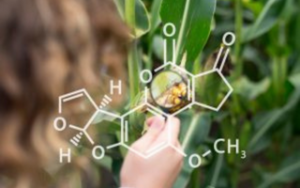
Aflatoxins hold a variety of toxic effects that can be elicited by the bioactivation of drug-metabolizing enzymes. This is especially true for cytochrome P450 (CYP)3A and 1A, which are responsible for the generation of both AFM1 and AFB epoxide (AFBO). The latter considered to be the most toxic. Being a reactive genotoxic hepatocarcinogen responsible which also causes cytotoxic effects and oxidative stress.
The main target organs of Aflatoxins are considered to be the liver and kidneys



Their main toxic and carcinogenic effects include:
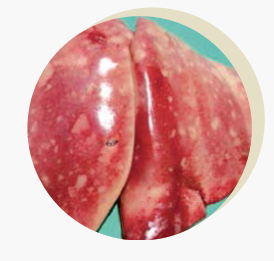
The main clinical signs that occur are:
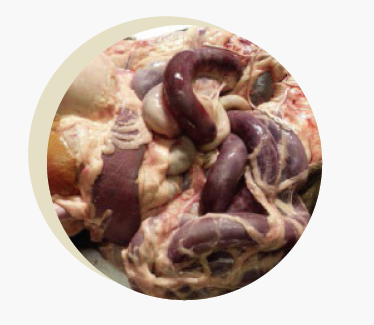
What is known about aflatoxins?
Mechanisms of Aflatoxin Excretion in ruminants:
Carry over = Percentage of AFB1 excreted in milk as the metabolite AFM1.
This rate varies between 1-3% (min. 0.1% and max. 10%) and depends on:
These authors showed that cows with high somatic cell counts excrete more AFM1 in milk than cows with similar production levels but with lower somatic cell counts.
Finding alternatives to prevent and protect against Aflatoxicosis
Study
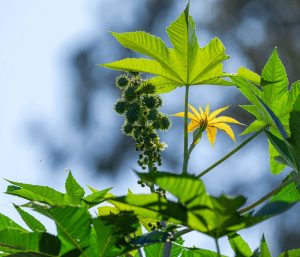
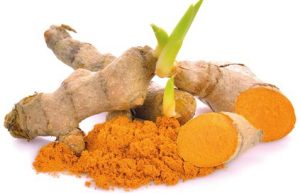
Under such context, a study was carried out at the University of Bologna, Italy, to assess if the inclusion of turmeric powder and the compounds(Curcumin and curcuminoids), could contribute to reducing AFM1 and AFL milk content in lactating dairy cows exposed to dietary AFB1.
Materials and methods
A crossover design was applied to two groups of cows (n = 4 each) with a 4-day washout. Animals received a diet contaminated with low AFB1 levels (5 ± 1 µg/kg) for 10 days ± TP supplementation (20 g/head/day).
You may also like to read: “Mycotoxin contamination in meat and meat products”


Subscribe now to the technical magazine of animal nutrition
AUTHORS
Latest Anti-Mycotoxin trends in animal feeding
Viviana Schroeder
Methionine in Poultry Diets and Its Role in Antioxidant Defense – Part I
Tainara Cluffi Dornelas
Calf Nutrition in the Heat
Carolina Kyriacou
Palm kernel cake and meal
Alba Cerisuelo
Effects of Nuxasan 500™ on Broiler Performance and Intestinal Health
Supporting layer and breeder performance via trace mineral nutrition
Preview: 10th Revised Edition of The Nutrient Requirements of Poultry (2024)
Edgar Oviedo
Risk Factors in Hoof Health in Dairy Cows
Fernando Ignacio Castillo Ortega
Biomarkers of mycotoxin exposure in swine
P.D. Tassis
The Keys To Feeding Piglets Without Zinc Oxide
Gonzalo González Mateos