Home » Australian Beef Remains in China Despite 55% Tariffs
 20 Oct 2026
Australian Beef Remains in China Despite 55% Tariffs
Australian Beef Holds Its Place in China Despite 55% Tariff Pressures
Australian beef exports to China are facing major trade disruptions, but premium products continue to attract Chinese consumers. As safeguard tariffs reshape trade flows, industry leaders are strengthening commercial relationships and preparing for future market opportunities.
Australia’s beef industry is navigating a challenging period in one of its most important international markets. Following China’s introduction of safeguard measures on beef imports in 2026, Australian exporters have experienced a substantial reduction in shipments, raising concerns about market access, pricing and the future of trade between the two countries.
However, despite these difficulties, Australian beef has maintained a presence in premium Chinese retail channels, suggesting that established consumer preferences and confidence in product quality remain important competitive advantages.
According to a recent report from Meat & Livestock Australia (MLA), the industry’s response is extending beyond immediate trade negotiations to include stronger partnerships between Australian and Chinese livestock stakeholders.
- 55% tariff: Applied to beef imports exceeding China’s safeguard quota allocations.
- 70–80% decline: The year-on-year reduction in Australian beef export volumes reported by MLA’s Greater China Regional Manager.
- Premium retail resilience: Australian chilled beef continues to appear in selected Chinese retail outlets.
- 1 January 2027: The next annual quota reset is a major focus for exporters and importers.
China’s Safeguard Tariffs Reshape Australian Beef Exports
China’s decision to introduce safeguard measures on beef imports has significantly altered trading conditions for major exporting countries, including Australia.
Under the measures implemented in January 2026, beef imported beyond the allocated quota threshold is subject to an additional 55% safeguard tariff.
The impact on Australian exporters has been considerable. Speaking to MLA, Greater China Regional Manager Murray Davis indicated that export volumes were running approximately 70–80% below the corresponding period in the previous year.
Frozen beef has been particularly affected, reflecting the difficulties of maintaining price competitiveness under higher import duties.
The restrictions have also created uncertainty for processors, exporters and importers attempting to plan shipments and manage inventories.
With trade conditions changing rapidly, companies must balance short-term commercial decisions against the importance of maintaining access to a strategically valuable market.
Why Premium Australian Beef Remains on Chinese Shelves
One of the more notable developments is the continued availability of Australian chilled beef in selected premium retail outlets, despite the higher tariffs.
According to MLA, retailers including Costco and Sam’s Club have continued stocking Australian chilled products, with Australian branding helping communicate their origin to consumers.
This resilience reflects the established position of Australian beef within China’s premium meat segment.
Australian suppliers have developed a reputation associated with production standards, traceability, consistent quality and the availability of both grassfed and grainfed products.
For some consumers, these attributes appear to justify paying higher prices, even when trade restrictions increase costs.
Premium Beef Demand Remains an Important Opportunity
While higher tariffs have sharply reduced overall trade volumes, the continued presence of Australian chilled beef in premium retail channels suggests that product differentiation, trusted origin and consumer recognition can help maintain demand during periods of market disruption.
Among affluent Chinese beef shoppers surveyed, freshness, naturalness, meat colour and country of origin were important considerations when selecting beef products.
The research also highlights growing interest in branded products that offer clear information about provenance, quality and production methods.
These preferences help explain why imported premium beef can retain a market presence even when cheaper alternatives are available.
For Australian exporters, the findings reinforce the importance of maintaining product quality and communicating attributes that consumers recognize and value.
Building Stronger Relationships Across the Beef Supply Chain
Rather than concentrating exclusively on tariff negotiations, MLA has also prioritized strengthening relationships between livestock industry stakeholders in Australia and China.
With support from the National Foundation for Australia–China Relations, a bilateral industry exchange program has brought together representatives from cattle production, feedlots, processing, research, government and industry organizations.
Chinese representatives visited Australian livestock enterprises, processing facilities and research institutions to gain a deeper understanding of the country’s production systems.
A subsequent Australian delegation visited China, exploring livestock operations, processing facilities and agricultural organizations across several regions.
These exchanges are intended to strengthen cooperation beyond the commercial relationships traditionally maintained between exporters and importers.
They also provide opportunities for both countries to share knowledge and identify areas for future collaboration.
Industry Cooperation Beyond Trade
The exchange program has highlighted complementary strengths: Australia’s cattle genetics, production systems and traceability infrastructure, alongside China’s capabilities in processing automation, robotics and livestock industry development.
Opportunities for Feedlots, Genetics and Processing Technology
The visits also demonstrated that Australia and China have opportunities to learn from each other’s livestock industries.
Chinese participants expressed interest in Australia’s genetics, animal health status, production integrity systems and ability to supply both grassfed and grainfed beef.
Meanwhile, Australian delegates observed technological developments within China’s livestock processing sector, particularly in automation and robotics.
For the broader beef supply chain, these exchanges may create opportunities for cooperation in production efficiency, processing innovation and technical knowledge.
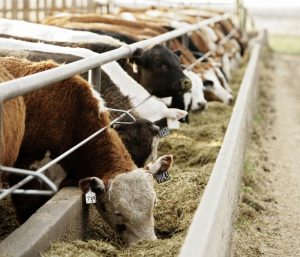
From an animal production perspective, the continued demand for premium beef also underscores the importance of maintaining consistent finishing systems, carcass characteristics and product specifications.
For feedlot operators and animal nutrition professionals, reliable feeding programs and predictable production performance remain essential components of supplying differentiated beef markets.
Although these nutritional implications extend beyond the specific findings reported by MLA, they illustrate the connection between cattle production practices and the quality requirements of international customers.
Exporters Prepare for the January 2027 Quota Reset
While premium retail demand offers some encouragement, uncertainty surrounding future trade flows remains a major concern.
According to MLA, substantial volumes of Australian beef are being held in cold storage and bonded warehouses as market participants wait for changes in quota availability.
Attention is increasingly focused on 1 January 2027, when the annual safeguard quota arrangements are scheduled to reset.
Industry participants anticipate that the reset could allow additional Australian beef to enter the Chinese market, including products currently held in storage and beef from cattle already being prepared for export programs.
However, the actual volume and timing of shipments will depend on market conditions, available quotas, importer decisions and the implementation of the safeguard arrangements.
Potential access to unused quota allocations from other exporting countries has also attracted attention, although such arrangements remain uncertain and would require agreement from the relevant authorities.
The annual quota reset could create opportunities for renewed shipments, but uncertainty remains around the timing of imports, inventory management and future negotiations. Exporters and processors will need to respond carefully to changing market conditions.
Marketing and Industry Engagement Continue
Despite the current trade challenges, MLA continues promoting Australian red meat in China through commercial events and industry engagement.
Activities highlighted in its October report include the China International Import Expo in Shanghai and Food & Hotel China, where Australian beef is being promoted through product demonstrations, tasting activities and professional butchery events.
These initiatives aim to maintain brand recognition and relationships with Chinese customers while exporters navigate the current tariff environment.
The strategy reflects the importance of remaining visible in the market, even when immediate commercial opportunities are restricted.
A Long-Term Market Strategy for Australian Beef
China remains a strategically important destination for Australian red meat, but the events of 2026 demonstrate how quickly international trade conditions can change.
Safeguard tariffs have significantly disrupted export volumes and introduced new challenges for producers, processors and importers.
Nevertheless, the continued availability of Australian chilled beef in premium retail outlets indicates that consumer recognition and differentiated product attributes remain valuable.
At the same time, bilateral industry exchanges are helping develop relationships that could support future cooperation beyond immediate trading conditions.
The challenge for Australia’s beef industry will be to preserve its premium market position while adapting to changing tariff arrangements and strengthening long-term commercial partnerships.
For cattle producers and the wider livestock supply chain, the situation illustrates the growing importance of product quality, production efficiency, market diversification and international cooperation in an increasingly uncertain trading environment.
Sources and Further Reading
- Meat & Livestock Australia (2026). Why Australian beef remains on shelves in China. Published 15 October 2026. Read the original MLA article.
- Meat & Livestock Australia (2026). Mainland China – Beef: Market Snapshot. Read the market report.
- Meat & Livestock Australia (2026). Australia and China strengthen red meat partnership through landmark industry exchange. Published 14 October 2026. Read the industry update.
- Meat & Livestock Australia (2026). Market access challenges continue to take centre stage. Published 30 July 2026. Read the market access update.
Article adapted and expanded for nutriNews International from reporting by Meat & Livestock Australia. Trade figures and market observations reflect the reporting period of the original October 2026 source.