 16 Oct 2026
Japan’s grain and feed sector is entering a period of adjustment as domestic rice supplies recover and policymakers weigh decisions that could influence animal nutrition markets. According to the latest USDA Foreign Agricultural Service (USDA-FAS) GAIN report, rice production in marketing year (MY) 2026/27 is expected to continue recovering from the slump in MY 2024/25. As supplies improve and prices ease, rice is projected to regain market share from wheat while influencing feed ingredient demand.
Government decisions on rice stock management will be particularly important for feed users. Higher rice supplies, whether from existing stocks or other channels, could reduce demand for feed corn and wheat. As a result, developments in the rice market are expected to influence livestock and aquaculture feed formulation.
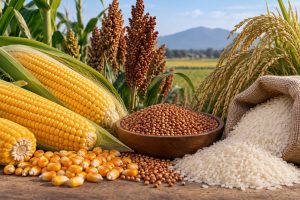
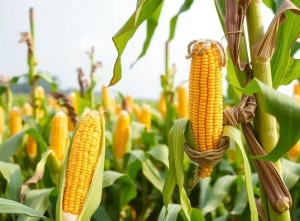
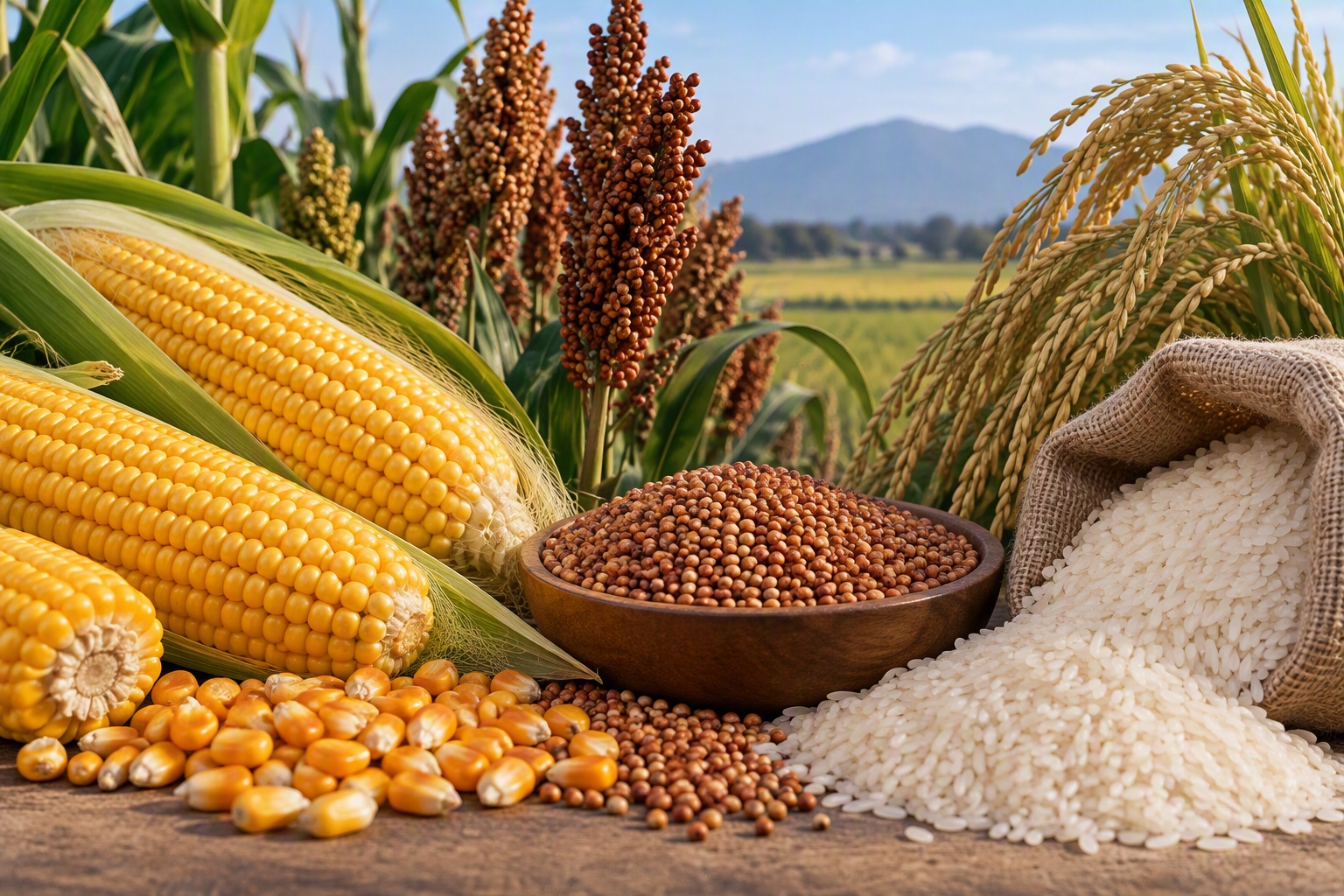
Despite rice’s growing role, corn continues to underpin Japan’s feed industry. USDA-FAS forecasts feed and residual corn use at 12.35 million tons in MY 2026/27, down slightly from an estimated 12.5 million tons in MY 2025/26.
The decline reflects a recovery in rice-based feed use. Although Japanese farmers reduced feed rice planting intentions for MY 2026/27, inventories are expected to remain high. The report notes that the government may increase feed rice availability through imports and existing stocks, creating greater competition for corn in feed rations. As a result, FAS/Tokyo forecasts a 1.2% decline in feed corn consumption.


That would reverse the previous year’s trend. In MY 2025/26, corn-for-feed consumption rose an estimated 2.5% as feed manufacturers and livestock producers substituted corn for rice. Even so, overall feed demand is expected to remain broadly stable, indicating that ingredient shifts, rather than livestock numbers, are driving grain use.
The report also examines feed use through metabolic energy estimates across poultry, swine, cattle, and aquaculture sectors. Those estimates indicate feed demand in MY 2026/27 will remain broadly aligned with livestock production trends.
Feed manufacturing data point to stable demand. Overall feed energy supply in MY 2025/26 was estimated at just 0.3% below the previous year, while corn accounted for 50.9% of total feed energy, its highest share during the period covered by the report.




Although rice may regain some ground in feed formulations, corn remains the dominant energy source in Japanese feed production. Feed manufacturers also continue to rely heavily on imported grain supplies.
Japan’s limited corn production means imports will remain central to feed supply. The country harvested just over 16,000 tons of mature dry corn from 2771 hectares in MY 2025/26, while most maize acreage was devoted to silage production. USDA-FAS expects both harvested area and production to remain largely unchanged in MY 2026/27.
Because domestic output is small relative to demand, Japan relies on imports for nearly all corn consumption. The report forecasts corn imports at 15.6 million tons in MY 2026/27, slightly below the estimated 15.7 million tons imported in MY 2025/26. The decrease reflects lower feed corn demand as rice-based feed use recovers.
The US and Brazil remain Japan’s primary corn suppliers, although sourcing patterns vary with price competitiveness. From January to July 2026, the US supplied 99% of Japan’s corn imports. The trend has continued since February 2025.
Sorghum remains part of Japan’s feed ingredient mix, but its role is limited. Feed manufacturers consumed 64,450 tons in MY 2025/26, accounting for just 0.3% of gross energy consumption among feed ingredients. Both imports and consumption are expected to decline further in MY 2026/27.
Consequently, the key feed market story remains the relationship between corn and rice. As rice production recovers and inventories remain elevated, government stock decisions could significantly influence feed grain use. While corn is expected to remain the dominant feed ingredient, greater rice availability is likely to shape feed purchasing decisions across the livestock and aquaculture sectors.




Subscribe now to the technical magazine of animal nutrition
AUTHORS
From 2025 Data to 2026 Decisions: Managing Mycotoxin Risk in a Changing Climate
Alterion® NE Celebrates 10 Years of Poultry Gut Health Innovation
The Science Behind Kolin Plus: Beyond Choline Replacement
Summer Infertility in Sows: Managing Heat Stress and Reproductive Performance
AO-Biotics® Amaferm®: Supporting Livestock Digestion and Performance

Interview with Güner Gövenç
Güner Gövenç,
Net Energy and Precision Feeding Shape the Future of Poultry Nutrition
Edgar Oviedo
Mycotoxins in Swine: Health Risks and Nutritional Solutions
Giuseppe Carcò
Mycotoxins and Piglet Ear Necrosis: Cause, Cofactor or Coincidence?
Alberto Morillo
How Mycotoxins Affect Intestinal Health in Pigs and Poultry
Marcos Rostagno
From Antibiotics to Functional Feeds in Aquaculture
Babatunde Saliu
Peas as an Alternative to Soybean Meal in Beef Cattle Finishing Diets
Daniel Villalba Mata,
Improving Egg Yolk Pigmentation Through Better Nutrient Transport

Aquaculture and Aquaponics Nutrition: How Fish Shape the Growth of Greens
Trenton Corby
Consistency in Soybean Meal Drives Performance and Sustainability