Home » Beef Cattle Acidosis: Risks, Prevention and Feedlot Performance
 19 Oct 2026
Beef Cattle Acidosis: Risks, Prevention and Feedlot Performance
Beef Cattle Acidosis: A Silent Threat to Feedlot Health, Performance, and Profitability
High-Performance Diets: A Hidden Acidosis Risk
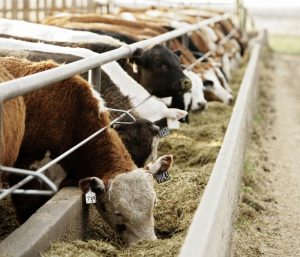
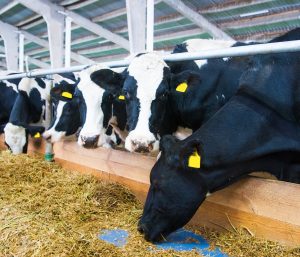
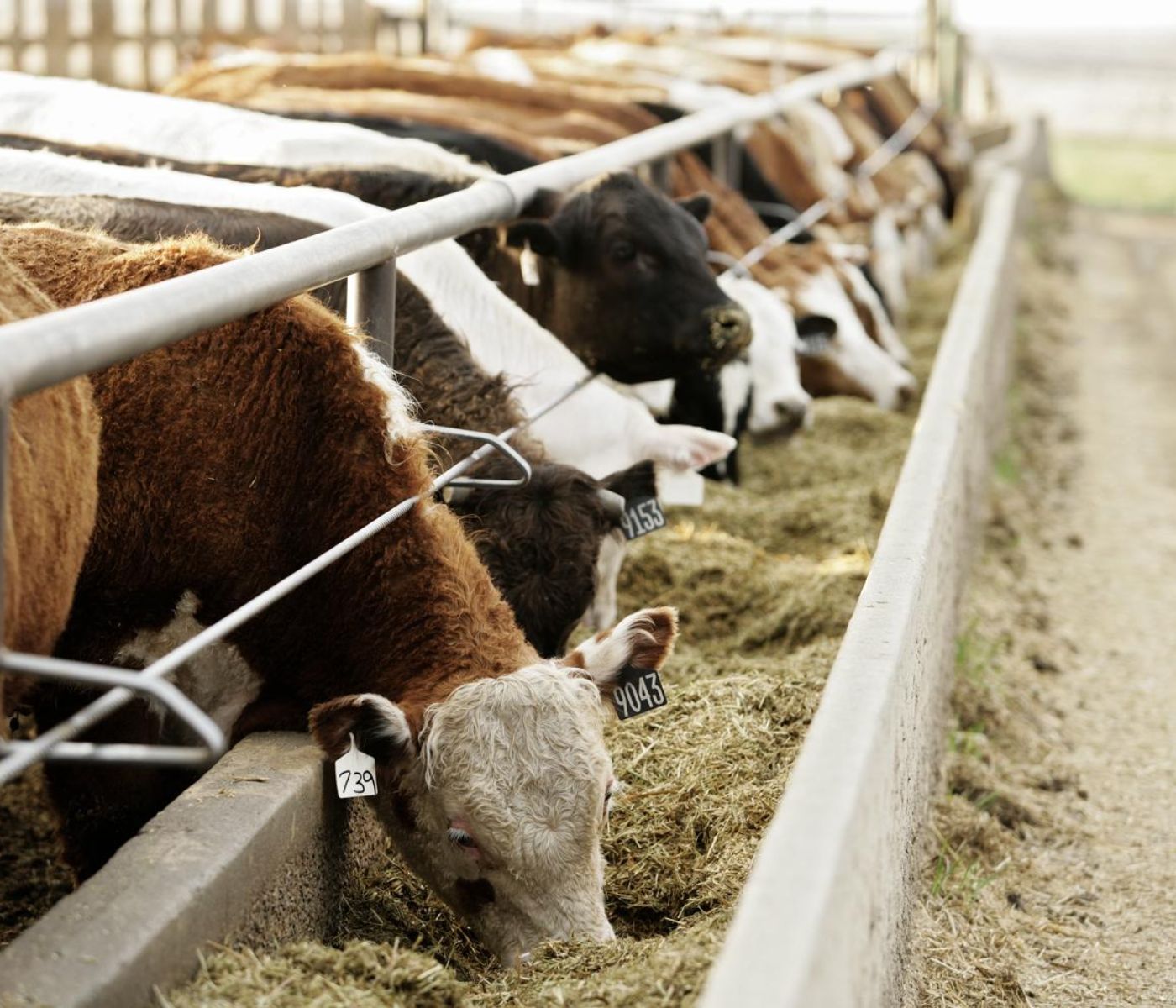
Modern feedlots are built around a clear objective: turn feed into weight gain, carcass value, and profitability as efficiently as possible. High-energy diets rich in grain and rapidly fermentable starch make this possible. They support fast finishing, consistent carcass weight, and better use of fixed costs. The same diets, however, also increase the risk of ruminal and cecal acidosis, a disorder that is often subclinical and therefore easy to underestimate.
The hidden cost of acidosis
The problem is not simply that pH falls for a few hours. It is that repeated acid challenges can change the rumen wall, alter microbial fermentation, trigger inflammation, and reduce the animal’s ability to transform feed into saleable tissue.
When Rumen Imbalance Becomes a Systemic Problem
Acidosis begins when acid production exceeds the animal’s capacity to absorb, dilute, or buffer fermentation products. In the rumen, starch is converted into volatile fatty acids and, when the challenge is severe, lactate. When ruminal pH remains depressed, especially below about 5.8, fiber-digesting bacteria lose activity, intake becomes more variable, and acid-tolerant microbes gain ground.
The result is a self-reinforcing cycle: lower pH reduces fiber digestion and chewing, less saliva reaches the rumen, and the buffering system becomes weaker just when the animal needs it most.
From Digestive Lesions to Inflammation and Performance Loss
The damage is not only microbial. Low pH can injure the ruminal epithelium, causing rumenitis, hyperkeratosis, scarring, and fewer functional papillae. Once the absorptive surface is damaged, volatile fatty acid uptake becomes less efficient and the rumen wall becomes more permeable. This explains why a major acidosis episode can have consequences beyond the day it occurs: even after apparent recovery, nutrient absorption and digestive resilience may remain impaired. In practice, animals may look normal while the rumen has already lost part of its absorptive and barrier function.
The acidosis–rumenitis–liver abscess complex
One of the clearest systemic consequences is the “acidosis-rumenitis-liver abscess” complex. When bacteria cross damaged ruminal tissue, they enter the portal circulation and reach the liver. Reviews report liver abscess incidence in feedlot cattle commonly around 10 to 20%, with higher values in some systems (Amachawadi and Nagaraja, 2016). Abscesses are often invisible before slaughter, but they can reduce performance, impair feed efficiency, and lead to liver condemnation. Laminitis is another delayed signal. When observed in a pen, it may indicate that a metabolic and inflammatory challenge occurred weeks earlier, after low pH and endotoxin release affected hoof microcirculation.
Hindgut Fermentation and Inflammatory Responses
Acidosis can also trigger subsequent effects. If starch escapes ruminal digestion, it ferments in the cecum and hindgut, where buffering capacity is limited. Excess short-chain fatty acids lower luminal pH, damage the mucosa, and favor the release and absorption of lipopolysaccharides, components of bacterial cell walls. Once in circulation, these endotoxins activate inflammation. Field clues such as loose feces, mucus, bubbles, foam, or undigested grain should therefore be interpreted as warning signs of excessive hindgut fermentation, not simply as manure variation.
Inflammation Has a Production Cost
This inflammatory load has a production cost. When the immune system and damaged tissues become biological priorities, nutrients are diverted away from growth, fat deposition, and carcass development. That shift helps explain why acidosis can reduce average daily gain, destabilize intake, and affect meat quality even in diets that look highly energy-dense on paper. Research on lipid metabolism in ruminants also shows that ruminal conditions can influence fatty acid biohydrogenation and lipogenic gene expression, linking digestive stability with marbling and finishing quality. In other words, a high-energy ration only delivers its full value when the animal can absorb and use that energy efficiently.
Prevention: Acting Before Acidosis Becomes Visible
Prevention therefore starts before acidosis is visible. Gradual adaptation to concentrate, adequate physically effective fiber, stable feed management, appropriate grain processing, and regular observation of intake and manure consistency remain essential. Operators should monitor day-to-day changes in intake, sorting behavior, loose manure, visible grain in feces, and changes in lying or feeding patterns. Buffers and alkalinizers can support this program, but they should not replace good nutrition and management. The objective is not simply to neutralize acid; it is to maintain a rumen environment where fermentation, absorption, and animal comfort remain aligned.
Preventive Management Priorities
Gradual concentrate adaptation • Adequate effective fiber • Consistent feeding practices • Appropriate grain processing • Monitoring feed intake and manure consistency • Early identification of behavioral changes
pHix-up®: Supporting Rumen Stability and Feedlot Performance
This is where pHix-up® can be positioned. pHix-up® is a blend of selected magnesium oxide sources designed to provide a fast and sustained alkalinizing effect while supplying highly available magnesium. Unlike a message focused only on buffering, the strongest positioning is systemic: it protects the rumen environment and keeps nutrients directed toward production, e.g., glucose and Mg. Magnesium-based strategies are scientifically relevant because ruminal magnesium availability and solubility are influenced by pH, with published reviews describing the rumen as the main site of magnesium absorption (Dalley et al., 1997; Martens et al., 2018). The product therefore fits within a broader approach: direct acid neutralization, support of ruminal conditions, and better nutrient use.
Research Findings: pHix-up® in Beef Cattle
Recent beef cattle trials provide practical numbers. In a UFLA feedlot study with 84 Nellore steers fed a high-starch finishing diet, pHix-up® improved adaptation performance and total-period growth (Bethancourt-Garcia et al., 2024). During the first 16 days, average daily gain and intake were respectively 5 and 42% higher in the pHix-up® group, a relevant result because adaptation is when animals are most exposed to abrupt fermentation and feeding behavior changes.
Reported Performance Results — 84 Nellore Steers
| Performance indicator |
Reported result |
| Average daily gain, control |
1.49 kg/day |
| Average daily gain, pHix-up® |
1.63 kg/day |
| Total-period ADG difference |
+9% (+140 g/day) |
| Feed intake |
+5% |
| Adjusted ribeye area |
+8% |
| Subcutaneous fat deposition |
+21% |
Results reported by Terresis Agriculture, citing Bethancourt-Garcia et al. (2024). These findings relate to the described experimental conditions.
Across the full feedlot period, cattle receiving the pHix-up reached 1.63 kg/day average daily gain versus 1.49 kg/day without it, a 9% increase, or about 140 g/day. Intake also increased by 5%, and adjusted ribeye area improved by 8%. Subcutaneous fat deposition showed a favorable +21% response, supporting the idea that digestive stability can influence carcass development, not only rumen comfort. Molecular results pointed in the same direction, with higher expression of genes related to nutrient use and tissue growth.
Figure 1. Average daily gain during the total feedlot period (Bethancourt et al., 2024). Insert the original Terresis figure here.
Additional Controlled Trials
Additional controlled trials strengthen the mechanism. In ruminally cannulated beef bulls, increasing pHix-up® inclusion produced a linear increase in ruminal pH and higher circulating glucose, suggesting better nutrient uptake under high-energy feeding (Nascimento et al., 2024). A commercial Mexican feedlot trial with 480 heifers also suggested that pHix-up® increased carcass output while allowing lower forage inclusion, generating an estimated net advantage of about 15 USD per head under the reported market assumptions.
From Digestive Stability to Economic Performance
The trials described by Terresis connect ruminal pH management with animal performance, carcass development and potential economic returns. Results should be interpreted within the feeding conditions and assumptions of each study.
Managing Acidosis for Efficient and Sustainable Feedlot Production
For producers, the message is straightforward. Acidosis is not a single digestive incident; it is a systems problem that can affect the rumen, hindgut, liver, immune response, carcass traits, and profit. Managing it requires consistent feeding practices and tools that protect stability during high-performance production, especially during adaptation, heat stress, diet transitions, or low-forage strategies. By supporting ruminal pH, nutrient utilization, and resilience, pHix-up® offers a science-backed option for feedlot programs seeking growth that is not only fast, but also efficient, healthy, and economically sustainable.
Protecting Rumen Stability Is Protecting Performance
Effective acidosis management combines feeding practices, nutritional strategies and continuous monitoring to support animal health, productive efficiency and feedlot profitability.
References
Dalley et al., 1997; Amachawadi and Nagaraja, 2016; Martens et al., 2018; Bethancourt-Garcia et al., 2024; Nascimento et al., 2024.