 26 Dec 2022
Milk is a source of nutrients and easily digestible bioactive factors. Its composition varies according to the requirements of the newborn. Experiencing changes from colostrum to transitional and mature milk.
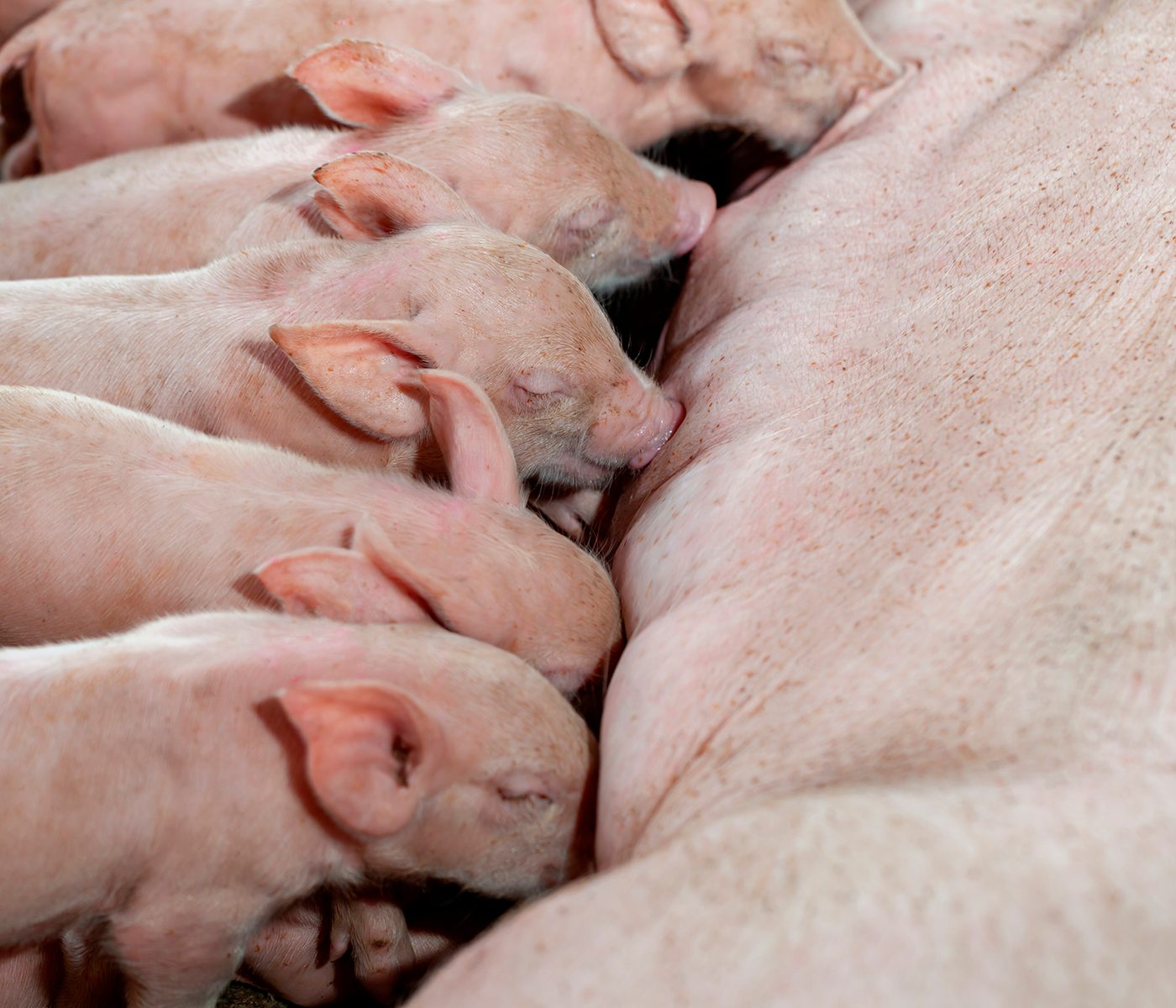
Milk represents the only source of nutrients and bioactive factors for the piglet and there are marked changes in its composition throughout lactation.
These changes reflect both the metabolic activity of the mammary gland as well as species-specific developmental requirements of newborns.


During gestation and around the time of delivery, the mammary gland undergoes structural and functional changes that prepare the organ for milk synthesis and secretion.
The endocrine environment of pregnancy initiates and drives structural changes in the gland and the progressive differentiation of milk-producing lactocytes.
Lactocyte-secreting differentiation encompasses the first stage of lactogenesis and results in the accumulation of colostrum in the gland.



This first stage of lactogenesis is characterized by low levels of milk protein and lactose synthesis. While there is an active transport of immunoglobulin G (IgG) molecules through lactocytes.
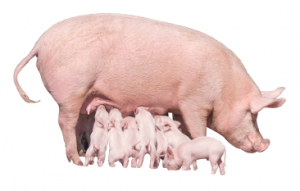 Colostrum is available to newborns immediately after birth. The high energy and IgG content of colostrum is particularly important in pigs, as piglets tend to have scarce body fat reserves, have no circulating antibodies, and lack a fully functional immune system.
Therefore, newborn piglets depend on colostrum intake for thermogenesis and the establishment of passive immunity.
| Colostrum is usually available to the piglet the first 24 hours after birth, which is the period of time where newborns can absorb IgG. |
The second phase of lactogenesis begins 24 to 36 h after delivery and is characterized by secretory activation of lactocytes.
Subscribe now to the technical magazine of animal nutrition
AUTHORS

From 2025 Data to 2026 Decisions: Managing Mycotoxin Risk in a Changing Climate
Alterion® NE Celebrates 10 Years of Poultry Gut Health Innovation
The Science Behind Kolin Plus: Beyond Choline Replacement

Summer Infertility in Sows: Managing Heat Stress and Reproductive Performance
AO-Biotics® Amaferm®: Supporting Livestock Digestion and Performance

Interview with Güner Gövenç
Güner Gövenç,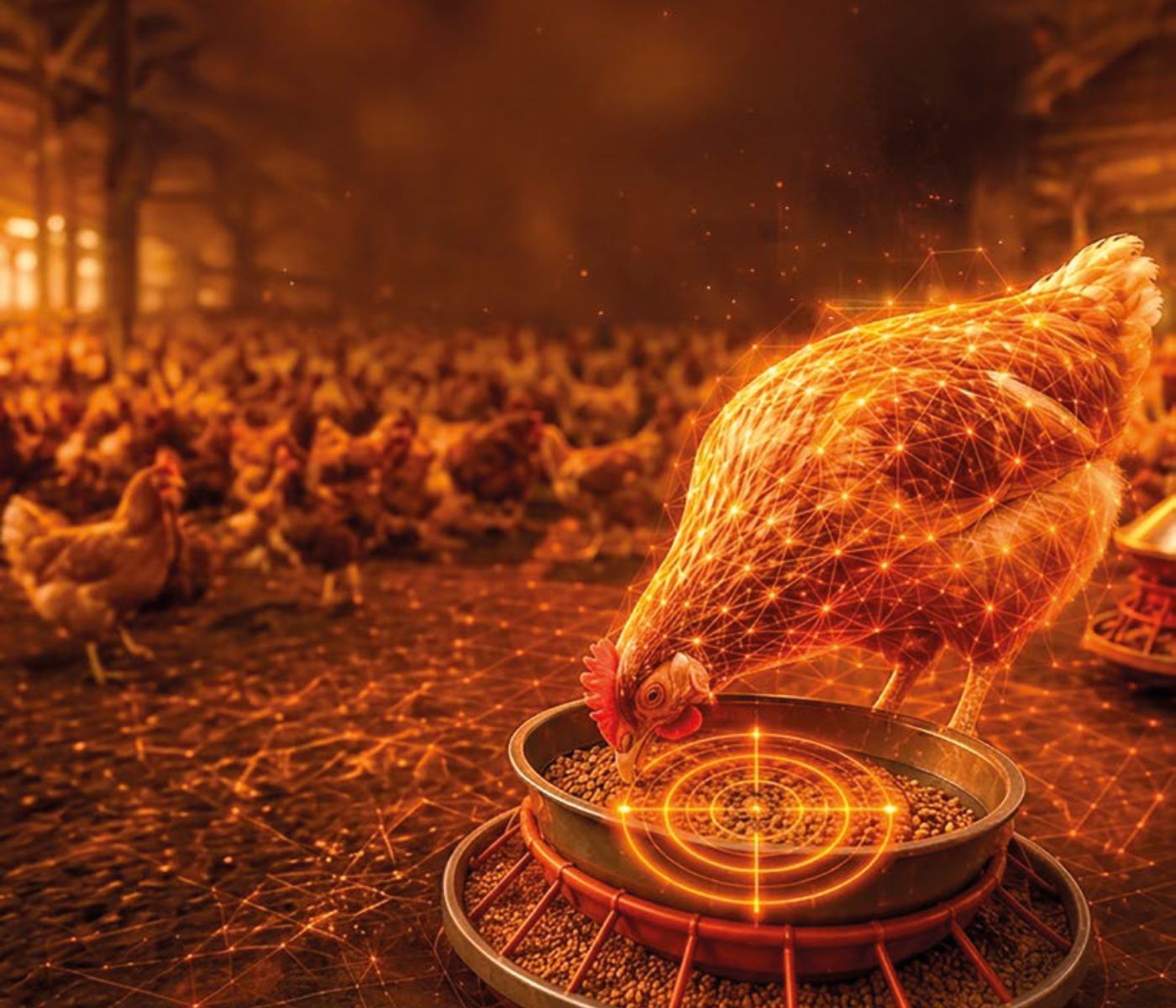
Net Energy and Precision Feeding Shape the Future of Poultry Nutrition
Edgar Oviedo
Mycotoxins in Swine: Health Risks and Nutritional Solutions
Giuseppe Carcò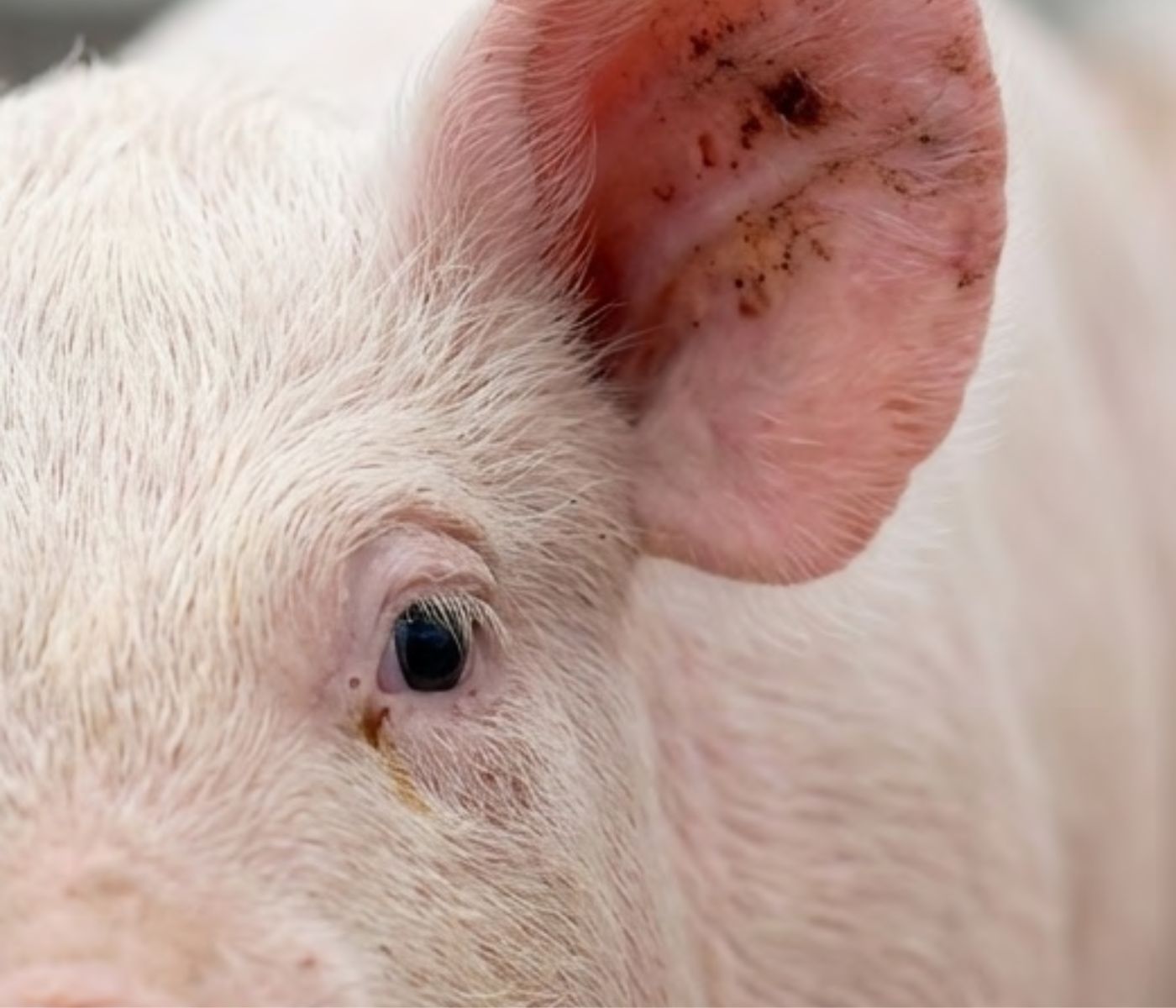
Mycotoxins and Piglet Ear Necrosis: Cause, Cofactor or Coincidence?
Alberto Morillo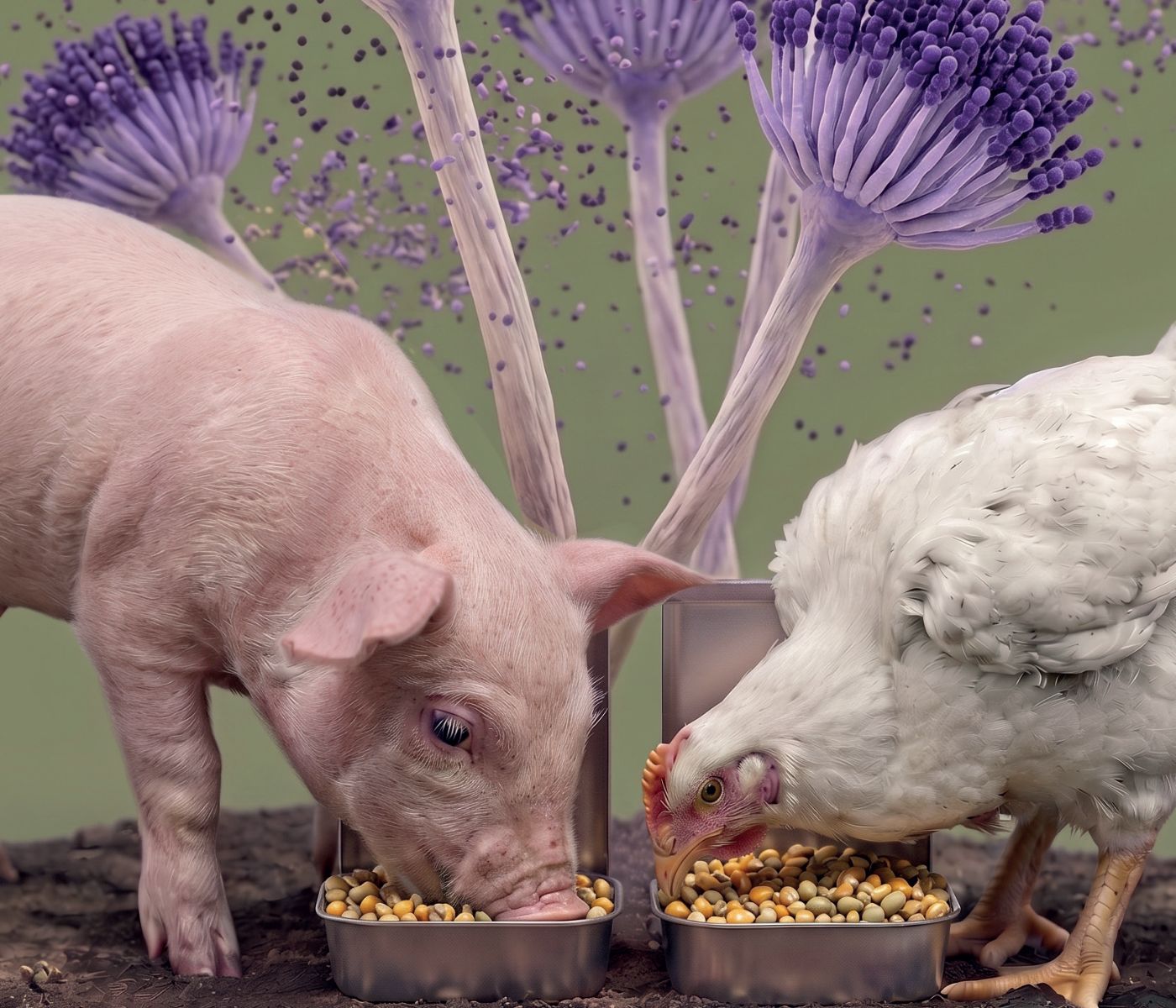
How Mycotoxins Affect Intestinal Health in Pigs and Poultry
Marcos Rostagno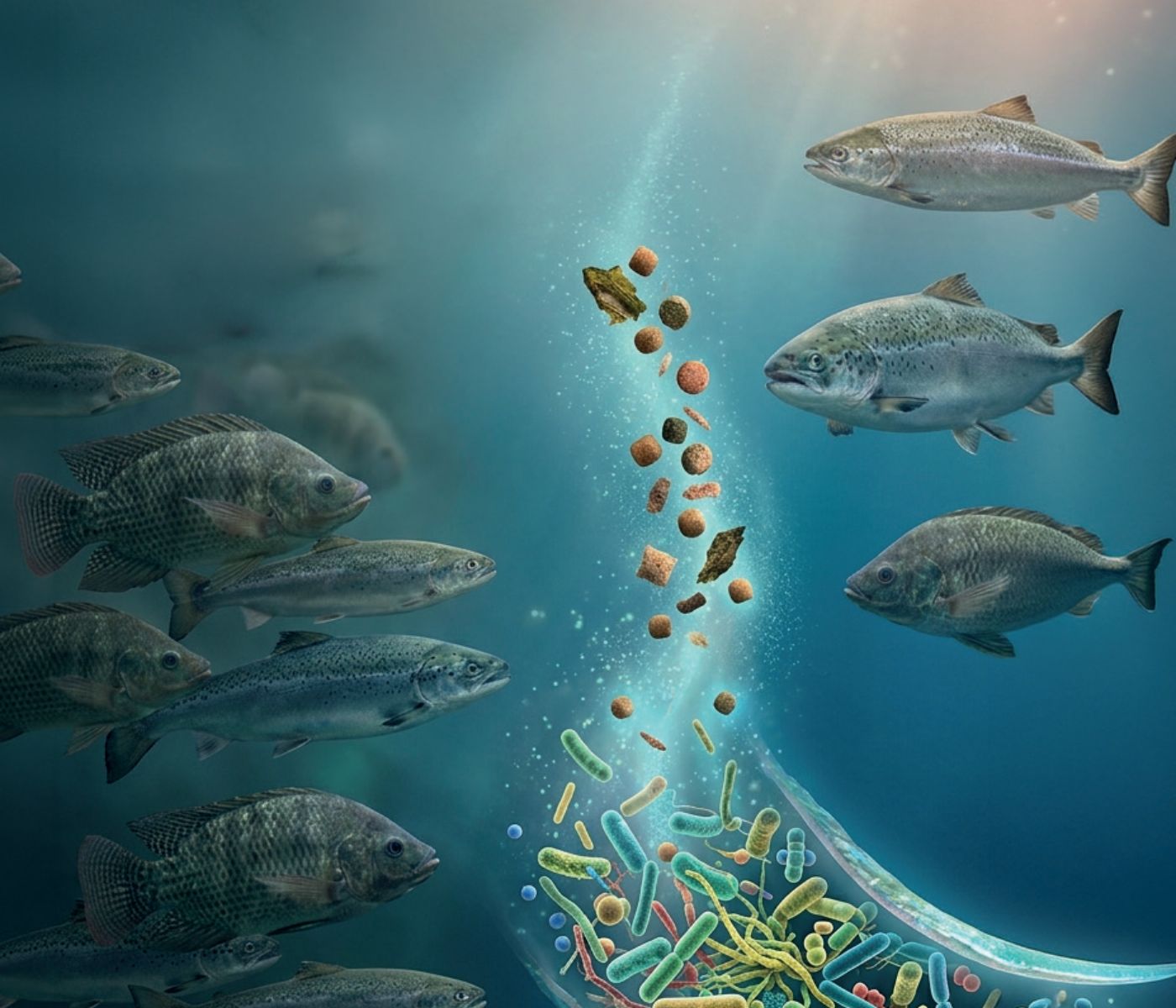
From Antibiotics to Functional Feeds in Aquaculture
Babatunde Saliu
Peas as an Alternative to Soybean Meal in Beef Cattle Finishing Diets
Daniel Villalba Mata,
Improving Egg Yolk Pigmentation Through Better Nutrient Transport

Aquaculture and Aquaponics Nutrition: How Fish Shape the Growth of Greens
Trenton Corby
Consistency in Soybean Meal Drives Performance and Sustainability