DAIRY CATTLE | ANIMAL WELFARE | SUSTAINABILITY
Why Are Dutch Dairy Farmers Moving Away from Pasture Grazing?
Pasture access is declining across Dutch dairy farms despite its importance for animal welfare and the country’s dairy farming identity. Larger herds, automated milking systems, regulatory pressures and changing farm economics are making grazing increasingly difficult to maintain.
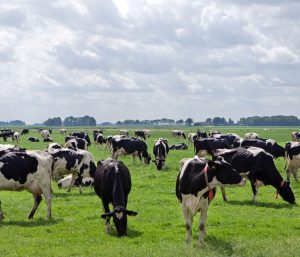
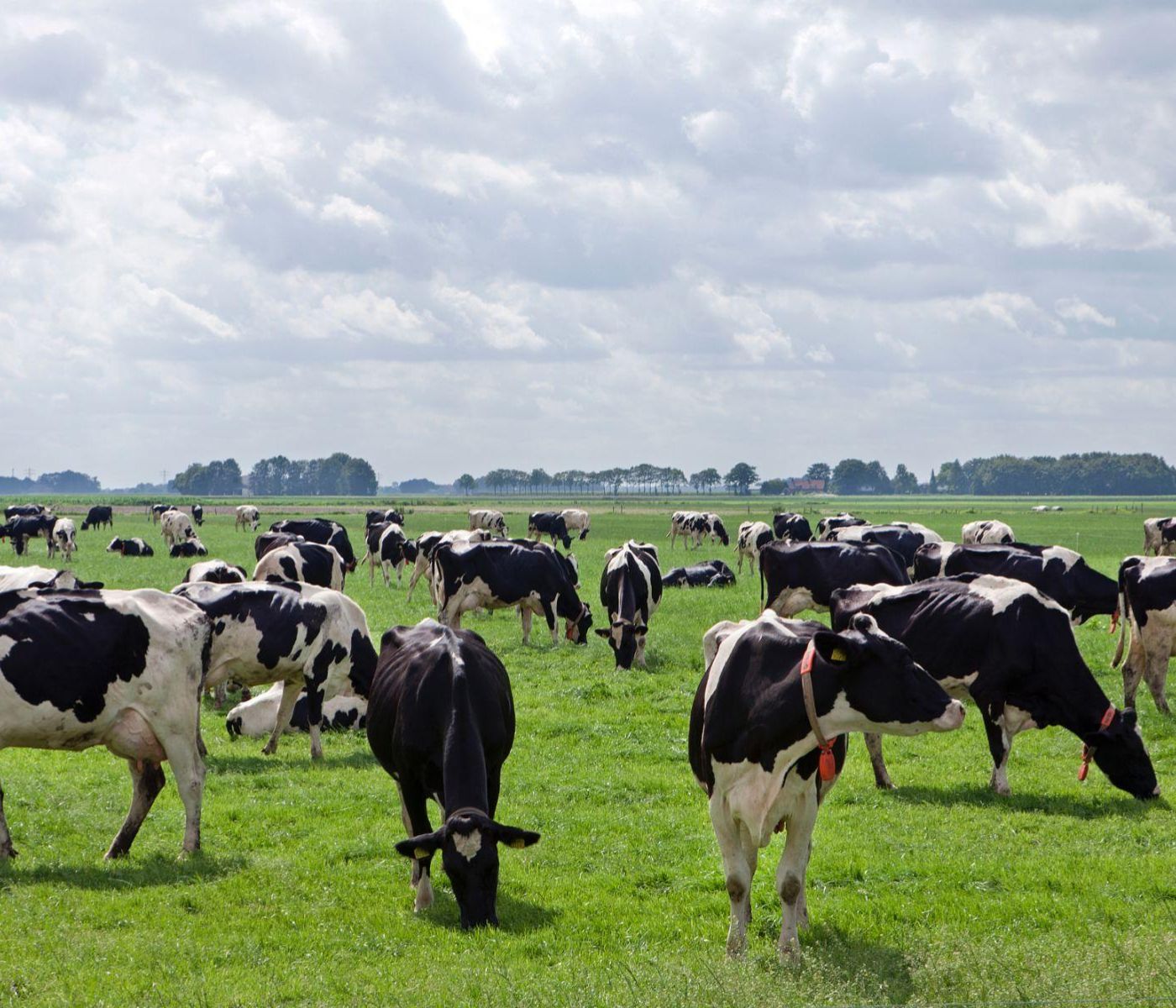
For decades, the image of dairy cows grazing in green fields has been closely associated with dairy farming in the Netherlands. However, that traditional production model is facing growing challenges.
Recent industry figures indicate that fewer Dutch dairy farms are providing their cows with access to pasture, reversing earlier progress achieved through voluntary industry initiatives.
According to an October 2026 report published by Food & Agribusiness / Dairy Global, approximately 78.3% of Dutch dairy farms practiced some form of grazing in 2025, compared with around 84% in 2021.
This decline has pushed the sector below the 81.2% grazing target established under the country’s Pasture Grazing Covenant.
The development raises important questions about how modern dairy production systems can balance animal welfare, feed efficiency, environmental regulations and economic viability.
DUTCH DAIRY GRAZING IN 2025
Approximately 78%
Of Dutch dairy farms provided some form of pasture access.
Industry target: 81.2% |
2021 level: Approximately 84%
A decade of progress followed by declining pasture access
The Netherlands has long promoted pasture grazing through coordinated efforts involving dairy processors, farmer organizations and other stakeholders.
In 2012, the sector introduced the Convenant Weidegang (Pasture Grazing Covenant), an initiative designed to encourage farmers to maintain outdoor grazing opportunities for dairy cattle.
These efforts initially produced positive results.
The proportion of farms practicing grazing increased from approximately 77.8% in 2014 to 84% in 2021, supported by industry incentives, technical assistance and growing attention to animal welfare.
However, the trend has since reversed.
According to the Dutch Grazing Foundation, the proportion of farms providing grazing declined to 80.1% in 2024, partly because of an unusually wet spring and a bluetongue outbreak that affected grazing decisions.
The decline continued in 2025, when industry reporting placed the figure at approximately 78%.
Unlike the temporary challenges identified in 2024, the continuing decline suggests that more structural pressures may be affecting grazing decisions.
| Year | Farms providing grazing |
|---|---|
| 2014 | 77.8% |
| 2021 | 84.0% |
| 2024 | 80.1% |
| 2025 | Approximately 78.2–78.3% |
Sources: Food & Agribusiness / Dairy Global, Dutch Grazing Foundation and Dutch dairy industry reporting.
Larger dairy herds are changing grazing management
One of the most important structural changes affecting Dutch dairy production is the consolidation of farms and the gradual increase in average herd size.
Data from Statistics Netherlands (CBS) indicate that the country had approximately 13,900 farms with dairy cattle in 2024, representing a decline of 23% compared with 2017.
Meanwhile, the average number of dairy cows per farm increased from 94 in 2017 to 111 in 2024.
As herds become larger, providing adequate pasture access can become more complicated.
A larger number of cows requires sufficient accessible grazing land, suitable walking routes and effective pasture allocation.
Even when farms have enough total agricultural land, not all fields are necessarily located close enough to the milking facilities to support regular grazing.
Greater walking distances may also create challenges for cow movement, labor organization and milking schedules.
A structural challenge: Larger herd sizes do not automatically prevent grazing, but they can increase the importance of farm layout, accessible pasture area and efficient cow movement.
Are milking robots contributing to the decline?
The growing adoption of automatic milking systems (AMS) has transformed dairy farm management, allowing cows to be milked with less direct human intervention.
However, robotic milking can also complicate pasture management.
In conventional milking systems, cows generally follow scheduled milking routines. With automatic milking, cows are encouraged to visit the robot voluntarily throughout the day.
When cows are grazing far from the barn, maintaining sufficient visits to the milking robot can become more challenging.
Farmers must therefore carefully coordinate pasture access, cow traffic, feed allocation and milking frequency.
According to a Wageningen University & Research sector report, more than 5,100 Dutch dairy farms, approximately 36%, were using automatic milking systems by December 2024.
The report also indicated that automatic systems accounted for more than 85% of milking installations delivered for renewal or renovation during 2024.
Nevertheless, recent evidence suggests that robotic milking and grazing are not necessarily incompatible.
A 2026 analysis commissioned by the Dutch Ministry of Agriculture, Fisheries, Food Security and Nature found that approximately 75% of farms with milking robots included in the study still practiced pasture grazing.
This suggests that management practices, farm infrastructure and farmer expertise may be as important as the technology itself.
Technology is not necessarily the barrier: Automatic milking can be combined with pasture grazing, but successful integration requires careful management of cow traffic, pasture allocation and milking routines.
Manure regulations and environmental targets create additional pressures
Environmental regulations represent another important factor influencing grazing decisions in the Netherlands.
Dutch dairy farmers operate under increasingly demanding requirements related to manure management, nitrogen emissions and environmental performance.
These requirements can affect how producers organize their feeding systems, manage nutrient flows and utilize agricultural land.
A 2026 SWOT analysis conducted by PPP-Agro Advies for the Dutch Ministry of Agriculture identified manure policy, regulatory uncertainty and sustainability indicators among the pressures influencing grazing decisions.
The analysis also highlighted a potential contradiction between different environmental objectives.
For example, production systems that prioritize reducing greenhouse gas emissions per kilogram of milk or optimizing manure collection may create incentives for more intensive indoor management.
In some cases, these strategies can conflict with efforts to increase pasture access.
Researchers therefore argue that climate policy, manure management and grazing objectives should be evaluated together, rather than treated as separate issues.
This is particularly relevant when sustainability programs use indicators that may reward one aspect of environmental performance while overlooking potential consequences for animal welfare or grazing opportunities.
Weather variability makes grazing more difficult to predict
Weather conditions remain an important practical consideration in pasture-based dairy systems.
Heavy rainfall can delay the beginning of the grazing season, damage pasture surfaces and increase the risk of soil compaction.
Conversely, dry periods and high temperatures may reduce pasture growth and forage availability.
The Dutch Grazing Foundation identified the unusually wet spring of 2024 as one of the factors contributing to reduced pasture access that year.
The bluetongue outbreak also influenced management decisions, with some farmers delaying grazing or returning cows to indoor housing earlier than planned.
These challenges illustrate the importance of flexible grazing strategies that respond to changing pasture conditions and animal health risks.
However, temporary weather-related disruptions do not fully explain the longer-term decline observed since 2021.
What does pasture access mean for dairy cow welfare?
Access to pasture is frequently associated with improved opportunities for dairy cattle to perform natural behaviors, including grazing, walking and exploring their environment.
Research has also identified potential benefits related to locomotion, resting behavior and certain aspects of animal health.
However, the relationship between grazing and welfare is more complex than simply distinguishing between indoor and outdoor housing.
A 2026 study discussed by Wageningen University & Research examined grazing practices and animal health indicators across 78 commercial Dutch dairy farms during the 2023 and 2024 grazing seasons.
The researchers evaluated grazing duration and intensity alongside milk production, udder health indicators and exposure to selected infectious agents.
Their findings revealed a combination of positive and negative associations.
Findings from the Wageningen grazing study
- Greater grazing intensity was associated with slightly lower standardized milk production during the grazing season.
- Milk fat and protein concentrations showed positive associations with grazing measures.
- Some udder health indicators were less favorable during the grazing season.
- Fewer farms showed antibodies associated with certain hoof disease pathogens during grazing.
- Greater grazing exposure was associated with increased indicators of exposure to some gastrointestinal and respiratory parasites.
The researchers emphasized that these associations were generally modest and that grazing outcomes depend on factors such as pasture management, housing conditions and the duration and intensity of outdoor access.
Importantly, these observational findings do not establish that grazing directly caused the differences observed.
The results reinforce the importance of evaluating animal welfare through multiple indicators rather than relying exclusively on the number of grazing days.
Pasture grazing also influences feed management and nutritional efficiency
From a nutritional perspective, grazing systems offer opportunities to incorporate fresh forage into dairy cow diets and potentially reduce reliance on harvested and stored feeds.
However, pasture-based feeding also introduces variability in nutrient supply.
The nutritional composition of grazed grass changes according to plant maturity, weather conditions, soil fertility and pasture management.
Consequently, maintaining consistent milk production requires careful coordination between pasture intake and supplementary feeding.
Nutritionists must consider the supply of metabolizable energy, protein, effective fiber and minerals, particularly when pasture availability fluctuates throughout the season.
For high-producing dairy cows, balancing pasture intake with the requirements for milk production can become increasingly demanding.
Nutritional consideration: Successful grazing systems depend not only on pasture availability, but also on the ability to balance variable forage intake with the cow’s energy, protein and mineral requirements.
Precision grazing, pasture measurement technologies and targeted supplementation may help producers improve the integration of grazing into modern dairy feeding programs.
These approaches could become increasingly relevant as farmers seek to combine outdoor access with high milk yields and efficient nutrient utilization.
Can pasture grazing contribute to sustainability?
The environmental implications of pasture grazing depend on farm characteristics, stocking density, nutrient management and the indicators used to evaluate sustainability.
The 2026 PPP-Agro Advies analysis found that, within comparable production intensity categories, farms with greater grazing activity tended to demonstrate longer dairy cow productive lifespans, lower ammonia emissions per hectare and greater utilization of home-grown protein.
However, the researchers also identified challenges associated with greenhouse gas emissions per kilogram of milk and nitrogen surpluses in the soil.
These findings suggest that grazing can contribute positively to certain sustainability objectives without necessarily improving every environmental indicator.
The distinction is particularly important when comparing emissions expressed per hectare with emissions expressed per kilogram of milk.
A farm may perform well under one metric while facing challenges under another.
For this reason, sustainability assessments should consider multiple outcomes, including nutrient efficiency, greenhouse gas emissions, ammonia losses, land management and animal welfare.
Financial incentives and practical support could help reverse the decline
The Dutch dairy sector has historically used financial incentives and advisory programs to encourage grazing.
These initiatives include grazing premiums offered by dairy processors, technical guidance and knowledge-sharing programs designed to help farmers manage pasture-based systems.
However, the continuing decline suggests that existing measures may no longer be sufficient to offset the practical and economic challenges faced by some producers.
The Dutch dairy industry has therefore begun reconsidering its grazing strategy, including how targets, incentives and support mechanisms could be adapted to changing production conditions.
Recent analyses suggest that farmers who remain uncertain about the future of grazing may represent an important group for targeted assistance.
Practical measures could include improved grazing infrastructure, more flexible monitoring requirements, technical support for farms using automatic milking and financial recognition of grazing-related benefits.
Such measures would need to account for differences in farm size, available land, labor requirements and production objectives.
The future of grazing will depend on balancing competing priorities
The decline in pasture access across Dutch dairy farms reflects the increasing complexity of modern milk production.
Larger herds, automated technologies, environmental regulations and changing economic conditions are reshaping how farmers manage their animals and land.
At the same time, pasture access remains an important consideration for animal welfare, consumer expectations and the sustainability identity of the Dutch dairy industry.
The evidence suggests that neither grazing nor indoor housing should be evaluated through a single indicator.
Instead, successful dairy systems must consider animal health, nutritional efficiency, environmental performance and farm profitability together.
For the Netherlands, reversing the decline in grazing will likely require more than encouraging farmers to open barn doors.
It will require practical strategies that make pasture access compatible with the technologies, regulations and economic realities of modern dairy farming.
Ultimately, the challenge is not simply to increase the number of cows seen in fields, but to develop grazing systems that remain viable for farmers while delivering meaningful benefits for animals and the environment.
Sources and further reading
Food & Agribusiness / Dairy Global. Eric Boekel. October 12, 2026.
Why fewer dairy farmers are opting for pasture access in the Netherlands.
Food & Agribusiness / Dairy Global. October 1, 2026.
Dutch rules and sustainability indicators putting pressure on cow pasture access.
Stichting Weidegang (Dutch Grazing Foundation). 2024 Annual Report.
Annual Report 2024 – Grazing Foundation.
Statistics Netherlands (CBS). 2024.
Dairy cow population down slightly in 2024.
Wageningen University & Research. 2026.
Dairy cows in fields: not that simple.
Wageningen University & Research. 2026.
Sectorrapportage Duurzame Zuivelketen.
Frontiers in Veterinary Science. 2020.
The Influence of Different Types of Outdoor Access on Dairy Cattle Behavior.