



Supporting liver function during the transition period is essential for maintaining cow health, optimizing milk production, and reducing the risk of costly metabolic disorders.
 20 Jul 2026
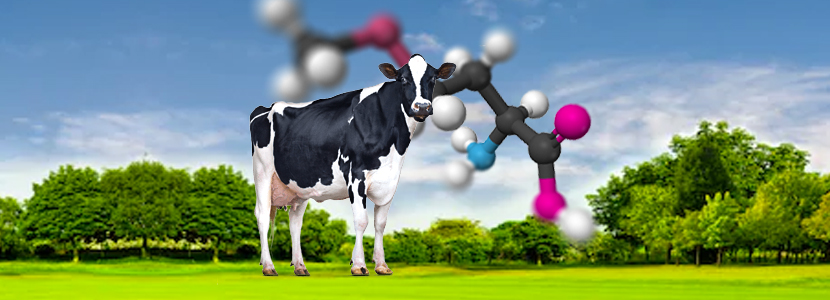
The transition period is one of the most metabolically demanding stages in a dairy cow’s life. New research suggests that combining rumen-protected methionine with omega-3 fatty acids can help cows adapt more efficiently by supporting liver function, reducing inflammation, and improving fat metabolism.
The weeks surrounding calving represent a critical window for dairy cow health and productivity. During this transition from late gestation to early lactation, cows experience profound metabolic, hormonal, and physiological changes as they prepare for milk production. Nutrient demands increase dramatically, while dry matter intake often declines, creating a period of negative energy balance that challenges nearly every metabolic system.
Among the organs most affected is the liver, which becomes responsible for processing large quantities of mobilized body fat while simultaneously supporting glucose production, nutrient metabolism, immune function, and milk synthesis. If this adaptation is unsuccessful, cows become more susceptible to fatty liver, ketosis, impaired immune function, reduced milk production, and poor reproductive performance.
Supporting liver function during the transition period is essential for maintaining cow health, optimizing milk production, and reducing the risk of costly metabolic disorders.

During early lactation, energy requirements for milk production frequently exceed dietary energy intake. To compensate, cows mobilize adipose tissue, releasing large amounts of non-esterified fatty acids (NEFAs) into the bloodstream.
The liver absorbs these fatty acids and must either oxidize them for energy or package them into very-low-density lipoproteins (VLDL) for export. When the liver cannot process this influx efficiently, triglycerides accumulate within liver cells, resulting in hepatic lipidosis (fatty liver).
Fat accumulation impairs liver function, promotes oxidative stress, increases inflammatory signaling, and compromises the cow’s ability to successfully transition into lactation.
Fatty liver is not simply an accumulation of fat—it affects nutrient metabolism, immune competence, reproductive performance, and overall productivity throughout lactation.
Researchers have long recognized the benefits of supplementing transition cows with specific nutrients that support liver metabolism. Two of the most promising are rumen-protected methionine and long-chain omega-3 fatty acids, particularly eicosapentaenoic acid (EPA) and docosahexaenoic acid (DHA).
Methionine serves as an important methyl donor involved in numerous metabolic pathways, including the synthesis of phosphatidylcholine, a key phospholipid required for assembling and exporting VLDL particles from the liver.
Meanwhile, omega-3 fatty acids are incorporated into cell membranes where they influence inflammatory responses, immune signaling, and membrane function. They also provide substrates for specialized molecules that help resolve inflammation rather than prolong it.
Because phosphatidylcholine synthesis requires both methyl groups and fatty acids, methionine and omega-3s may work together to improve the liver’s ability to export fat efficiently.
To investigate this hypothesis, researchers from Cornell University conducted a controlled study involving 79 multiparous Holstein cows. Supplementation began approximately three weeks before calving and continued until four weeks after parturition.
The cows were assigned to one of four dietary treatments:
Researchers monitored blood metabolites, liver lipid composition, inflammatory biomarkers, phospholipid profiles, and indicators of liver functionality throughout the transition period.
Cows supplemented with rumen-protected methionine maintained higher serum albumin concentrations during the transition period. Albumin is produced by the liver and typically declines during systemic inflammation, making it an important indicator of liver health.
Higher albumin concentrations suggest that methionine supplementation helped support normal liver function while reducing the inflammatory burden associated with calving and early lactation.
Maintaining liver protein synthesis during early lactation may improve the cow’s ability to adapt metabolically and recover more rapidly after calving.
As expected, cows receiving omega-3 supplementation exhibited significantly higher concentrations of EPA and DHA in both blood and liver tissues.
These fatty acids replaced more pro-inflammatory lipids within cell membranes, modifying the production of bioactive compounds known as oxylipids. Many of these signaling molecules regulate immune responses and inflammatory processes.
The researchers observed increases in compounds associated with inflammation resolution while reducing pathways linked to inflammatory stress.
Omega-3 fatty acids do not simply suppress inflammation—they help promote its natural resolution, allowing tissues to recover while maintaining appropriate immune function.
Although each supplement produced independent benefits, the most remarkable improvements occurred when methionine and omega-3 fatty acids were provided together.
The combined treatment resulted in:
Researchers also found a strong relationship between phosphatidylcholine concentrations and liver fat content. Cows with higher phospholipid production consistently accumulated less triglyceride in their liver tissue.
The study demonstrates a true nutritional synergy: methionine provides the methyl groups needed for phosphatidylcholine synthesis, while omega-3 fatty acids supply beneficial lipids that together improve liver metabolism and fat export.
Modern transition nutrition extends beyond simply supplying adequate energy. Increasing evidence suggests that targeted nutritional strategies can actively support metabolic adaptation, immune function, and disease prevention during one of the most vulnerable stages of lactation.
Although individual feeding programs should always be designed according to herd management, forage quality, and nutritional requirements, this research suggests that combining rumen-protected methionine with omega-3 fatty acids may become an effective strategy for reducing liver stress and improving metabolic resilience.
Healthier transition cows are more likely to achieve higher milk yields, experience fewer metabolic disorders, maintain better reproductive performance, and remain productive throughout lactation, ultimately improving both animal welfare and farm profitability.
By combining rumen-protected methionine with omega-3 fatty acids, dairy producers may help transition cows maintain healthier liver function, reduce inflammation, improve fat metabolism, and build a stronger foundation for a productive and healthy lactation.

Subscribe now to the technical magazine of animal nutrition
AUTHORS

From 2025 Data to 2026 Decisions: Managing Mycotoxin Risk in a Changing Climate
Alterion® NE Celebrates 10 Years of Poultry Gut Health Innovation
The Science Behind Kolin Plus: Beyond Choline Replacement

Summer Infertility in Sows: Managing Heat Stress and Reproductive Performance
AO-Biotics® Amaferm®: Supporting Livestock Digestion and Performance

Interview with Güner Gövenç
Güner Gövenç,
Net Energy and Precision Feeding Shape the Future of Poultry Nutrition
Edgar Oviedo
Mycotoxins in Swine: Health Risks and Nutritional Solutions
Giuseppe Carcò
Mycotoxins and Piglet Ear Necrosis: Cause, Cofactor or Coincidence?
Alberto Morillo
How Mycotoxins Affect Intestinal Health in Pigs and Poultry
Marcos Rostagno
From Antibiotics to Functional Feeds in Aquaculture
Babatunde Saliu
Peas as an Alternative to Soybean Meal in Beef Cattle Finishing Diets
Daniel Villalba Mata,
Improving Egg Yolk Pigmentation Through Better Nutrient Transport

Aquaculture and Aquaponics Nutrition: How Fish Shape the Growth of Greens
Trenton Corby
Consistency in Soybean Meal Drives Performance and Sustainability