The North American swine feed industry is entering a period of transformation, driven by the need to improve production efficiency, manage ingredient costs and develop more sophisticated nutritional strategies in an increasingly competitive pork market.
While conventional feed formulations continue to underpin commercial pig production, advances in precision nutrition, functional feed additives, automation and data-driven management are creating new opportunities for feed manufacturers and ingredient suppliers.
According to a recent market analysis published by Zentonv Dynamics, the North American swine feed market could experience considerable growth over the next eight years, reflecting expectations of increasing demand for specialized nutritional solutions and more efficient feeding programs.
A market projected to approach USD 10 billion by 2034
The commercial analysis estimates that the North American swine feed market was valued at USD 5.6 billion in 2025 and could reach USD 5.9 billion in 2026, with further expansion anticipated through 2034.
North American swine feed market outlook
2025 estimated market value
USD 5.6 billion
2026 estimated market value
USD 5.9 billion
2034 projected market value
USD 9.4 billion
Source: Zentonv Dynamics, November 2026. Commercial market estimates and projections; not official industry statistics.
Based on these estimates, the market could expand by approximately 59% between 2026 and 2034.
However, growth in market value should not necessarily be interpreted as an equivalent increase in feed production volumes. Changes in ingredient prices, product composition and the adoption of higher-value nutritional technologies can also influence the economic value of the sector.
A mature industry with a substantial production base
The United States and Canada remain important centers of commercial pork production, supported by established feed manufacturing infrastructure, grain supply chains and specialized animal nutrition services.
According to the joint United States and Canadian Hogs report released by the United States Department of Agriculture (USDA) in August 2026, the combined hog inventory stood at 87.7 million animals at the respective mid-year reporting dates.
The U.S. and Canadian swine industry in numbers
87.7 million pigs
- United States: 73.7 million pigs as of June 1, 2026.
- Canada: 14.0 million pigs as of July 1, 2026.
- Combined breeding herd: 7.12 million animals.
- Combined semi-annual pig crop: 82.4 million pigs.
Source: USDA National Agricultural Statistics Service, United States and Canadian Hogs, August 26, 2026.
More recent U.S. figures released in September 2026 placed the national herd at 74.3 million pigs, representing a 2% year-on-year decline but a recovery compared with the previous quarter.
These figures illustrate the scale of the production systems that underpin regional demand for swine nutrition products, while also demonstrating that herd expansion is not guaranteed.
Feed production volumes reveal a more complex picture
Although long-term commercial forecasts point toward market expansion, recent feed production statistics suggest a more nuanced outlook.
The 2026 Alltech Agri-Food Outlook estimated that global pig feed production reached approximately 380.9 million metric tonnes in 2025, increasing by 3% compared with the previous year.
In contrast, total feed production across Alltech’s North American reporting region declined by approximately 0.7%, reflecting differences in livestock cycles, regional demand and production conditions.
Market growth and feed volume growth are not the same. In mature livestock industries, opportunities for expansion may increasingly depend on the nutritional value, functionality and economic benefits of feed products rather than simply producing more tonnes of feed.
For manufacturers, this distinction reinforces the importance of product differentiation and nutritional innovation in maintaining competitiveness.
Feed costs remain a central challenge for pork producers
Feed expenditure represents one of the largest variable costs in commercial pig production. Consequently, fluctuations in the availability and price of energy and protein ingredients can significantly influence farm profitability.
Corn and soybean meal remain important components of many North American swine diets. However, changes in commodity markets, weather conditions, transportation costs and international trade can affect the economics of conventional formulations.
Nutritionists must therefore balance ingredient affordability with nutrient availability, digestibility, animal requirements and consistent productive performance.
Depending on regional availability and economic conditions, alternative ingredients such as canola meal, distillers dried grains with solubles (DDGS), wheat and other agricultural co-products may offer opportunities to diversify feed formulations.
Where feed formulation can create economic value
- Improving nutrient digestibility and utilization.
- Optimizing dietary energy and amino acid concentrations.
- Reducing unnecessary nutrient supplementation.
- Evaluating alternative ingredients against their nutritional and economic value.
- Minimizing variation in raw material quality.
- Reducing feed wastage throughout the production cycle.
Ultimately, the cheapest diet per tonne does not necessarily provide the lowest cost per kilogram of live weight gain.
Feed formulation must be evaluated in the context of overall production economics, rather than ingredient prices alone.
Precision nutrition: Moving beyond conventional feeding programs
As genetic selection continues to improve the productive potential of commercial pigs, nutritional programs must evolve to accommodate changing animal requirements.
Precision feeding seeks to improve the correspondence between nutrient supply and the requirements of individual animals or groups throughout the production cycle.
Rather than maintaining a fixed nutrient concentration over extended feeding periods, precision approaches can incorporate changes in body weight, growth rate, feed intake and estimated nutrient requirements.
Scientific research provides evidence of the potential advantages of these strategies.
In an 84-day trial involving 70 growing-finishing pigs, Andretta and colleagues evaluated individual daily feeding programs against a conventional three-phase group-feeding system.
Matching diets to estimated individual nutrient requirements reduced nutrient consumption and feeding expenditure while maintaining growth performance under the experimental conditions.
Precision feeding: Potential benefits demonstrated in research
26% reduction
In digestible lysine intake.
30% reduction
In estimated nitrogen excretion.
10% reduction
In calculated feeding costs.
Source: Andretta et al. (2016), Animal. Results reflect a controlled experimental study using historical ingredient prices and should not be interpreted as guaranteed commercial outcomes.
For the feed industry, such findings illustrate how nutritional innovation can potentially contribute to both production efficiency and environmental performance.
Functional feed additives: An opportunity for product differentiation
Specialized nutritional products are likely to remain an important area of innovation as producers seek solutions tailored to specific biological and productive challenges.
Different stages of pig production present distinct nutritional requirements. Newly weaned piglets must adapt to solid feed while undergoing considerable physiological and microbial changes. Growing-finishing pigs require adequate nutrient supplies to support lean tissue deposition, while reproductive animals need diets adapted to gestation and lactation.
These differences create opportunities for targeted nutritional interventions.
Enzyme technologies
Feed enzymes, including phytases and enzymes targeting specific dietary carbohydrates, can help improve the availability of nutrients that would otherwise be incompletely utilized.
Their economic contribution depends on diet composition, enzyme activity and the accuracy of the nutritional assumptions used during formulation.
Gut health solutions
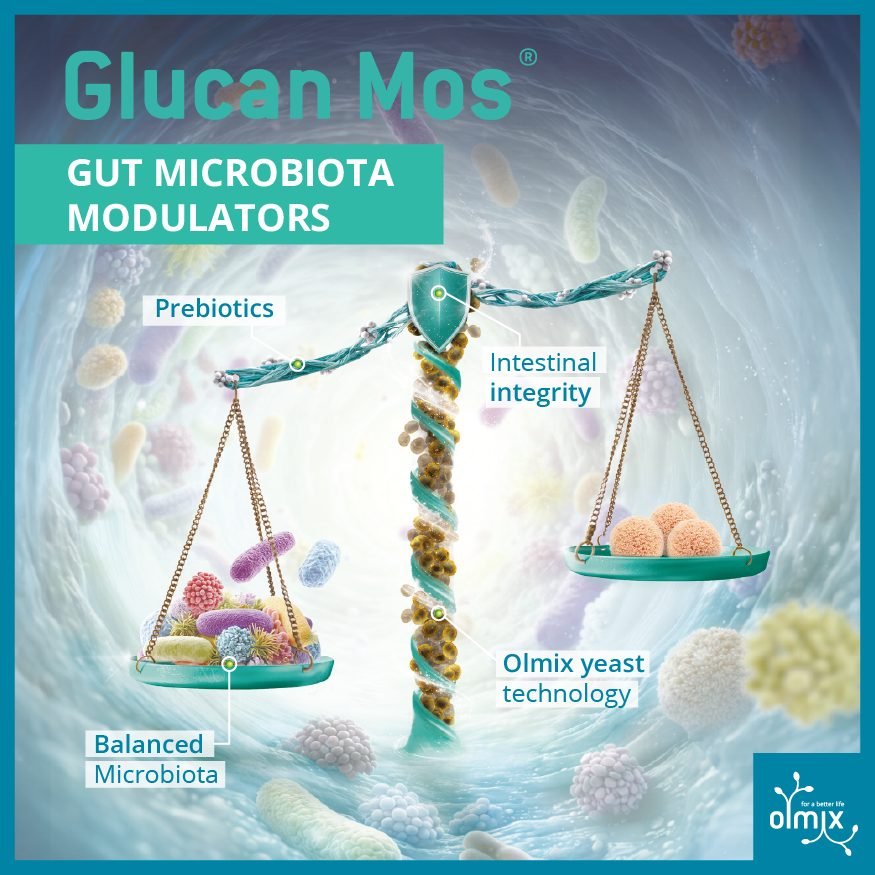
Probiotics, prebiotics, organic acids, phytogenic compounds and other functional ingredients are being investigated or used to support digestive function and intestinal microbial management.
Their potential applications are particularly relevant during stressful production transitions, such as weaning, when feed intake and gastrointestinal function may be disrupted.
Amino acids and specialized protein nutrition
Supplemental amino acids allow nutritionists to formulate diets that more closely reflect animal requirements while reducing dependence on excessive dietary crude protein.
This can potentially improve nitrogen utilization and provide greater flexibility when selecting dietary protein sources.
The commercial value of a feed additive ultimately depends on its demonstrated biological efficacy, consistency under practical production conditions and economic return.
Digitalization and artificial intelligence enter the feed value chain
The increasing availability of production data is creating new opportunities to improve decision-making across swine nutrition and feed manufacturing.
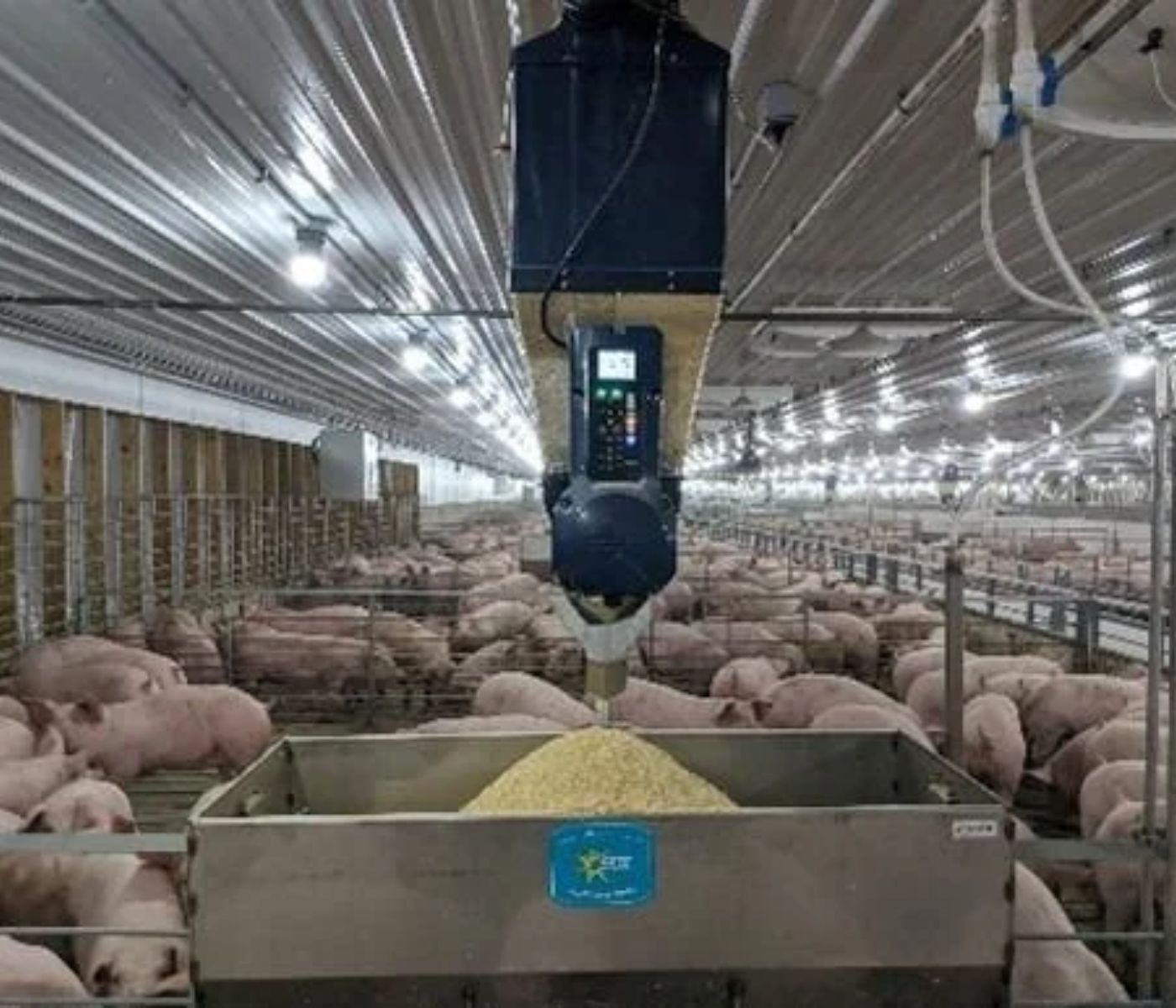
Automated weighing systems, electronic feeders, environmental sensors and farm management software can provide information on animal performance and feeding behavior.
When integrated with nutritional models, these technologies could help identify deviations from expected performance and support more timely adjustments to feeding programs.
Potential applications of artificial intelligence and advanced analytics extend beyond the farm, encompassing feed mill operations, ingredient sourcing and supply chain management.
Emerging digital applications in the swine feed industry
- Predictive models for feed ingredient procurement.
- Automated monitoring of manufacturing processes.
- Detection of variation in feed intake and growth performance.
- Optimization of dietary nutrient concentrations.
- Predictive maintenance of feed mill equipment.
- Improved ingredient and finished-feed traceability.
Nevertheless, the effectiveness of digital technologies will depend on data quality, model validation, implementation costs and their integration into existing production systems.
Artificial intelligence should complement the expertise of nutritionists, veterinarians and production managers rather than replace biological and professional judgment.
Sustainability and antimicrobial stewardship influence innovation
Environmental performance is becoming increasingly relevant to the development of livestock feeding strategies.
Improved nutrient utilization can help reduce the amount of nitrogen and phosphorus entering manure management systems. Similarly, greater feed efficiency may reduce the quantity of feed resources required to produce a given amount of pork.
These potential benefits are encouraging research into approaches that integrate economic and environmental objectives.
Gut health and disease prevention also remain important considerations within broader antimicrobial stewardship programs.
Nutritional strategies that support intestinal function and animal resilience may complement vaccination, biosecurity, hygiene and appropriate veterinary management.
However, functional feed additives should not be considered substitutes for necessary veterinary treatment.
Sustainable swine nutrition requires a balance between productive performance, environmental responsibility, animal health and economic feasibility.
Regional opportunities: United States, Canada and Mexico
Although the original commercial market analysis focuses primarily on the United States and Canada, Mexico is also an important component of the broader North American pork and animal feed industry.
United States: Scale and production efficiency
The United States has an extensive livestock feed manufacturing sector, supported by major grain-producing regions and integrated pork production systems.
Opportunities include specialized feeding programs, improved feed mill efficiency and nutritional solutions designed to support profitability throughout the production cycle.
Canada: Nutritional innovation and ingredient diversification
Canadian swine production benefits from established agricultural supply chains and access to regionally produced ingredients, including cereals and oilseed co-products.
Research in precision feeding, nutrient efficiency and environmental management provides opportunities to translate scientific advances into practical feeding programs.
Mexico: An expanding pork production sector
According to the USDA Foreign Agricultural Service’s August 2026 livestock outlook, Mexico’s swine industry is expected to continue recovering from recent disease challenges.
The report forecasts that commercial pig slaughter could increase by approximately 3% in 2027, supported by improvements in productivity and production efficiency.
Mexican pork production is projected to reach approximately 1.48 million metric tonnes in 2027, compared with an estimated 1.41 million tonnes in 2026, on a carcass-weight-equivalent basis.
These developments could create additional opportunities for commercial feed manufacturers, ingredient suppliers and specialized swine nutrition companies.
What could limit market growth?
Despite the opportunities associated with nutritional innovation, the future trajectory of the North American swine feed market remains subject to several uncertainties.
Animal disease outbreaks, fluctuations in pork prices, changing international trade conditions and volatility in feed ingredient markets can influence investment decisions and feed demand.
The commercial adoption of advanced nutritional technologies will also depend on their affordability and ability to generate measurable returns for producers.
Key risks facing the swine feed industry
- Volatility in grain and protein ingredient markets.
- Animal disease outbreaks and associated production losses.
- Uncertainty surrounding international pork trade.
- Labor, energy and transportation costs.
- Regulatory requirements for novel feed ingredients and additives.
- Capital investment requirements for advanced feeding technologies.
These uncertainties highlight why long-term market forecasts should be interpreted as potential scenarios rather than guaranteed outcomes.
Looking ahead: From feed volume to nutritional value
The future competitiveness of the North American swine feed industry is likely to depend on its ability to combine established nutritional principles with emerging technologies and practical production knowledge.
Growth opportunities may increasingly arise from specialized feed ingredients, more precise nutrient delivery, improved manufacturing processes and nutritional programs that address the specific challenges of modern pork production.
For feed manufacturers and animal nutrition companies, the ability to demonstrate measurable biological and economic benefits will remain essential.
As the industry looks toward 2034, its greatest opportunity may not simply be producing more feed, but producing feed that delivers greater value per animal, per kilogram of pork and per unit of resources consumed.
Sources and further reading
- Zentonv Dynamics (2026). North America Swine (pig) Feed Market: Strategic Analysis, 2026–2034. Published November 10, 2026. Read the original market analysis.
- USDA National Agricultural Statistics Service (2026). United States and Canadian Hogs. August 26, 2026. Access the official report.
- USDA National Agricultural Statistics Service (2026). United States hog inventory down 2%. September 24, 2026. Read the latest quarterly release.
- Alltech (2026). 2026 Agri-Food Outlook: Global Feed Production Survey. Access the industry outlook.
- Andretta, I., et al. (2016). Precision feeding can significantly reduce lysine intake and nitrogen excretion without compromising the performance of growing pigs. Animal. Access the scientific publication.
- USDA Foreign Agricultural Service (2026). Mexico: Livestock and Products Annual. GAIN Report MX2026-0040, August 24, 2026. Access the full report.
Market projections represent third-party commercial estimates and have not been independently verified. This article combines market intelligence, official livestock statistics and published scientific research.