 12 Jun 2026
Australia’s growing companion animal sector is driving research into nutrition, gut health, longevity, and science-based feeding strategies for pets.
Australia has one of the highest pet ownership rates in the world, with approximately 31.6 million pets living in around 7.7 million households. As more owners view pets as family members, expectations around nutrition have changed significantly.
Feeding is no longer seen simply as meeting basic nutrient requirements. Instead, nutrition is increasingly viewed as a tool to support longevity, health, disease prevention, and quality of life.
This shift is helping drive investment in companion animal nutrition research. Universities, veterinary schools, pet food manufacturers, research institutes, and animal health companies are investigating how diet influences growth, body condition, gut health, immunity, cognition, and healthy aging.

Nutrition is one of the fastest-growing areas of companion animal research in Australia. As pet owners become more interested in preventive health care, researchers are exploring how dietary strategies can help reduce disease risk while supporting lifelong health.
Modern pet nutrition research extends far beyond traditional nutrient requirements. Scientists are increasingly investigating how diet interacts with metabolism, immunity, the microbiome, inflammation, and aging processes.
Current research priorities include:
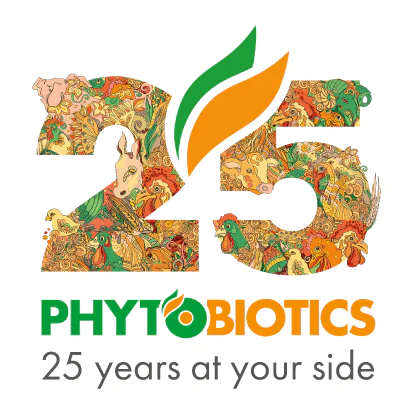
One of the most active areas of companion animal nutrition research is the study of gut health and the intestinal microbiome.
Researchers are increasingly recognizing that the gastrointestinal tract plays a central role not only in digestion, but also in immunity, metabolism, inflammation, and overall health.
Australian scientists are studying how dietary fiber, prebiotics, probiotics, postbiotics, and other functional ingredients influence microbial populations and digestive function.
Understanding these interactions could help improve nutrient utilization, strengthen immune function, and support resilience against gastrointestinal disorders.
Functional nutrition is becoming an important area of innovation within the Australian pet food sector.
Researchers are evaluating ingredients that may provide benefits beyond basic nutrition, including:
These ingredients are being investigated for their potential roles in supporting immunity, digestive health, mobility, skin and coat condition, cognitive function, and healthy aging.
Obesity remains one of the most important health challenges in companion animals. In Australia, as in many countries, researchers and veterinarians are increasingly focused on strategies that help maintain healthy body condition throughout life.
Nutrition plays a central role in weight management. Research in this area includes energy density, satiety, feeding frequency, macronutrient balance, owner feeding behavior, and the role of treats and snacks in total calorie intake.
Improved understanding of obesity prevention can help reduce the risk of associated conditions such as diabetes, osteoarthritis, respiratory problems, and reduced quality of life.
Companion animal nutrition research is also expanding in the area of therapeutic feeding.
Specialized diets are increasingly used to support animals with chronic conditions such as kidney disease, gastrointestinal disorders, food sensitivities, urinary disease, obesity, and joint problems.
These diets require strong scientific evidence because they are designed to support specific physiological needs while maintaining adequate nutrient intake and palatability.
The future of companion animal nutrition is expected to become increasingly personalized.
Advances in genetics, wearable technologies, digital monitoring, artificial intelligence, and veterinary diagnostics are creating opportunities to tailor feeding programs according to an individual animal’s age, breed, activity level, body condition, health status, and disease risk profile.
Precision nutrition approaches may help improve feeding accuracy while reducing overfeeding, obesity risk, and unnecessary nutrient supplementation.
Although still emerging, personalized nutrition is attracting growing interest from both researchers and the pet food industry.
Regulatory frameworks also play an important role in shaping pet nutrition research in Australia.
The Australian Code for the Care and Use of Animals for Scientific Purposes establishes strict standards for the ethical use of animals in research, including companion animals. The code emphasizes the principles of replacement, reduction, and refinement to minimize harm and ensure that animal research is only conducted when necessary.
The use of animals for cosmetic testing is banned in Australia, and institutions must obtain ethical approval before undertaking research involving animals.
This regulatory environment helps maintain public trust and ensures that pet-related research is conducted responsibly, with a strong focus on welfare, scientific merit, and practical relevance.
Research in companion animal nutrition is also increasingly linked to broader One Health and sustainability goals.
Because pets share homes, environments, and microbial communities with people, companion animal research can provide insights into zoonotic disease, antimicrobial resistance, obesity, environmental exposures, and the human-animal bond.
At the same time, sustainability considerations are beginning to influence ingredient selection, sourcing strategies, and product development within the pet food industry.
Future pet nutrition research will likely need to balance animal health, owner expectations, ingredient sustainability, and environmental responsibility.
Looking ahead, nutrition is expected to remain one of the most important drivers of innovation in Australia’s companion animal sector.
Research efforts will likely focus on improving longevity, managing chronic disease, optimizing gut health, supporting cognitive function, and enhancing quality of life through targeted nutritional interventions.
As scientific understanding of companion animal nutrition continues to advance, Australian researchers and industry partners are likely to play an increasingly important role in developing the next generation of evidence-based feeding solutions.
Pet nutrition research in Australia is entering a period of significant growth and innovation. Strong pet ownership rates, increasing owner expectations, advances in veterinary science, and robust regulatory oversight are creating an environment that supports meaningful progress in companion animal feeding.
From gut health and functional ingredients to therapeutic diets, obesity prevention, and personalized nutrition, research is helping define how diet can support healthier and longer lives for companion animals.
As owners continue to view pets as valued family members, demand for science-driven nutrition solutions that improve health, longevity, and quality of life is expected to remain a major driver of innovation throughout Australia’s companion animal sector.



Subscribe now to the technical magazine of animal nutrition
AUTHORS
Rumen microorganisms and metabolizable amino acid balance
Fernando Bacha Baz
Broiler nutrition during the first feeding phase

Genetic improvement in corn strengthens its strategic role in animal nutrition

Insect biorefineries and the future of sustainable animal nutrition
Ari Riihimaa
LivoLiv supplementation improves liver health and broiler performance

Mycotoxin binders explained: why one size never fits all
Rui A. Gonçalves
Active Feeding strategy for PRRS-positive weaned piglets
Alberto Morillo Alujas
Sow colostrum and its strategic impact on piglet survival and growth
Marianna Altieri
Bacillus probiotics help support intestinal health in cats
Lorenna Nicole Araújo Santos