 nutriNews Asia
Articles 10 Nov






Cashew nut shell liquid is an effective rumen modulator that reduces methane emissions and shifts fermentation patterns

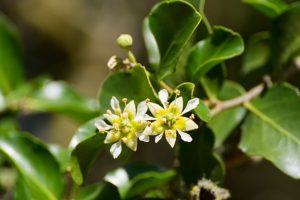
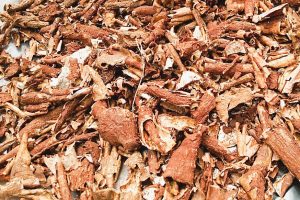
Cashew nut shell liquid (CNSL) is an effective rumen modulator that reduces methane emissions and shifts fermentation patterns without adverse effects on animal performance, found a meta-analysis performed by Slamet Widodo, a Doctoral Degree Student in Natural Resources and Environmental Management Science at Indonesia’s IPB University, together with his team.
This parallel meta-analysis was conducted using data from 11 in vitro and 16 in vivo studies. Using the meta and metafor packages in R software, the weighted mean difference (WMD) was estimated under a random-effects model to assess the effects of CNSL on enteric methane emissions, rumen fermentation characteristics, and production performance.
Supplementation with CNSL demonstrated a significant mitigation potential in the in vitro systems, with a 51.91% reduction in methane production (p < 0.04) and a 19.03% increase in propionate concentration (p < 0.001).
This mechanistic potential was validated in vivo, where CNSL significantly shifted fermentation stoichiometry (+22.15% propionate; −6.30% acetate) and reduced methane yield (g/kg dry matter intake) by 20.14% (p = 0.006).
Supplementation with CNSL reduced emissions across both systems without compromising in vitro dry matter digestibility (p = 0.69) or in vivo dry matter intake (p = 0.51) and milk yield (p = 0.55).
Subgroup analysis revealed that efficacy was species-dependent, with swamp buffalo and beef cattle exhibiting stronger propionate responses than dairy cattle.


Subscribe now to the technical magazine of animal nutrition
AUTHORS
From 2025 Data to 2026 Decisions: Managing Mycotoxin Risk in a Changing Climate
Alterion® NE Celebrates 10 Years of Poultry Gut Health Innovation
The Science Behind Kolin Plus: Beyond Choline Replacement
Summer Infertility in Sows: Managing Heat Stress and Reproductive Performance
AO-Biotics® Amaferm®: Supporting Livestock Digestion and Performance

Interview with Güner Gövenç
Güner Gövenç,
Net Energy and Precision Feeding Shape the Future of Poultry Nutrition
Edgar Oviedo
Mycotoxins in Swine: Health Risks and Nutritional Solutions
Giuseppe Carcò
Mycotoxins and Piglet Ear Necrosis: Cause, Cofactor or Coincidence?
Alberto Morillo
How Mycotoxins Affect Intestinal Health in Pigs and Poultry
Marcos Rostagno
From Antibiotics to Functional Feeds in Aquaculture
Babatunde Saliu
Peas as an Alternative to Soybean Meal in Beef Cattle Finishing Diets
Daniel Villalba Mata,
Improving Egg Yolk Pigmentation Through Better Nutrient Transport

Aquaculture and Aquaponics Nutrition: How Fish Shape the Growth of Greens
Trenton Corby
Consistency in Soybean Meal Drives Performance and Sustainability