 16 Jun 2026
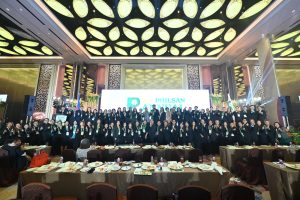
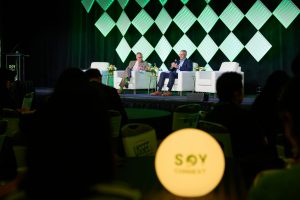
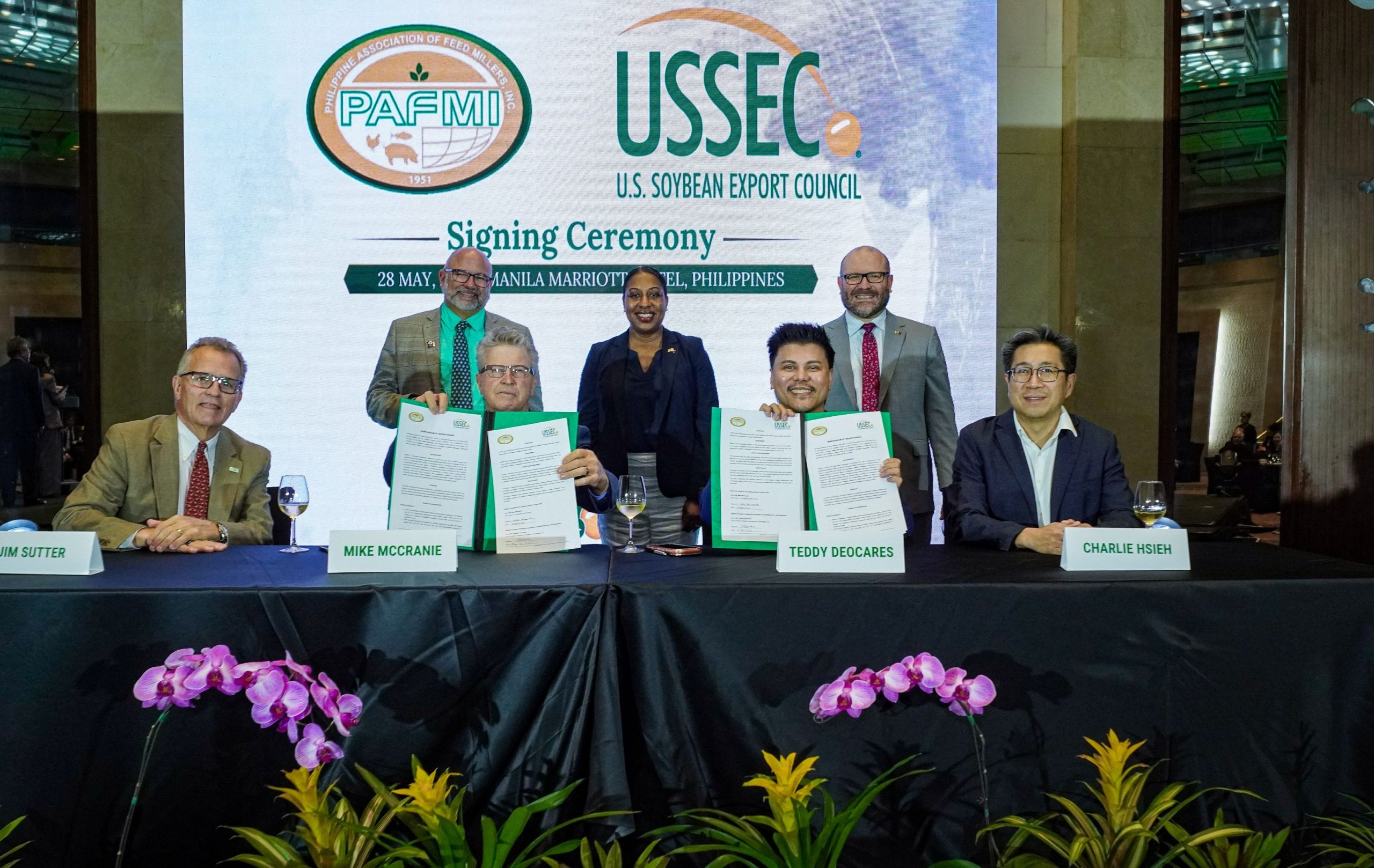
The US Soybean Export Council (USSEC) and the Philippine Association of Feed Millers Inc (PAFMI) signed a Memorandum of Understanding during USSEC’s 30th anniversary in Manila on May 29, 2026. The agreement strengthens commitments to feed quality, sustainability, and supply chain transparency in one of Southeast Asia’s fastest‑growing markets.
The MoU capped a program that also featured USSEC’s Feed Technology and Animal Nutrition Conference and the Soy Utilization and Basic Nutrition Forum. It outlines deeper collaboration in feed formulation, nutritional research, and sustainability verification through US Soy programs.
USSEC CEO Jim Sutter said the pact builds on three decades of trust, enhances mill efficiency, and places sustainability at the center of competitiveness. He noted that what was once considered a secondary concern has become a defining factor in global feed markets, where buyers increasingly demand verified practices and transparent supply chains.

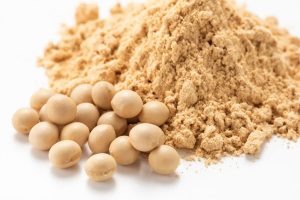
The Philippines has been the top export market for US soybean meal for nine consecutive years, underscoring the country’s reliance on U.S. Soy for feed production. This crop year, imports rose by more than 50%, adding over one million tons to shipments.
Carlos Salinas, USSEC’s East Asia Executive Director, said the surge reflects confidence in U.S. Soy and its role in supporting feed and livestock industries. He cautioned that global protein demand continues to outpace supply, framing food security as a matter of national security for Southeast Asia. Producing soybeans requires land, capital, and technology, he added, urging efficiency, sustainability, and cooperation to address volatility in global markets.
Mr Salinas emphasized that reliability in sourcing is not only about volume but also about consistency in quality, which has been a hallmark of U.S. Soy’s presence in Asia.
Echoing these concerns, PAFMI President Teddy Deocares described the MoU as a vital step toward agricultural sustainability. Rising demand for animal protein, disease challenges, and globalization pressures, he said, make efficiency and resilience essential.
Highlighting U.S. Soy’s sustainability assurance programs, Mr Deocares urged local feedmillers to adopt transparent practices, optimize production for lower emissions, and align with international standards. He stressed that the Philippine feed industry must adapt quickly to remain competitive, especially as regional neighbors accelerate their own sustainability initiatives.
“Together, we prove that profitable businesses and sustainability can go hand in hand,” he said, underscoring the need for industry‑wide cooperation.
U.S. soybean farmers have adopted climate‑smart practices that reduce environmental impact while improving productivity. Programs such as the U.S. Soy Sustainability Assurance Protocol and the Sustainable U.S. Soy label provide verified credentials aligned with the Philippines’ growing focus on traceability and carbon footprint reduction.
Today, more than 95% of U.S. Soy exports to the Philippines carry sustainability verification, supporting feed manufacturers as they prioritize efficiency and resilience across livestock and aquaculture value chains. These programs not only assure buyers of responsible production but also help millers meet consumer expectations for transparency in food systems. The emphasis on sustainability reflects a broader shift in global agriculture, where environmental stewardship is increasingly tied to market access.
The Philippines’ feed industry is among the fastest growing in Southeast Asia, with total feed use projected to rise nearly one‑third by 2035. Poultry feed demand is expected to increase by more than 35%, while aquaculture feed is forecast to grow close to 30%.
Demographic drivers—young population, rising incomes, and strong demand for pork and poultry—reinforce this growth trajectory. Industry analysts note that the country’s expanding middle class is reshaping consumption patterns, creating opportunities for innovation in feed formulation and sustainability practices. With U.S. Soy commitments climbing sharply this year, opportunities for expanded technical collaboration and sustainability engagement are set to grow.
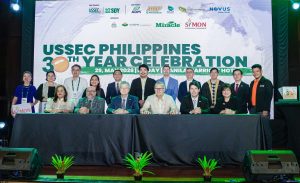
The anniversary program underscored that the relationship between U.S. Soy and the Philippines is not only longstanding but also forward‑looking. With a new agreement in place and rising demand across the sector, both sides are positioning for continued growth built on trust, quality, and shared priorities.

Subscribe now to the technical magazine of animal nutrition
AUTHORS
From 2025 Data to 2026 Decisions: Managing Mycotoxin Risk in a Changing Climate
Alterion® NE Celebrates 10 Years of Poultry Gut Health Innovation
The Science Behind Kolin Plus: Beyond Choline Replacement

Summer Infertility in Sows: Managing Heat Stress and Reproductive Performance
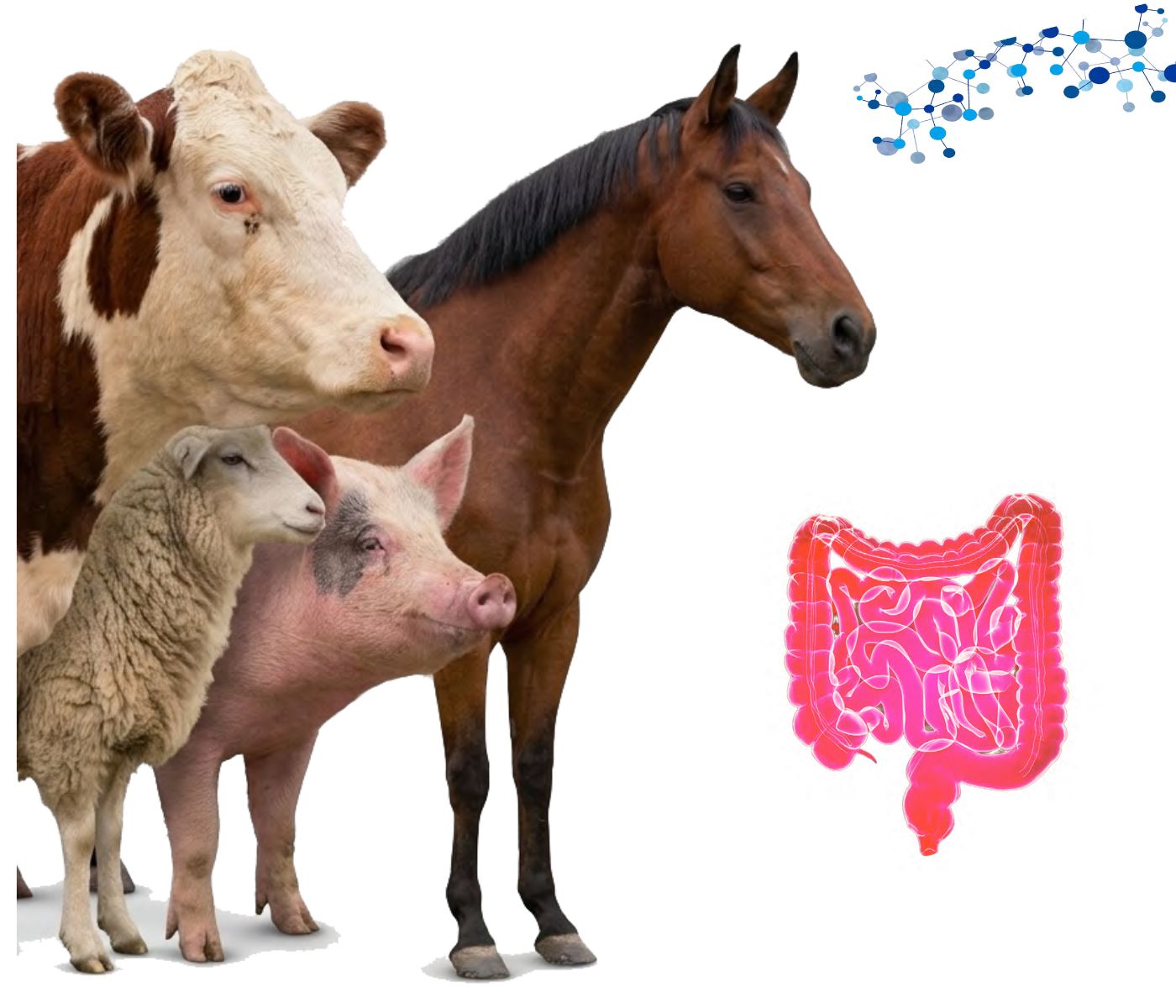
AO-Biotics® Amaferm®: Supporting Livestock Digestion and Performance

Interview with Güner Gövenç
Güner Gövenç,
Net Energy and Precision Feeding Shape the Future of Poultry Nutrition
Edgar Oviedo
Mycotoxins in Swine: Health Risks and Nutritional Solutions
Giuseppe Carcò
Mycotoxins and Piglet Ear Necrosis: Cause, Cofactor or Coincidence?
Alberto Morillo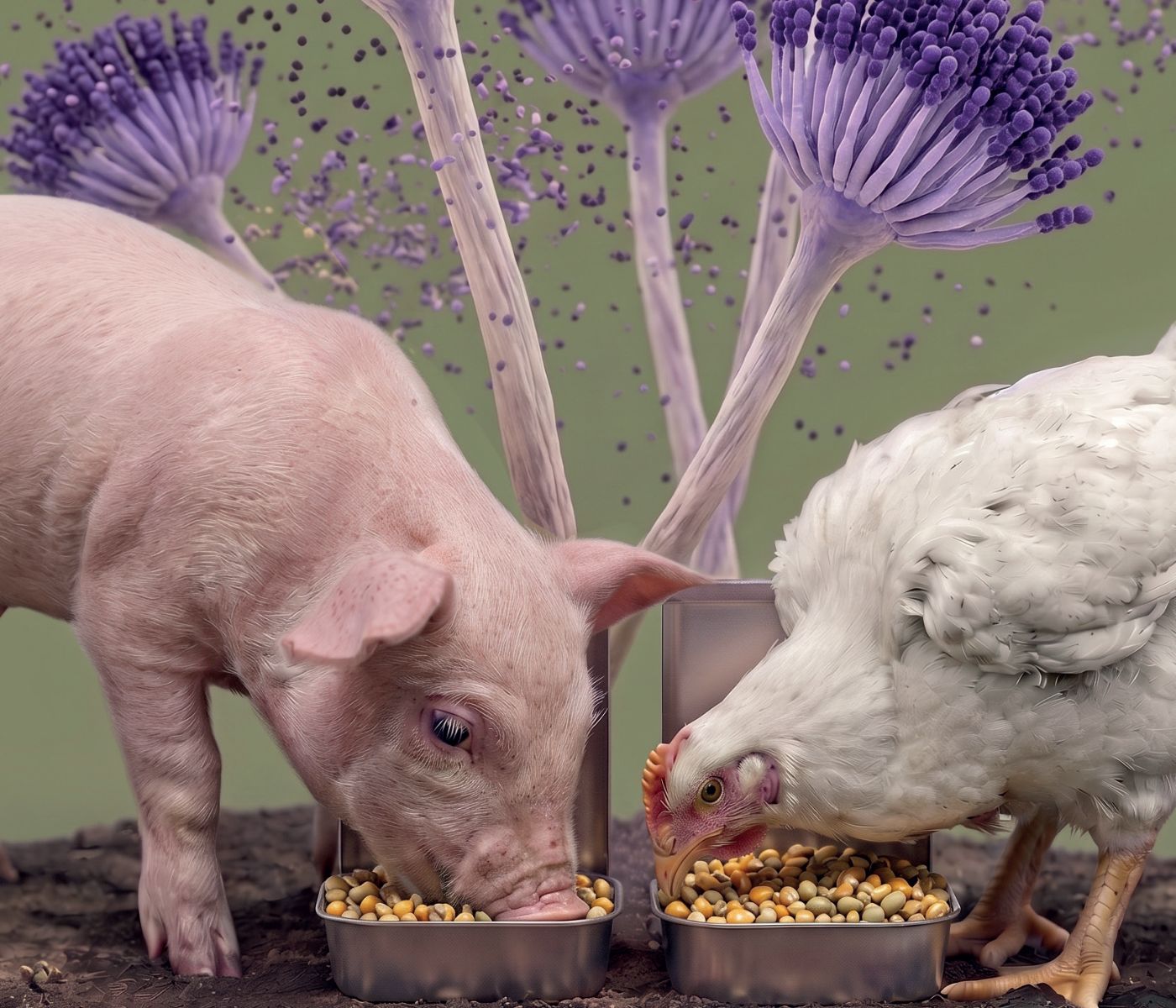
How Mycotoxins Affect Intestinal Health in Pigs and Poultry
Marcos Rostagno
From Antibiotics to Functional Feeds in Aquaculture
Babatunde Saliu
Peas as an Alternative to Soybean Meal in Beef Cattle Finishing Diets
Daniel Villalba Mata,
Improving Egg Yolk Pigmentation Through Better Nutrient Transport

Aquaculture and Aquaponics Nutrition: How Fish Shape the Growth of Greens
Trenton Corby
Consistency in Soybean Meal Drives Performance and Sustainability