 19 Jun 2026
Gia Lai Province in Vietnam is accelerating investment attraction, developing concentrated livestock farming zones, and finalizing support mechanisms to transform livestock farming into a large-scale, modern, and techno-economic sector that plays a key role in local agricultural growth.
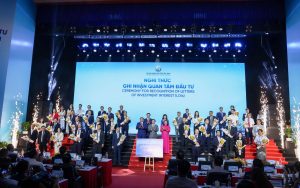
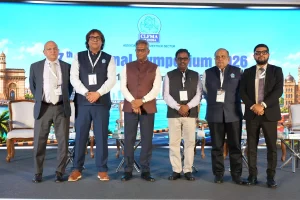
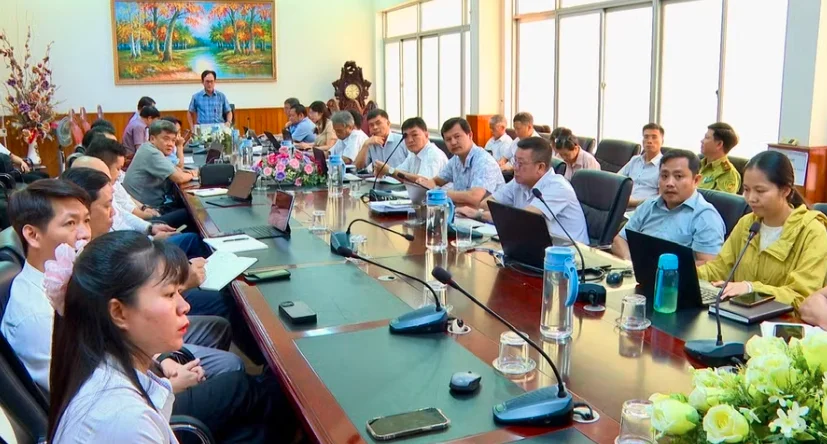
On the afternoon of June 11, the Gia Lai Department of Agriculture and Environment held a hybrid conference to deploy the Livestock Development Plan through 2030, with a vision toward 2045, while disseminating new policies and regulations in the livestock and veterinary sectors.
The conference saw the participation of representatives from provincial departments, sectors, businesses, and 135 communes and wards across the province.
Attracting over 300 livestock projects worth more than USD 2.28 billion
According to the Gia Lai Department of Agriculture and Environment, the livestock sector has become a bright spot in the province’s investment attraction.
To date, the province has attracted 308 livestock projects spanning nearly 11,700 hectares, with a total construction investment capital exceeding USD 2.28 billion.
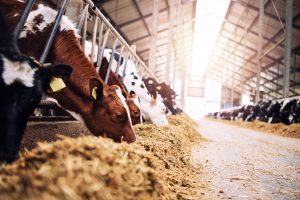
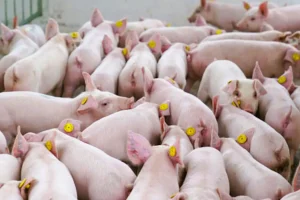
These projects have a combined scale of over 136,000 cattle, more than 6.2 million pigs, and over 7.1 million poultry.

Among these, 200 projects have received investment policy approval with a total capital of over USD 1.24 billion, and 75 projects are already operational with a total capital of nearly USD 514.8 million.
Furthermore, 108 projects are finalizing their documentation to apply for investment policy approval with a total registered capital of nearly USD 1.04 billion, reflecting the growing appeal of the livestock industry to businesses and investors.
Developing 7 key livestock zones focused on high-tech
To effectively exploit local potential and advantages, Gia Lai is focusing on developing seven key livestock zones driven by industrial practices, high-tech applications, and sustainable development.
Four of these key zones alone have attracted over 230 projects with a total registered capital of over USD 1.7 billion.
Currently, these areas maintain a population of approximately 282,000 cattle, more than 725,000 pigs, and nearly 2.9 million poultry.
Among them, Zone 1 and Zone 2 are the strongest investment magnets, hosting 189 projects with a total registered capital of over USD 1.41 billion.
Targeting annual growth of 6-6.5% through 2030
Under the Livestock Development Plan through 2030, with a vision toward 2045, Gia Lai aims to maintain an annual growth rate of 6-6.5% for the livestock sector.
By 2030, the province’s total livestock population is projected to reach 860,000 cattle, 5 million pigs, and 22 million poultry.
Concurrently, 100% of large-scale livestock farming facilities will meet disease safety and food safety requirements.
The province also intends to promote high-tech livestock farming, develop centralized slaughter systems, advance deep processing of products, and increase the value-added of the livestock commodity chain.
Strengthening grassroots veterinary capacity
In parallel with production expansion, Gia Lai places special emphasis on strengthening the grassroots veterinary system to improve the efficiency of livestock disease prevention and control.
According to Resolution No. 55/2026/NQ-HDND, commune-level veterinary staff will receive a monthly allowance equal to 1.5 times the regional minimum wage, alongside 100% health insurance coverage and access to professional training courses.
This policy is expected to enhance the capacity to monitor, detect, and handle disease outbreaks at the grassroots level, thereby helping safeguard the livestock population and laying a foundation for the sector’s long-term sustainable development.
With a clear development orientation, synchronized support policies, and an increasing influx of investment capital, Gia Lai is progressively realizing its goal of making livestock farming one of the locality’s spearhead economic sectors in the coming period.


Subscribe now to the technical magazine of animal nutrition
AUTHORS
From 2025 Data to 2026 Decisions: Managing Mycotoxin Risk in a Changing Climate
Alterion® NE Celebrates 10 Years of Poultry Gut Health Innovation
The Science Behind Kolin Plus: Beyond Choline Replacement
Summer Infertility in Sows: Managing Heat Stress and Reproductive Performance
AO-Biotics® Amaferm®: Supporting Livestock Digestion and Performance

Interview with Güner Gövenç
Güner Gövenç,
Net Energy and Precision Feeding Shape the Future of Poultry Nutrition
Edgar Oviedo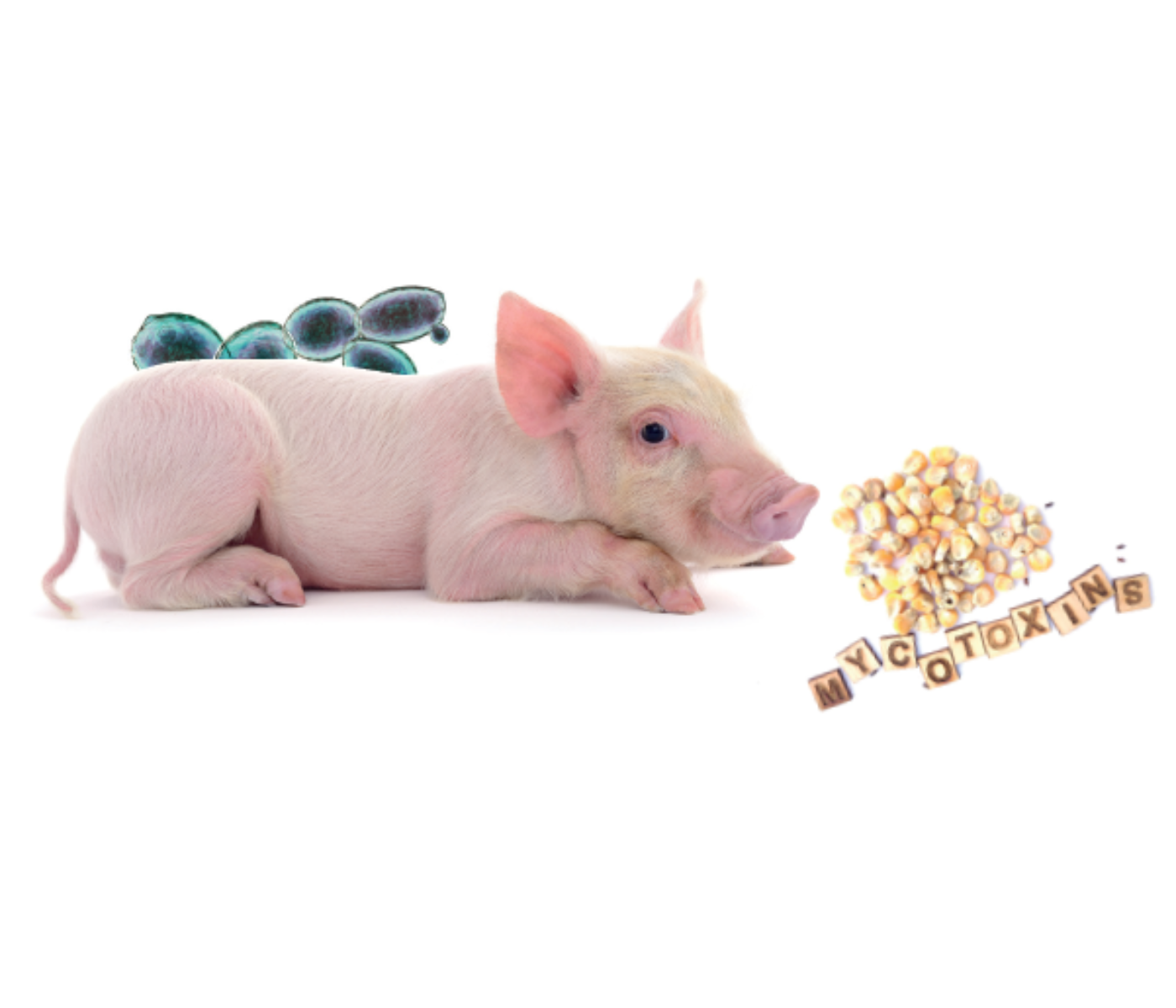
Mycotoxins in Swine: Health Risks and Nutritional Solutions
Giuseppe Carcò
Mycotoxins and Piglet Ear Necrosis: Cause, Cofactor or Coincidence?
Alberto Morillo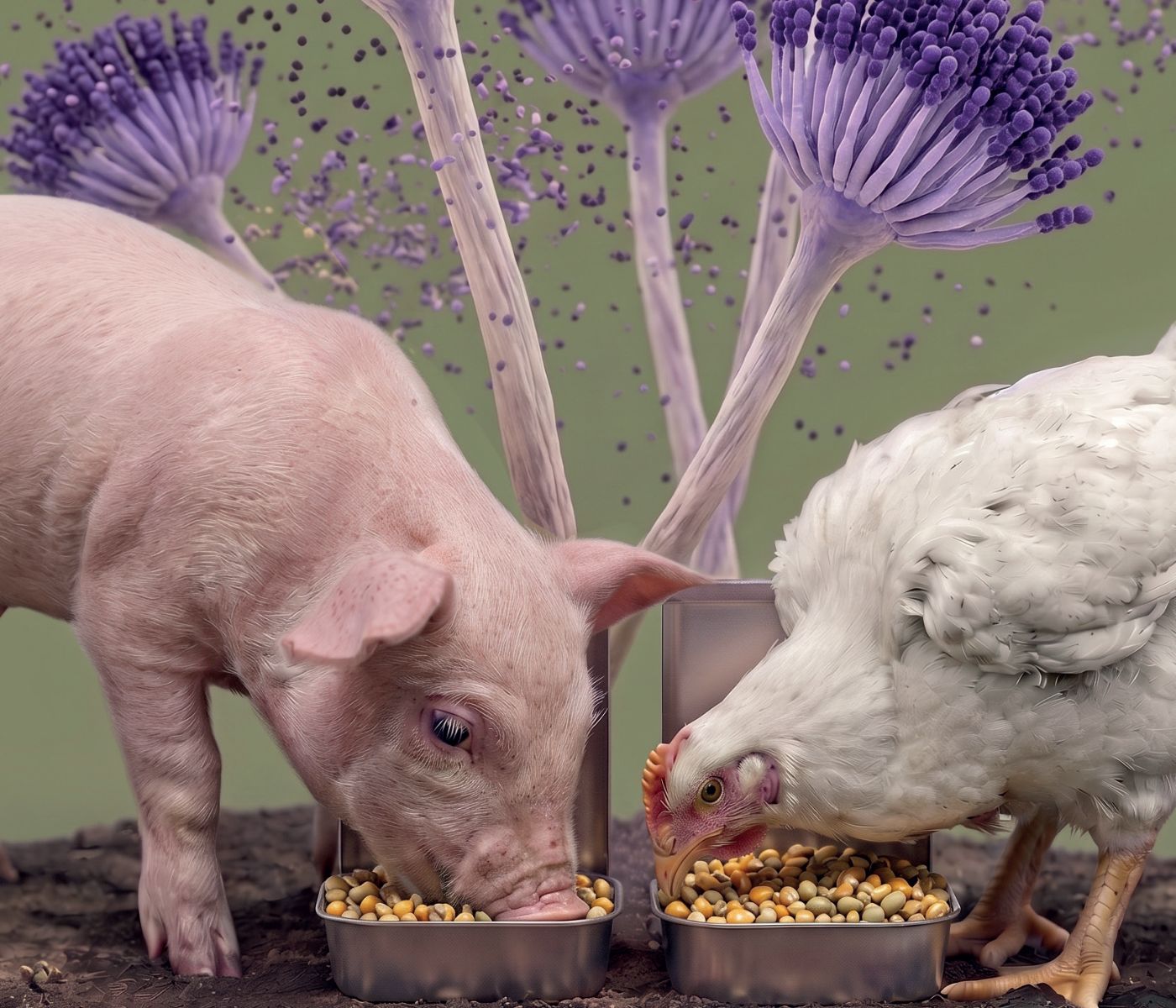
How Mycotoxins Affect Intestinal Health in Pigs and Poultry
Marcos Rostagno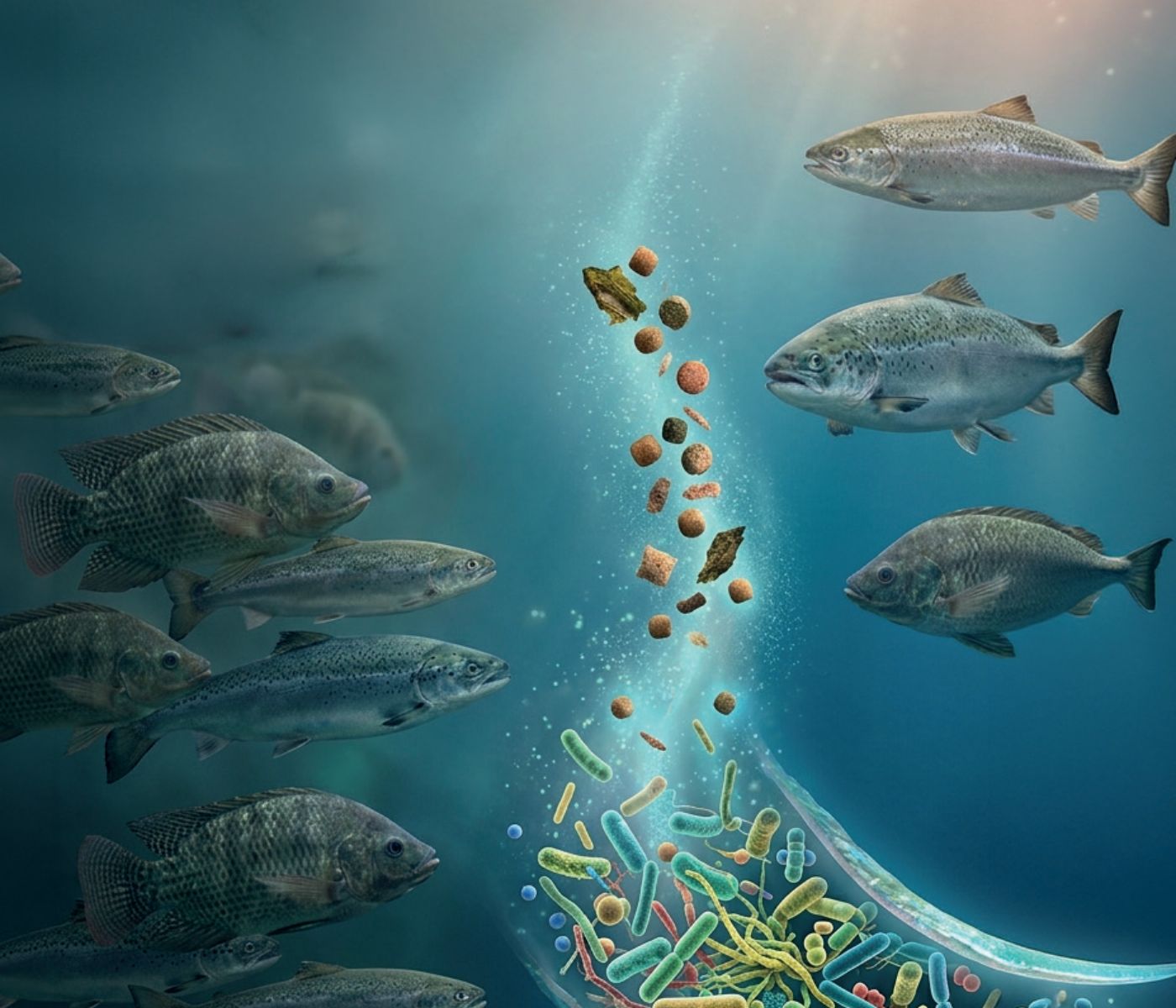
From Antibiotics to Functional Feeds in Aquaculture
Babatunde Saliu
Peas as an Alternative to Soybean Meal in Beef Cattle Finishing Diets
Daniel Villalba Mata,
Improving Egg Yolk Pigmentation Through Better Nutrient Transport
Aquaculture and Aquaponics Nutrition: How Fish Shape the Growth of Greens
Trenton Corby
Consistency in Soybean Meal Drives Performance and Sustainability