 24 Jun 2026
New research suggests that replacing marine ingredients with plant-based alternatives does not automatically improve sustainability. In some cases, certain terrestrial ingredients may substantially increase the carbon footprint of aquafeeds.
The aquaculture industry is facing a new sustainability paradox. For years, reducing dependence on fishmeal and fish oil has been considered one of the main pathways toward more sustainable aquaculture. However, emerging evidence indicates that some terrestrial ingredients may carry a significantly larger environmental burden than previously assumed.
Recent studies suggest that ingredients such as soy protein concentrate and rapeseed oil can dramatically increase greenhouse gas emissions when their entire production chain is considered. These findings are challenging long-held assumptions about what constitutes a sustainable aquafeed and are encouraging nutritionists to adopt more comprehensive approaches to ingredient evaluation.
Over the past two decades, the aquaculture industry has invested heavily in reducing its reliance on marine ingredients. This transition has been driven by concerns regarding fishery resources, ingredient availability, and the desire to improve sustainability metrics.

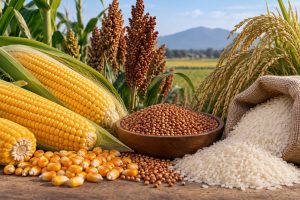
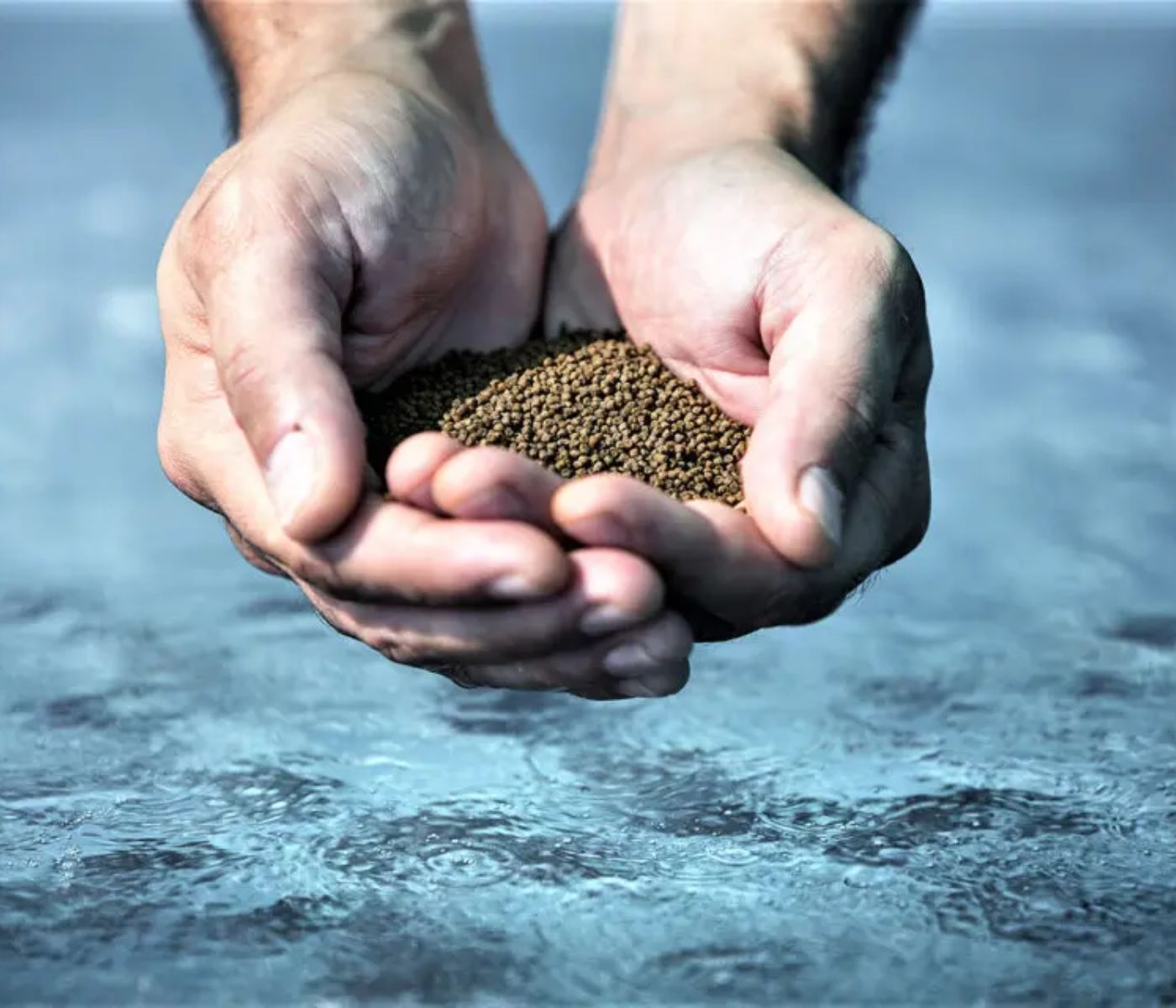
Plant proteins, vegetable oils, and terrestrial feed ingredients have therefore become increasingly important components of aquafeed formulations.
However, sustainability assessments are becoming more nuanced. Researchers are now finding that some terrestrial ingredients may generate higher carbon emissions than marine ingredients because of factors such as:
This means that two feeds with similar nutritional profiles may have vastly different environmental footprints.


One of the most important conclusions emerging from recent research is that where ingredients come from may matter more than what the ingredients are.
Studies indicate that differences in sourcing locations can drive greater variability in environmental impact than differences in feed formulations themselves.
For example, soybean products sourced from regions associated with significant land-use change may contribute substantially more greenhouse gas emissions than soy produced under more sustainable systems.
As sustainability reporting requirements become more rigorous, feed companies may need to evaluate not only nutrient composition and cost but also the environmental characteristics of ingredient supply chains.
Feed ingredients account for the vast majority of aquaculture’s greenhouse gas emissions.
According to several life-cycle analyses, feed ingredients can represent up to 90% or more of the total carbon footprint associated with aquaculture production.
This means that relatively small changes in formulation can have disproportionately large effects on environmental performance.
Ingredient selection, sourcing decisions, and feed efficiency improvements therefore represent some of the most effective tools available to reduce the environmental footprint of aquaculture.
For many years, the aquaculture industry has relied heavily on the fish-in-fish-out (FIFO) ratio as a key sustainability metric.
Although this indicator remains useful, it does not capture the full environmental picture.
Replacing fishmeal with terrestrial ingredients can reduce dependence on marine resources while simultaneously increasing:
Sustainability is therefore becoming increasingly multidimensional. Carbon, land use, biodiversity, and resource efficiency must all be considered together.
The findings are also increasing interest in alternative protein sources that may offer lower environmental footprints than both conventional marine and terrestrial ingredients.
Several emerging ingredients are receiving increasing attention, including:
These ingredients could potentially provide more sustainable pathways for future aquafeed development, particularly if production systems continue to improve and scale.
The new findings have important implications for aquafeed manufacturers and nutritionists.
Future feed formulation strategies will likely require a more holistic approach that balances nutritional performance, ingredient cost, and environmental footprint simultaneously.
Key priorities may include:
The debate over what makes aquafeed sustainable is becoming increasingly complex.
Terrestrial ingredients are not inherently more sustainable than marine ingredients. Likewise, marine ingredients are not automatically environmentally detrimental.
Rather, sustainability depends on the complete life cycle of each ingredient and how it is produced, processed, transported, and incorporated into feed formulations.
This represents an important shift in thinking for the aquaculture industry, which is increasingly moving toward science-based sustainability assessments and data-driven decision-making.
The next generation of aquafeed sustainability strategies will likely focus on optimizing ingredient sourcing, improving traceability, and developing novel proteins with lower environmental footprints.
As the aquaculture sector continues to grow, feed manufacturers, producers, and regulators will increasingly need to work together to ensure that efforts to reduce pressure on marine resources do not unintentionally increase carbon emissions elsewhere in the production chain.
The message emerging from recent research is clear: truly sustainable aquafeed requires a full life-cycle perspective rather than simple ingredient substitution.
Subscribe now to the technical magazine of animal nutrition
AUTHORS
From 2025 Data to 2026 Decisions: Managing Mycotoxin Risk in a Changing Climate

Alterion® NE Celebrates 10 Years of Poultry Gut Health Innovation
The Science Behind Kolin Plus: Beyond Choline Replacement

Summer Infertility in Sows: Managing Heat Stress and Reproductive Performance
AO-Biotics® Amaferm®: Supporting Livestock Digestion and Performance

Interview with Güner Gövenç
Güner Gövenç,
Net Energy and Precision Feeding Shape the Future of Poultry Nutrition
Edgar Oviedo
Mycotoxins in Swine: Health Risks and Nutritional Solutions
Giuseppe Carcò
Mycotoxins and Piglet Ear Necrosis: Cause, Cofactor or Coincidence?
Alberto Morillo
How Mycotoxins Affect Intestinal Health in Pigs and Poultry
Marcos Rostagno
From Antibiotics to Functional Feeds in Aquaculture
Babatunde Saliu
Peas as an Alternative to Soybean Meal in Beef Cattle Finishing Diets
Daniel Villalba Mata,
Improving Egg Yolk Pigmentation Through Better Nutrient Transport

Aquaculture and Aquaponics Nutrition: How Fish Shape the Growth of Greens
Trenton Corby
Consistency in Soybean Meal Drives Performance and Sustainability