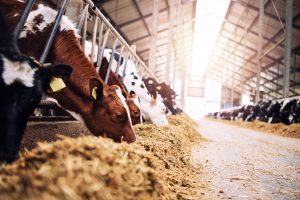




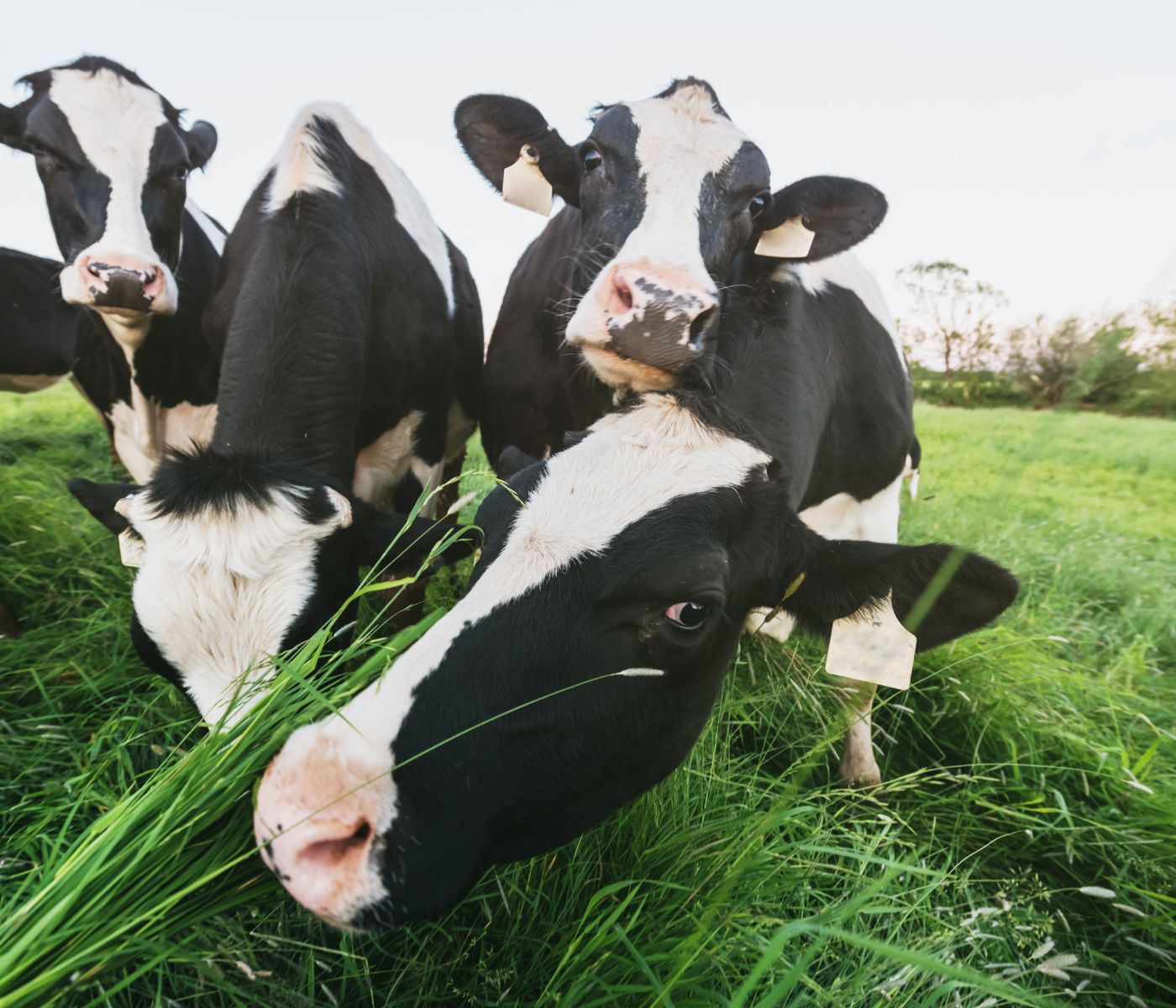
Consequences can mainly be observed through a drop in milk production and a decrease in animal weight.
 28 Jun 2024
Consequences can mainly be observed through a drop in milk production and a decrease in animal weight.
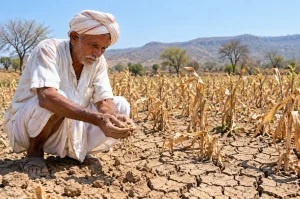
A forage shortage occurs when there is a low availability of pastures, typically during the off-season, which happens from winter to spring and autumn to winter.
Veterinarian Vinicius Augusto Estevão David, the technical manager of Fazenda Modelo de Ponta Grossa and rural extensionist at the Instituto de Desenvolvimento Rural do Paraná (IDR), explains that this shortage is most severe from March to June.
“During this period, many producers have already sown winter pastures, such as oats and ryegrass, but these plants have not fully developed to feed the animals. Additionally, the colder weather affects summer pastures, which are nearing the end of their cycle,” he explains.


Vinicius adds, “As a result, producers may struggle with a lack of food for their animals.” This shortage can be observed through decreased milk production and reduced animal weight.
Alternatives for Producers
Dairy producers need to explore options to supplement their animals’ diets during forage shortages. It is important to consider cost-effective methods to maintain milk production without significantly increasing expenses.
One alternative is to adjust pasture management by selecting appropriate planting dates and forage types to ensure pasture availability for most of the year. Jeferson Luiz Rolim, a technical analyst from the rural extension team at Cooperativa Castrolanda, provides an example.
“In the summer, we can use perennial pasture like Tifton, which lasts from November to March. In March, we sow long-cycle ryegrass with different planting dates, dividing the paddocks. When well-managed, this ensures forage availability until November, when Tifton starts sprouting again. This cycle works if managed properly and without climatic interference,” he says.
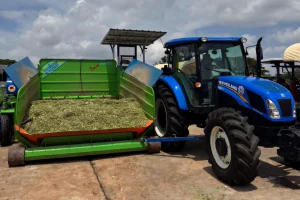
Another method involves preserving feed for animals, with silage, baleage, pre-dried silage, and hay being the most common techniques.
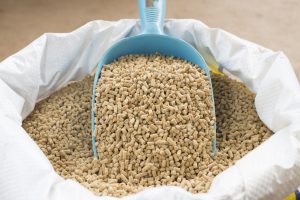
Using concentrates or by-products is another option, which may be necessary despite higher costs.
“This involves incorporating products or by-products into the cows’ diet to meet their nutritional needs. Examples include brewery or distillery residues, ground corn, soybean meal, wheat bran, soy hulls, citrus pulp, and seed oats,” concludes Jeferson.
The Importance of Animal Supplementation During Forage Shortages
“We know it’s challenging to maintain quality forage during harsh weather or when corn or pre-dried silage faces climatic issues. To counter these challenges, using supplements with maximum additives to improve digestibility will significantly enhance production volume, weight gain, and reproductive status,” emphasizes Almiro Renei Bauermann, a veterinarian with a postgraduate degree in Nutrition and Feeding for Zootechnical Interest Animals.
According to Almiro, “The animal nutrition industry has developed significantly, offering various additives that, when combined, effectively address these challenges. Promising examples include biotin, chromium, probiotics, enzymes, inactivated yeasts, mycotoxin adsorbents, and buffers,” he highlights.
Source: Leandro Bianco – Folha de Irati
You may also like to read: “Feeding for high milk quality in dairy cows under heat stress.”

Subscribe now to the technical magazine of animal nutrition
AUTHORS
From 2025 Data to 2026 Decisions: Managing Mycotoxin Risk in a Changing Climate
Alterion® NE Celebrates 10 Years of Poultry Gut Health Innovation
The Science Behind Kolin Plus: Beyond Choline Replacement
Summer Infertility in Sows: Managing Heat Stress and Reproductive Performance
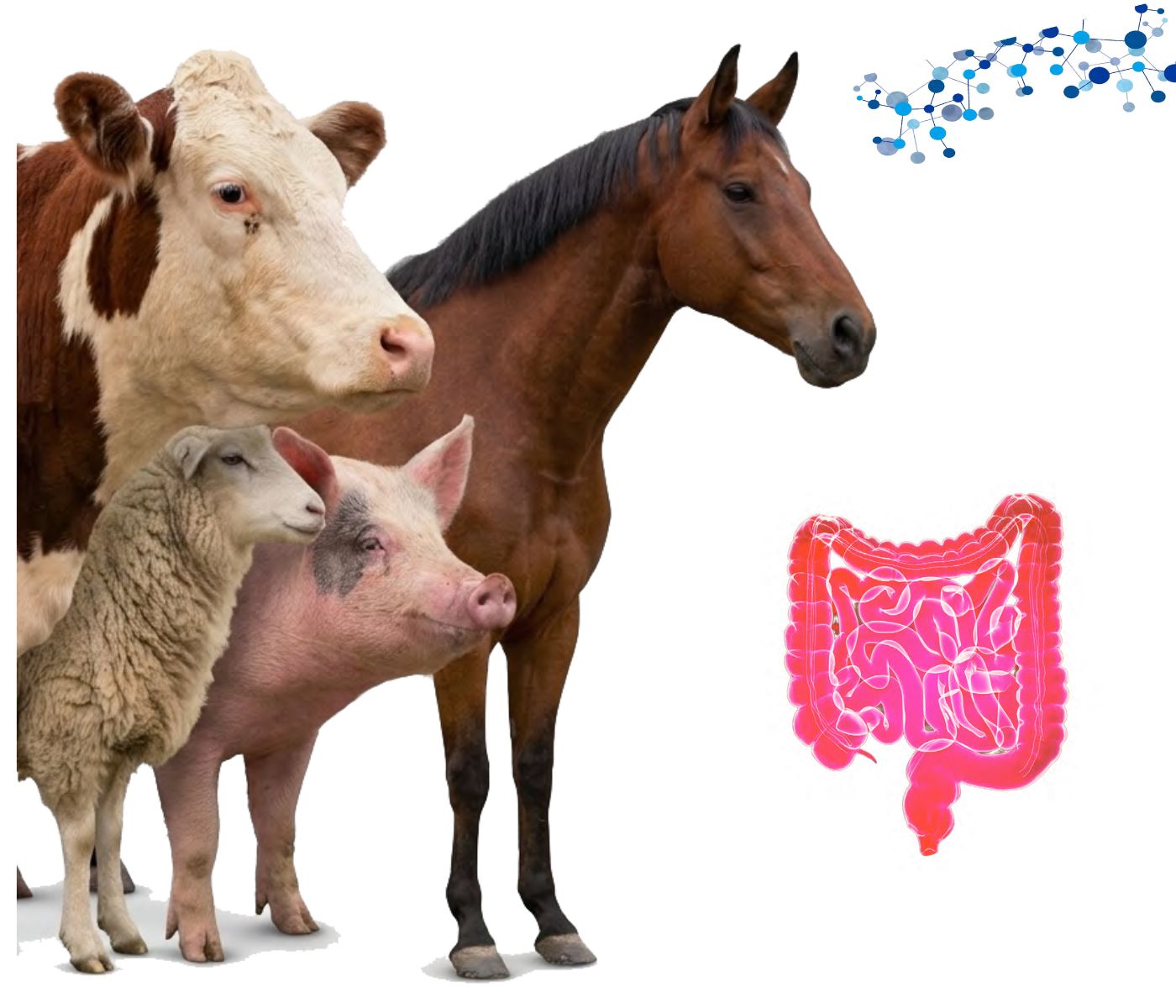
AO-Biotics® Amaferm®: Supporting Livestock Digestion and Performance

Interview with Güner Gövenç
Güner Gövenç,
Net Energy and Precision Feeding Shape the Future of Poultry Nutrition
Edgar Oviedo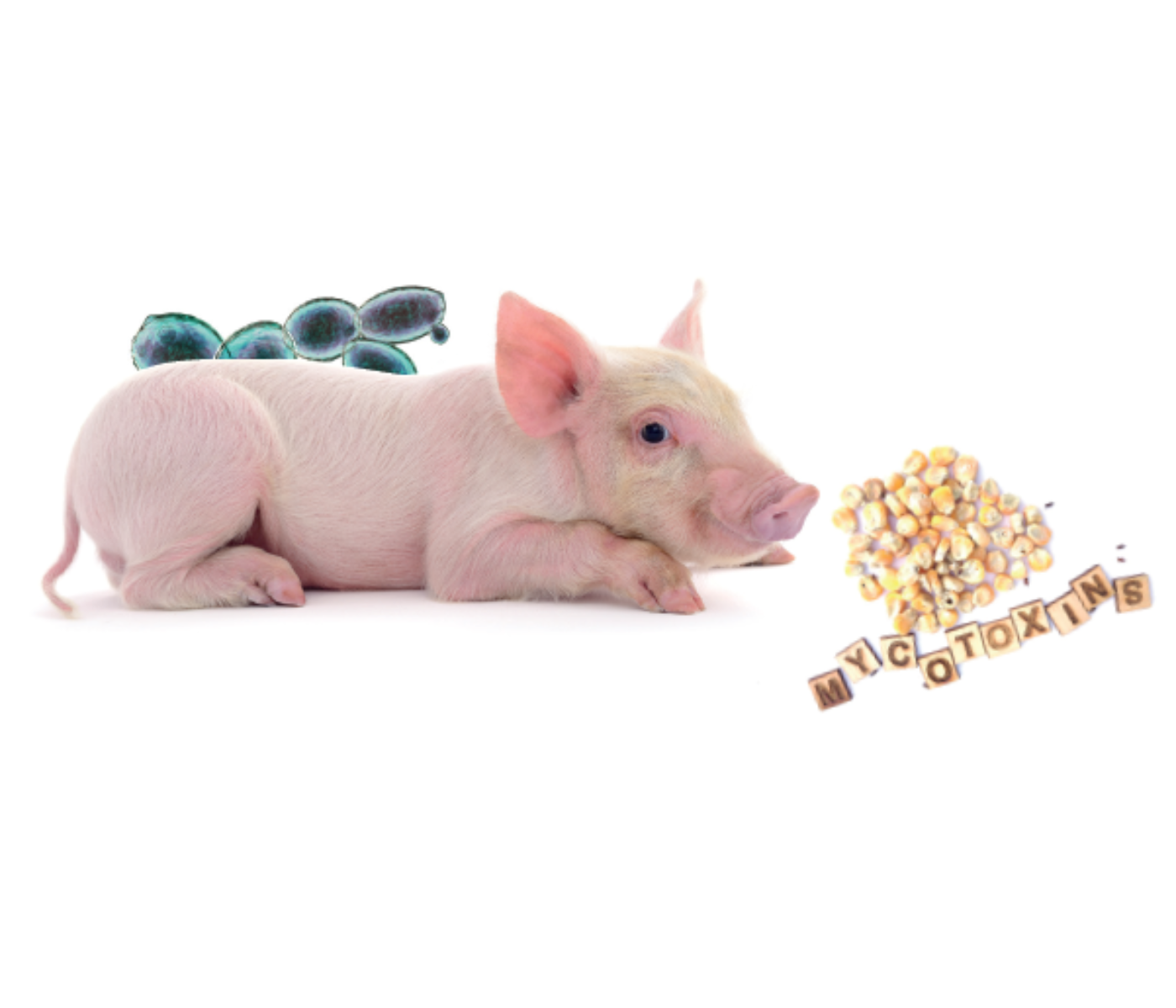
Mycotoxins in Swine: Health Risks and Nutritional Solutions
Giuseppe Carcò
Mycotoxins and Piglet Ear Necrosis: Cause, Cofactor or Coincidence?
Alberto Morillo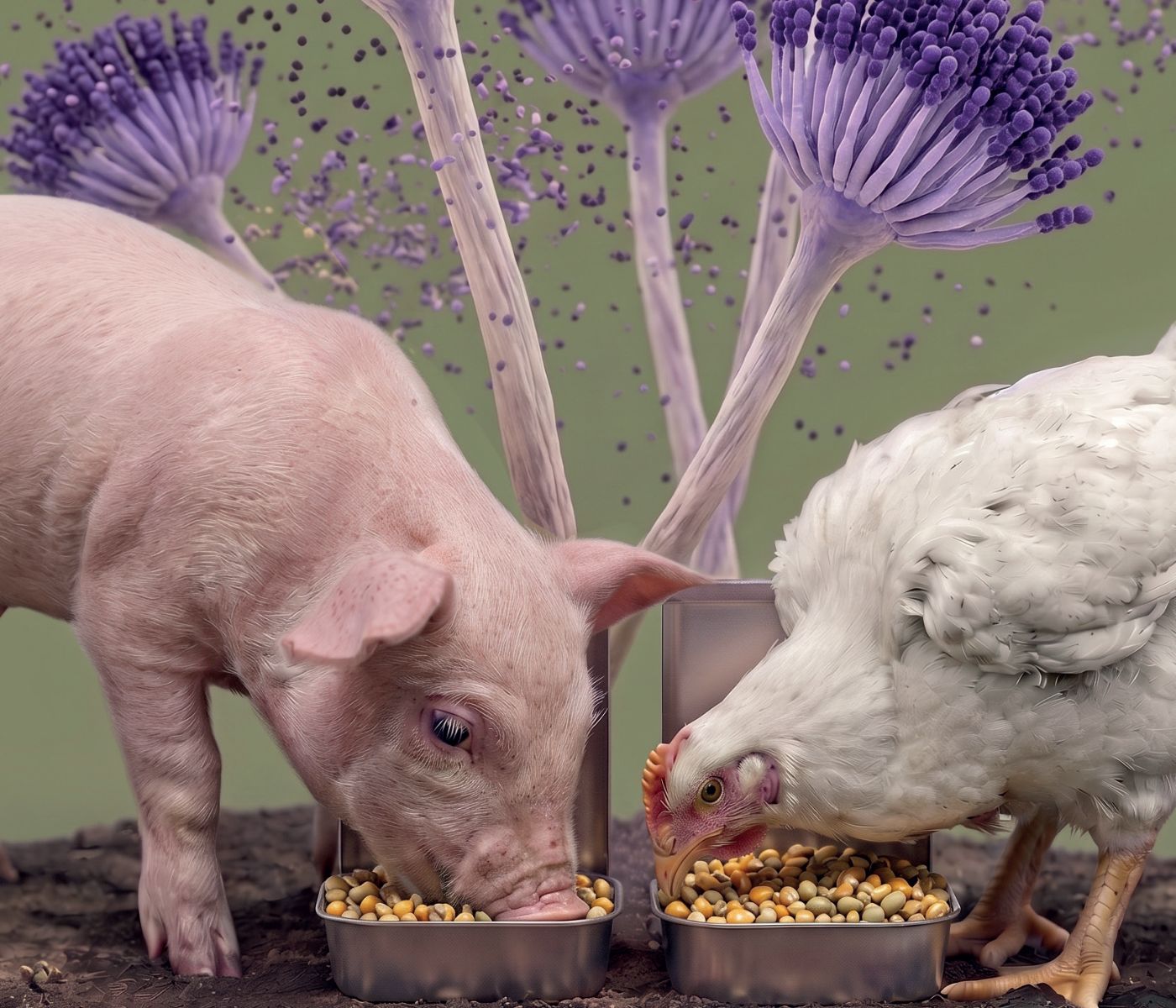
How Mycotoxins Affect Intestinal Health in Pigs and Poultry
Marcos Rostagno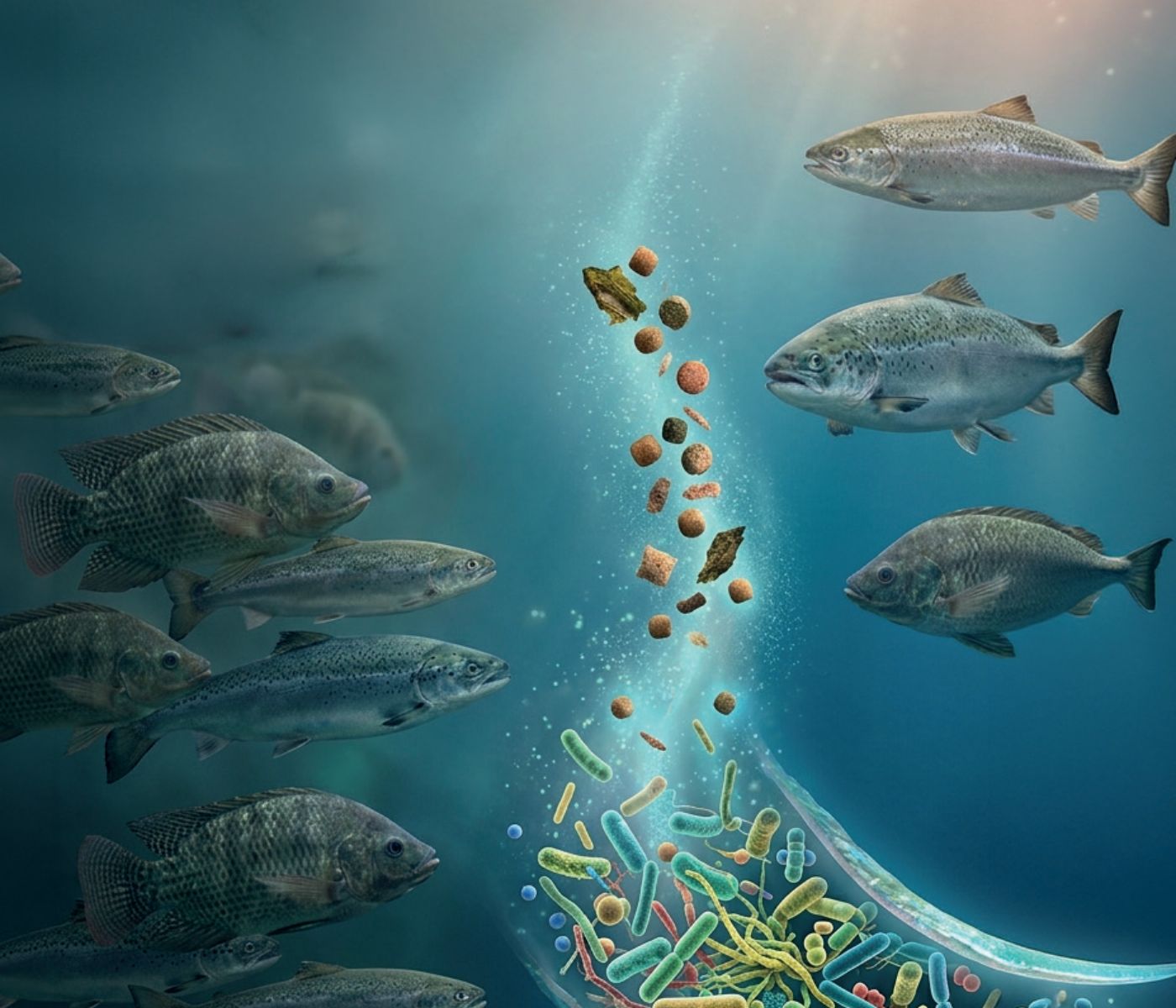
From Antibiotics to Functional Feeds in Aquaculture
Babatunde Saliu
Peas as an Alternative to Soybean Meal in Beef Cattle Finishing Diets
Daniel Villalba Mata,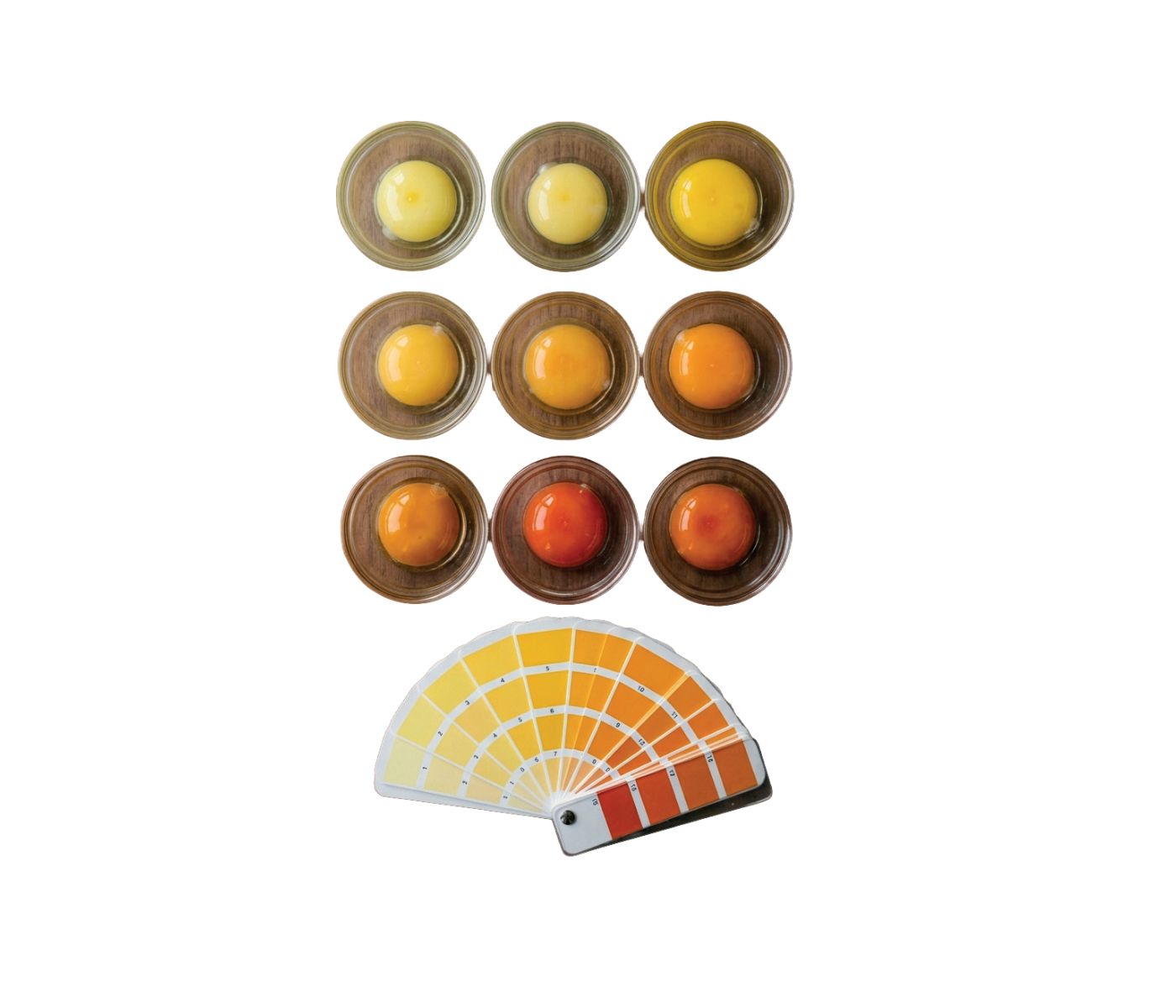
Improving Egg Yolk Pigmentation Through Better Nutrient Transport
Aquaculture and Aquaponics Nutrition: How Fish Shape the Growth of Greens
Trenton Corby
Consistency in Soybean Meal Drives Performance and Sustainability