Home » Why DDGS Quality Depends on Oil Content and Heat Processing
 18 Aug 2026
Why DDGS Quality Depends on Oil Content and Heat Processing
Why DDGS quality depends on oil content and heat processing
Distillers dried grains with solubles (DDGS) remain an important co-product in poultry nutrition because they can contribute protein, energy and phosphorus. But their feed value is far from uniform. Two processing factors in particular—residual oil content and drying intensity—can substantially change the energy density, amino acid availability and economic value of a DDGS lot.
The practical message for poultry formulators is simple: DDGS should be treated as a variable, source-specific ingredient rather than a fixed commodity with one standard nutritional value.
Residual oil largely determines energy value
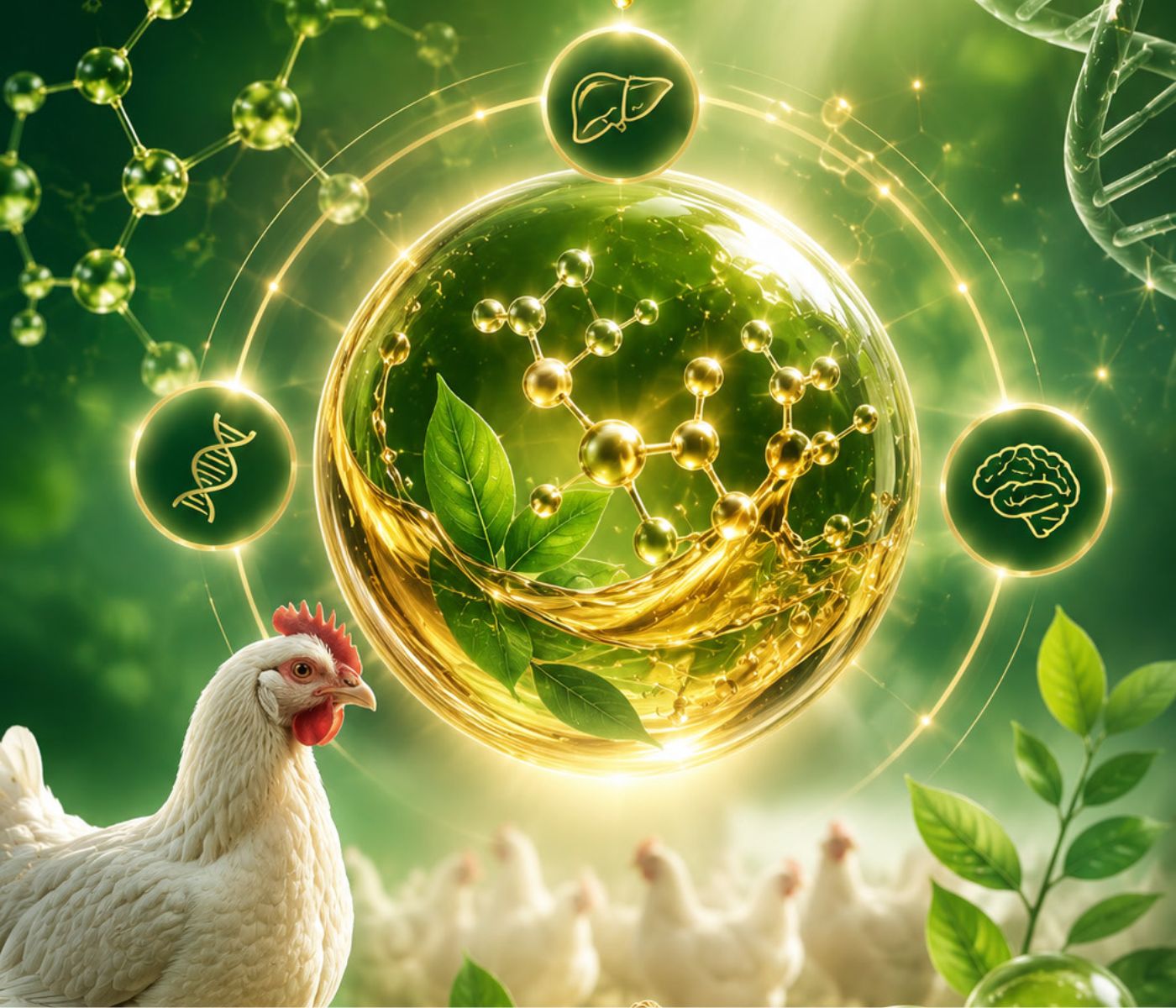
Residual oil is one of the main drivers of the metabolizable energy value of DDGS. Ethanol plants increasingly remove part of the corn oil before the final co-product is dried, and the degree of oil extraction can create large nutritional differences between DDGS sources.
Auburn University research comparing low-, medium- and high-oil DDGS found nitrogen-corrected apparent metabolizable energy values of approximately 1,975, 2,644 and 3,137 kcal/kg, respectively. In that study, reducing oil content clearly lowered the energy available to broilers.
Higher residual oil generally means higher energy density, while heavily de-oiled DDGS may require considerably more added fat or other energy sources elsewhere in the formula.
This has direct economic implications. A DDGS lot that appears attractive on crude protein price alone may be less competitive once its lower energy value is accounted for in the complete diet.
Oil extraction can also influence amino acid quality. Research has shown that low-oil DDGS may differ from higher-oil sources in the apparent digestibility of amino acids including lysine, methionine, threonine, tryptophan and arginine.
Higher oil is not automatically better
Although higher-fat DDGS can contribute more energy, greater oil content also changes how the ingredient behaves during manufacturing and storage.
Higher residual fat can influence:
- Pellet quality and durability
- Ingredient flowability
- Dietary fat balancing
- Oxidative stability during storage
- Handling and shelf-life considerations
Residual oil should therefore be viewed as an energy characteristic, not simply as a quality ranking. The most valuable DDGS is the one whose oil level fits the nutritional and manufacturing requirements of the complete feed.
Drying conditions can determine protein quality
Drying is essential to reduce moisture and stabilize DDGS for transport and storage. However, excessive thermal exposure can reduce the biological value of the protein.
DDGS contains both protein and residual reducing sugars. Under excessive heat, these compounds can participate in Maillard reactions, which are particularly important for lysine because its reactive amino group is highly susceptible to heat damage.
The result can be a DDGS sample that still tests well for crude protein but supplies less usable lysine to the bird. Poultry research has repeatedly identified lysine as one of the amino acids most vulnerable to heat damage in DDGS.
Two DDGS lots can have similar crude protein concentrations but very different nutritional value if one has undergone excessive drying and lost a meaningful proportion of bioavailable lysine.
Why lysine deserves special attention
Corn is already relatively low in lysine compared with its total protein content, so heat damage can further magnify this limitation in DDGS.
Published poultry work reports substantial variation in lysine digestibility among DDGS sources. Reviews have noted digestibility values around 50–65% in broilers for some DDGS products, compared with much higher values in soybean meal. :contentReference[oaicite:3]{index=3}
This is particularly relevant in starter diets, where amino acid density and digestibility are critical and marginal lysine deficiencies can quickly affect growth and feed efficiency.
For DDGS, total lysine is less informative than digestible or reactive lysine. The key question is not how much lysine is chemically present, but how much remains biologically available to the bird.
Can color reveal heat damage?
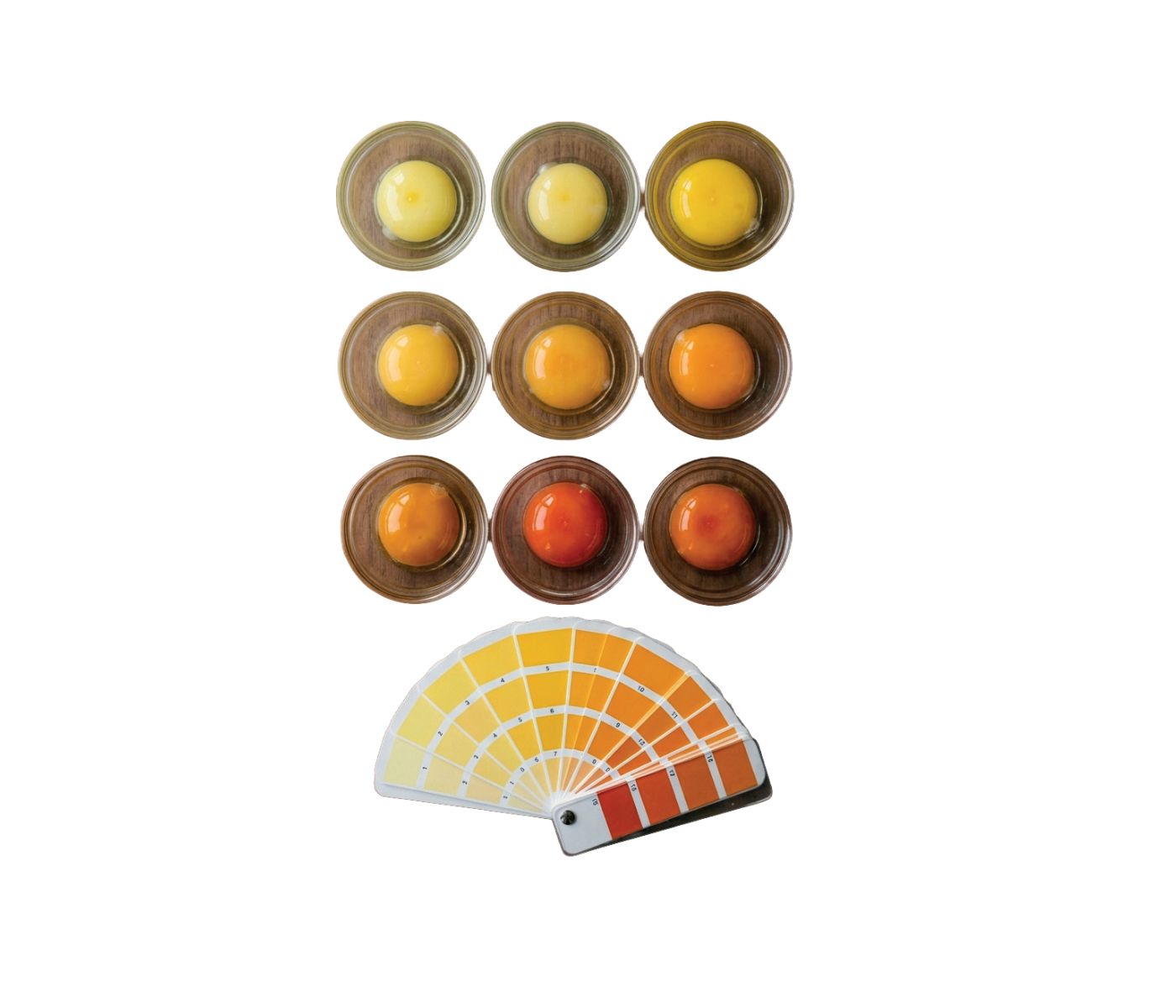
Darker DDGS has historically been associated with excessive drying and greater Maillard reaction activity. Research in poultry has shown that some of the darkest DDGS samples can have lower lysine availability and lower metabolizable energy.
However, color should only be used as a warning signal rather than a definitive quality test. Grain type, solubles addition and processing conditions can all affect appearance independently of protein damage.
Where possible, nutritionists should rely on more direct measurements such as:
- Reactive lysine
- Standardized ileal digestible amino acids
- Analyzed crude fat
- AMEn or validated energy estimates
- Moisture and fiber
- Near-infrared spectroscopy where properly calibrated
A dark color may raise suspicion of heat damage, but it should trigger testing rather than replace it.
Source variability matters as much as composition
DDGS composition varies because ethanol plants do not all use the same processing system. Differences may arise from:
Grain source
Degree of oil extraction
Solubles addition
Drying temperature and time
Fermentation process
Plant-specific process control
Recent broiler work continues to demonstrate that different DDGS processors can produce ingredients with different AMEn values and standardized ileal amino acid digestibility, reinforcing the need for source-specific evaluation.
The name “DDGS” describes a production co-product, not a guaranteed nutritional specification.
Formulate from analyzed values, not averages
Because variability can be substantial, poultry feed mills can reduce risk by building DDGS quality control into routine procurement.
- Regular laboratory analysis of incoming DDGS for protein, fat, fiber and moisture.
- Source-specific formulation rather than relying exclusively on generic matrix values.
- Using digestible amino acid values where available.
- Monitoring reactive lysine or other heat-damage indicators for suspect lots.
- Adjusting energy values according to residual oil content.
- Maintaining supplier and processing-history records.
A formulation matrix should follow the ingredient. The ingredient should not be forced to fit a static matrix.
Mycotoxin risk also needs attention
DDGS can also carry mycotoxins that were present in the original grain. Because starch is removed during fermentation, other grain components become concentrated in the remaining co-product.
For feed mills using significant DDGS volumes, routine mycotoxin surveillance should therefore form part of the same supplier-specific quality program used for energy and amino acid evaluation.
DDGS variability is not limited to nutrients. Feed safety and nutritional value should be evaluated together.
How much DDGS can poultry diets use?
DDGS can be incorporated successfully into broiler and layer diets, but useful inclusion rates depend heavily on ingredient quality, age of the bird and how accurately energy and amino acid values are represented in the formulation.
Research suggests that higher inclusion rates can be more challenging, particularly when lysine digestibility or energy values are overestimated. Some poultry studies have reported impaired broiler performance when DDGS levels move beyond approximately 15%, reinforcing the importance of formulation accuracy at higher inclusion rates.
This does not mean there is one universal maximum inclusion rate. Instead, it highlights that the acceptable level depends on the quality of the DDGS and the precision of the overall diet formulation.
Better-characterized DDGS creates more formulation flexibility. Poorly characterized DDGS forces nutritionists to formulate more conservatively.
Processing history can matter more than crude protein
For integrators and feed mills, one of the most important lessons is that crude protein alone does not determine the economic value of DDGS.
A product with slightly lower crude protein but higher usable energy, more reactive lysine and less thermal damage may deliver more value than a darker, heavily de-oiled product with a superficially attractive protein concentration.
DDGS should be purchased on nutritional value, not appearance or crude protein alone. Residual oil determines much of its energy contribution, while drying history can determine how much of its amino acid profile the bird can actually use.
Outlook
DDGS will remain an important ingredient for poultry producers seeking alternative sources of protein, energy and phosphorus. But the ethanol sector itself continues to evolve, particularly as more plants extract corn oil for use in biodiesel and other markets.
That means the nutritional profile of DDGS is also changing.
Nutritionists who track residual oil, digestible amino acids, heat damage and source-specific variability will be better positioned to capture the economic value of DDGS while avoiding hidden formulation errors.
The future of DDGS formulation is less about asking how much DDGS a diet can contain and more about knowing exactly which DDGS is being used.