 16 Jun 2026
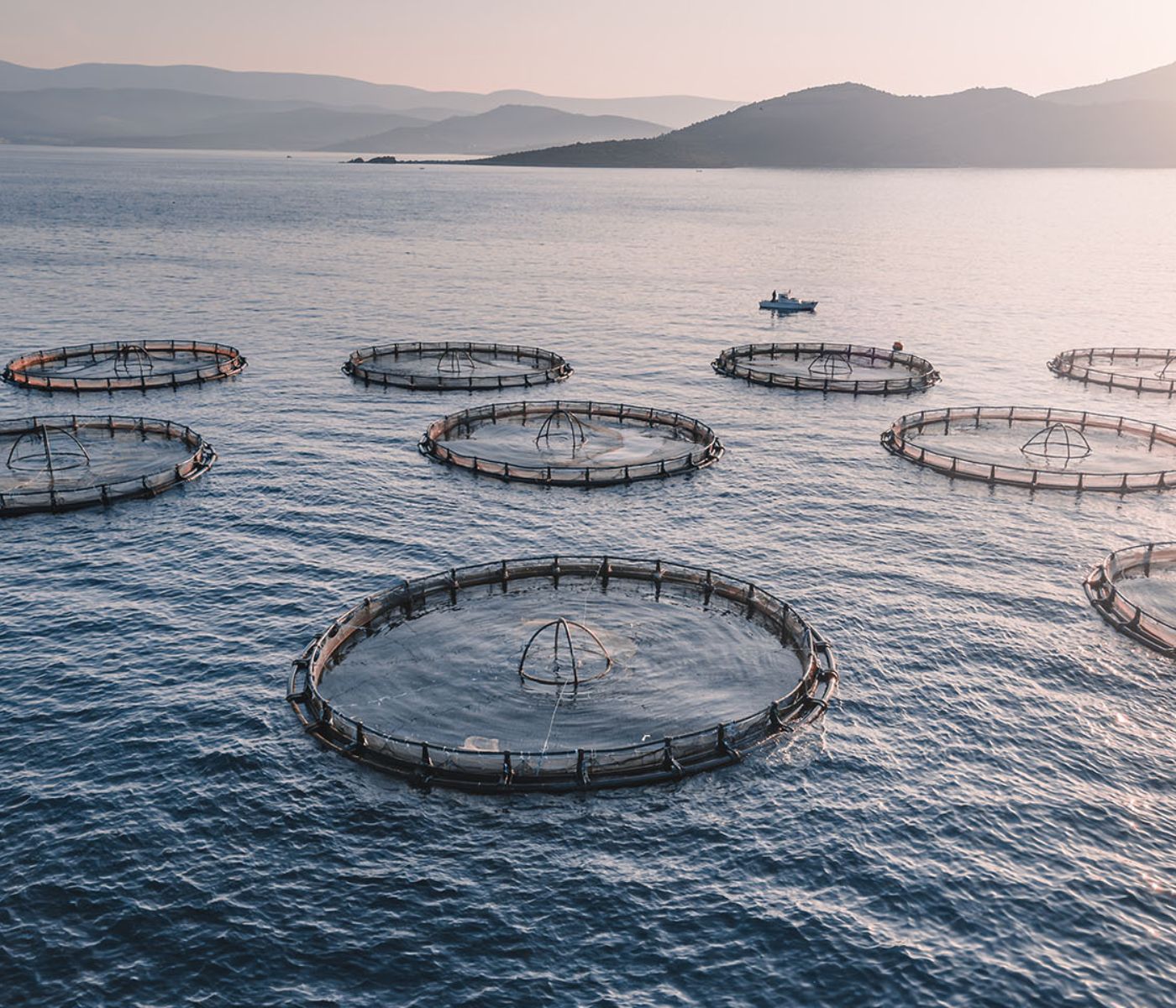
Feed formulation is becoming a strategic priority in North American aquaculture as producers balance cost, performance, sustainability, and ingredient flexibility.
Aquaculture feed formulation in North America is becoming increasingly sophisticated as producers face tighter margins, shifting ingredient markets, evolving sustainability expectations, and growing demand for efficient seafood production.
Nutritionists are under pressure to formulate diets that support growth performance, maximize feed efficiency, maintain fish health, and adapt to changing raw material availability without sacrificing feed quality or profitability.
As feed typically represents 50–70% of total production costs in many aquaculture systems, formulation decisions have a direct impact on economic performance, environmental sustainability, and production outcomes.
Across North America, feed companies, researchers, and producers are increasingly embracing precision nutrition, advanced formulation software, ingredient innovation, and digital technologies to meet these challenges.
One of the most important developments in North American aquafeed formulation is the move toward precision nutrition.
Rather than relying solely on generalized nutrient recommendations, nutritionists are increasingly using species-specific nutritional models and performance data to more accurately match nutrient supply with biological requirements.
This approach helps improve feed conversion ratios, reduce nutrient waste, optimize growth, and support more sustainable production systems.
Feed companies and nutritionists are increasingly relying on:
These technologies improve formulation accuracy while reducing variability between feed batches and production cycles.
North American aquaculture is increasingly benefiting from improved access to digital formulation tools and standardized ingredient information.
Resources such as the International Aquaculture Feed Formulation Database (IAFFD) are helping standardize ingredient composition and species requirement data, making it easier for nutritionists to compare ingredients, evaluate alternatives, and optimize feed programs.
Data-driven formulation allows producers to make faster and more informed decisions when ingredient markets fluctuate or production objectives change.
This capability is becoming increasingly valuable as raw material availability and pricing become more volatile due to supply chain disruptions, climate-related challenges, global trade dynamics, and changing demand patterns.
North America benefits from a strong technical and research infrastructure dedicated to aquaculture nutrition and feed technology.
In Canada, the CAT Aqua FeedTech Center in Prince Edward Island has established itself as a specialized hub for:
Facilities such as these help bridge the gap between research and commercial production, allowing new ingredients and technologies to be evaluated under practical conditions.
This integrated approach is particularly important because feed quality directly influences production efficiency, fish health, and environmental performance.
Cost efficiency remains one of the biggest challenges facing aquaculture feed formulators.
Historically, fish meal and fish oil have served as cornerstone ingredients in many aquaculture diets. However, rising costs, limited availability, and sustainability concerns have encouraged the industry to reduce dependence on marine-derived ingredients.
As a result, nutritionists are increasingly evaluating alternative ingredient strategies that maintain performance while improving economic and environmental sustainability.
These alternatives include:
For species such as salmon, trout, and shrimp, maintaining growth performance while increasing ingredient flexibility remains a major research priority.
Ingredient mapping tools are becoming increasingly important as feed costs fluctuate and regional ingredient availability changes.
Modern formulation systems can help identify locally available raw materials, compare nutrient contributions, evaluate ingredient substitutions, and model economic trade-offs in real time.
This flexibility allows nutritionists to respond more rapidly to changes in the availability and cost of:
In an industry where ingredient prices can change significantly within short periods, formulation agility is becoming an important competitive advantage.
Sustainability is increasingly influencing feed formulation decisions throughout North America.
Producers are expected to reduce environmental impacts while maintaining productivity and profitability. Nutrition is one of the most powerful tools available for improving resource-use efficiency.
In practice, sustainability-focused formulation often includes:
These strategies can simultaneously improve economic performance and reduce environmental pressure.
The future of North American aquafeed formulation will likely be shaped by three major forces: precision nutrition, alternative ingredients, and digital technologies.
Artificial intelligence, machine learning, predictive analytics, and dynamic formulation systems are already helping nutritionists make faster and more accurate decisions.
At the same time, continued innovation in alternative proteins and functional ingredients is expected to expand the range of options available to feed manufacturers.
Future formulation strategies may increasingly incorporate real-time performance data, automated ingredient optimization, and advanced sustainability metrics to support decision-making.
North American aquaculture feed formulation is evolving rapidly as producers seek greater efficiency, resilience, and sustainability.
Precision nutrition, digital tools, advanced ingredient databases, alternative proteins, and integrated technical infrastructure are helping the industry improve performance while managing increasingly complex market conditions.
As formulation technologies become more sophisticated and ingredient systems more diversified, North American aquaculture will be better positioned to control costs, improve feed efficiency, support fish health, and achieve long-term sustainable growth.




Subscribe now to the technical magazine of animal nutrition
AUTHORS
Rumen microorganisms and metabolizable amino acid balance
Fernando Bacha Baz
Broiler nutrition during the first feeding phase

Genetic improvement in corn strengthens its strategic role in animal nutrition

Insect biorefineries and the future of sustainable animal nutrition
Ari Riihimaa
LivoLiv supplementation improves liver health and broiler performance

Mycotoxin binders explained: why one size never fits all
Rui A. Gonçalves
Active Feeding strategy for PRRS-positive weaned piglets
Alberto Morillo Alujas
Sow colostrum and its strategic impact on piglet survival and growth
Marianna Altieri
Bacillus probiotics help support intestinal health in cats
Lorenna Nicole Araújo Santos