 08 Jun 2026
How Europe is using research, technology, and policy to build a more sustainable aquaculture sector.
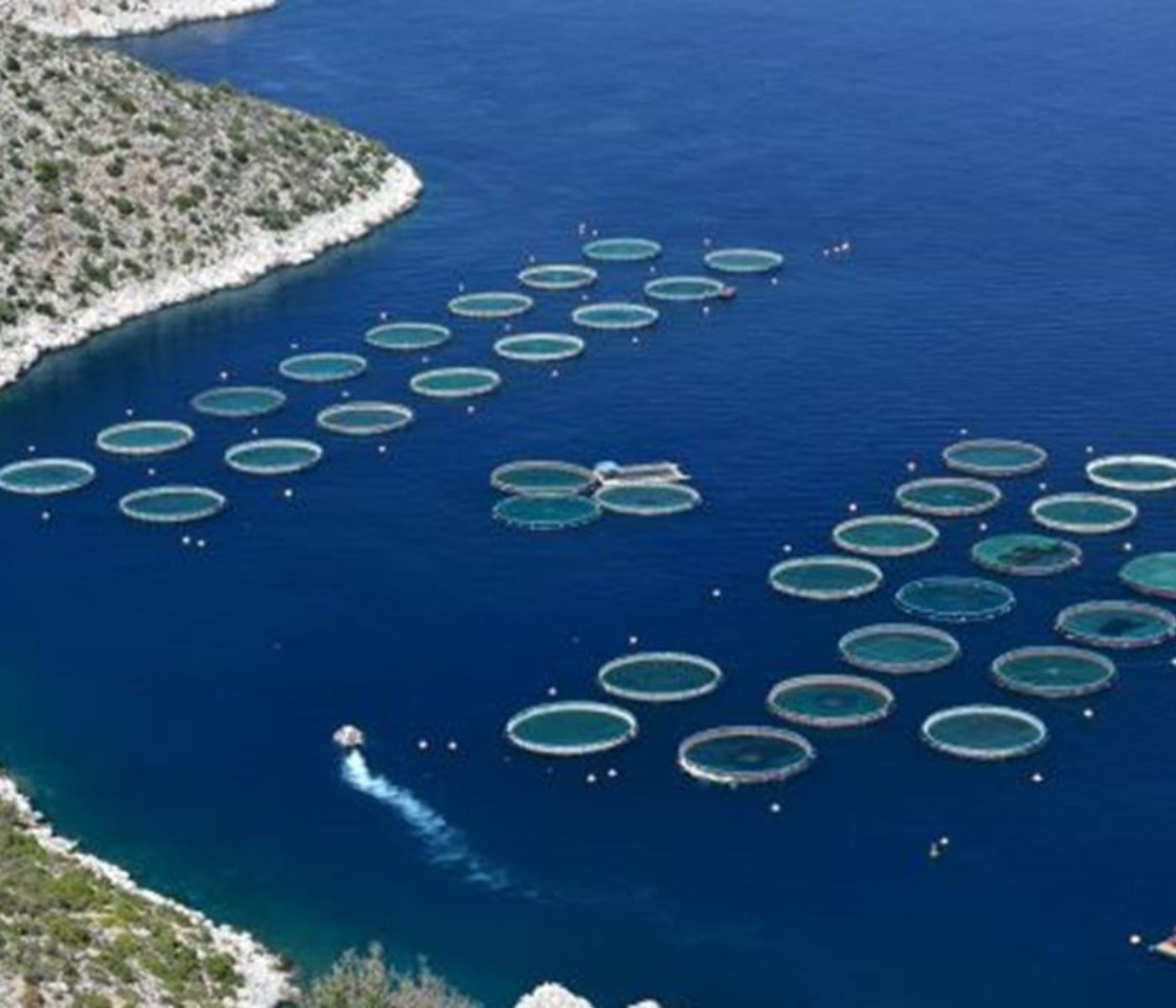
Aquaculture is becoming increasingly important to Europe’s food system, but the sector still faces major challenges in productivity, competitiveness, and sustainability. At the same time, it is also one of the most dynamic areas of the blue economy, with innovation accelerating across fish health, feed, digital monitoring, environmental management, and animal welfare.
The European Union has made aquaculture a strategic priority. Current policy frameworks emphasize the need for a more sustainable, competitive, and resilient sector, while also improving public acceptance and supporting knowledge transfer. That policy direction reflects a simple reality: Europe has strong scientific capacity and high seafood demand, but aquaculture growth has remained uneven across member states.
One reason innovation matters so much is that aquaculture operates under complex constraints. Producers must manage water quality, climate variability, disease risk, feed costs, space limitations, animal welfare expectations, and strict environmental regulation. These pressures have encouraged a wave of technological change aimed at making production more efficient while reducing environmental impact.
European aquaculture innovation is strongly shaped by public policy. The European Commission’s strategic guidelines for EU aquaculture highlight the importance of building a sector that is competitive, resilient, environmentally sustainable, socially accepted, and knowledge-based.
This policy approach matters because innovation in aquaculture is rarely limited to the farm alone. It also depends on research institutions, regulators, feed companies, equipment manufacturers, processors, veterinarians, technology providers, and producers. In practice, European innovation is built through collaboration across the full value chain.
Funding programs and coordinated research initiatives have also helped accelerate new solutions. European research projects, innovation platforms, and regional clusters are bringing together stakeholders to develop tools that can be tested and adapted under real production conditions.

Several innovation areas are transforming aquaculture across Europe.
Fish health and biosecurity remain central priorities. Disease outbreaks can have severe economic, welfare, and environmental consequences. For this reason, farms are investing in better diagnostics, vaccines, surveillance tools, early warning systems, and management practices that reduce reliance on antimicrobial treatments.
Improved health management also supports consumer confidence and aligns with broader One Health priorities, particularly the responsible use of antimicrobials and the prevention of disease spread between production systems and surrounding environments.
Feed is one of the largest cost drivers in aquaculture, making it a major focus for innovation. Producers and nutrition companies are exploring alternative proteins, algae-based ingredients, insect meals, microbial proteins, by-products from the food industry, and circular feed strategies that reduce pressure on marine resources.
These changes also support broader sustainability goals. By improving feed conversion and nutrient efficiency, farms can reduce nutrient losses and improve the overall resource efficiency of aquaculture production.
Digital aquaculture is rapidly expanding. Sensors, cameras, software platforms, artificial intelligence, and data analytics are helping farmers monitor oxygen levels, feeding behavior, biomass, growth rates, water temperature, and environmental conditions in real time.
This allows producers to make faster and more precise decisions. For example, feeding can be adjusted according to fish behavior, water quality changes can be detected earlier, and abnormal activity may signal health or welfare concerns before they become major problems.
Digital monitoring can also reduce feed waste, improve labour efficiency, and generate useful production data for certification, traceability, and environmental reporting.
Environmental adaptation is becoming more important as European aquaculture faces climate-related pressures. Rising water temperatures, extreme weather events, changing oxygen dynamics, and spatial competition are all influencing production decisions.
Innovative systems are being developed to improve water use, energy efficiency, waste management, and production resilience. Land-based and recirculating aquaculture systems are attracting attention because they can offer greater control over water quality, biosecurity, and environmental emissions.
Animal welfare is becoming a stronger driver of innovation in European aquaculture. Producers and researchers are exploring better handling methods, improved housing conditions, optimized stocking densities, humane slaughter technologies, and non-invasive monitoring tools.
Welfare-focused innovation is important because ethical production is increasingly connected to market access, consumer expectations, certification programs, and long-term productivity.
Europe has a relatively strong aquaculture innovation ecosystem compared with many other regions. One of the most important networks is the European Aquaculture Technology and Innovation Platform, which connects researchers, industry stakeholders, and policymakers around shared innovation priorities.
This ecosystem is important because aquaculture innovation often depends on technology transfer. A solution may work well in a research facility, but it must also be practical, affordable, scalable, and adaptable for farms operating under commercial conditions.
Recent collaborative projects have emphasized disease prevention, welfare improvement, circular economy approaches, low-impact production systems, digital decision support, and climate resilience. Together, these efforts are helping move aquaculture from incremental improvement toward more systematic modernization.
The outlook for European aquaculture is positive, but not automatic. Demand for seafood remains strong, and the need for secure, locally produced food is growing. However, sector growth will depend on whether innovation can overcome structural bottlenecks such as permitting complexity, spatial constraints, production costs, regulatory fragmentation, and uneven adoption of new technologies.
The most promising path forward is one that combines science, policy, and industry execution. If Europe can scale innovations in genetics, feed, digital management, disease prevention, animal welfare, and climate adaptation, aquaculture could become a stronger contributor to food security, rural development, coastal economies, and sustainable economic growth.
In that sense, innovation is not just a support tool for aquaculture. It is the core strategy for the sector’s future in Europe.
By integrating advances in feed, health, welfare, digital monitoring, environmental management, and policy coordination, European aquaculture has the potential to become a global reference for responsible seafood production.


Subscribe now to the technical magazine of animal nutrition
AUTHORS
Rumen microorganisms and metabolizable amino acid balance
Fernando Bacha Baz
Broiler nutrition during the first feeding phase
Genetic improvement in corn strengthens its strategic role in animal nutrition
Insect biorefineries and the future of sustainable animal nutrition
Ari Riihimaa
LivoLiv supplementation improves liver health and broiler performance
Mycotoxin binders explained: why one size never fits all
Rui A. Gonçalves
Active Feeding strategy for PRRS-positive weaned piglets
Alberto Morillo Alujas
Sow colostrum and its strategic impact on piglet survival and growth
Marianna Altieri
Bacillus probiotics help support intestinal health in cats
Lorenna Nicole Araújo Santos